



Antique Coffer Box
An antique coffer box brings centuries of heavy timber and utilitarian craft into modern rooms as robust storage.
Antique Coffer Box
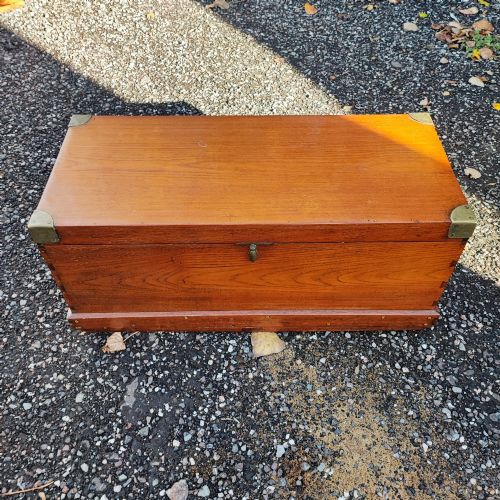
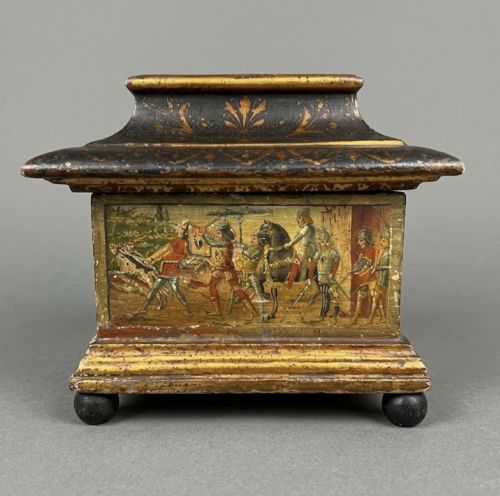
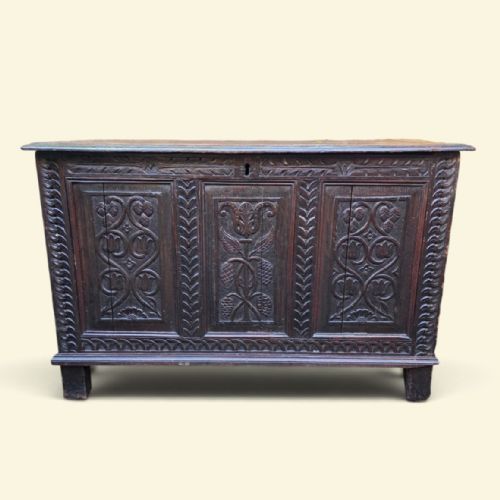
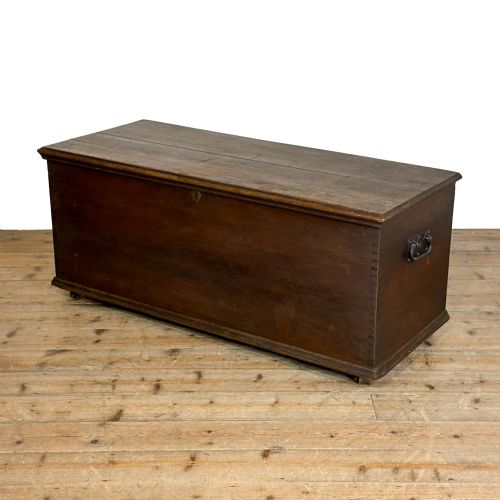
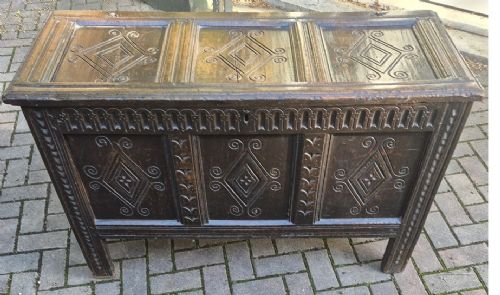
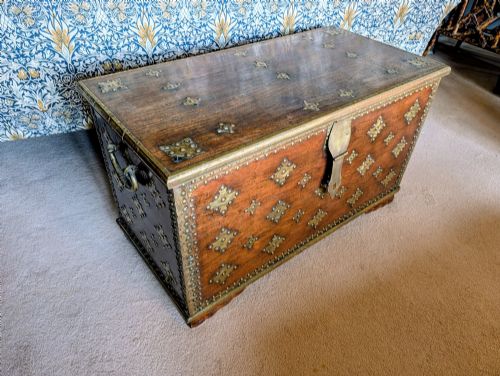
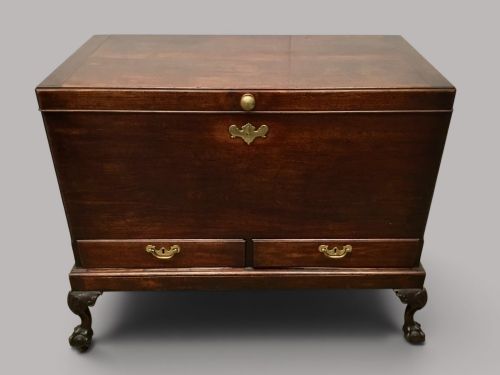
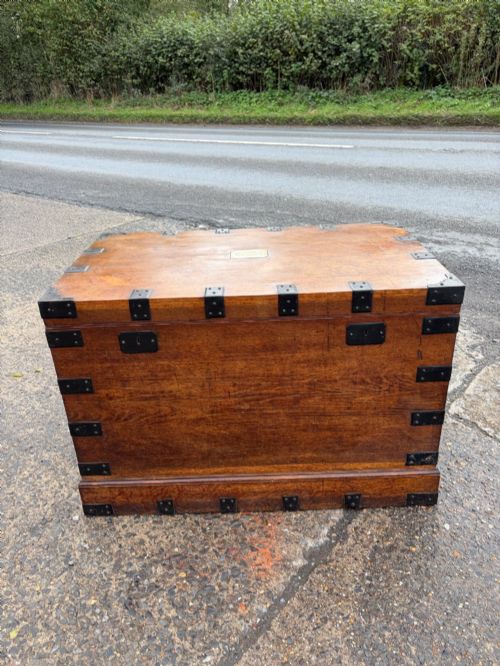
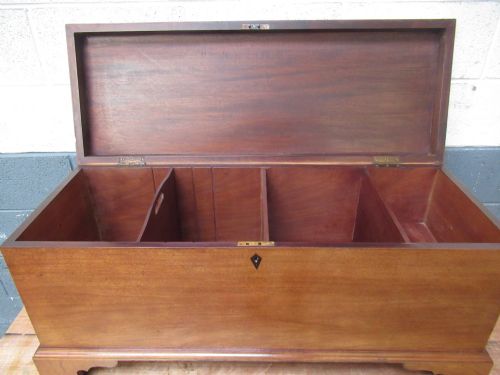
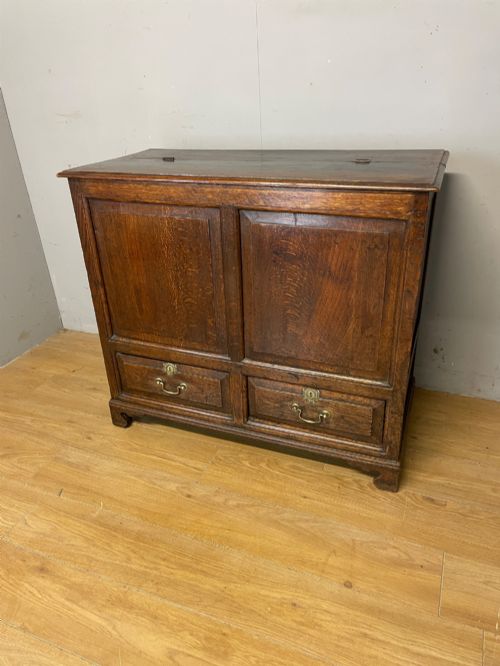
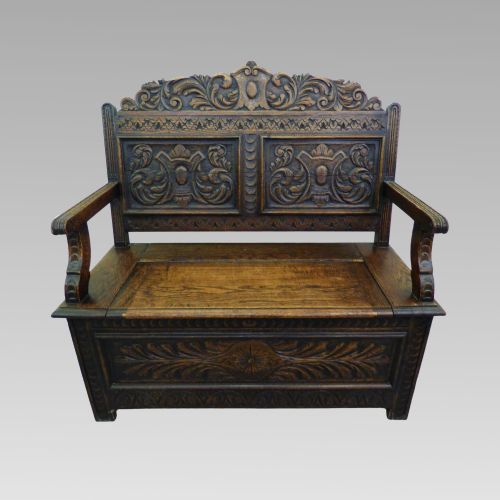
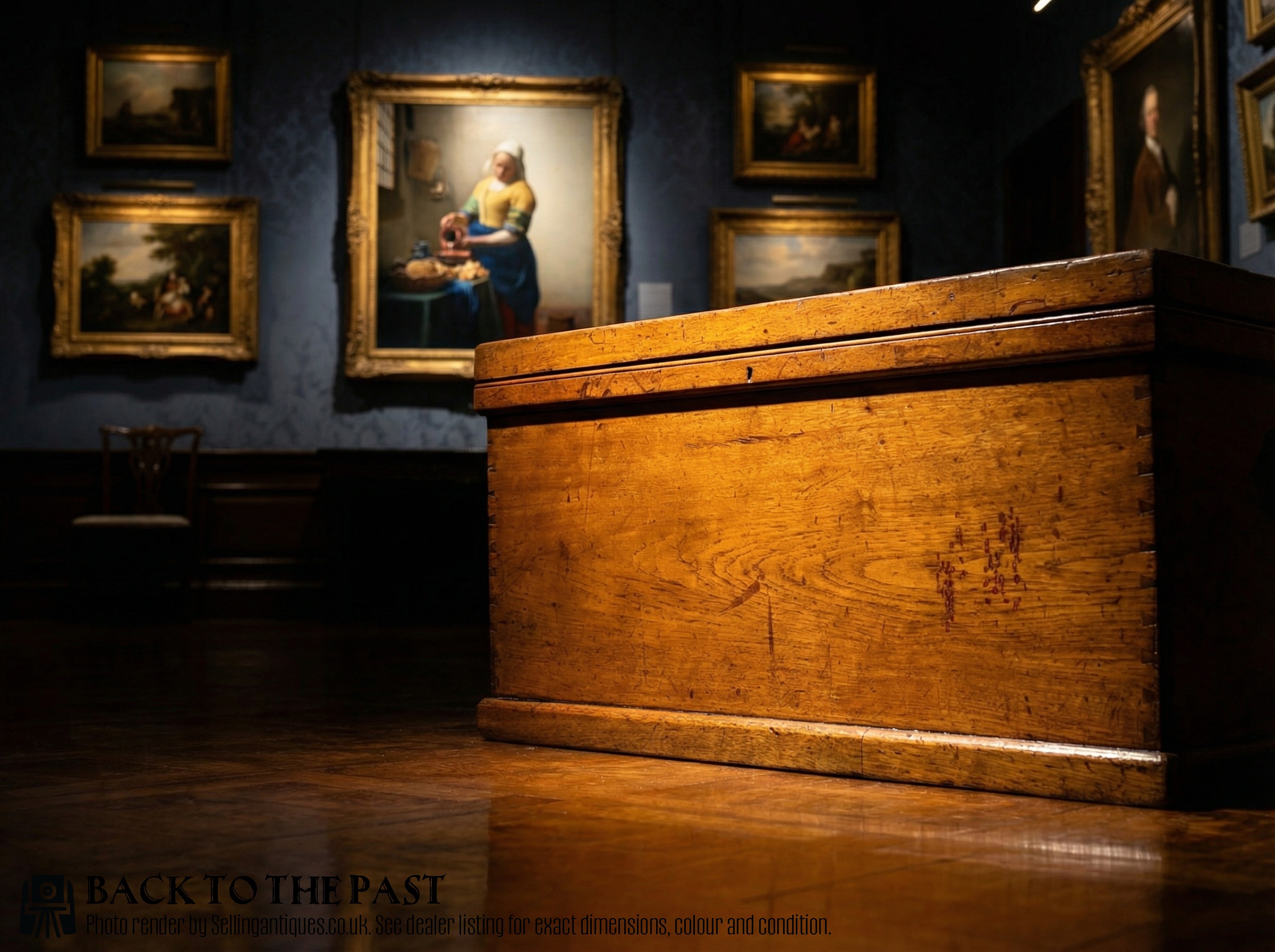
An antique coffer box serves as a heavy storage chest, blanket box, or travel trunk designed to hold domestic goods or valuables. The pieces found here span from seventeenth-century joined oak to nineteenth-century campaign trunks in camphor wood and pine.
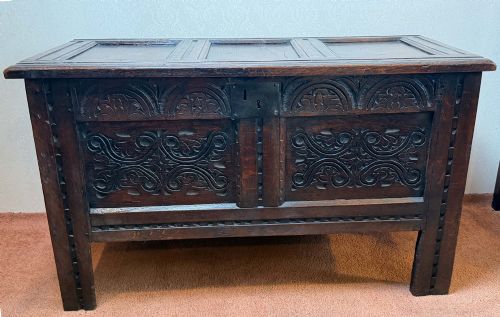
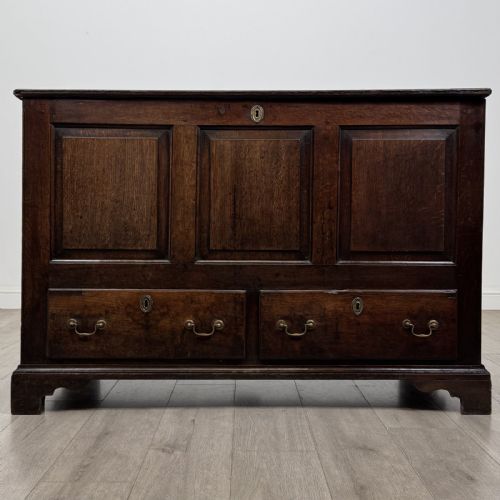
The most common examples on this page are sturdy oak coffers from the seventeenth and eighteenth centuries, often featuring panelled construction and carved fronts. Buyers also encounter vernacular elm and pine blanket boxes alongside brass-bound travel chests from the Regency and Victorian eras.
Materials and Construction
Makers relied on native timbers such as oak, elm, and pine, building joined and panelled frames that could withstand seasonal movement in unheated rooms. For travel trunks and colonial pieces, camphor wood and padouk were selected for their durability and resistance to insects.
Hardware played a structural role, utilising hand-beaten iron straps, brass corners, and studded leather to reinforce lids and corners against the rigours of transport. Joinery relied on pegged mortise and tenon joints rather than modern adhesives.
Antique Coffer Box Retail Price Guide 2026
Typical asking prices for coffer box among the pieces listed under this phrase on Sellingantiques today, from the lower quarter to the upper quarter. They describe what is for sale here now, not the wider market.
Listings demonstrate a broad span of materials, ranging from native British oak and elm to exotic camphor wood and padouk.
Evaluating Craft and Condition
Quality rests in the integrity of the original timber and the depth of the hand-carved detail, where crisply executed panels distinguish superior workshop output from simpler vernacular items. Alterations to lids, hinges, and feet significantly affect desirability.
The survival of original surface patination - waxed grain, untouched ironwork, and unstripped pine or oak - separates pieces retained in domestic service from those heavily restored or stripped down in later periods.
Samuel Pratt·Susse Freres Paris
The Antique Coffer Box Glossary
- Coffer
- A heavy wooden chest traditionally used for storing valuables or dry goods. Early versions featured robust boarded or framed-panel construction.
- Campaign trunk
- A portable chest made in sections or fitted with brass mounts and drop handles for military officers on travel. These often utilise exotic woods like camphor.
- Mule chest
- A storage chest featuring one or more drawers beneath the main lift-top compartment. They bridge the evolution between the simple box and the chest of drawers.
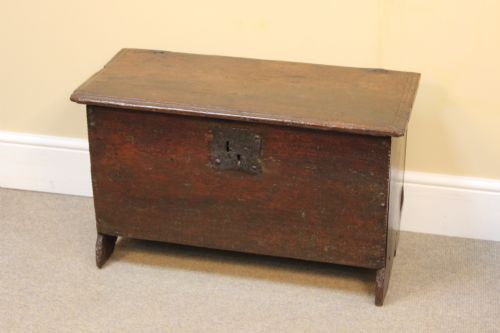
- Six-plank
- A primitive box construction method formed of six individual boards joined at the edges. This technique represents an early form of vernacular chest making.
- Panelling
- Framework assembled with stiles and rails enclosing thinner floating panels to accommodate wood shrinkage. It defines seventeenth- and eighteenth-century joined furniture.
Antique Coffer Box: Frequently Asked Questions
What were antique coffer boxes originally used for?
These heavy chests served primarily to secure household valuables, linen, and dry goods in domestic settings. In earlier centuries, valuables were locked away because furniture was scarce and mobile.
Over time, their role shifted towards domestic storage for blankets and bedding in country houses and farmhouses alike.
How do I tell a seventeenth-century coffer from a later revival piece?
Early pieces display hand-tooled tool marks, pegged joinery, and timber that has oxidised naturally over centuries. Ironwork and hinges are typically hand-forged rather than machine-cut.
Revival pieces from the nineteenth century often use standardised screws, machine-sawn timber, and mechanical distressing that lacks genuine wear.
Can I use an antique coffer as a coffee table?
Their sturdy flat lids and generous proportions make them suitable for use as low tables in living spaces. The internal storage provides a practical place to stow books or living room clutter.
Ensure the antique hinges and lid structure can bear occasional weight without straining the historic joints.
Why do some campaign trunks smell strongly of camphor?
Camphor wood was deliberately chosen by makers for colonial and military trunks because its natural aromatic oils repel moths and insects. This enduring scent is a characteristic feature of chests originating from trade routes in the East.
The fragrance gradually softens with time and exposure to fresh air after the trunk is opened.