
Vintage Wooden Chest
A vintage wooden chest offers practical storage with enduring character, spanning centuries of craftsmanship in oak, pine and mahogany.
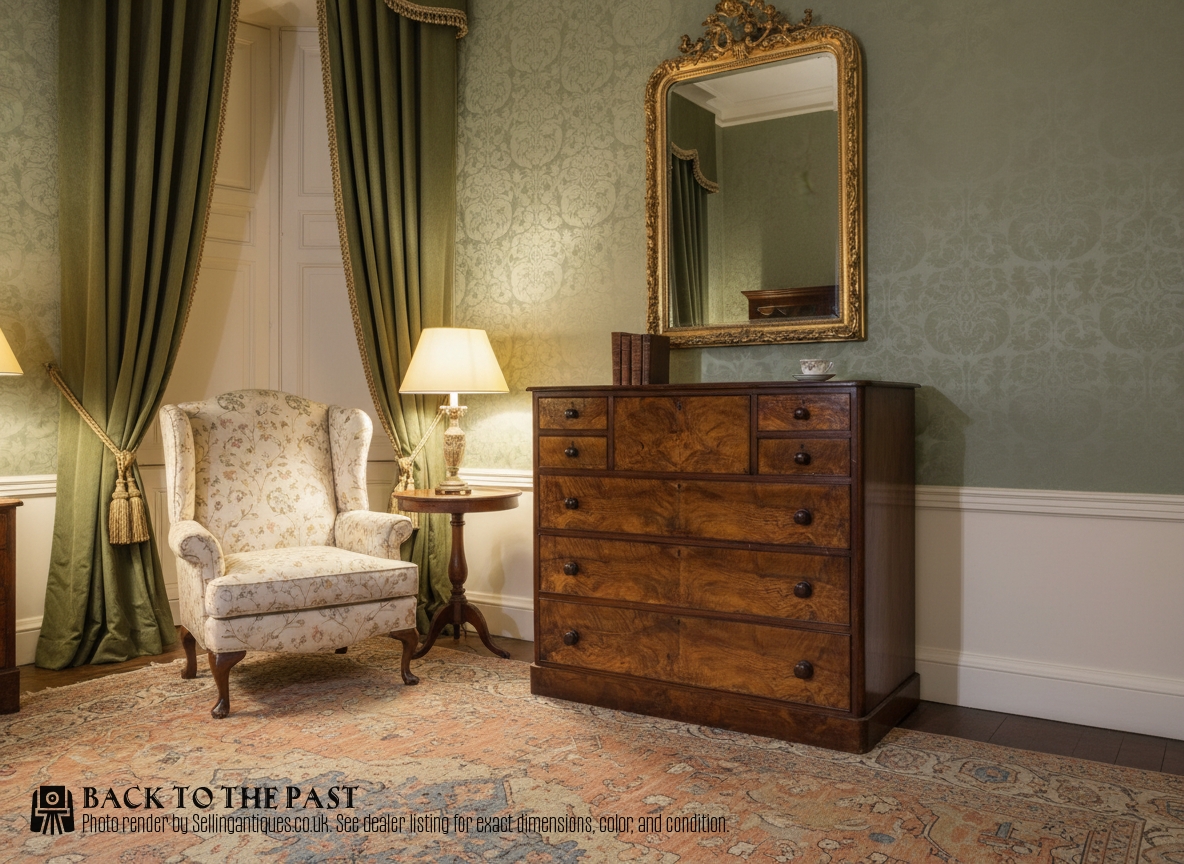
Vintage Wooden Chest
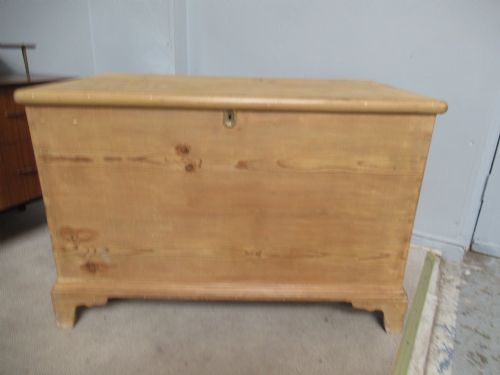
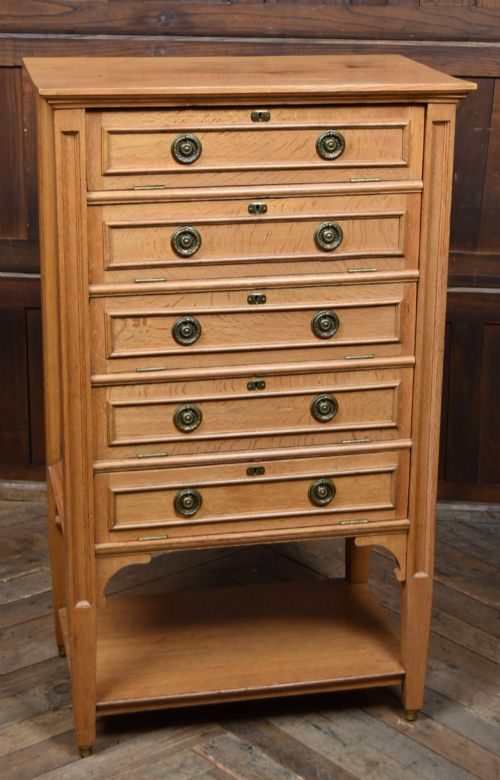
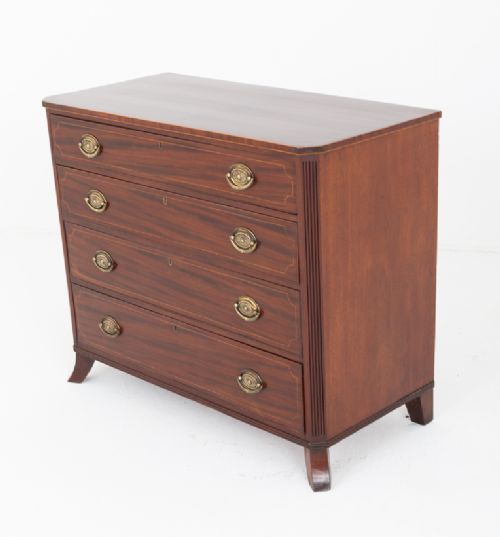
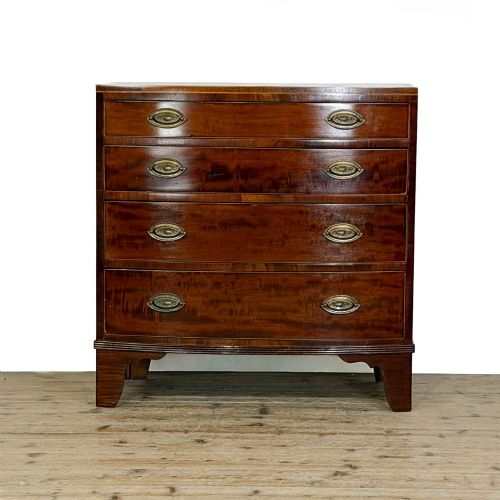
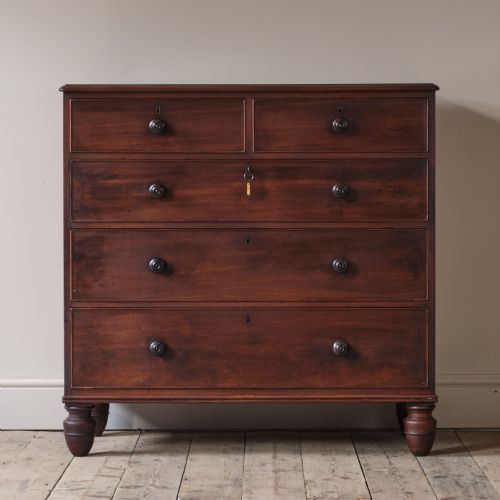
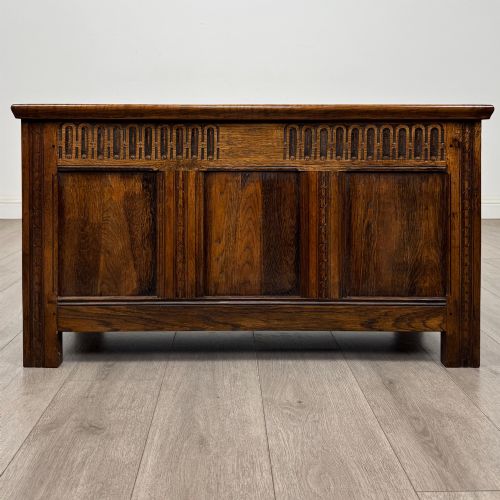
A vintage wooden chest serves as a versatile storage vessel, appearing across multiple eras from the eighteenth century through the twentieth century. These pieces encompass utilitarian blanket boxes, robust oak coffers, and refined mahogany drawer chests designed for domestic storage.
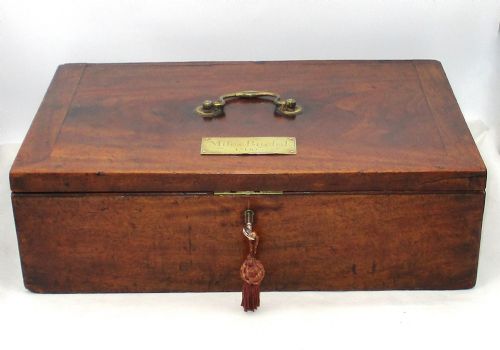
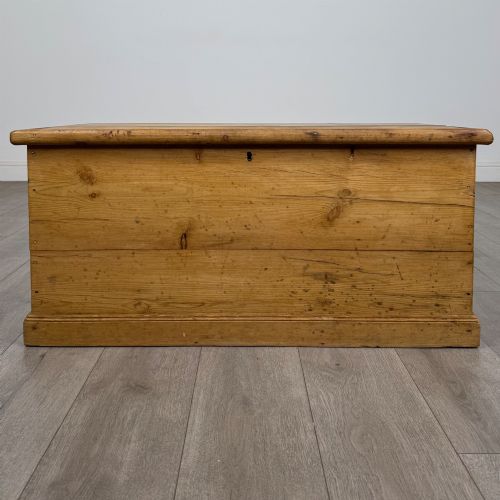
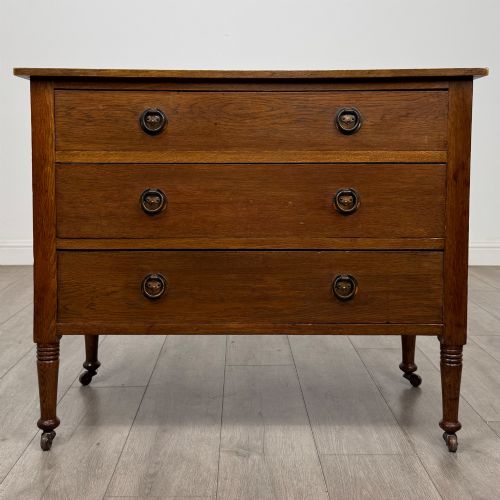
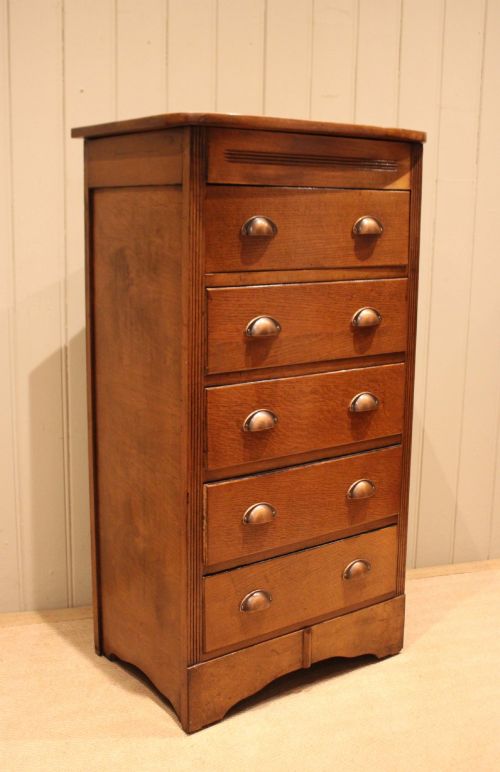
The most common examples on this page are nineteenth-century pine blanket boxes and oak chests of drawers from the Edwardian period. Buyers also encounter specialised forms such as campaign trunks, document boxes, and walnut commodes.
Origins stretch from regional English workshops to continental Europe, utilising timbers native to each period. Every form reflects the domestic requirements of its era, balancing utility with decorative presence.
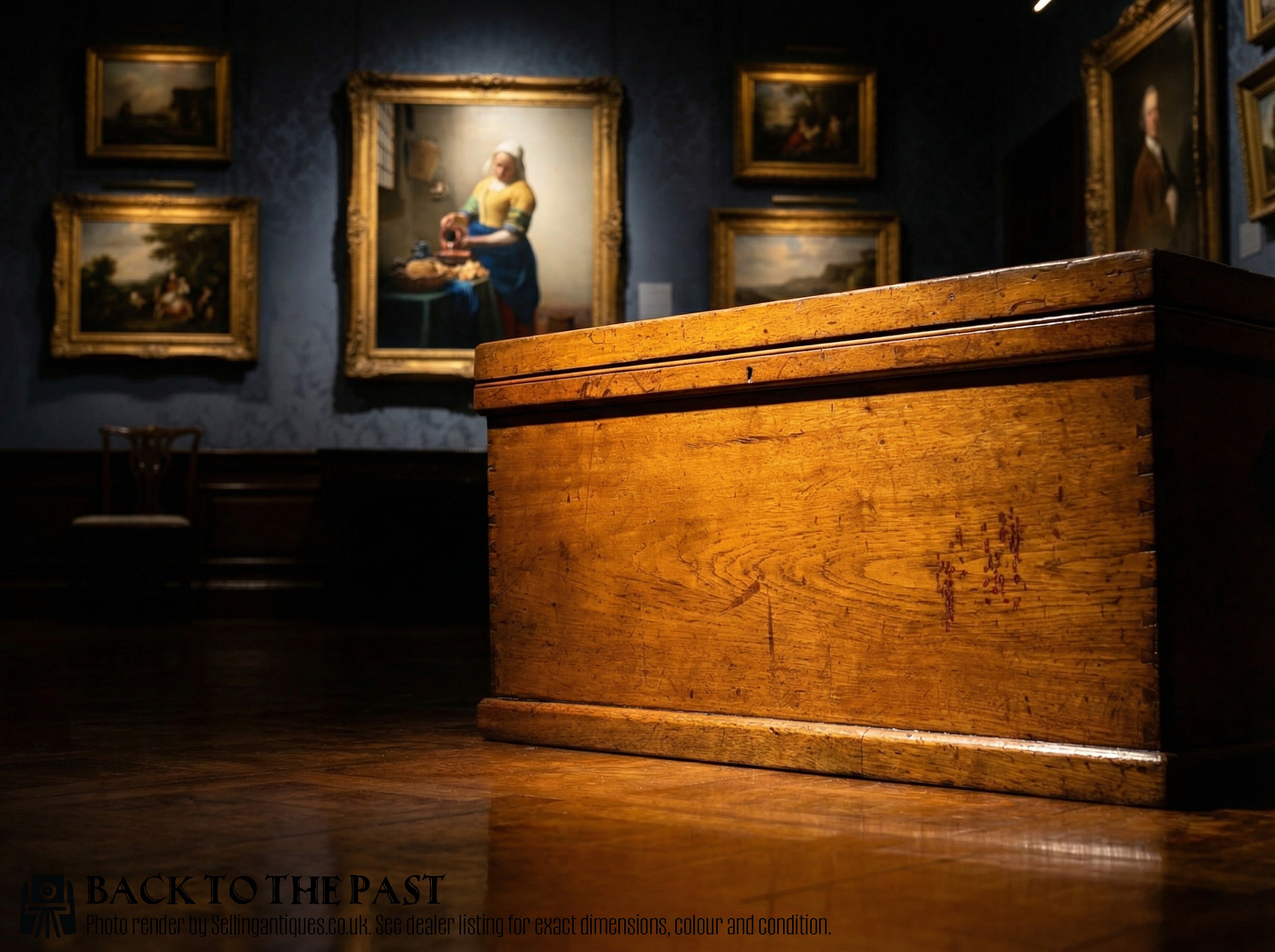
Materials and construction methods
Makers utilised a range of primary timbers including solid oak, figured mahogany, walnut, and pine, frequently supplemented by flame mahogany and burr walnut veneers. Structural integrity relied on traditional joinery techniques suited to the particular wood and form.
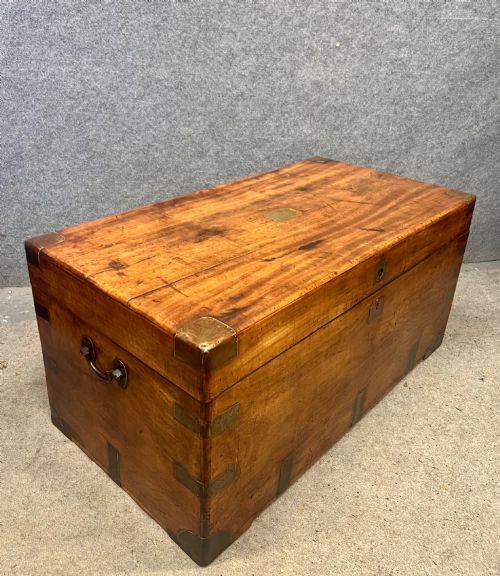
Metal hardware such as brass handles, iron hinges, and brass binding reinforced corners and lids on travel pieces and heavy coffers. Surface finishes were achieved through polishing, waxing, or leaving pine stripped and untreated.
Vintage Wooden Chest Retail Price Guide 2026
Typical asking prices for vintage wooden chest among the pieces listed under this phrase on Sellingantiques today, from the lower quarter to the upper quarter. They describe what is for sale here now, not the wider market.
Camphor wood chests brought back by travellers retain their distinct medicinal aroma after more than a century.
Distinguishing quality and execution
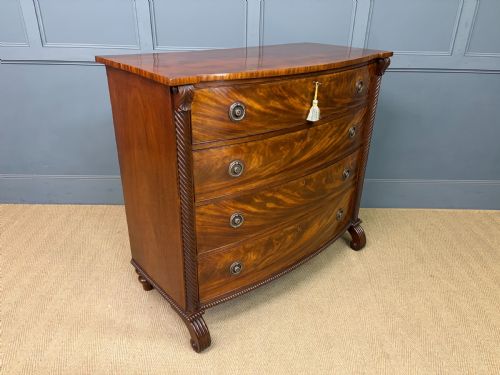
Quality rests in the selection of timber figures, such as crossbanded burr walnut or flame mahogany, paired with precise cabinetmaking. Superior pieces maintain original hardware, well-fitted drawers, and stable structural carcases without excessive timber replacement.
Simpler vernacular items like pine blanket boxes or stripped trunks are judged by the honesty of their construction and the depth of surface patina. Finer formal chests demonstrate refined proportions, such as serpentine fronts or bow-front profiles.

T & G Seddon
The Vintage Wooden Chest Glossary
- Coffer
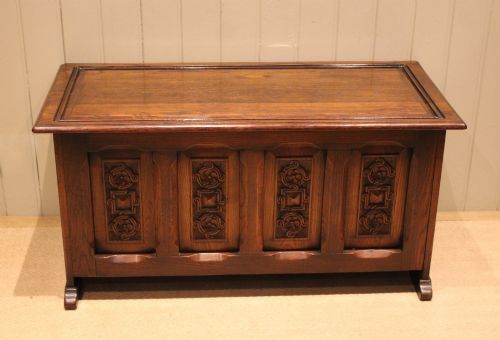
- A heavy wooden storage chest, often constructed from solid oak and utilised for domestic linens or valuables. These boxes represent some of the earliest forms of household furniture.
- Commode
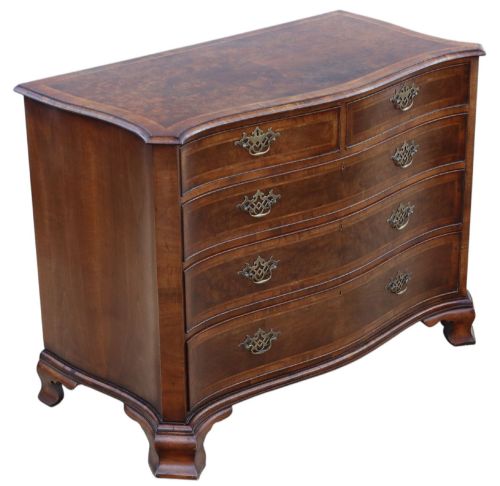
- A low decorative chest of drawers or cabinet, frequently featuring serpentine fronts and fine veneers. The form gained prominence during the eighteenth and nineteenth centuries.
- Campaign chest
- A modular storage chest designed for military travel, typically constructed in sections with brass corners and recessed carrying handles. Mahogany was the preferred timber for durability on expeditions.
- Tantalus
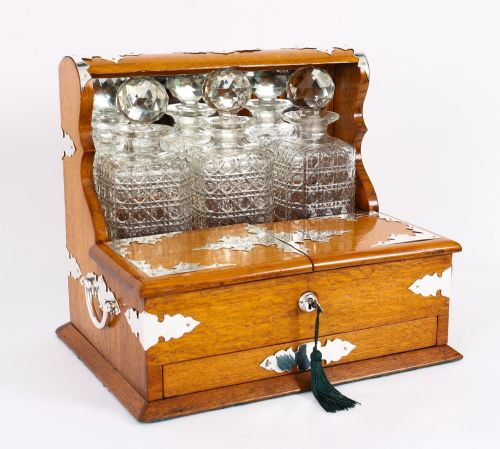
- A locking beverage cabinet that secures decanters while displaying their contents through a wooden framework. These items often incorporate games compendiums in Victorian and Edwardian examples.
- Brushing slide
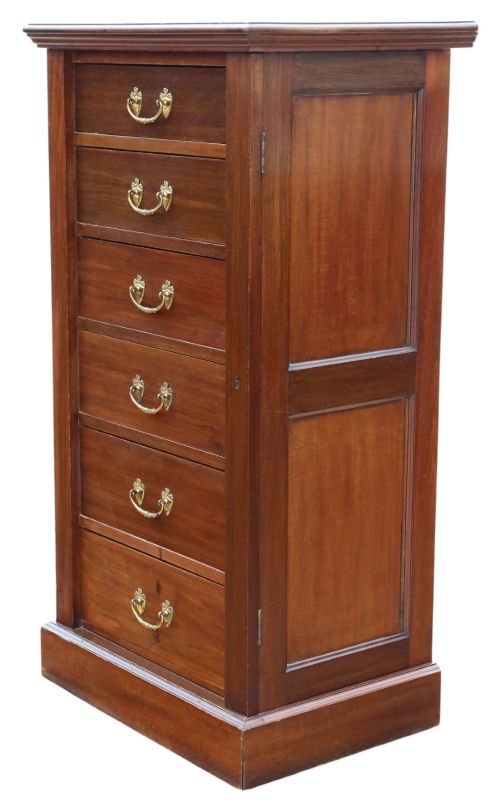
- A pull-out shelf integrated into the upper section of a chest of drawers, traditionally used for folding clothes or writing. This feature is frequently found on Georgian mahogany pieces.
Vintage Wooden Chest: Frequently Asked Questions
What is the difference between a coffer and a chest of drawers?
A coffer is a large storage box accessed from a hinged lid at the top, typically associated with earlier periods and solid oak construction. It is designed for bulky items like blankets and textiles.
A chest of drawers incorporates horizontal sliding compartments stacked vertically, allowing organised access to smaller garments. This form developed later as domestic interiors required more compartmentalized storage.
How do I care for a vintage wooden chest?
Keep wooden furniture away from direct heat sources and dramatic humidity fluctuations to prevent the timber from splitting or warping. Apply a microcrystalline wax periodically to nourish the surface and protect the finish.
Avoid using modern silicone sprays or harsh chemical cleaners, as these can degrade antique polishes. Gentle dusting with a dry, soft cloth is sufficient for routine maintenance.
How can I tell a Georgian chest from a Victorian one?
Georgian chests, particularly those from the George III period, often feature rich mahogany timbers, understated bracket feet, and precise dovetailing. Their proportions tend to be architectural and restrained.
Victorian chests frequently utilise pine or walnut, sometimes displaying heavier proportions, turned feet, and applied mouldings. The introduction of mass production techniques in the nineteenth century also altered internal drawer construction.
Where were campaign chests used?
Campaign chests were built for British military officers and colonial administrators on active service abroad. Their modular design allowed heavy luggage to be packed into manageable sections for transport on animals or ships.
Sturdy brass corners and flush handles protected the edges from impacts during frequent travel. These practical adaptations give campaign furniture its distinct utilitarian aesthetic.