


Traditional Timber Drawers
Traditional timber drawers bring centuries of cabinet-making skill into a room, offering practical storage disguised in rich mahogany, walnut, and rosewood.
What traditional timber drawers are
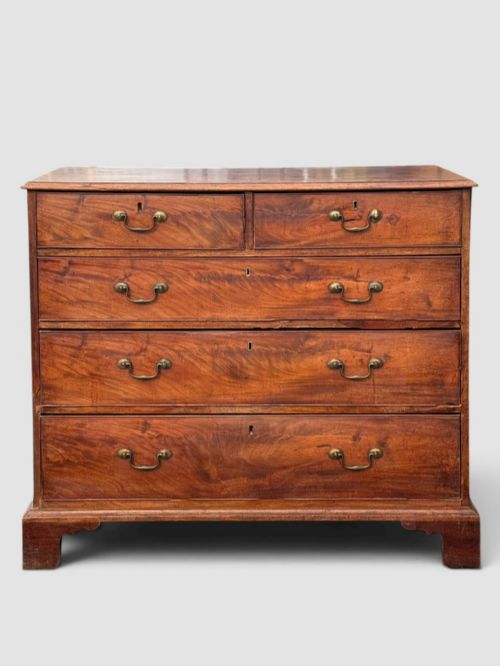
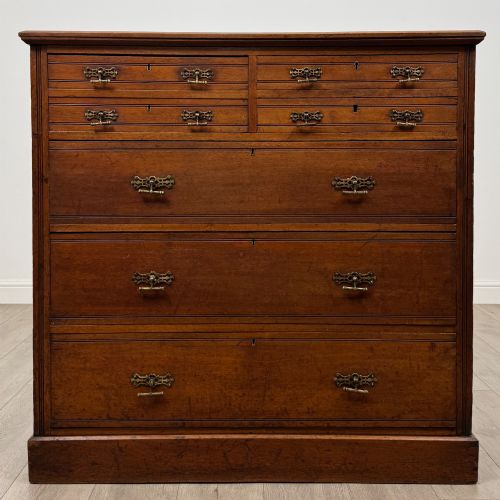
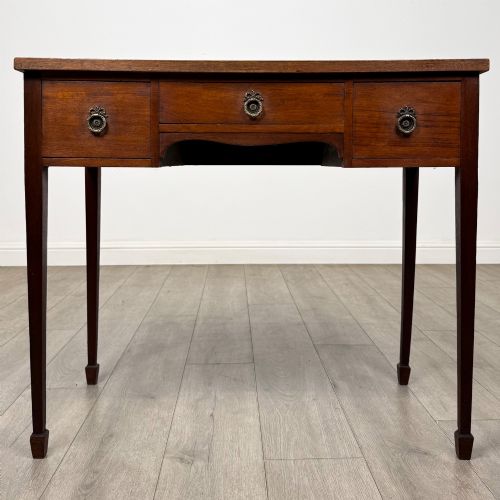
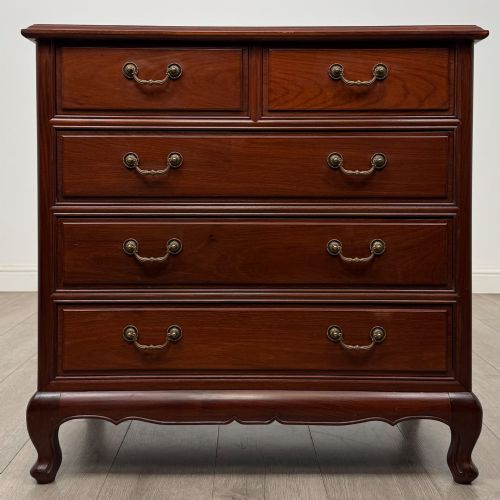
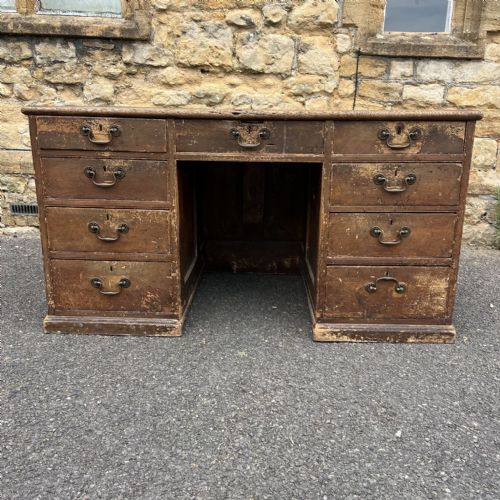
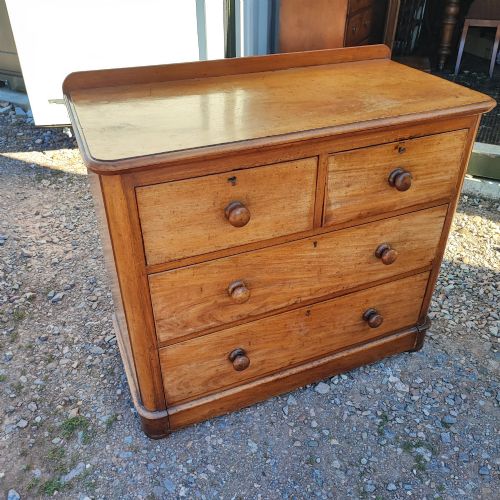
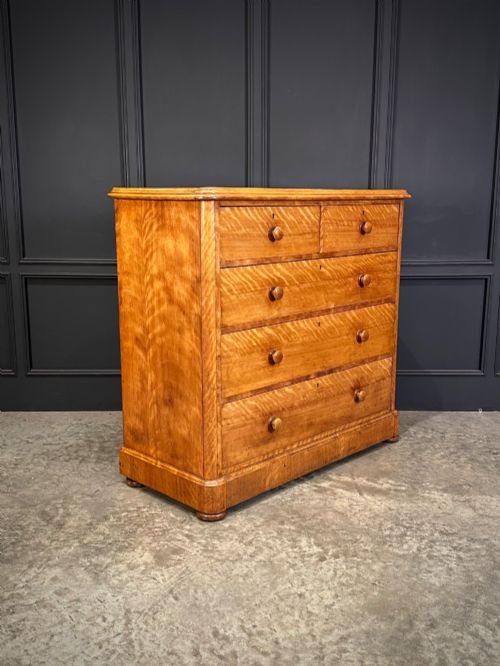
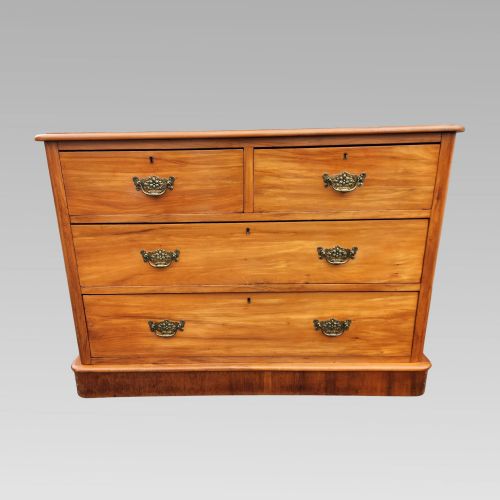
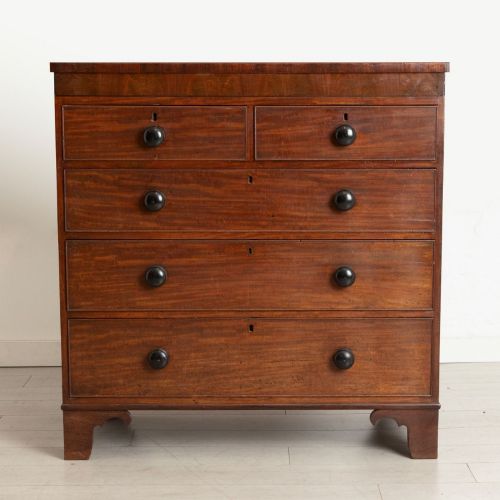
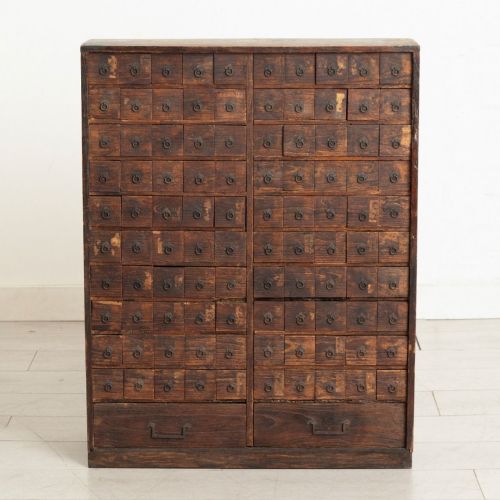
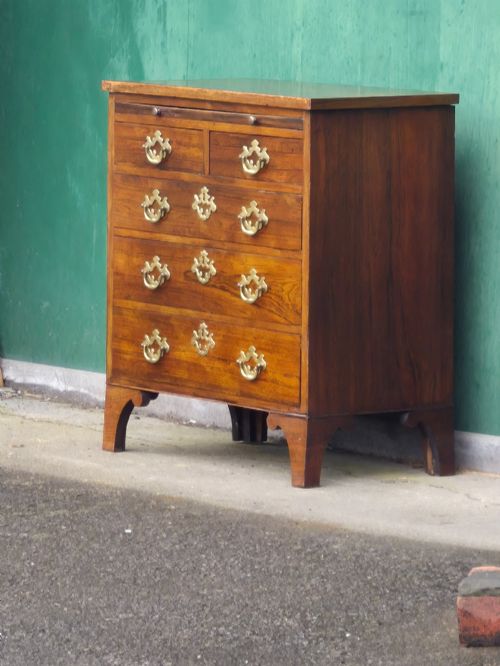
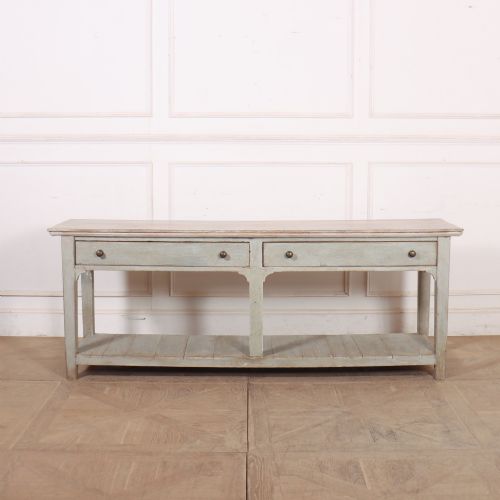
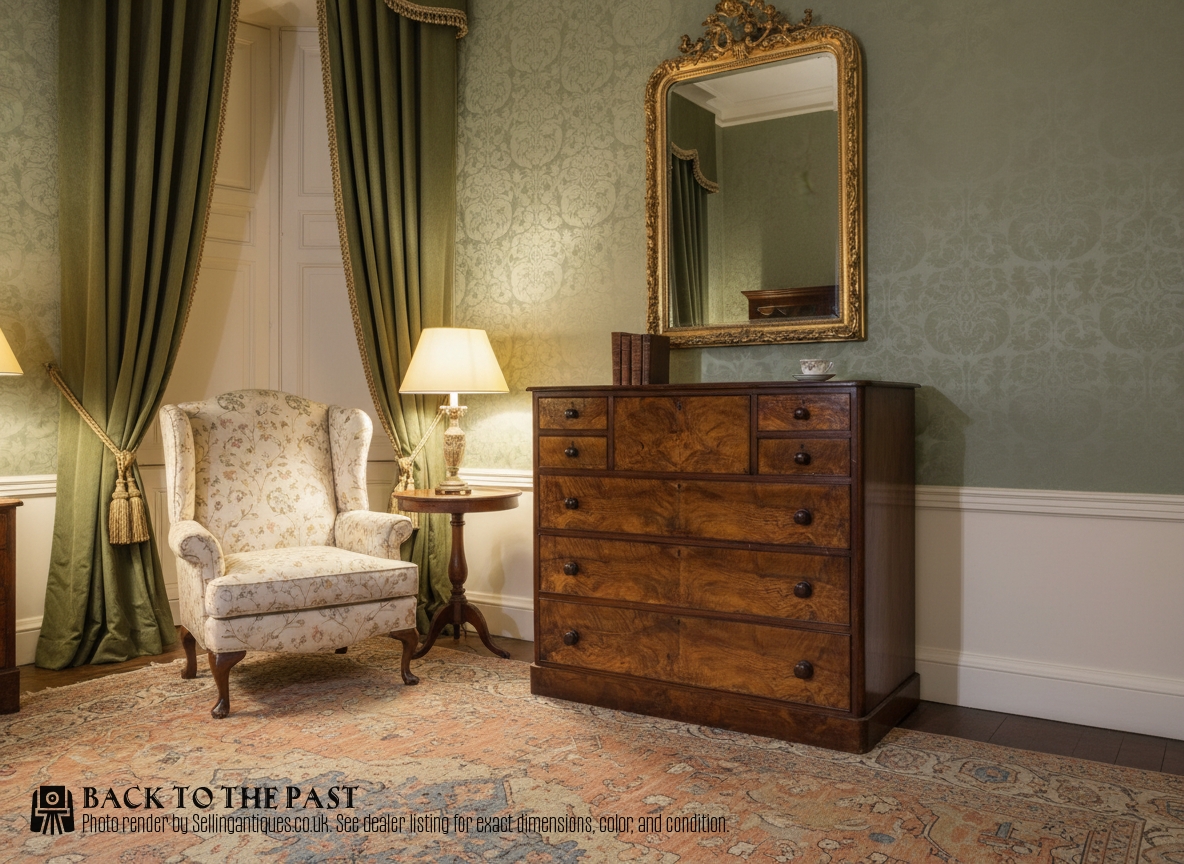
Traditional timber drawers span several distinct periods, with Victorian and 18th-century examples forming the core of what is available here. A buyer searching for traditional timber drawers encounters pieces primarily configured as chests of drawers, ranging from small proportions to substantial case furniture.
The styles represented across these listings include Victorian, Georgian, Georgian Revival, Edwardian, Early Georgian, and William and Mary. These designations define the aesthetic approach and proportions of each piece, reflecting the prevailing taste of its era of construction.
Origins and construction dates stretch from the William and Mary period through the Georgian era and into the Edwardian period and nineteen-ten. Buyers most frequently meet Victorian and nineteenth-century pieces alongside older eighteenth-century examples.
How they were made
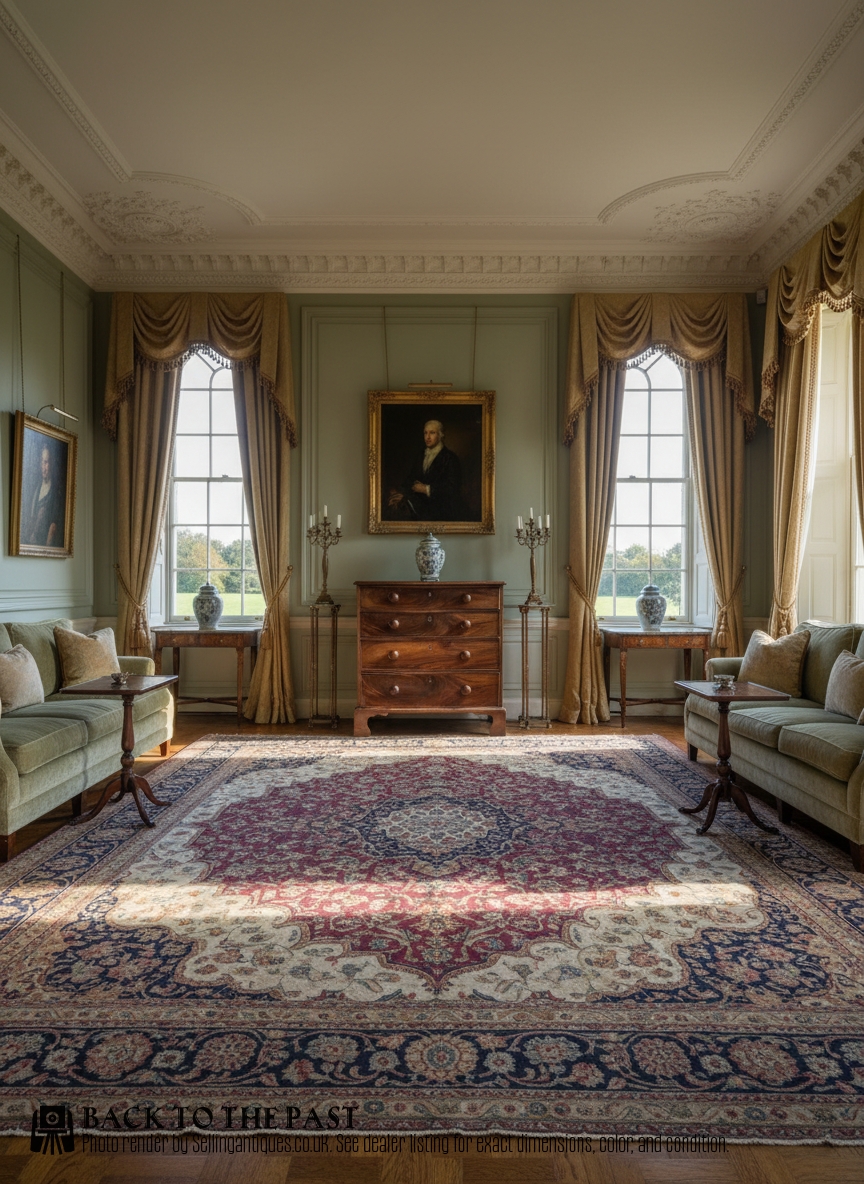
Brass hardware completes the construction, providing handles and escutcheons that complement the dark or figured grain of the primary woods. The combination of dense hardwoods and traditional joinery creates robust furniture designed to withstand generations of daily use.
Retail Price Guide 2026
Typical UK retail prices for traditional timber drawers, calculated from the Sellingantiques database of over a million retail prices indexed since 2003. This retail price guide relies exclusively on Sellingantiques data; no external sources or auction records are used, so the figures do not describe the wider market.
The listings on this page span five distinct timber varieties, with mahogany and walnut appearing most frequently alongside exotic woods like satinwood and rosewood.
What varies in quality
Quality rests significantly on the choice of timber and the sophistication of its figuring, moving from plain pine or fruitwood carcases to highly decorative burr walnut, satinwood, and figured mahogany. The presence of specialised techniques like marquetry elevates a piece further up the hierarchy of craftsmanship.
The integrity of the hardware also marks out superior examples, with original brass handles and fittings representing a higher tier than later replacements. Finer pieces demonstrate restraint and proportion, particularly in smaller-scale formats designed for intimate spaces.
The Traditional Timber Drawers Glossary
- Carcase
- The main body or framework of a chest of drawers, minus the drawers themselves. This structural shell is typically constructed from secondary woods like pine before being veneered or faced in finer timbers.
- Escutcheon
- A protective plate surrounding the keyhole of a drawer. In traditional pieces, these are frequently cast from brass to match the handles.
- Marquetry
- The art of applying pieces of veneer to a structure to form decorative patterns and pictures. Eighteenth-century pieces occasionally utilise this technique to display floral or geometric designs.
- Veneer
- A thin slice of figured wood applied over a more stable secondary timber. This method allows makers to display striking grains like burr walnut without risking the warping inherent in solid boards.
Frequently Asked Questions
How do I date a timber chest?
Dating relies on observing the combination of timber species, hardware style, and construction methods. Pieces from the eighteenth century often display different carcass proportions compared to later Victorian or Edwardian examples.
Examining the secondary woods inside the drawers and the style of the brass handles helps narrow down the decade of manufacture. Comparing these elements against known period styles provides a reliable timeline.
Are these drawers suitable for daily use?
These pieces were built as functional storage furniture and continue to serve that purpose in modern homes. Solid timber construction and traditional drawer runners allow them to hold everyday items reliably.
Care should be taken to maintain stable humidity levels in the room to protect the antique wood and veneer. Gentle handling of original brass fittings ensures the hardware remains secure.
What is the difference between walnut and burr walnut?
Standard walnut offers a rich, straight grain with subtle figuring across large surfaces. It was widely used for cabinet-making throughout the eighteenth and nineteenth centuries.
Burr walnut comes from a growth deformity on the tree, producing a swirling, highly decorative pattern of knots and eyes. Cabinet-makers reserved this prized timber for the most prominent display surfaces on high-status chests.
How should I care for antique mahogany?
Antique mahogany benefits from minimal intervention, requiring only a soft, dry cloth for dusting. Avoid placing the furniture in direct sunlight or near heat sources to prevent the wood from drying out.
Occasional application of traditional beeswax feeds the timber and maintains its deep lustre. This simple maintenance preserves the natural ageing of the surface.