


Small Drawers
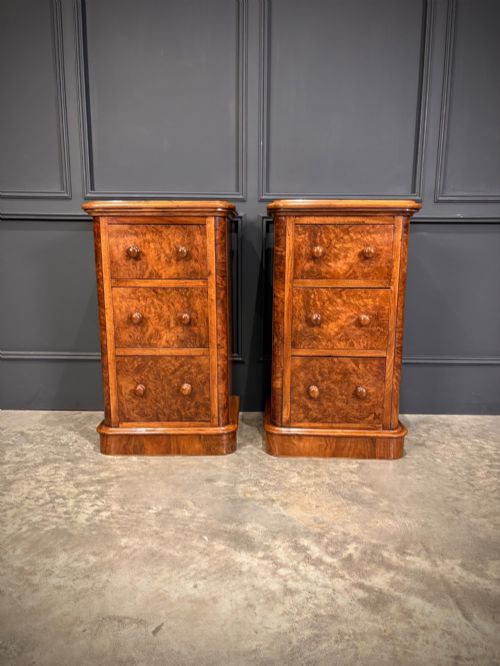
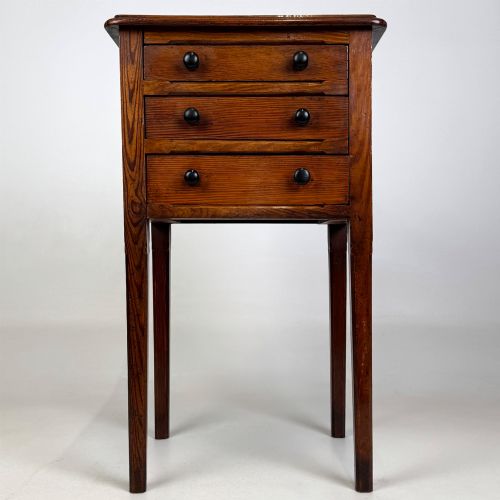
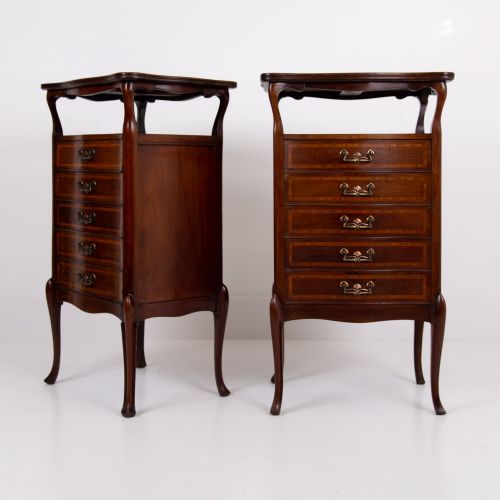
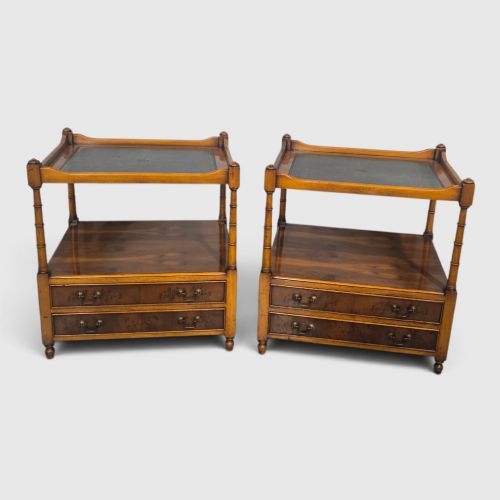
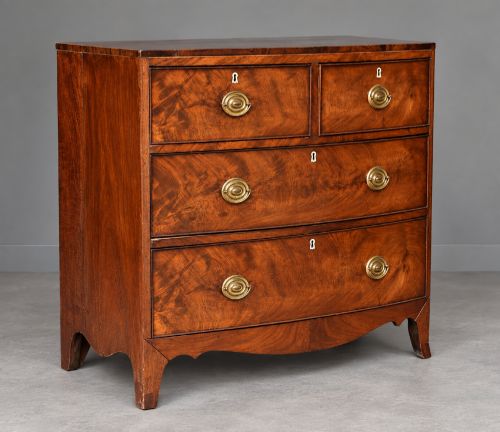
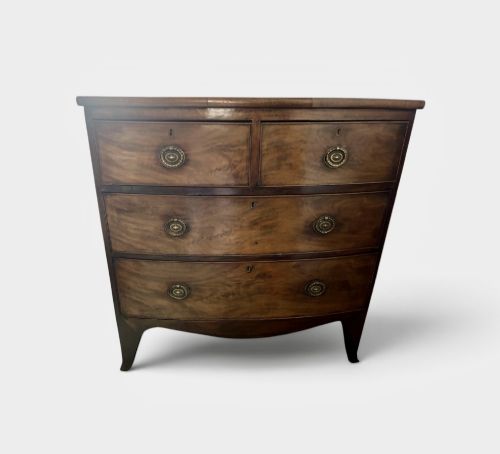
Small antique drawers offer compact storage and period character, bringing traditional craftsmanship into modern spaces.
Small antique drawers
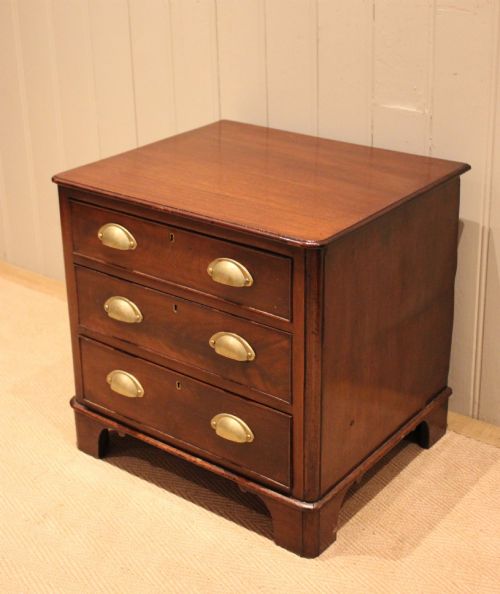
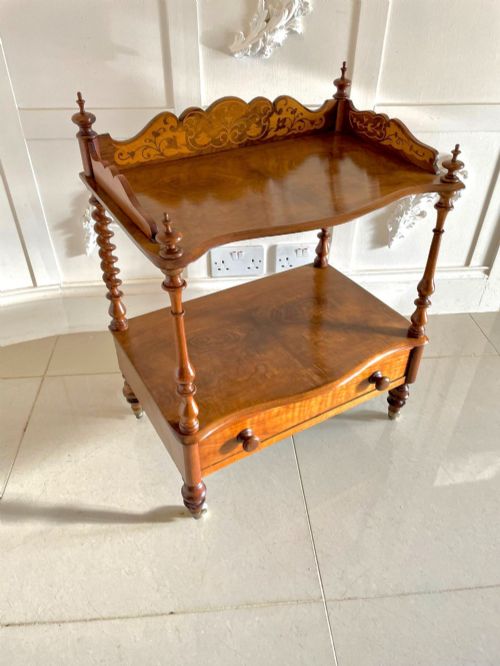
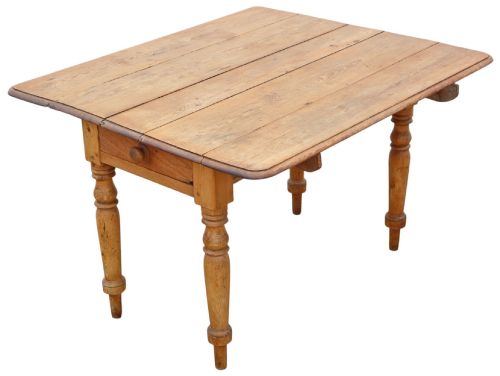
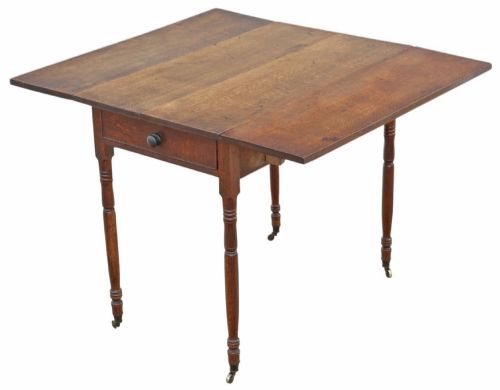
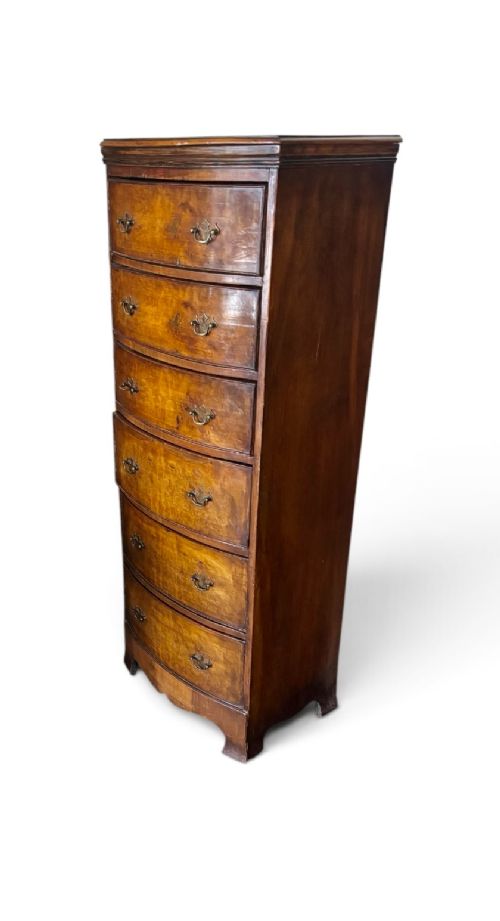
Small antique drawers encompass chests of drawers and miniature furniture created during the Georgian, 18th century, 19th century, and 20th century periods. These pieces serve practical storage needs while occupying minimal floor space in domestic interiors.
The selection ranges from bowfront chests and bachelors chests to bedside chests and campaign style pieces. Pine, mahogany, oak, walnut, fruitwood, and yew wood appear frequently across the surviving examples.
Miniature furniture and chest of drawers forms demonstrate the same cabinetmaking standards as full sized furniture. Buyers encounter George II styles alongside Georgian designs and Victorian proportions.
Construction and Materials
Cabinetmakers utilised solid timbers including mahogany, pine, oak, walnut, fruitwood, and yew wood for carcases and drawer construction. Crossbanding and brass fittings such as handles and escutcheons add decorative detail to selected pieces.
Surfaces receive finishes such as wax polish to protect the timber and highlight natural grain patterns. Metal components secure drawers and provide operational hardware for daily use.
Retail Price Guide 2026
Typical UK retail prices for small drawers, calculated from the Sellingantiques database of over a million retail prices indexed since 2003. This retail price guide relies exclusively on Sellingantiques data; no external sources or auction records are used, so the figures do not describe the wider market.
Judging Quality
Fine cabinetmaking shows in precise drawer construction, smooth operation of sliding elements, and original brass hardware. Lesser examples rely on simpler pine construction and utilitarian finishes.
The Small Drawers Glossary
- Bowfront
- A curved front facade curving outward at the centre. This design softens the profile of chest of drawers forms.
- Brushing slide
- A pull out shelf mounted above the top drawers used for writing or folding clothes. It retracts flush when not in use.
- Crossbanding
- A decorative border of veneer laid with the grain running perpendicular to the surrounding wood. It frames drawer fronts and tabletops.
- Campaign style
- Portable furniture built in sections with recessed brass hardware for military transport. These pieces dismantle easily for travel.
- Miniature furniture
- Small scale pieces made as apprentice masterpieces or cabinetmaker samples. They replicate full sized furniture with exact proportions.
Frequently Asked Questions
Where do I put small antique drawers?
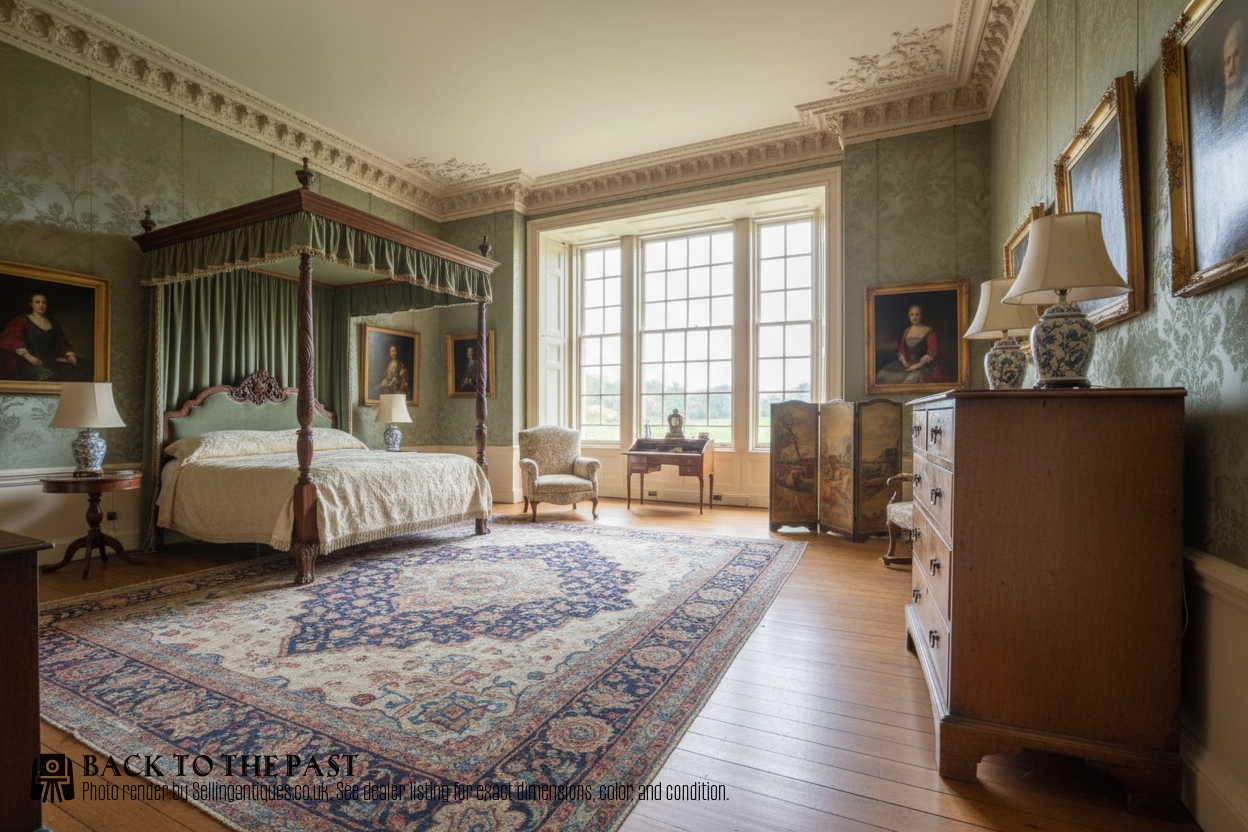
These compact pieces fit easily into hallways, bedrooms, and living rooms where floor space is limited. Their modest proportions allow them to function as bedside tables or accent storage.
They provide practical surface area and drawer space without dominating a room. Placing them away from direct heat sources protects the historic timber.
How do I clean waxed pine drawers?
Maintenance involves dusting with a soft cloth and applying a traditional beeswax polish periodically. Avoid modern silicone sprays that damage historic finishes.
Gentle care preserves the patina developed over centuries of use. Regular waxing nourishes the pine and maintains a natural sheen.
What is a bachelors chest?
A bachelors chest is a low chest of drawers featuring a pull out brushing slide for writing or sorting papers. Georgian cabinetmakers designed these multi functional pieces for compact urban living.
They combine surface workspace with deep drawer storage. The proportions remain smaller than standard bedroom chests.
How do I identify Georgian furniture?
Georgian furniture spans the 18th and early 19th centuries, marked by architectural proportions and quality timbers like mahogany and walnut. Look for hand cut dovetails and traditional joinery methods.
Stylistic influences shift from heavy walnut designs to refined neoclassical mahogany forms. Secondary woods like pine or oak appear inside drawer linings.