





Georgian Pine Chest
A georgian pine chest brings honest utility and vernacular character to a room, offering robust storage built from timber with deep historical patination.

Georgian Pine Chest
A georgian pine chest encompasses domestic storage forms including drawer chests, blanket boxes, mule chests, and coffers produced during the eighteenth and early nineteenth centuries. These utilitarian pieces originate from English, Welsh, Scandinavian, and continental workshops, reflecting regional building traditions.
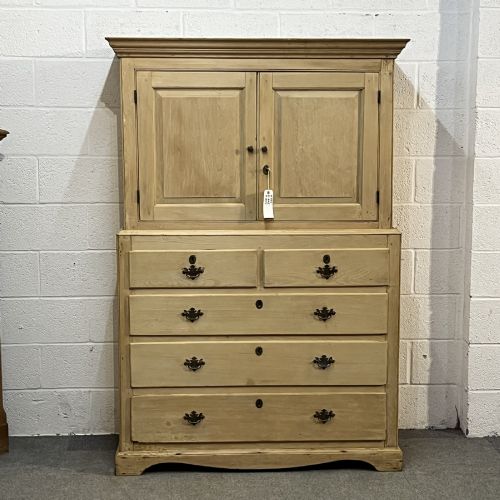
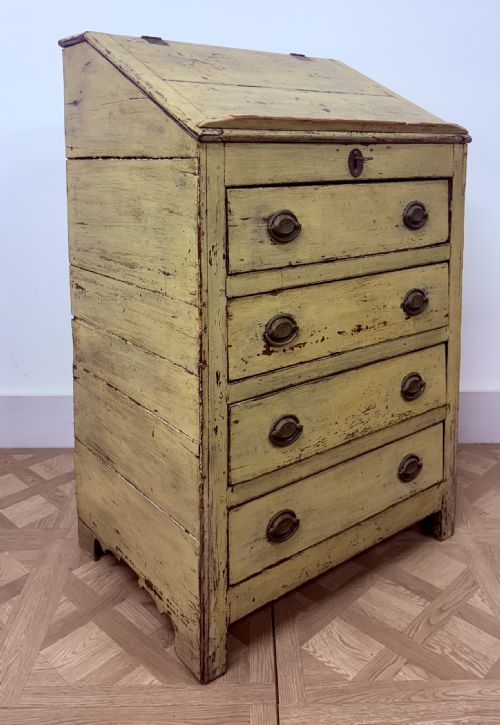
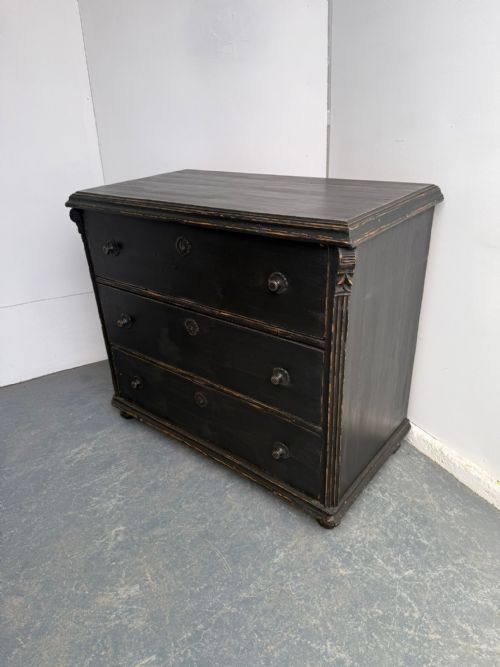
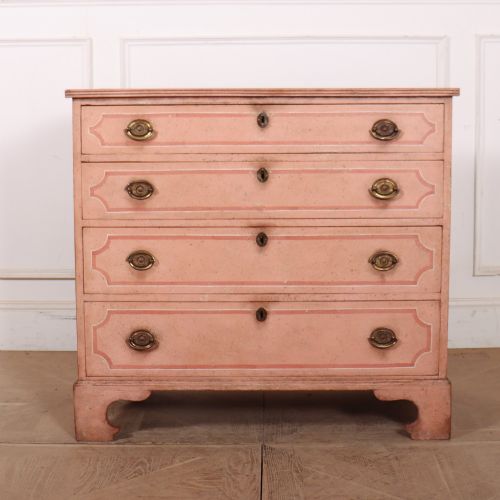
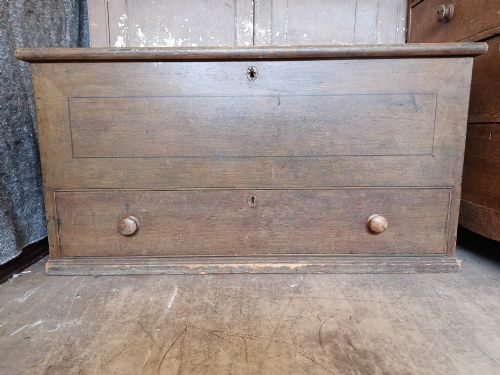
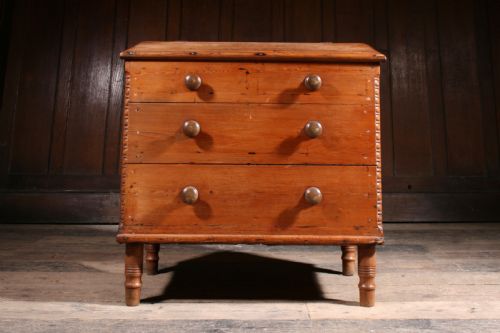
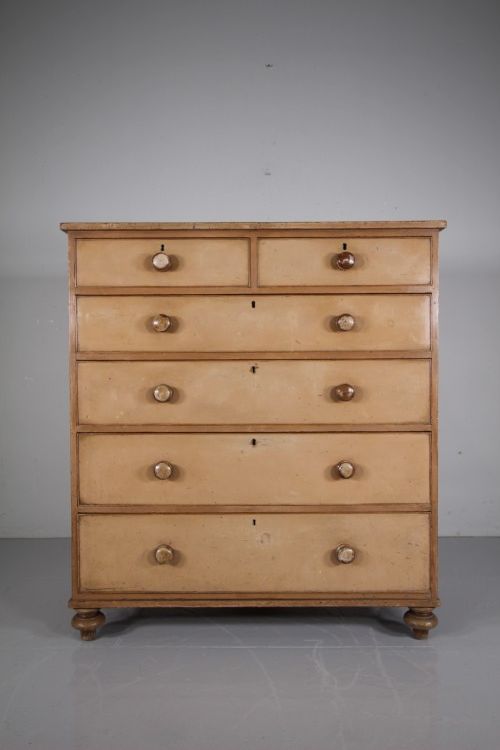
The version most commonly encountered on this page is the drawer chest or mule chest constructed from softwood pine. These pieces often display either a waxed natural finish or layers of original and historic paint.
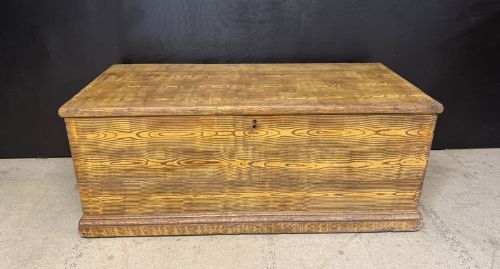
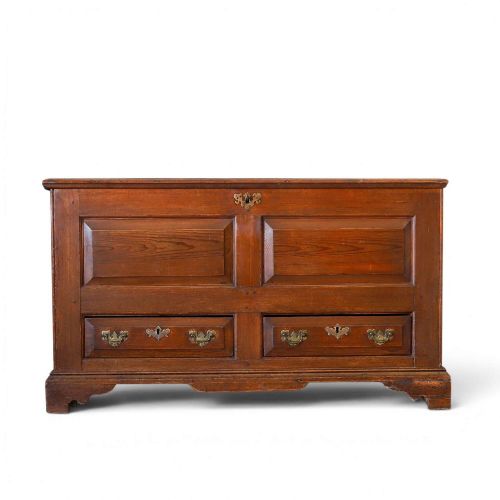
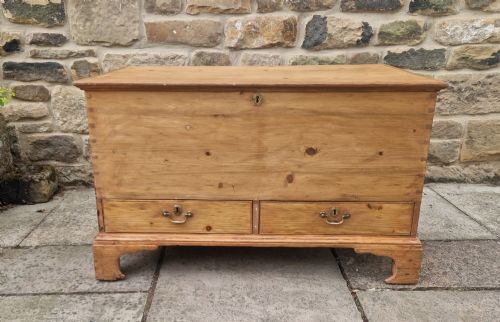
Mule chests combine a lidded box compartment above one or more storage drawers at the base. Simpler blanket boxes and blanket chests provide open interior space for textiles and domestic goods.

Materials and construction methods
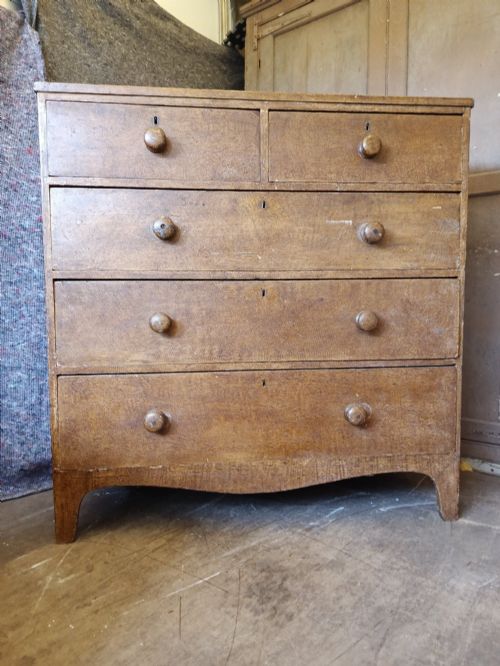
Makers utilised native and imported softwoods such as pine and Oregon pine, occasionally combining them with oak or iron hardware. Surfaces were treated with protective wax, applied paint, or scumble glazes to simulate more costly hardwoods.
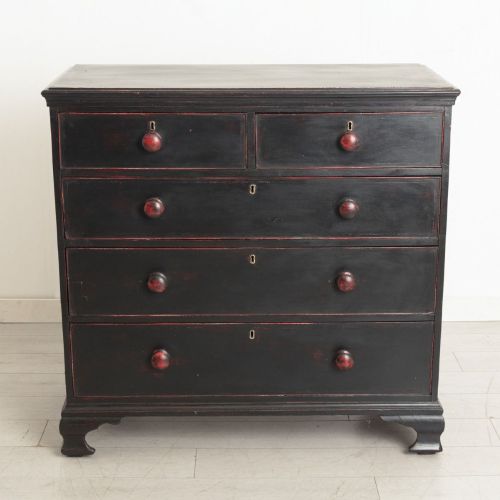
Joinery techniques relied on traditional hand-cut joints, pegged frames, and dovetailed drawer construction. Drawer configurations varied from simple two-drawer layouts to multi-drawer arrangements supported on bracket feet or plain bases.
Georgian Pine Chest Retail Price Guide 2026
Typical asking prices for georgian pine chest among the pieces listed under this phrase on Sellingantiques today, from the lower quarter to the upper quarter. They describe what is for sale here now, not the wider market.
Listings feature storage forms ranging from miniature chests of drawers to large housekeepers chests in pine, oak, and painted wood.
Evaluating quality and condition
Quality rests upon the originality of the surface finish and the integrity of the timber construction. Pieces retaining untouched early paint layers or deep historic wax patination stand apart from stripped or heavily restored examples.
Structural proportion and subtlety of detail distinguish finer examples. Well-proportioned bracket feet, original brass or iron pulls, and uncompromised drawer linings elevate a piece from basic utility to high provincial craft.
Gillows
The Georgian Pine Chest Glossary
- Mule chest
- A storage form featuring a hinged lid above one or more drawers at the base. This hybrid piece bridges the evolution from the traditional blanket box to the multi-drawer chest.
- Scumble paint
- A decorative surface technique involving translucent glaze manipulated over a base coat to imitate wood grain or create textured patterns. Country furniture makers often employed this finish to enhance plain pine.
- Bracket foot
- A structural support projecting from the lower corners of a case piece, shaped in an ogee or simple curve. These feet lift the chest off the floor and provide architectural balance.
- Cofer
- A heavy wooden storage chest or box used for transporting or securing valuables. These sturdy containers typically feature robust iron hinges and carrying handles.
Georgian Pine Chest: Frequently Asked Questions
What is a mule chest?
A mule chest is a traditional storage form that combines a hinged trunk compartment at the top with one or more operational drawers fitted beneath.
This hybrid design emerged as households required easier access to stored linens without lifting heavy items stacked inside top-opening boxes.
How do I care for waxed pine?
Waxed pine surfaces require occasional applications of quality beeswax to nourish the soft timber and maintain a protective barrier against moisture.
Avoid placing these chests near direct heat sources or in areas with high humidity to prevent the pine from warping or splitting.
Are painted chests original?
Many pine chests retain early or original painted finishes, ranging from solid historic colours to decorative scumble glazes applied to imitate finer woods.
Examining the wear patterns, pigment composition, and underlying timber helps determine whether the paint surface dates to the period of manufacture.
How are periods identified?
Periods are identified through construction traits, hardware styles, and regional woodworking methods characteristic of the eighteenth and nineteenth centuries.
Hand-cut dovetails, timber selection, and specific foot types like bracket supports provide clear indicators of date and origin.