

Pine Storage Box
A pine storage box delivers honest utility and vernacular charm, offering robust everyday organisation through time-tested craftsmanship.
What these pieces are
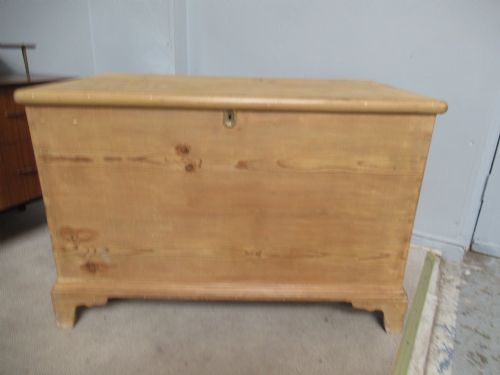
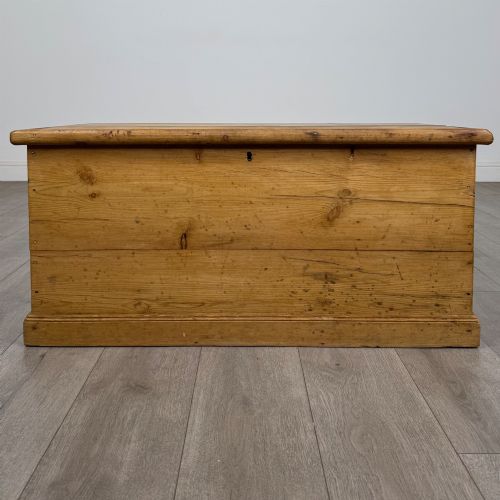
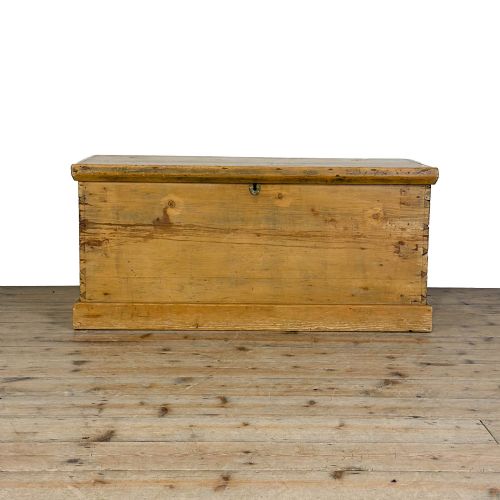
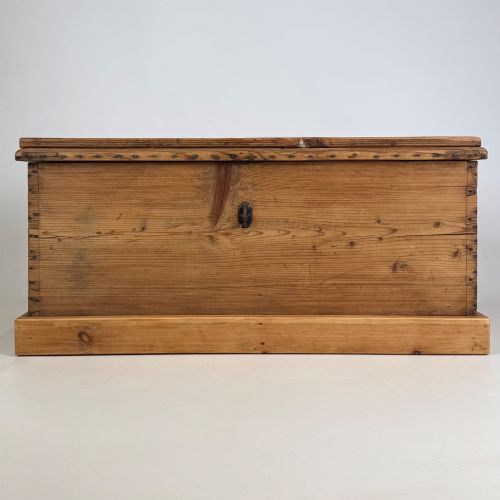
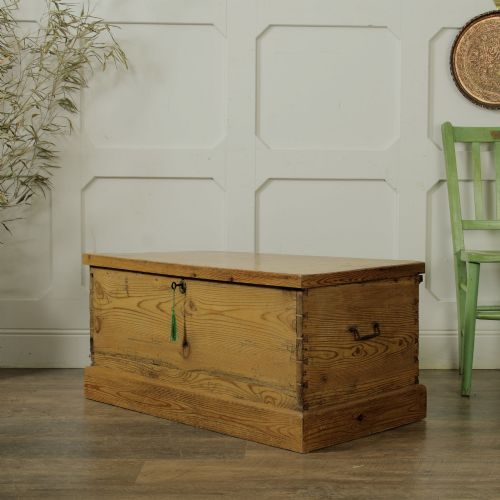
A pine storage box represents the practical side of historical domestic and military utility, appearing in forms such as blanket chests, mule chests, and ammunition cases. These utilitarian objects served households and travellers alike, providing secure containment for textiles, personal possessions, and equipment.
Most examples encountered on this page date from the Victorian period through to the early twentieth century. They encompass rustic country styles, folk art applications, and military utilitarian designs reflecting their original functional contexts.
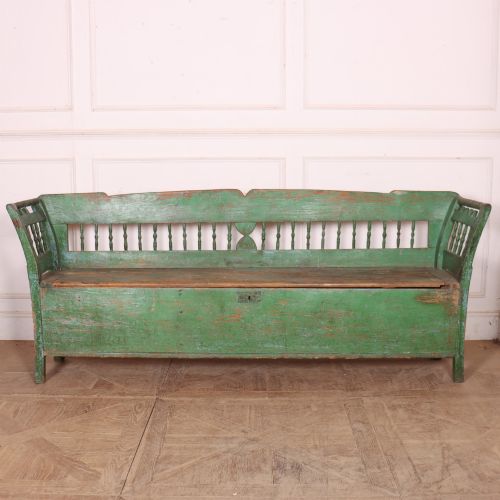
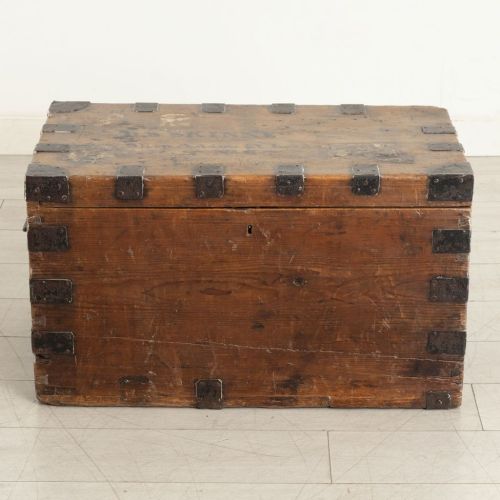
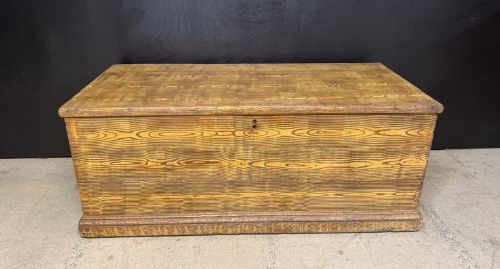
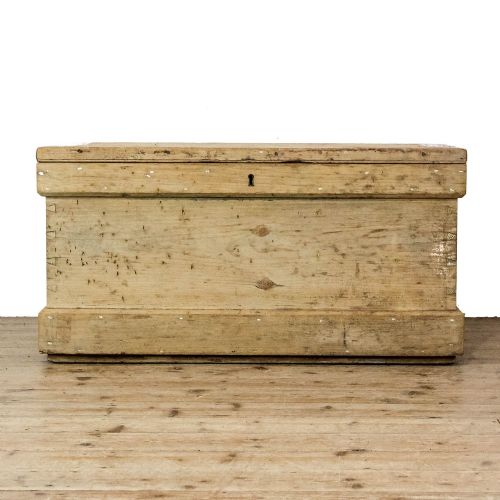
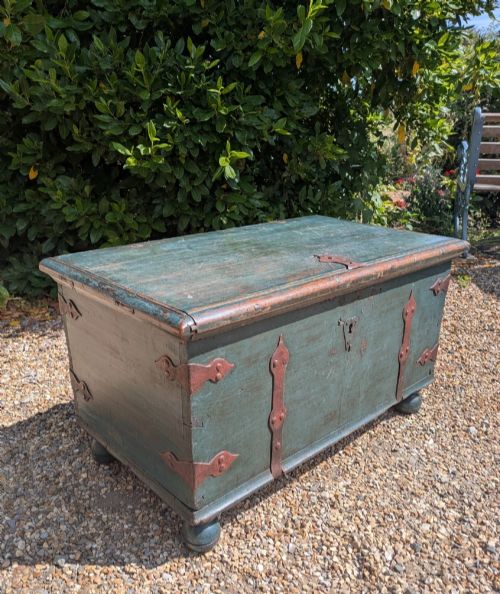
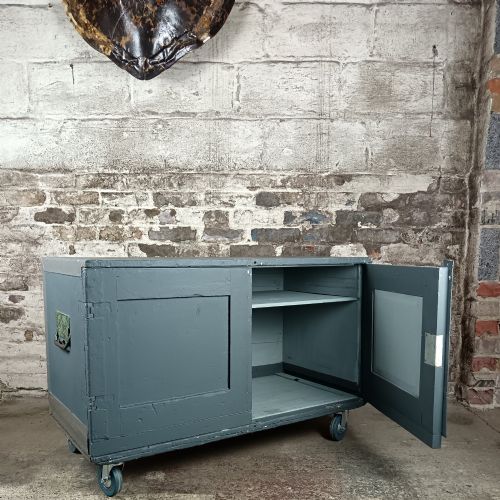
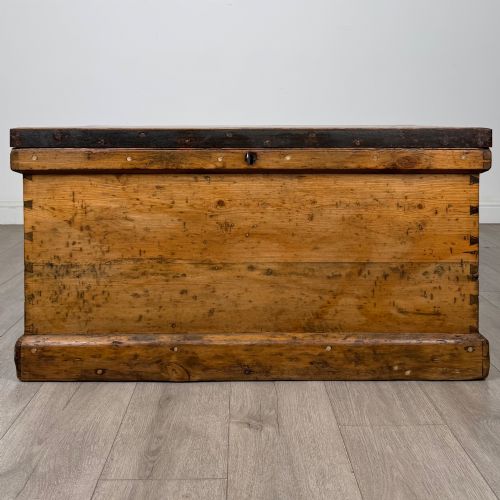
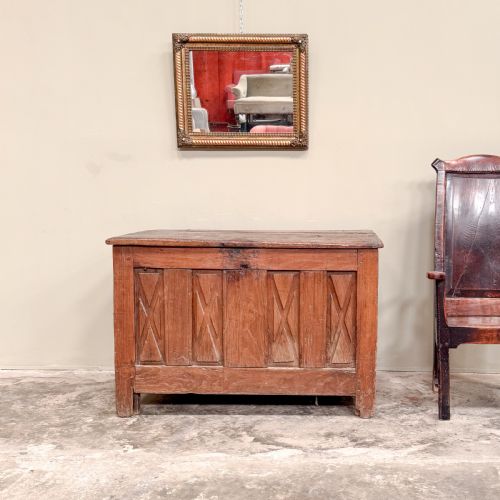
The material evidence demonstrates significant variety in finish and construction, ranging from plain waxed surfaces and stripped timber to original painted treatments and bound edges. Pieces often bear the marks of long service, including inscribed dates and provenance linked to former owners.
How they were made
Constructed primarily from solid pine or pitch pine, these boxes utilise sturdy timber selected for its availability and resilience in domestic settings. Workshops employed straightforward joining techniques to build carcasses capable of enduring heavy daily use.
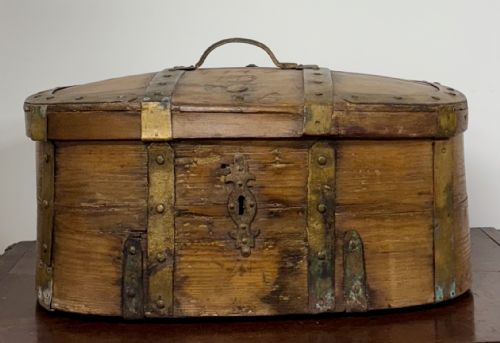
Hardware played an essential role in their assembly and function, incorporating iron and brass fittings such as hinges, handles, and corner bounds. Surface finishes varied from protective wax coatings and plain paint to exposed stripped wood, preserving the character of the timber.
Retail Price Guide 2026
Typical UK retail prices for pine storage box, calculated from the Sellingantiques database of over a million retail prices indexed since 2003. This retail price guide relies exclusively on Sellingantiques data; no external sources or auction records are used, so the figures do not describe the wider market.
Listings feature periods spanning the Victorian era, the nineteenth century, and the early decades of the twentieth century.
What varies in quality
Quality in a pine storage box rests upon the integrity of its construction and the preservation of its original surface treatment, whether waxed, stripped, or painted. Superior examples display thoughtful proportions and robust joinery that has survived decades of handling without losing structural stability.
The presence of original hardware, such as brass or iron brackets and carrying handles, elevates an example above standard utility pieces. Documentation like inscribed dates or traceable provenance further distinguishes individual boxes by anchoring them securely in their historical context.
The Pine Storage Box Glossary
- Pine
- A softwood commonly utilised for utilitarian furniture and storage due to its accessibility and workability. It accepts various finishes including wax, paint, and stripping.
- Mule chest
- A traditional storage form resembling a blanket box equipped with one or more drawers beneath the main compartment. This design combined top-loading storage with accessible drawer space.
- Folk art
- Decorative or utilitarian objects created within a community tradition, often featuring hand-painted surfaces or embellishments. These pieces reflect regional tastes rather than formal academic design.
- Militarism utilitarian
- Design stripped of unnecessary ornamentation to meet the rigorous demands of military service. These boxes prioritised durability, reinforced corners, and secure fastening.
Frequently Asked Questions
How were pine storage boxes used originally?
These boxes provided secure storage for household linens, blankets, and personal belongings in domestic settings. Their robust construction also suited them for travel and military deployment.
Over time, many adapted to multiple roles within the home, serving as trunks, blanket chests, and occasional seating or coffee tables.
How do I care for a vintage pine box?
Maintain waxed pine surfaces by applying a natural beeswax polish occasionally to nourish the timber and prevent drying. Avoid placing antique pine pieces in direct sunlight or near heat sources to protect the wood.
Keep painted or stripped surfaces clean with a dry or lightly damp cloth, ensuring moisture does not linger on the timber.
How can I tell the age of a pine chest?
Examine the construction methods, tool marks, and hardware types used in the assembly of the box. Hand-cut joints and forged iron fittings typically point to nineteenth-century or earlier origins.
Surviving surface treatments, interior linings, and occasional inscribed dates provide further clues to the precise period of manufacture.