



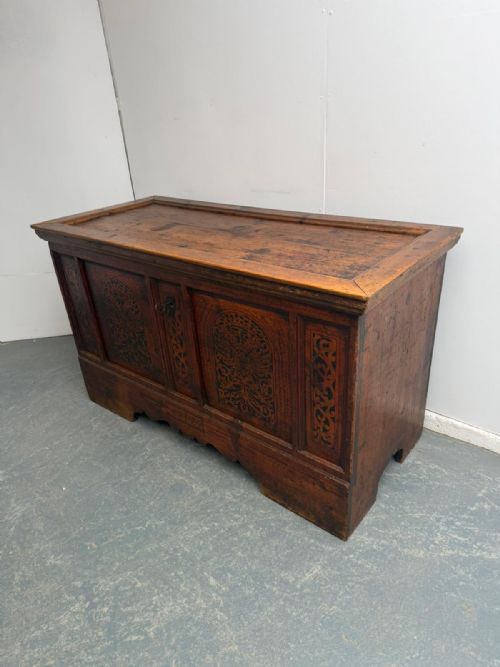
Folk Art Trunk
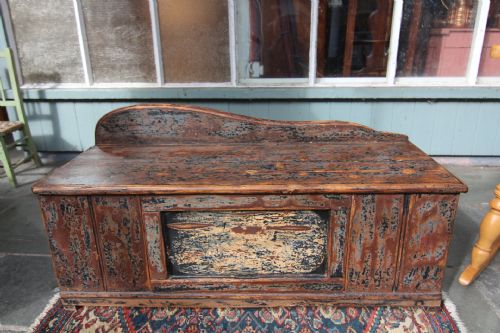
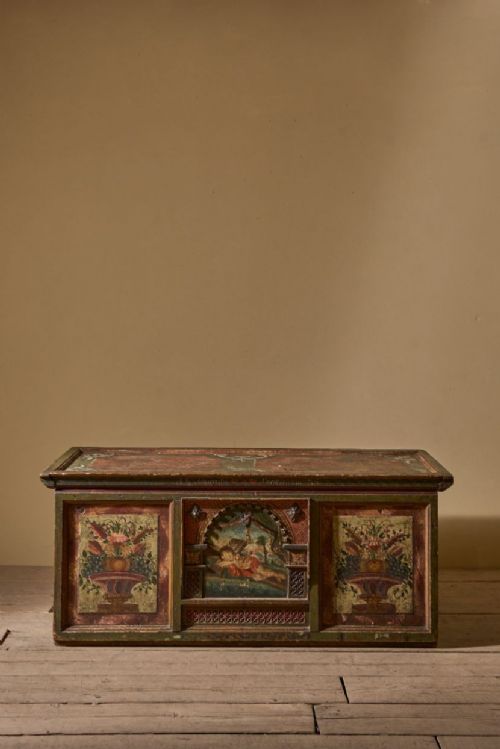
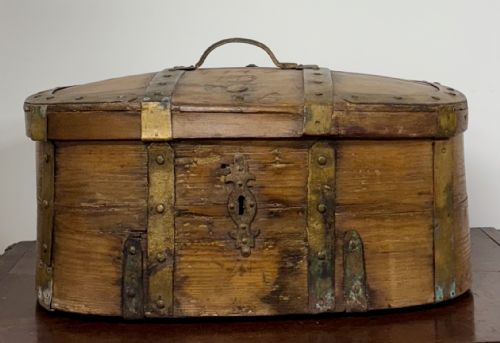
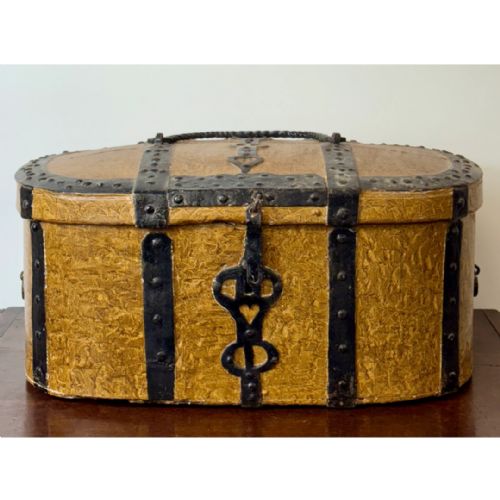
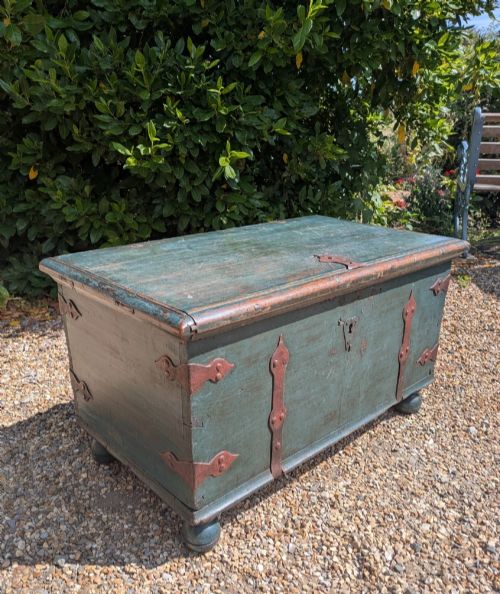
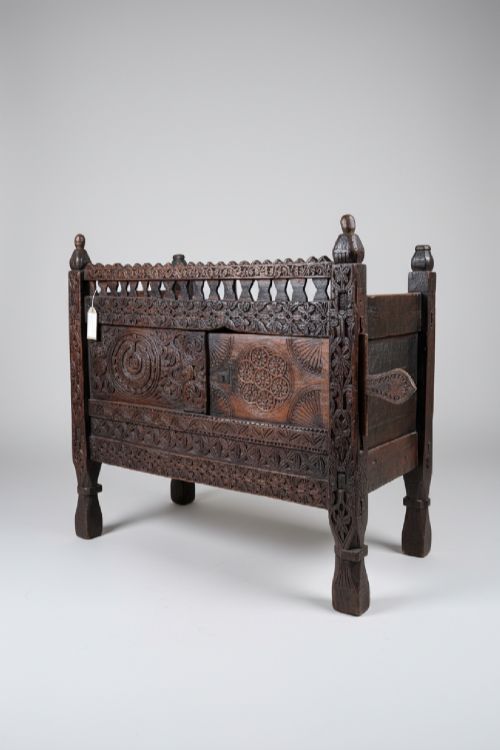
These pieces of folk art trunk display the painted surfaces and sturdy timber construction characteristic of regional domestic storage from past centuries.
Folk Art Trunk
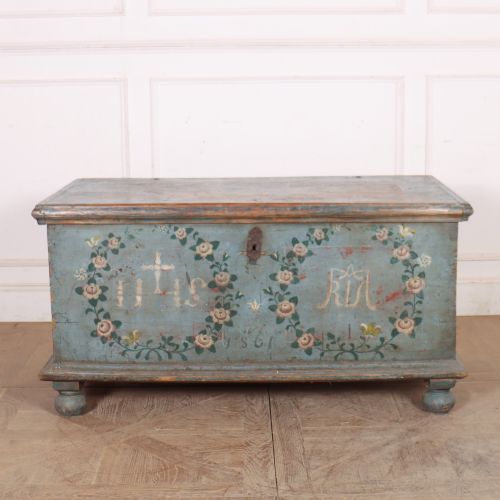
A folk art trunk serves as a storage chest or coffer, often associated with domestic life, dowries, and marriages across European regions. Buyers encounter painted pine chests decorated with floral motifs or geometric schemes, alongside heavy dome-top boxes and strong boxes.
The regional variety spans Scandinavian country workshops, Hungarian rural traditions, and alpine districts. These pieces range in scale from massive coffers down to small painted boxes and strong boxes intended to secure valuables.
Dated examples stretch from the eighteenth century through the Victorian era and the early twentieth century. Many carry original pigment and hand-forged iron strapwork that reveal their vernacular origins.
Materials and construction
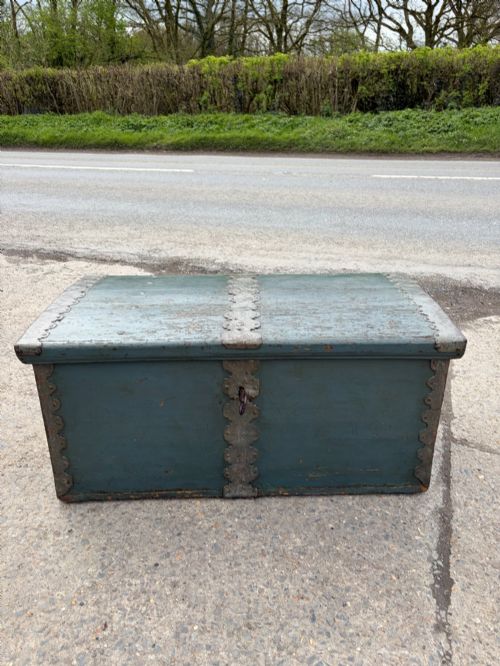
Makers relied primarily on pine and local woods such as oak and fruitwood, building carcases with dovetailed or pegged joints designed to withstand heavy domestic use. Blacksmiths provided wrought iron hinges, hasps, and strapwork to reinforce the corners and lids.
Surfaces were prepared with primers before receiving hand-applied paint layers and pigment decoration. Regional artisans employed floral patterns, floral scrollwork, and contrasting borders directly onto the wood.
Listings feature pine and oak construction paired with iron hardware across eighteenth and nineteenth-century Scandinavian and Hungarian forms.
Assessing quality and survival
The survival of original painted surfaces dictates the desirability of a folk art trunk. Pieces retaining their initial pigment and untouched patination hold greater integrity than those with later overpainting or stripped timber.
Construction details differentiate standard utility boxes from accomplished vernacular pieces. Hand-forged ironwork, well-executed dovetailing, and original locking mechanisms indicate higher standards of rural craftsmanship.
The Folk Art Trunk Glossary
- Marriage trunk
- A large chest commissioned or decorated to celebrate a wedding, frequently inscribed with initials and dates. These pieces often feature elaborate floral paintwork.
- Strong box
- A heavy timber box reinforced with iron straps and secure locks for transporting or storing valuables. They are typically compact in scale compared to blanket chests.
- Strapwork
- Flat bands of wrought iron fitted across the exterior of a chest to strengthen the joints and protect the corners. Blacksmiths shaped these bands by hand.
- Cassone
- A traditional Italian large chest or marriage chest used to hold bridal linens. These pieces frequently display painted or carved ornament.
Folk Art Trunk: Frequently Asked Questions
What were folk art trunks used for?
These chests stored household textiles, clothing, and valuable domestic items in rural homes. Many served specifically as marriage or dowry chests commissioned for weddings.
Over generations, they doubled as practical furniture for seating or bedside storage in farmhouses and cottages.
How do I identify original paint?
Original paint shows natural wear, craquelure, and an integration with the underlying timber grain through age. Pigments should sit correctly within the wood pores without modern synthetic binders.
Under magnification, early layers reveal subtle variations in tone and brushwork applied by regional artisans.
Where did these painted chests originate?
The pieces recorded here stem primarily from Scandinavian countries, Hungary, and alpine European regions. Each area developed distinct palettes and decorative motifs applied to local pine.
Rural workshops produced these items for domestic markets rather than urban elite households.
How should I care for a painted trunk?
Keep the piece away from direct sunlight and steady heat sources to protect fragile historical pigments from fading or flaking. Maintain stable room humidity to prevent the pine timber from splitting.
Dust gently with a dry, soft cloth and avoid modern chemical polishes or aggressive cleaning agents.