


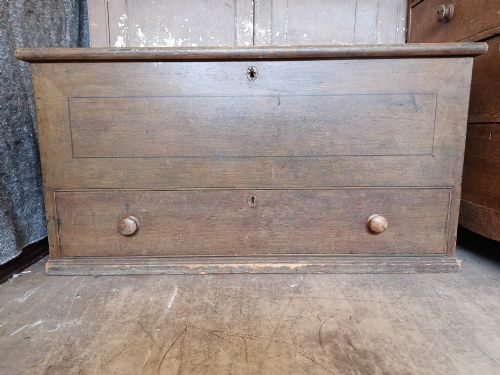


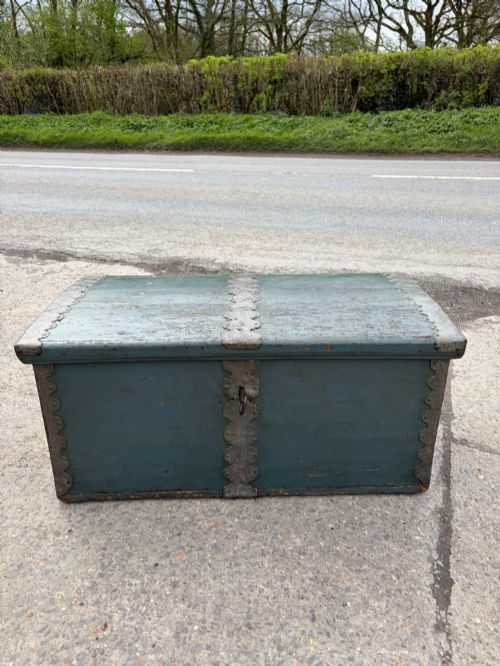
Painted Pine Coffer
A painted pine coffer is a robust storage chest built from deal and finished with pigment, offering both utility and vibrant surface character.
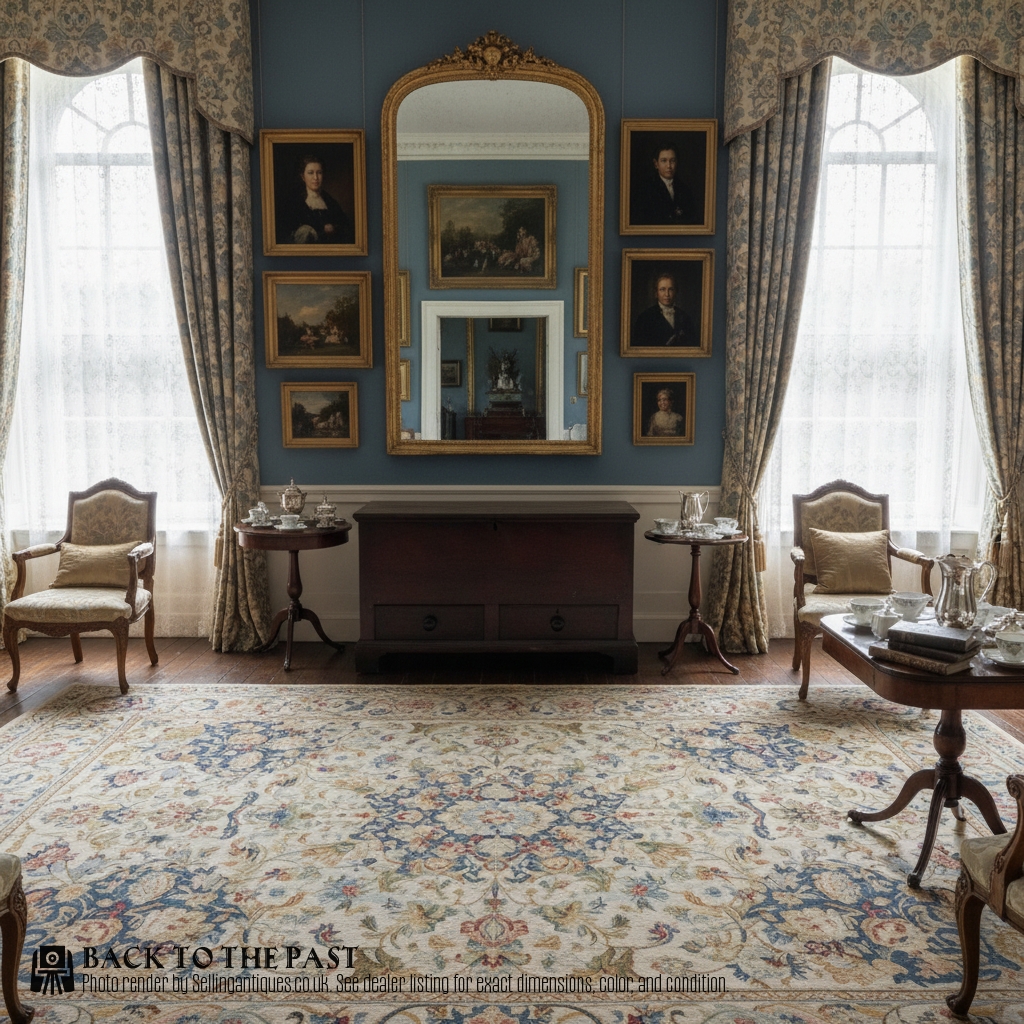
Painted Pine Coffer
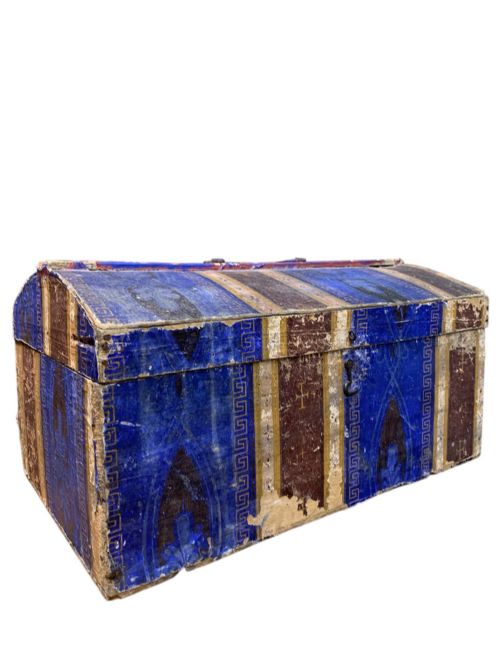
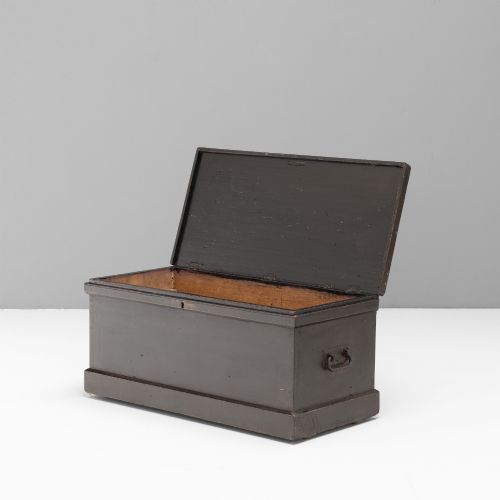
A painted pine coffer serves primarily as a heavy-duty container for blankets, household linen, or travel goods, surviving from periods ranging through the Georgian, Victorian, and Regency eras. Buyers encounter various regional forms on this page, including dome-top trunks, marriage chests from Sweden and Hungary, and robust campaign boxes.
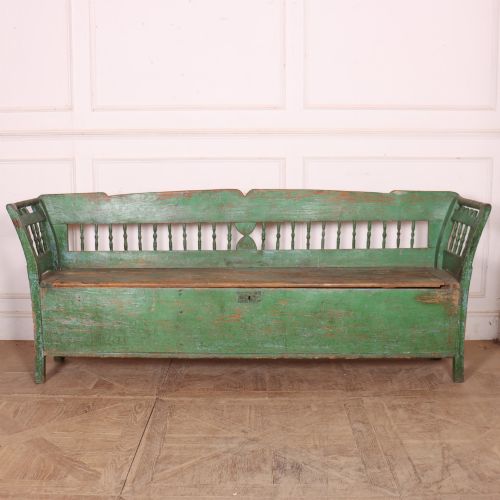
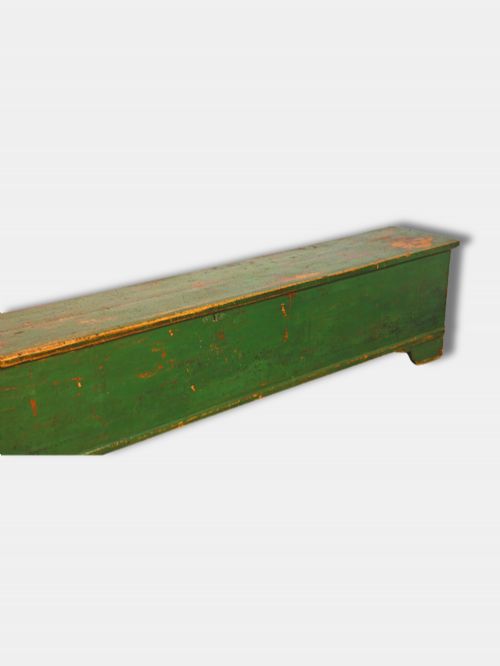
Many examples originate from rural European workshops, reflecting Scandinavian, Alpine, and Hungarian folk art traditions alongside English and Spanish country house styles. These pieces range from simple storage trunks to elaborate three-seater benches incorporating lift-up lids and hand-forged iron strapwork.
The phrase encompasses smaller travel boxes and massive estate-made silver chests, demonstrating the sheer versatility of pine as a utilitarian timber. Original pigment surfaces distinguish these utility boxes from plain wooden storage, turning everyday household containers into focal points of folk art.
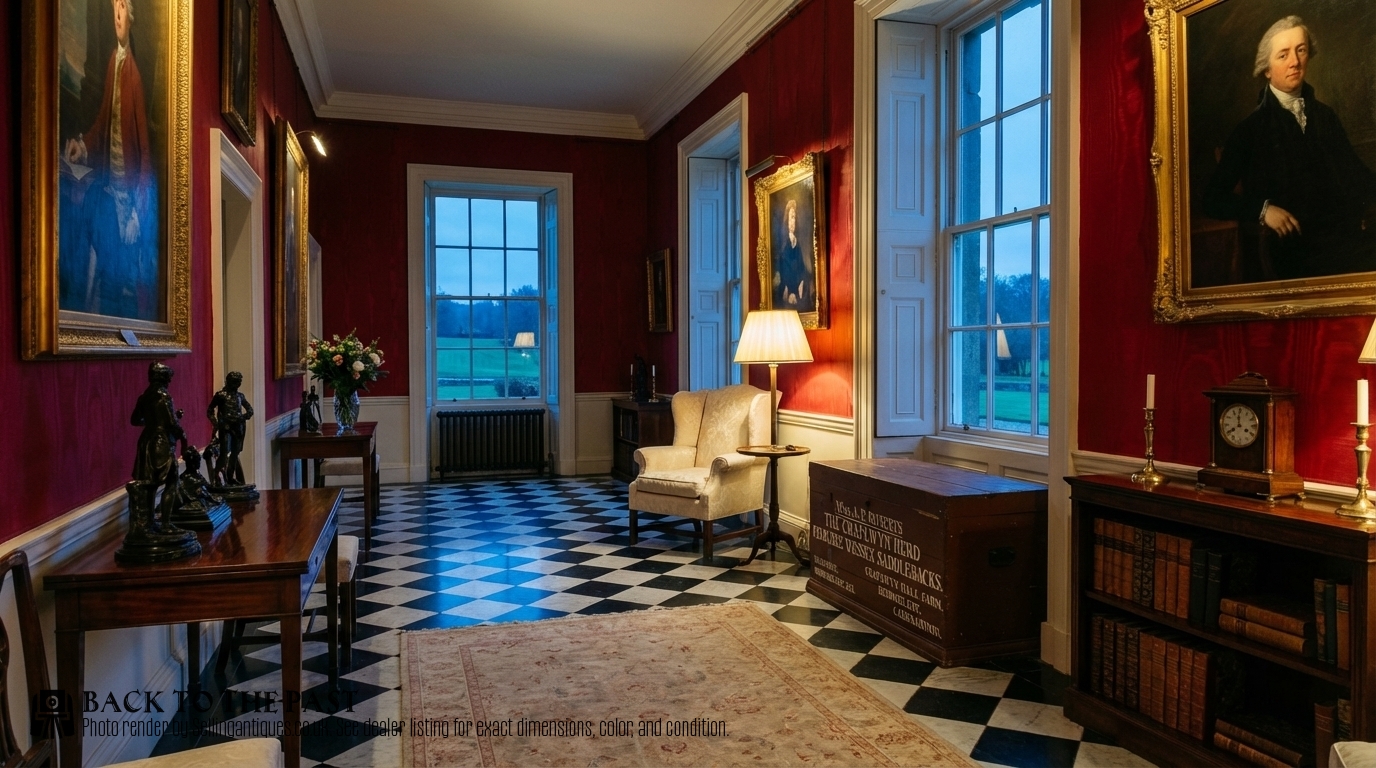
How They Were Made
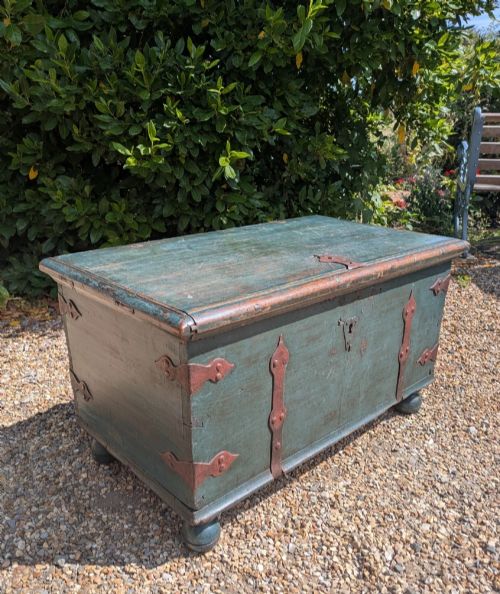
Carpenters constructed these coffers using solid pine boards joined by dovetails or simple pegged joints, depending on the period and regional workshop. Lids often feature heavy hinges and iron strapwork designed to endure generations of daily opening and closing.
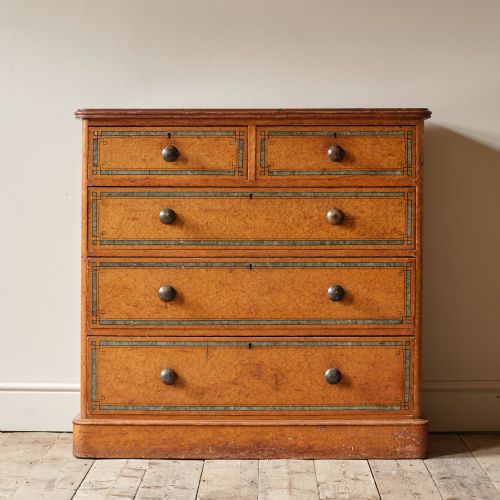
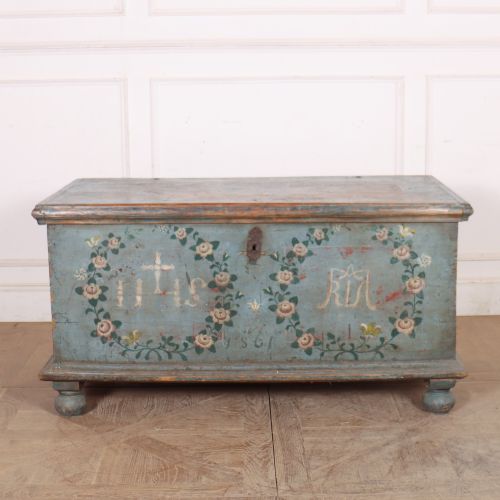
Makers applied oil- or water-based pigments directly to the bare wood, sometimes layering colours or employing scumble glaze techniques to mimic costlier timbers. Surface ornamentation ranges from simple floral motifs to elaborate hand-painted panels associated with marriage chests and festive gifts.
Painted Pine Coffer Retail Price Guide 2026
Typical asking prices for painted pine coffer among the pieces listed under this phrase on Sellingantiques today, from the lower quarter to the upper quarter. They describe what is for sale here now, not the wider market.
Some Hungarian boxes proudly retain their original blue or teal pigment, offering a cheerful splash of rural colour.
What Varies in Quality
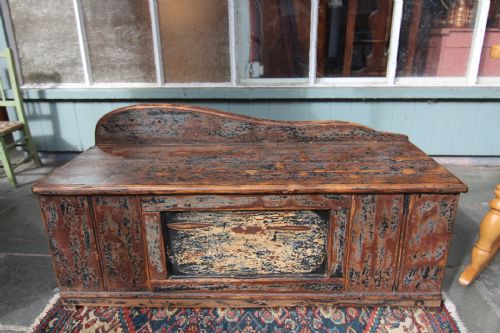
The integrity of the original paint surface dictates much of the appeal in these pieces, separating items retaining their first pigment from those stripped or heavily restored later. Original regional decoration, such as specific Hungarian floral patterns or Scandinavian folk motifs, elevates a standard storage box into a piece of vernacular art.
Structural heft and hardware also distinguish the range, from light domestic blanket boxes to heavy iron-strapped strong boxes and campaign trunks built for rigorous travel. The presence of contemporary hinges, locks, and untouched interior tills adds significantly to the character of a surviving coffer.

The Painted Pine Coffer Glossary
- Cofer
- A large wooden chest used for storing valuables, linen, or clothes. These items often double as benches in domestic interiors.
- Scumble
- A translucent layer of darker pigment dragged over a lighter base coat to create mottled or grained effects. This technique mimics the appearance of more expensive hardwoods on ordinary pine.
- Mule chest
- A storage chest fitted with one or more drawers beneath the main compartment. They bridge the design gap between simple coffers and full drawer chests.
- Strapwork
- Flat bands of metal, typically iron, fastened across the exterior of a chest to reinforce the wooden joints. They often appear hand-forged on 19th-century strong boxes.
- Till
- A small internal compartment built into the upper corner of a chest for holding coins, documents, or small trinkets. These boxes are frequently hinged with simple wooden pivots.
Painted Pine Coffer: Frequently Asked Questions
What were painted pine coffers used for?
These pieces served as durable storage containers for household textiles, blankets, clothing, and personal valuables in domestic settings. Many functioned simultaneously as seating benches in farmhouses and country dwellings.
Larger variants such as marriage chests held dowry items and were commissioned to celebrate weddings in Scandinavian and Hungarian communities. Strong boxes and campaign trunks also transported personal belongings securely across regions.
How do I identify original paint?
Original paint surfaces show natural craquelure, fading, and wear consistent with age and handling rather than artificial distress. Traces of early pigment often linger beneath later decorative layers if a piece was re-decorated in period.
Examining the underlying pine timbers helps confirm age, as older boards display hand-planed surfaces and genuine fastener holes. Unrestored interiors usually match the wear patterns found on the exterior painted panels.
Where were most painted coffers made?
The listings feature significant numbers from Hungary, Sweden, and the Alpine regions, alongside English, Dutch, and Spanish examples. Regional folk art traditions strongly dictated the specific colours and decorative motifs applied to each box.
English country houses and Victorian estates also produced utilitarian pine chests tailored for domestic staff or travel purposes. Local village carpenters built the vast majority using readily available softwood timber.
How do I care for a painted pine coffer?
Keep the piece away from direct sunlight and excessive heat sources to prevent the pine timbers from shrinking and the old paint from flaking. Gentle dusting with a dry cloth suffices for routine maintenance.
Avoid using modern chemical cleaning sprays or abrasive polishes, which can dissolve delicate historic pigments. Natural wax may be applied sparingly to unpainted interior wood if protection from dryness is required.