





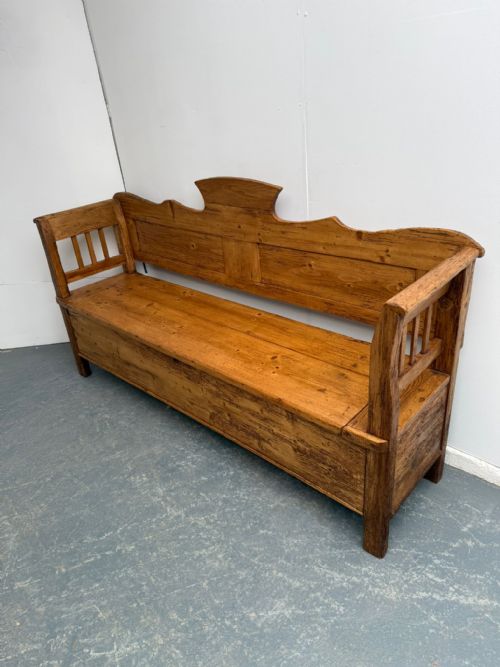

Folk Art Coffer
A folk art coffer brings rugged rural character and historic colour into a room, offering practical storage with hand-painted artistry.
What a folk art coffer is
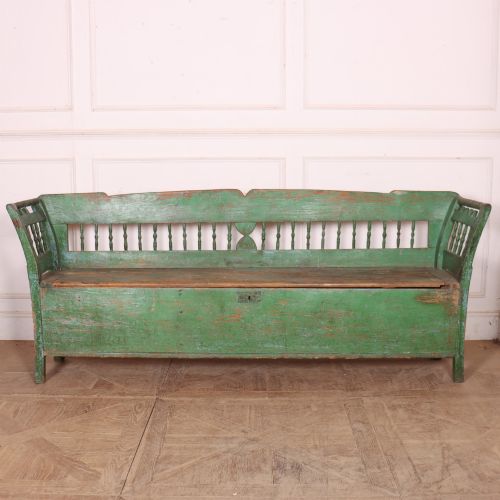
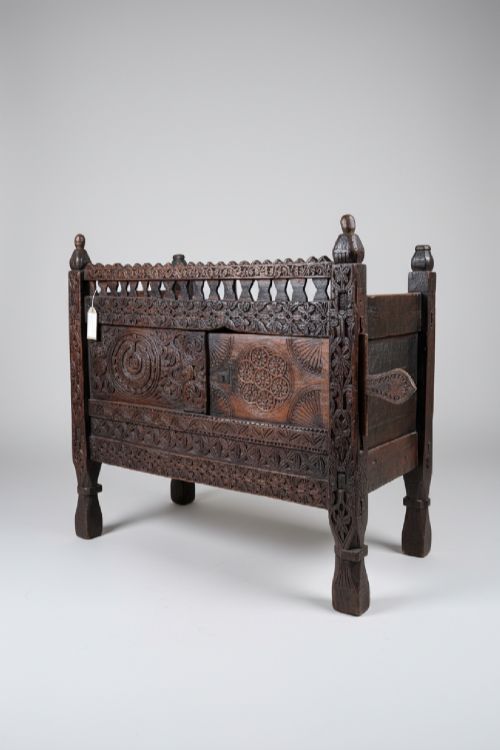
A folk art coffer provides heavy storage through traditional chests, trunks, blanket boxes, and mule chests built for domestic utility. These pieces originate from regional European workshops, featuring Scandinavian country and Hungarian styles alongside British examples.
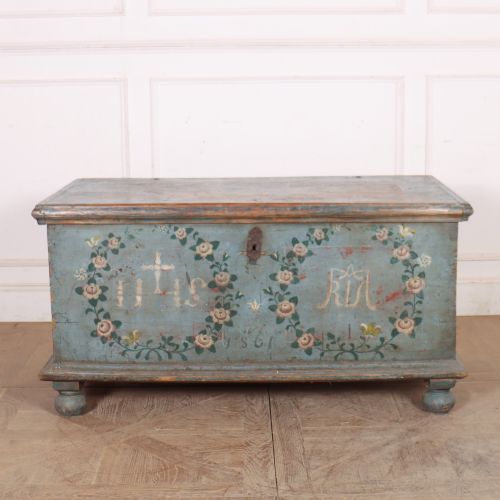
The most common versions encountered here are pine chests and trunks dating from the eighteenth and nineteenth centuries. Many carry original painted decoration, ranging from simple pigment finishes to elaborate marriage chests marked with historic dates.
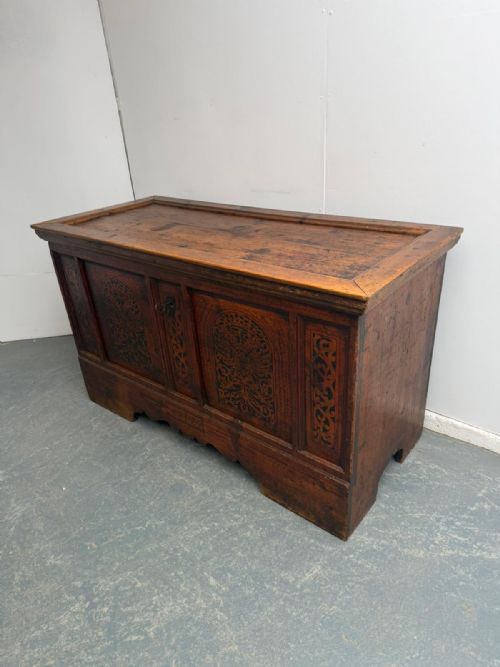
Constructed primarily as sturdy household containers, these items transitioned from utilitarian storage into decorative focal points. Their forms include standard six-plank boxes, elevated boxes on stands, and large mule chests fitted with lower drawers.
How they were made
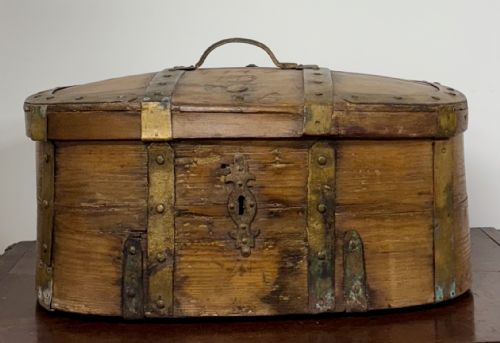
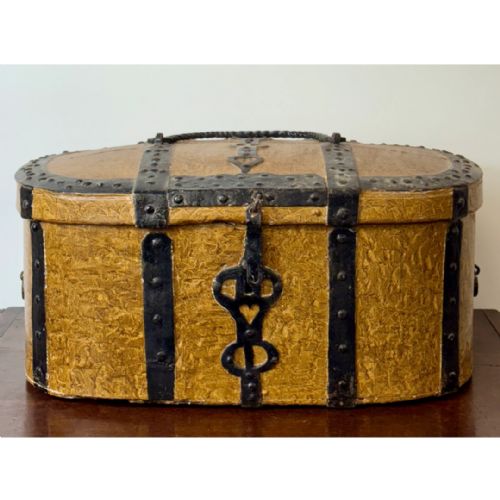
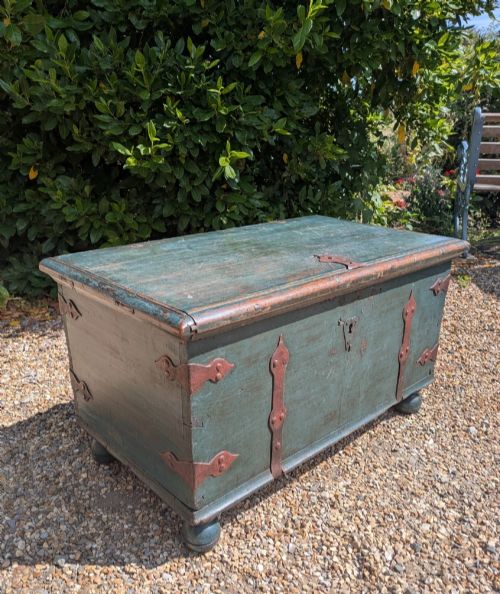
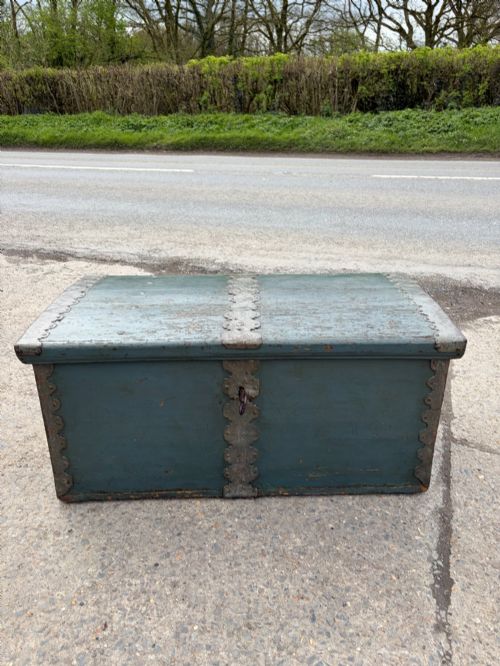
Carpenters built these coffers predominantly using solid pine and elm planks joined with basic structural methods suited to regional workshops. Blacksmiths supplied heavy wrought iron hardware, including strap hinges, corner braces, and locking hasps that reinforced the wooden joints.
Decoration relied on natural pigments applied directly to the bare timber surfaces to create distinctive painted finishes. Artisans painted motifs freehand, often layering colours to produce rich teal bases or contrasting panels associated with specific European folk traditions.
Retail Price Guide 2026
Typical UK retail prices for folk art coffer, calculated from the Sellingantiques database of over a million retail prices indexed since 2003. This retail price guide relies exclusively on Sellingantiques data; no external sources or auction records are used, so the figures do not describe the wider market.
Listings feature pine and elm construction combined with wrought iron hardware, representing eighteenth and nineteenth-century domestic storage traditions.
What varies in quality
Quality rests primarily in the survival of the original painted surface and the crispness of the folk art decoration. Pieces retaining untouched historic pigment command greater appreciation than those stripped or heavily repainted during later maintenance.
Structural integrity and timber selection also divide the range, distinguishing simple boarded boxes from sophisticated joinery incorporating integrated drawers and stands. The presence of period wrought iron work adds architectural weight that elevates the piece.
The Folk Art Coffer Glossary
- Mule chest
- A storage chest featuring one or more drawers built into the base beneath the main compartment. This form bridges the traditional trunk and the modern chest of drawers.
- Six-plank coffer
- A simple box constructed from six individual boards joined at the edges to form the top, bottom, sides, ends, and lid. It represents the oldest and most fundamental method of chest construction.
- Pigment
- Raw colouring material ground and mixed with a binder to create historic paints used on country furniture. These natural compounds weather distinctively over centuries.
- Wrought iron
- Iron heated and hammered into shape by hand, producing visible tool marks and irregular textures. It provides durable structural reinforcement for heavy wooden lids and corners.
- Marriage chest
- A celebratory box commissioned or decorated to mark a wedding, frequently inscribed with initials and specific dates. These examples often display the most ambitious folk art painting.
Frequently Asked Questions
What is a folk art coffer used for?
These chests served historically to store textiles, blankets, and personal valuables securely within rural homes. Today, they function effectively as living room coffee tables, bedroom blanket boxes, or hallway storage benches.
Their robust timber construction allows them to endure daily domestic use while displaying historic decorative surfaces.
How do I date an old painted coffer?
Dating relies on examining the construction marks, timber species, and the chemical composition of the paint layers. Hand-cut nails, visible pit-saw marks on the interior boards, and worn wrought iron hinges point toward earlier periods.
Stylistic motifs in the folk art painting also help align pieces with specific eighteenth or nineteenth-century regional traditions.
Are painted finishes usually original?
Many surviving pieces retain their first layer of pigmented decoration, though some underwent re-decoration during subsequent generations. Close inspection under magnification reveals whether the paint has aged naturally into the wood pores or sits over modern primers.
Original surfaces show authentic craquelure, wax accumulation, and wear patterns consistent with centuries of use.
How do I care for antique pine furniture?
Protect the wood and historic paint by keeping coffers away from direct sunlight, radiators, and damp environments. Maintaining stable indoor humidity prevents the pine boards from splitting and stops old ironwork from corroding.
Apply occasional coats of microcrystalline wax to nourish dry timber without sealing the breathable historic finish.