



Scandinavian Folk Art
These pieces of scandinavian folk art bring domestic utility and layered pigment into a room, shaped by hands across centuries.
Scandinavian Folk Art
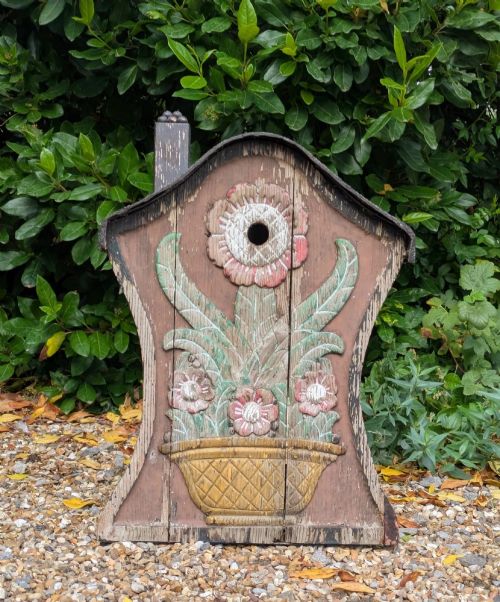
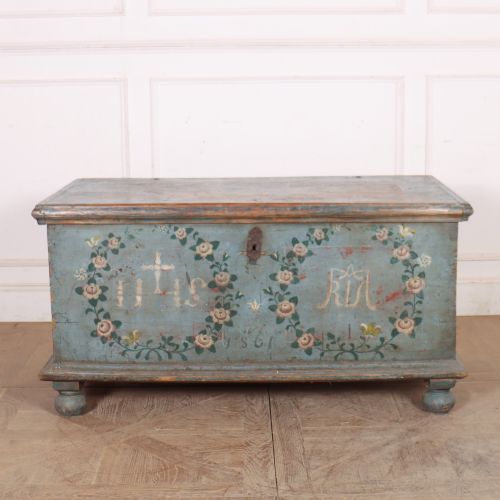
When you search for scandinavian folk art, you encounter utilitarian objects transformed by regional craft traditions into decorative household furnishings. The inventory spans from austere 18th-century marriage chests to early 20th-century carved spoons and bird boxes.
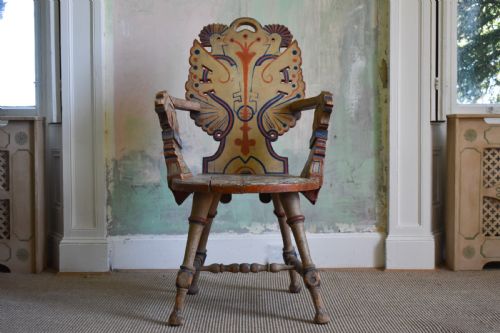
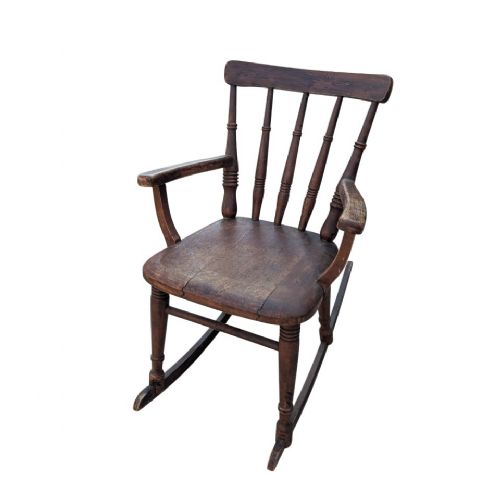
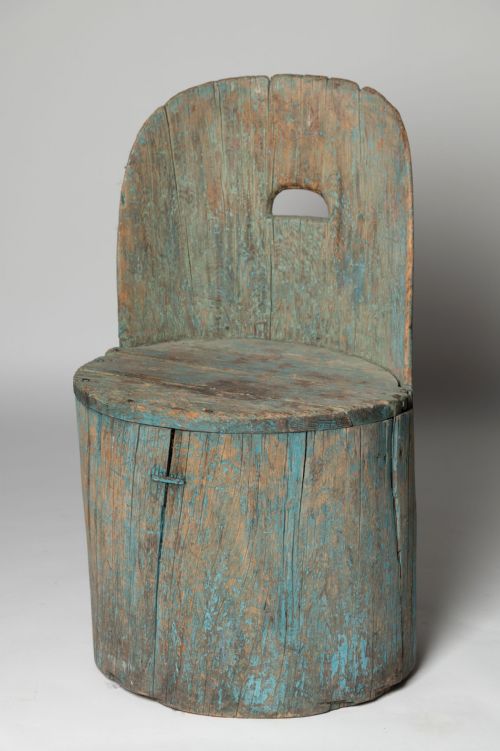
Large storage pieces dominate the selection, particularly painted pine trunks, strong boxes, and coffer chests. Alongside these sit domestic seating options, including armchairs, dug-out chairs, and children's rocking chairs.
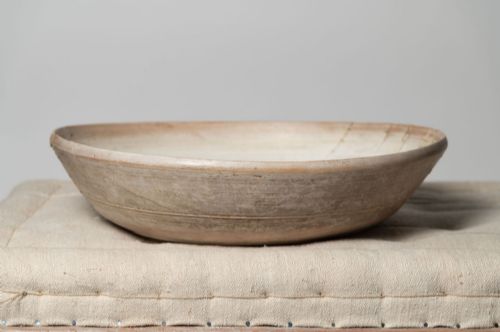
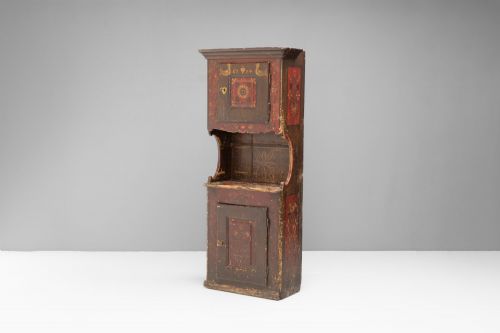
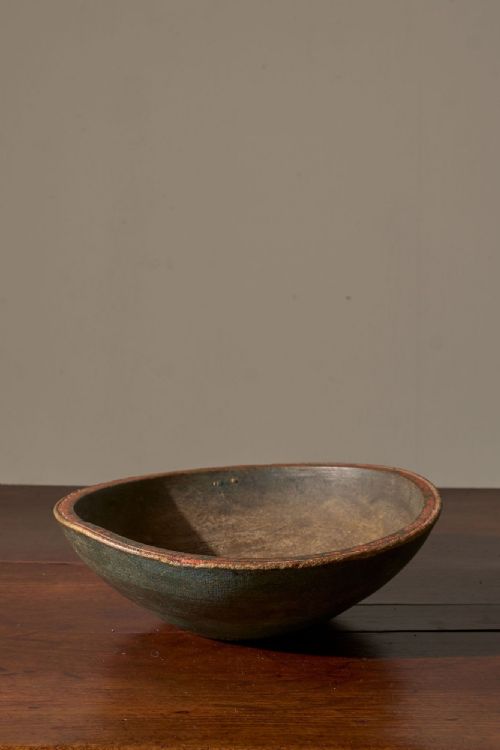
Cupboards and wall cupboards appear frequently, often finished in original paint schemes. Smaller decorative items like bowls, baskets, and small boxes complete the domestic spread across the listed periods.
Materials and construction methods
Makers relied primarily on native pine and birch, working the timber into sturdy domestic objects using basic joinery and bentwood techniques. Iron and wrought iron appeared in structural strapwork, hinges, and hand-forged corner brackets.
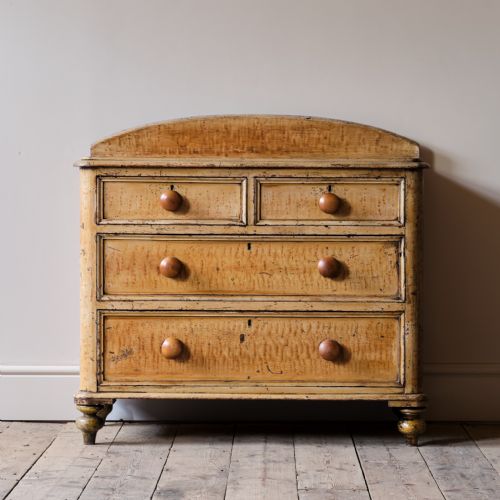
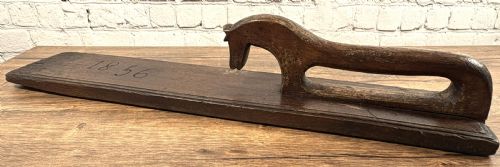
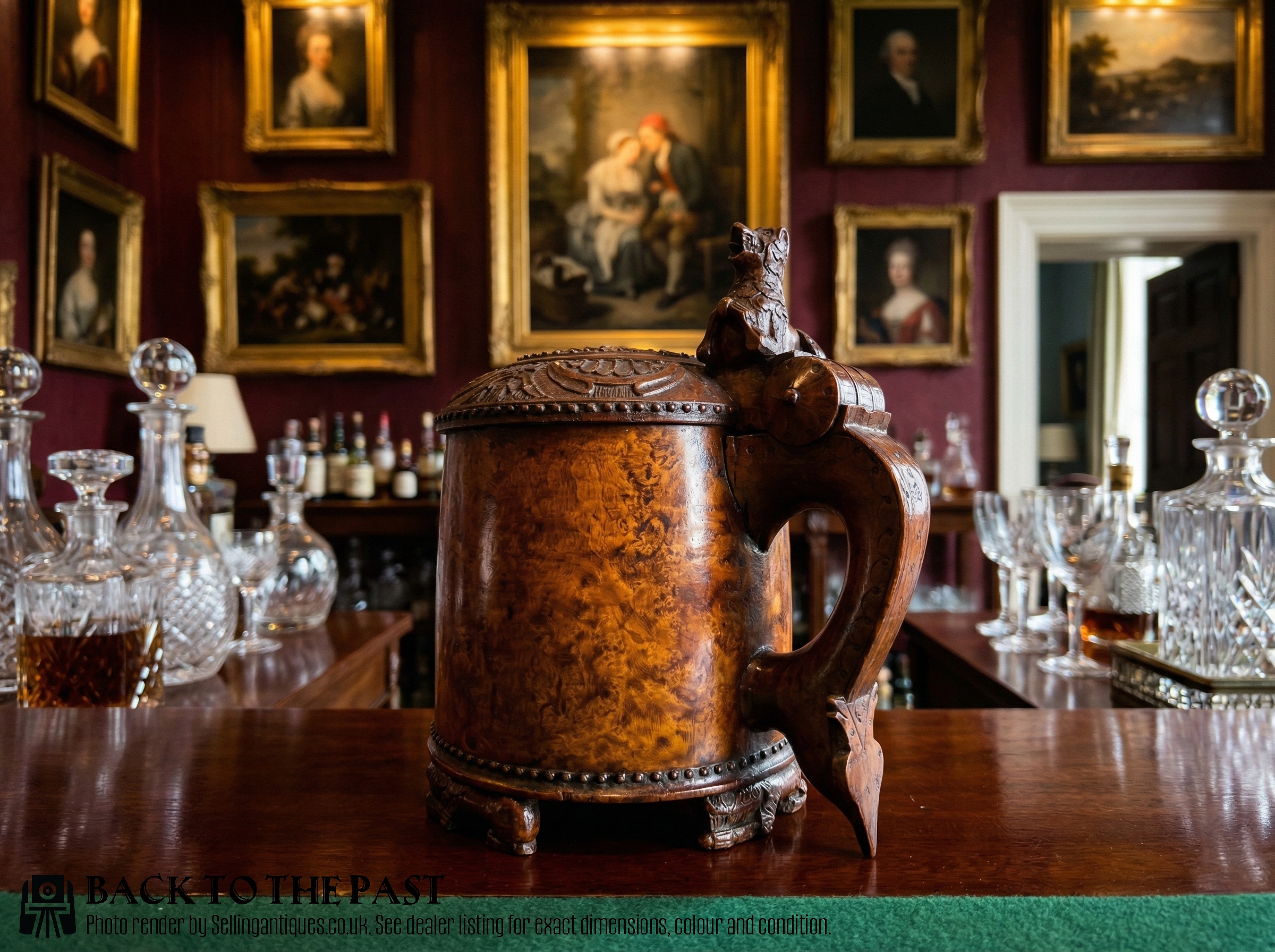
Surfaces were frequently sealed with layers of paint, creating the characteristic matte finishes seen on marriage chests and cupboards. Details were added through hand carving, pokerwork, and simple engraving on smaller utilitarian items like spoons and mangle boards.
Scandinavian Folk Art Retail Price Guide 2026
Typical asking prices for scandinavian folk art among the pieces listed under this phrase on Sellingantiques today, from the lower quarter to the upper quarter. They describe what is for sale here now, not the wider market.
Storage items including trunks, boxes, and strong chests outnumber seating forms across the recorded inventory.
Distinctions in quality
Quality rests in the survival of original surface decoration and the clarity of hand-carved or painted details. Pieces retaining undisturbed early paint layers command greater interest than those stripped or heavily restored.
Proportion and functional design separate standard utility items from pieces showing deliberate artistic expression. Structural integrity in dovetailed joints and the preservation of hand-forged ironwork also define the upper tier of surviving examples.
GEMLA FABRIKERS
The Scandinavian Folk Art Glossary
- Mangle board
- A carved wooden board used with a rolling pin to smooth linen. These functional laundry tools frequently featured sculptural handles shaped like horses.
- Marriage chest
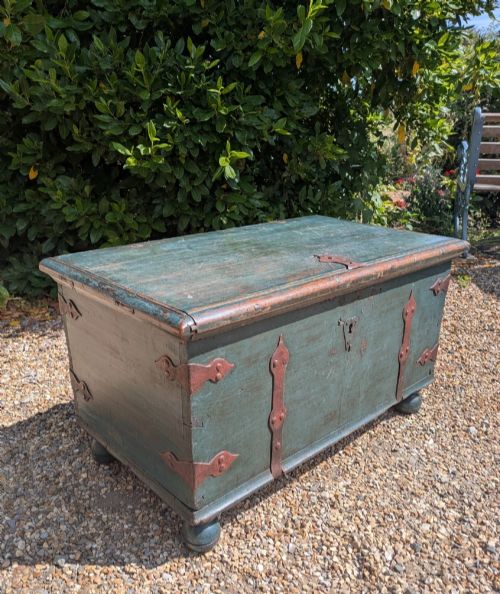
- A large storage trunk commissioned to mark a wedding union. They often carry painted initials, dates, and decorative motifs associated with prosperity.
- Strong box
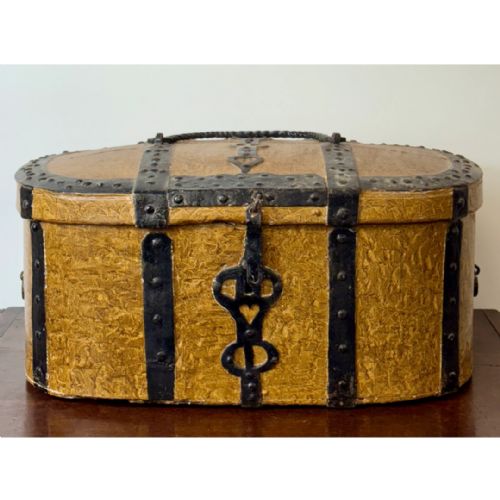
- A reinforced storage container built for secure transport of valuables. These items typically incorporate heavy iron strapwork and robust locking mechanisms.
- Dug-out chair
- A seat hewn directly from a single solid log. This method predates complex joinery and yields a heavy, organic form.
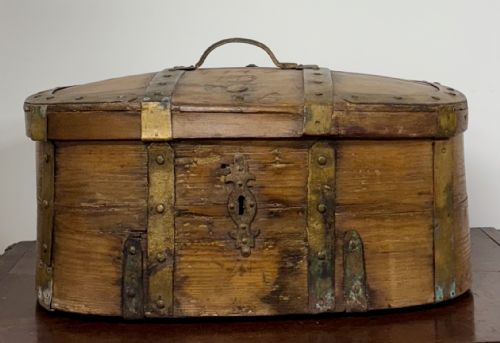
- Tine box
- A traditional bentwood vessel constructed by bending a heated strip of wood around a base and securing the overlapping ends with stitching or pins.
Scandinavian Folk Art: Frequently Asked Questions
How were marriage chests used?
Marriage chests served as heavy storage repositories for a bride's dowry textiles, linens, and household valuables. Families placed them in prominent domestic spaces to display wealth and status.
Over generations, these trunks transitioned from utilitarian storage to treasured heirloom furniture. Their painted exteriors preserved family ciphers and wedding dates through subsequent centuries.
What is a mangle board?
A mangle board functioned as a domestic laundry tool used alongside a wooden cylinder to press wrinkles out of woven linens. Women rolled damp fabric flat by pressing and rocking the carved board across the cloth.
Due to their decorative handles, these boards were often given as betrothal gifts. Surviving examples now hang on walls as sculptural folk art rather than serving laundry needs.
How do I identify original paint?
Original paint exhibits natural micro-craquelure, uneven fading, and wear patterns consistent with age and domestic use. Pigments typically sink into the wood grain rather than sitting in a uniform modern film.
Under magnification, early layers show hand-mixed mineral qualities and brush marks from traditional binders. Restored or overpainted surfaces lack this integrated patination.
Where were these pieces made?
Items originated across rural farming communities throughout Sweden, Norway, and the broader Baltic region. Local craftspeople built these domestic goods using locally available timber during long winter months.
Regional aesthetic preferences influenced the specific shade of paint, carving motifs, and construction styles. These localized traditions created distinct visual dialects within Scandinavian country design.