
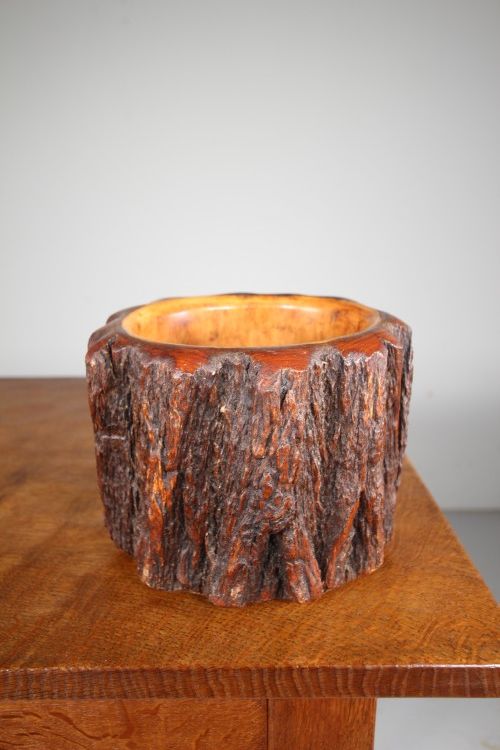
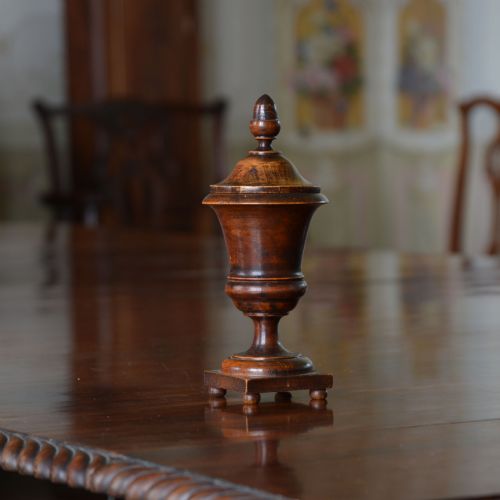


Antique Treen Vessel
When you search for an antique treen vessel, you are looking at turned and carved domestic wooden objects shaped by hand for daily utility.
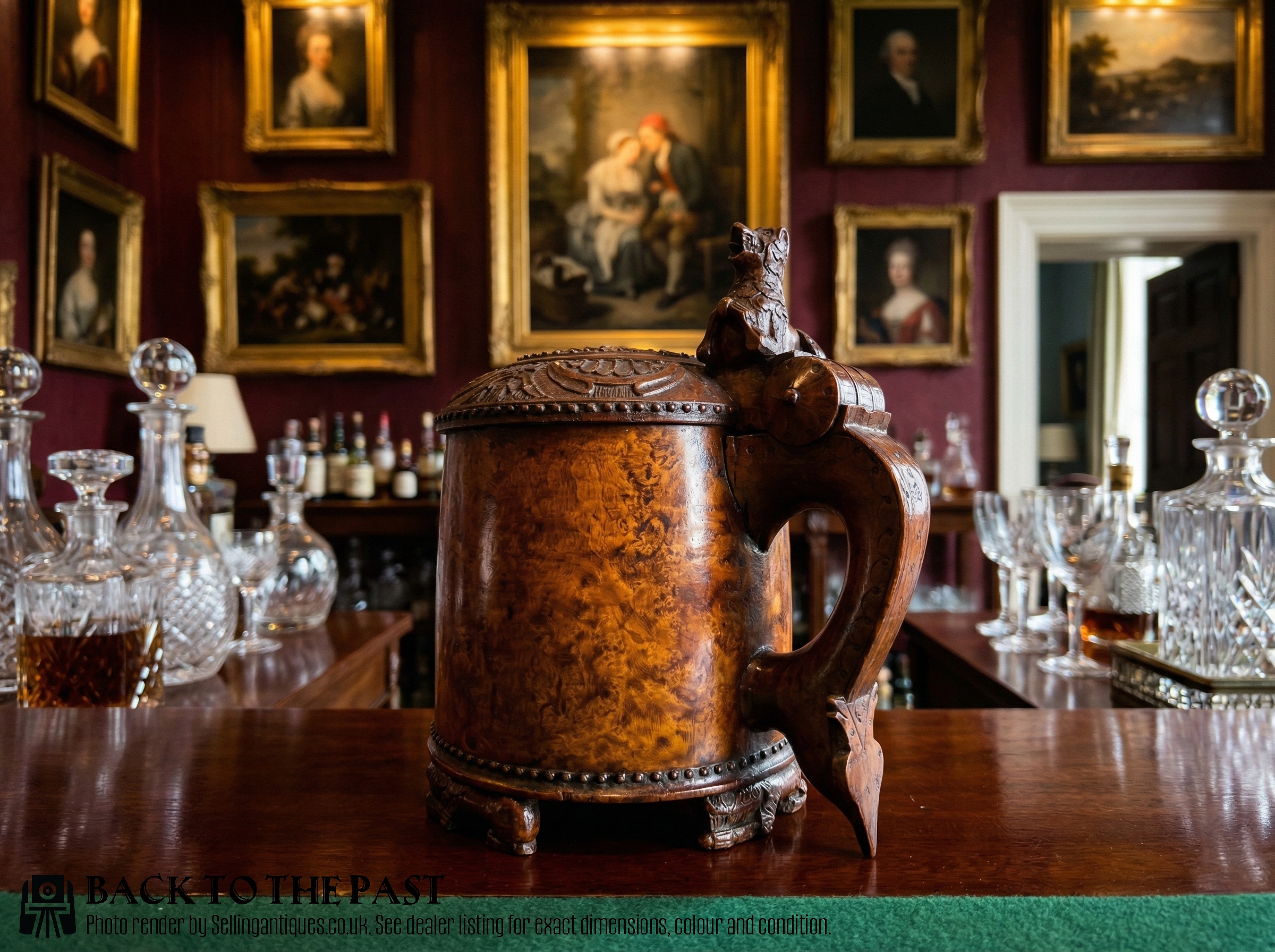
Antique Treen Vessel
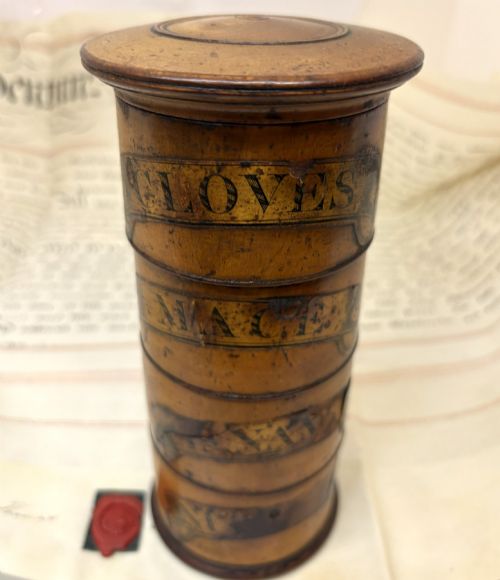
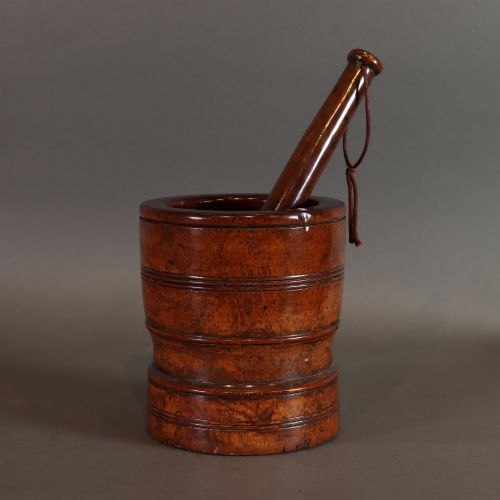
An antique treen vessel encompasses a wide array of domestic wooden objects, ranging from heavy apothecary mortars and spice towers to turned drinking goblets and dairy bowls. These pieces originate across the seventeenth, eighteenth, and nineteenth centuries, spanning Georgian, Regency, and folk art traditions.
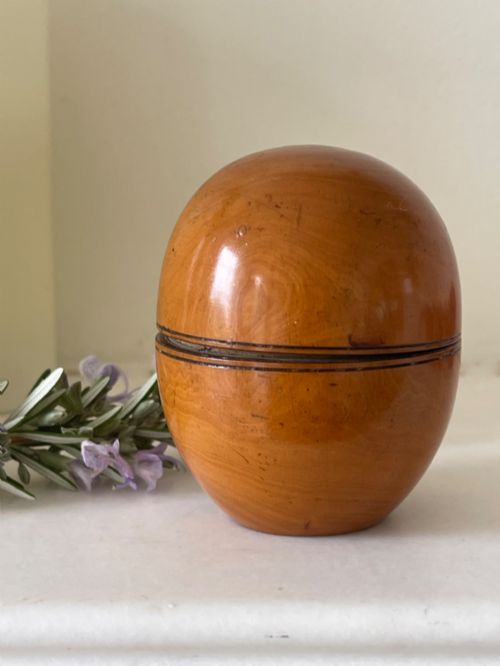
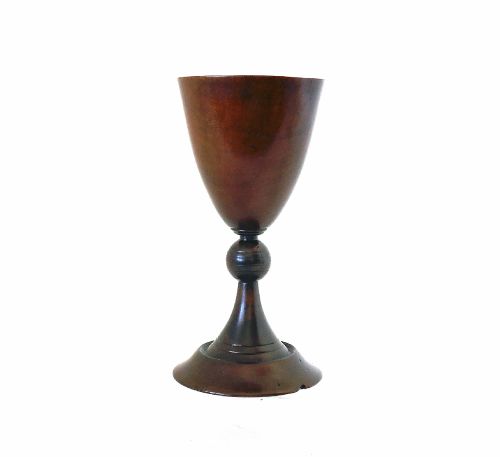
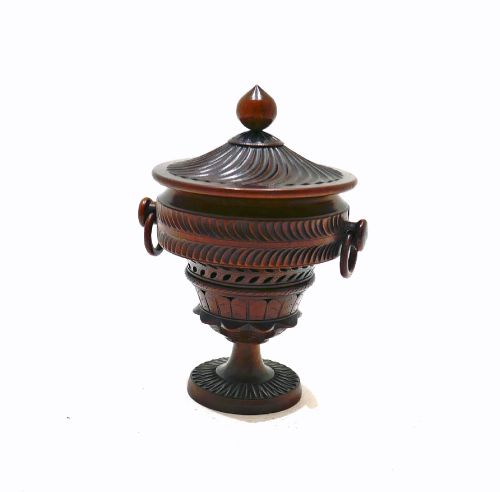
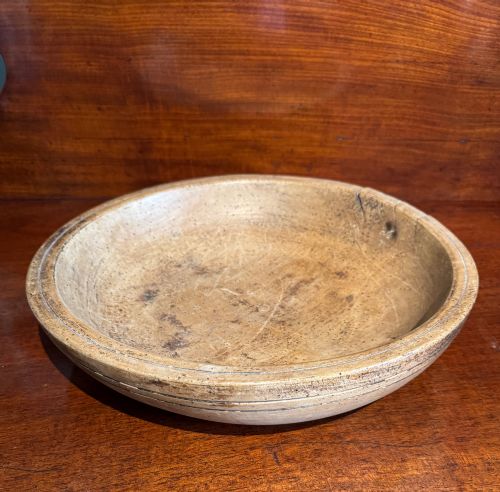
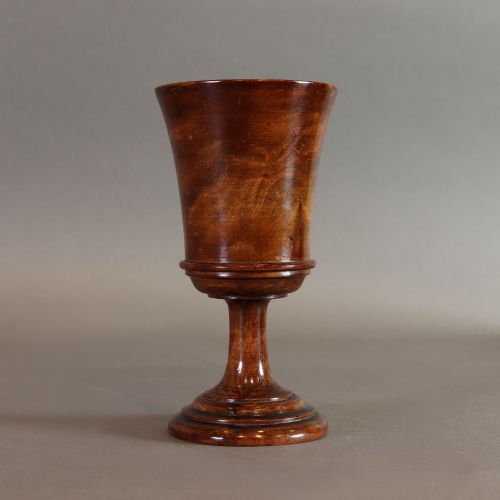
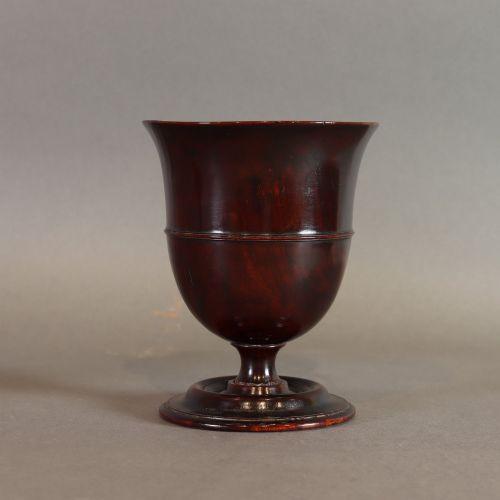
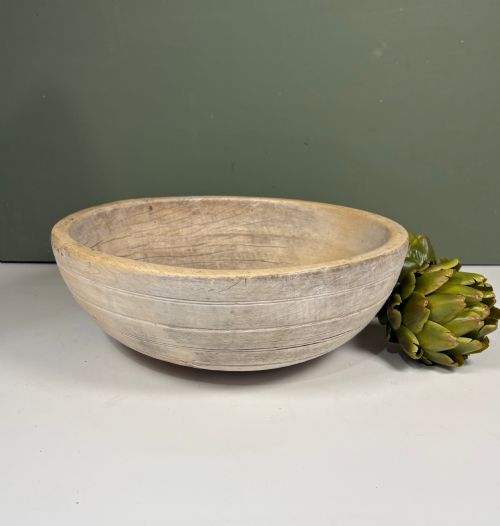
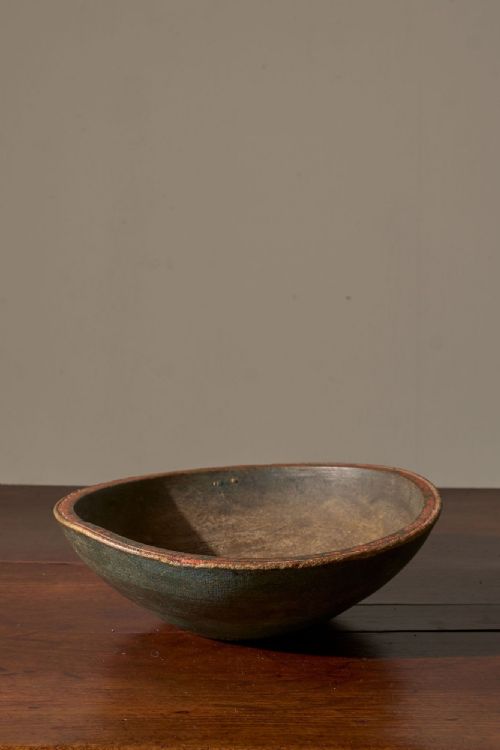
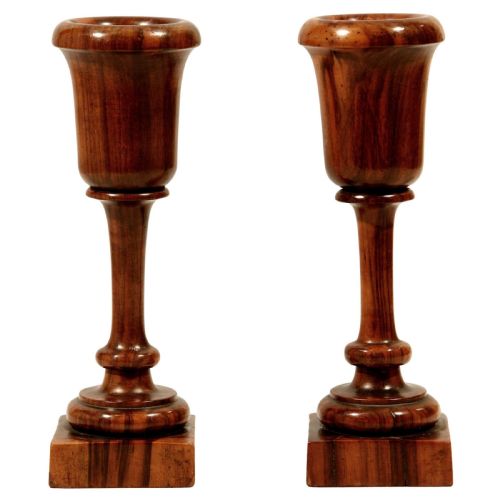
The most common examples encountered on this page include fruitwood and lignum vitae goblets, sycamore dairy bowls, and turned wooden vases or urns. They survive from rural households and provincial workshops, having transitioned from utilitarian kitchenalia and tableware into decorative collectables.
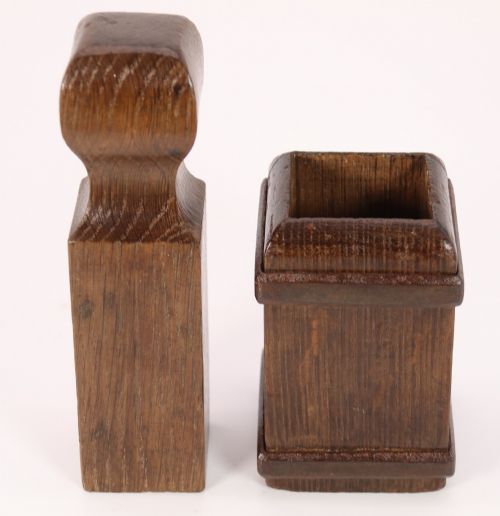
Buyers also encounter specialised containers such as nutmeg graters, spice pots, staved bickers, and luggies. These smaller items demonstrate the immense variety of timber objects produced before mass manufacture replaced traditional woodturning.
How they were made
Craftsmen shaped these items using lathes and hand-carving tools, selecting dense native timbers such as fruitwood, walnut, oak, yew, and lignum vitae for their specific physical properties. Lignum vitae provided exceptional weight and resistance to splitting, making it ideal for mortars and heavy goblets.
Dairy bowls and larger containers utilised sycamore and pine, often shaped as dug-outs or constructed using staves bound together. Surface finishing relied on natural wear, repeated scrubbing, and simple applications of oil to nourish the timber over generations of domestic use.
Listings feature seventeeth-century mortars alongside nineteenth-century sycamore dairy bowls and Georgian fruitwood goblets.
What varies in quality
Quality rests upon the crispness of the original turning, the proportion of the form, and the retention of a natural surface patina developed through age and handling. A well-proportioned goblet or mortar displays balanced wall thickness and clean lines without excessive sanding or modern restoration.
The choice of timber significantly influences the desirability of a piece, with dense exotic hardwoods or unusual fruitwoods commanding greater interest than standard utility softwoods. Furthermore, the survival of original lids, pomanders, or wrought iron mounts elevates the integrity of the object.
The Antique Treen Vessel Glossary
- Treen
- Small domestic wooden artefacts made by turning or carving. The word derives from the Middle English term for tree.
- Lignum vitae
- A dense, heavy tropical hardwood utilised for turned items requiring high durability. Its natural oils give it a distinct greenish-brown tone.
- Bicker
- A small Scottish staved and banded drinking vessel. These typically feature wooden handles known as lugs.
- Pomander
- A perforated container holding aromatic substances. Wooden examples often unscrew to reveal compartments for spices or scents.
- Dairy bowl
- A wide, shallow wooden basin used in domestic dairies for setting milk and skimming cream. Sycamore was preferred because it did not taint the dairy produce.
Antique Treen Vessel: Frequently Asked Questions
How were these wooden vessels used?
These objects served practical daily functions in kitchens, dairies, and households across Britain and continental Europe. Mortars crushed spices and medicines, while dairy bowls settled milk for cream.
Drinking vessels such as goblets, bickers, and quaichs held liquids and spirits for social consumption, whereas spice towers and nutmeg graters aided food preparation.
How do I care for wooden treen?
Maintaining wooden treen requires stable environmental conditions away from direct heat sources and dramatic humidity fluctuations. Excessive dryness causes timber to split.
Occasional application of microcrystalline wax or neutral mineral oil helps preserve the dry surface and protects the historic patina without sealing the wood permanently.
How can I tell the age of treen?
Dating treen relies on observing tool marks left by lathes and hand chisels, alongside the natural ageing of the timber and its accumulated patina. Eighteenth-century pieces often display hand-turned ridges and distinct wear patterns.
Wood species and construction methods, such as staved banding or dug-out carving techniques, also provide reliable indicators of seventeenth and nineteenth-century origin.