



Antique Wooden Pestle
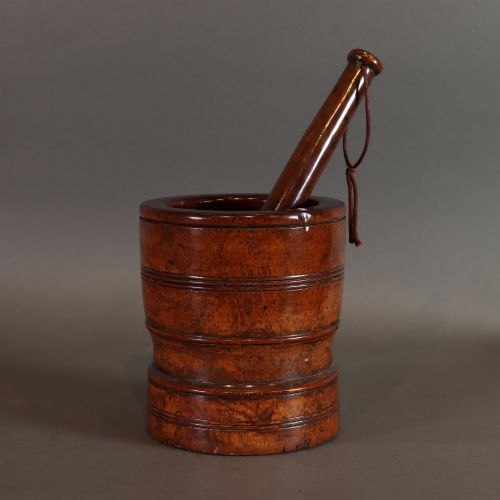
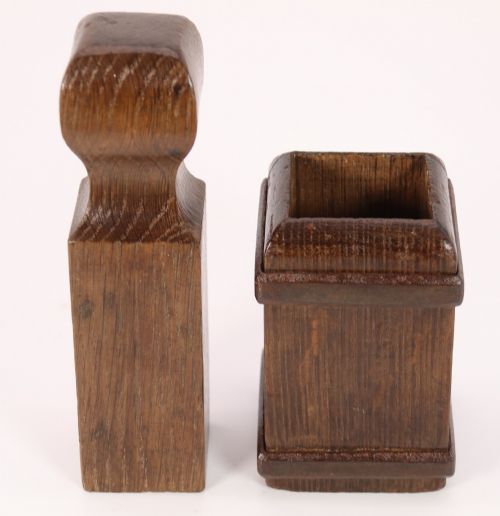
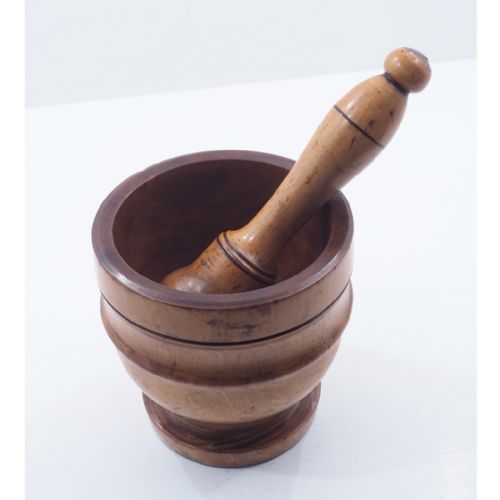
These antique wooden pestle pieces are historic kitchenware and treen items forged for grinding, pounding and crushing, offering tactile links to centuries of domestic labour.
Antique Wooden Pestle
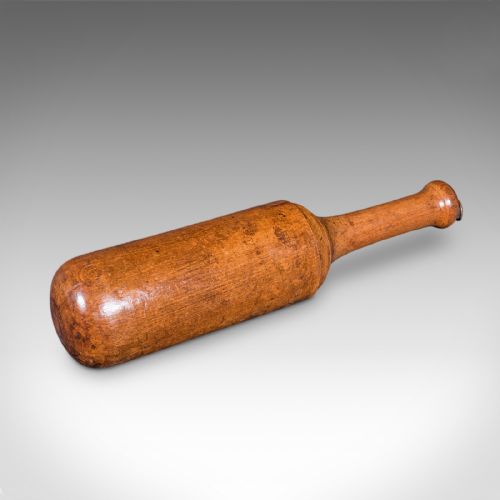
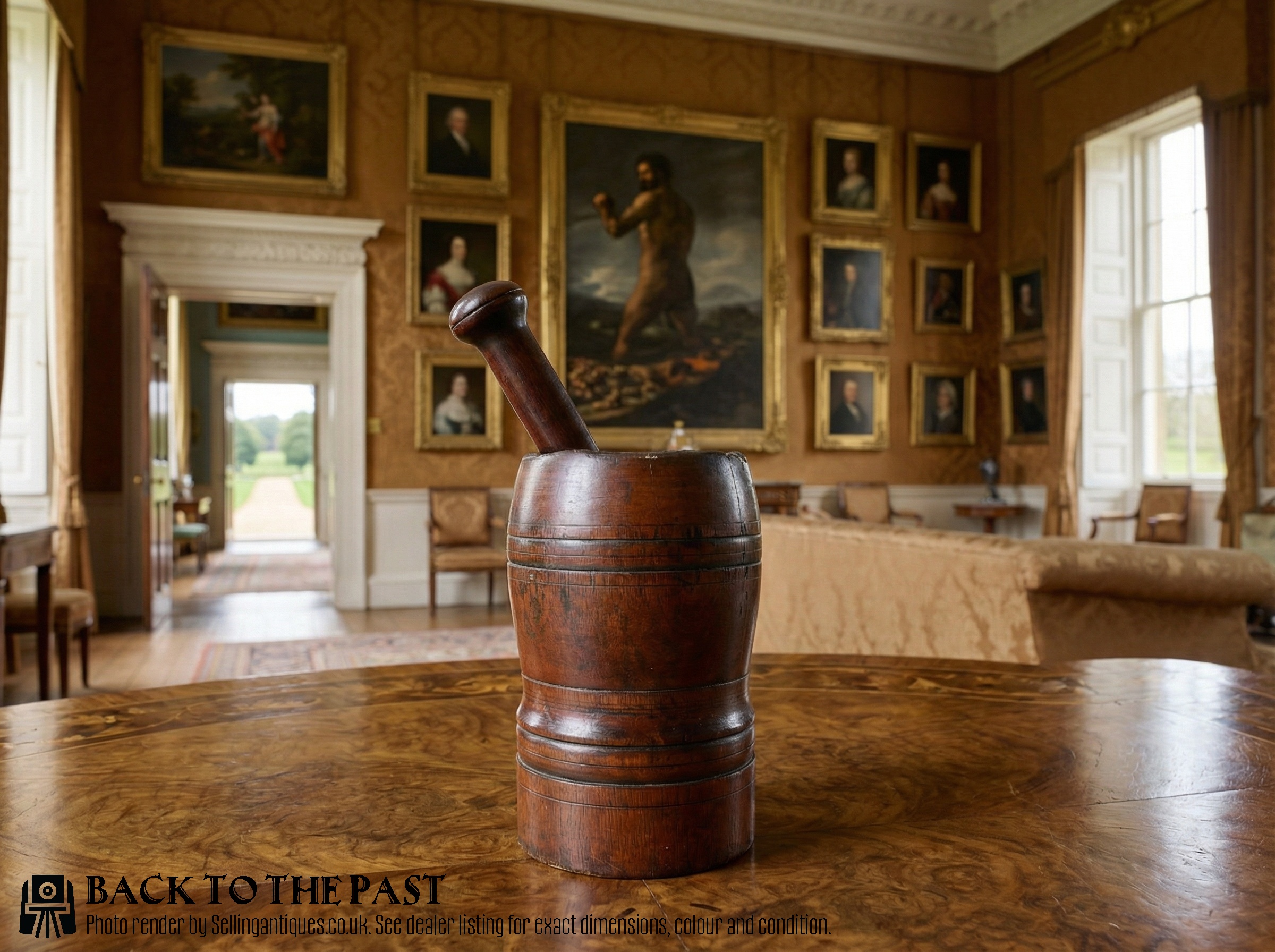
An antique wooden pestle forms part of a traditional mortar and pestle set designed for food preparation, spice grinding, and apothecary use. These implements appear alongside related kitchenware, treen items, and kitchenalia.
The versions most commonly met on this page span the seventeenth century through to the nineteenth century, including Victorian examples and country primitive pieces. Domestic and utilitarian forms predominate in the record.
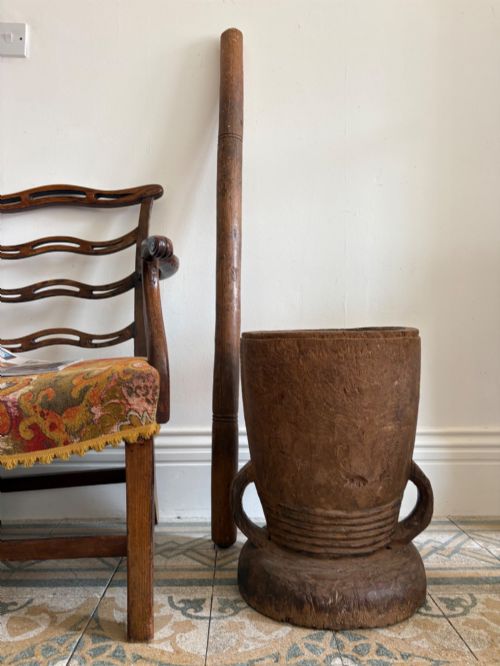
Makers shaped these tools from dense timber to withstand the force of repeated crushing. Collectors encounter various regional British and continental formats ranging from small spice grinders to large grain mortars.
How they were made
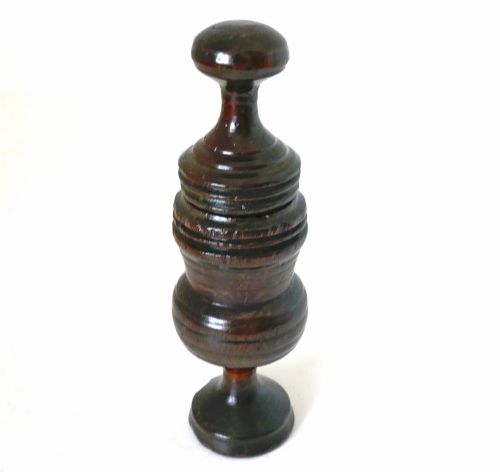
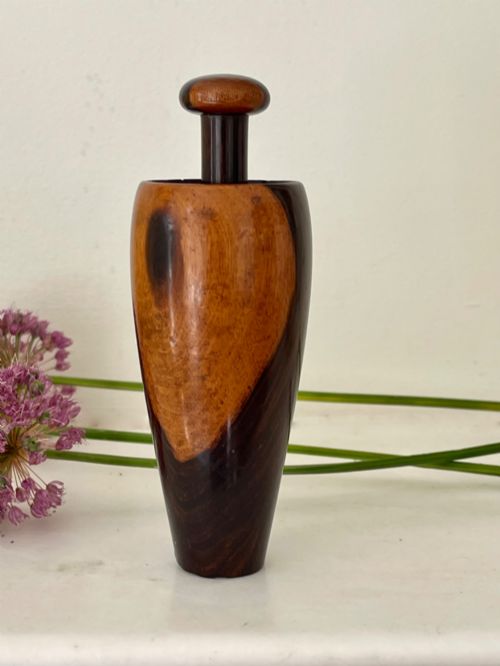
Artisans turned timber on a lathe or carved logs by hand to create the solid bodies of these pestles and mortars. Woods such as lignum vitae, sycamore, beech, oak, walnut, and fruitwood provided the necessary density.
Certain apothecary and kitchen pieces incorporate additional materials like wrought iron mountings to reinforce the wooden structure. Hand-carved tree trunk constructions appear in primitive grain pounding equipment.
Antique Wooden Pestle Retail Price Guide 2026
Typical asking prices for wooden pestle among the pieces listed under this phrase on Sellingantiques today, from the lower quarter to the upper quarter. They describe what is for sale here now, not the wider market.
Listings feature items spanning the seventeenth, eighteenth, and nineteenth centuries, including Victorian and African tribal pieces.
What varies in quality
Quality rests upon the choice of timber and the precision of the turning or carving work. Dense hardwoods like lignum vitae command attention for their heavy weight and superior durability.
The integrity of the timber surface and the harmony of the proportions dictate the aesthetic standing of each piece. Early treen examples display tool marks and patination that reflect centuries of use.
The Antique Wooden Pestle Glossary
- Treen
- Small handmade wooden domestic objects and utilitarian wares. This term encompasses everything from kitchen utensils to small turned containers.
- Lignum Vitae
- A remarkably heavy and dense dark hardwood. It resists splitting and served well for heavy crushing implements.
- Mortar and Pestle
- A bowl and club-shaped tool combination used for grinding and crushing substances. The mortar receives the material while the pestle strikes or grinds it.
- Kitchenalia
- Historic utensils and equipment once used in domestic food preparation. These items form a distinct collecting category separate from formal dining ware.
Antique Wooden Pestle: Frequently Asked Questions
What were antique wooden pestles used for?
These implements served primarily in kitchens and apothecaries for crushing herbs, grinding spices, and pounding grain or meat. Cooks and chemists relied on their sturdy construction to pulverise tough ingredients.
Over time, households kept them on kitchen counters or in workrooms for daily food preparation tasks. Their robust wooden builds ensured they could handle continuous manual pressure without shattering.
How do I identify a seventeenth-century pestle?
Seventeenth-century pieces typically exhibit early treen turning techniques, visible tool marks, and distinctive sycamore or fruitwood patination. They often display simpler, utilitarian profiles compared to later Victorian items.
Examining the wood species and the method of construction helps separate these early examples from nineteenth-century machinery. Collectors look for the dry, darkened surface character developed over hundreds of years.
How should I care for antique wooden kitchenware?
Keep wooden pestles and mortars away from direct heat sources and drastic humidity changes to prevent the timber from splitting. Dry cleaning with a soft cloth preserves the historic surface patination.
Avoid soaking these pieces in water or placing them in dishwashers. Occasional light application of food-safe mineral oil helps maintain dense hardwoods like lignum vitae.
What woods were commonly used for pestles?
Craftspeople selected dense hardwoods such as lignum vitae, beech, oak, walnut, sycamore, and fruitwood for these tools. Heavy woods provided the necessary mass for effective grinding.
Lignum vitae was particularly favoured for its extreme weight and resistance to impact. Softer woods like sycamore and beech appeared in domestic spice grinders and small treen sets.