
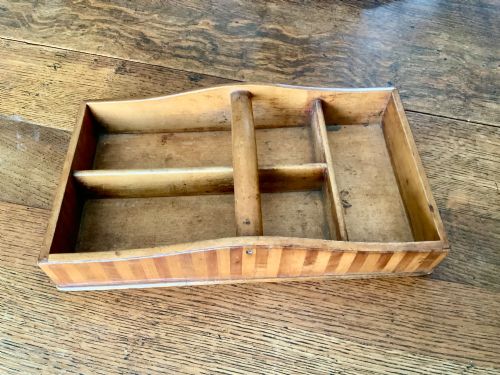


Antique Kitchen Treen
Antique kitchen treen comprises domestic turned and carved wooden utensils and containers shaped by daily use over centuries.
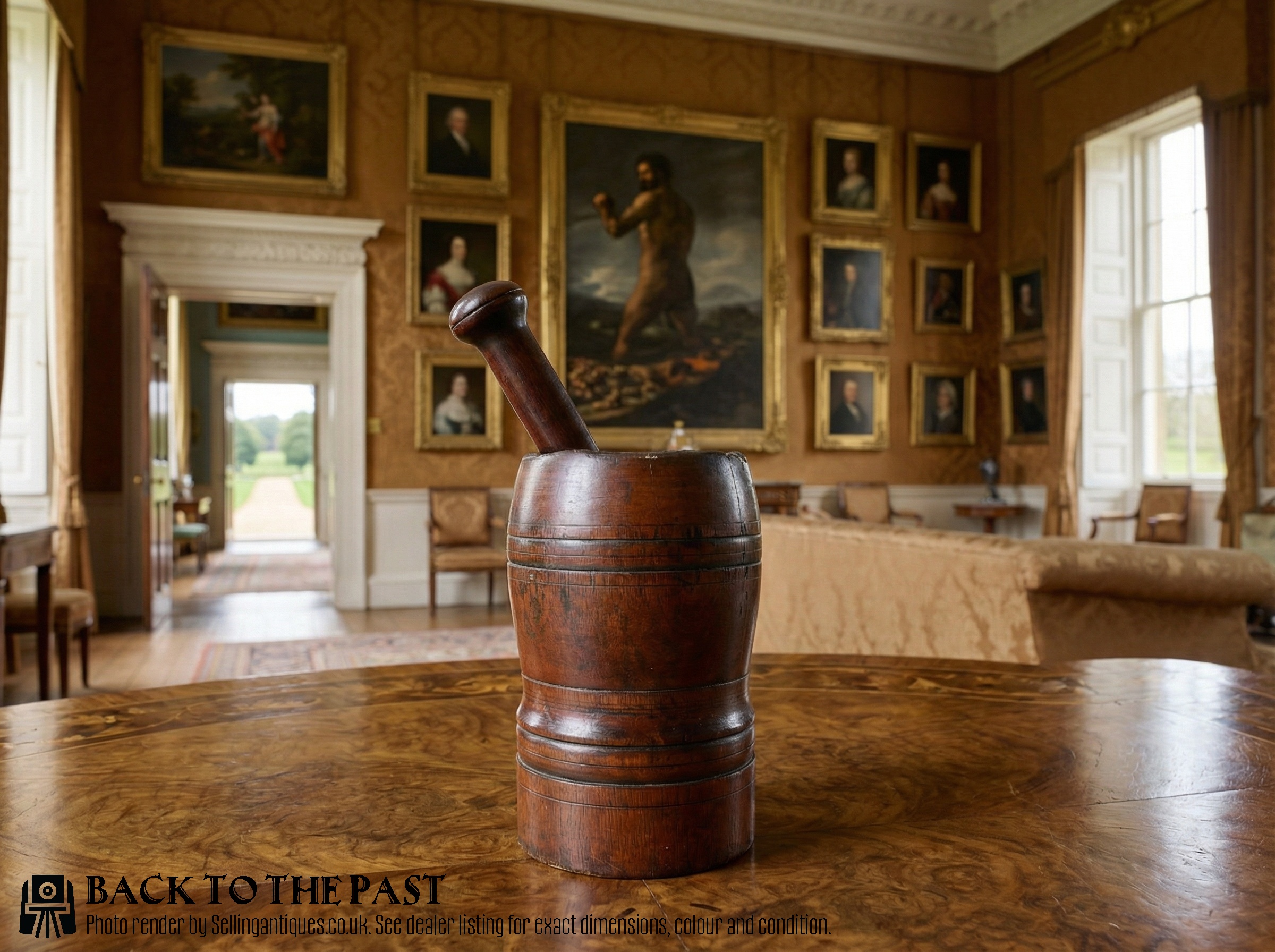
Antique Kitchen Treen
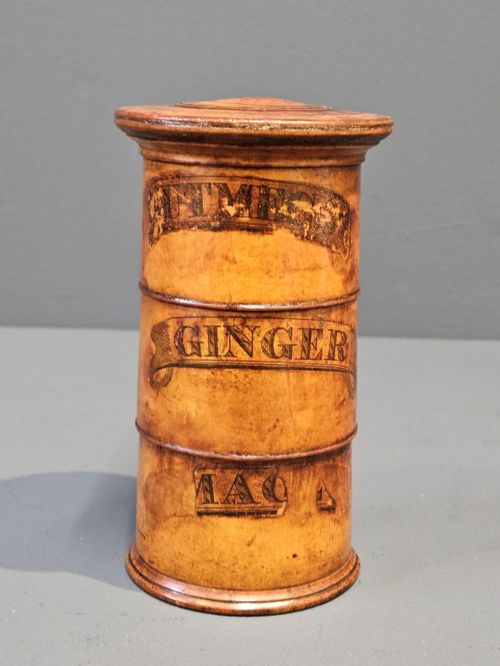
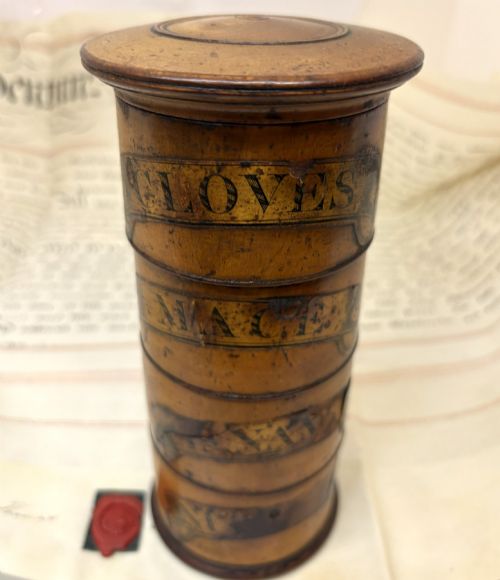
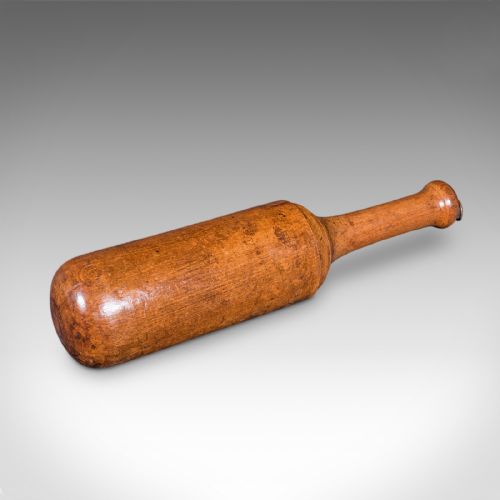
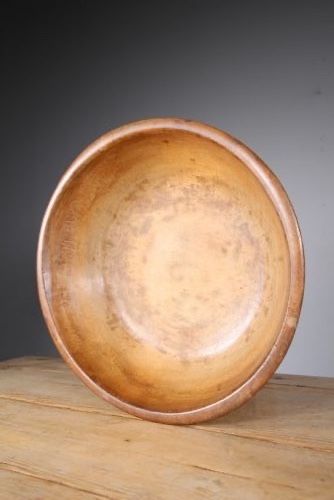
These antique kitchen treen pieces include dairy bowls, spice towers, mortars, ladles and saltboxes originating from English, Welsh, French and Scandinavian domestic settings. Buyers encounter forms designed for specific culinary tasks, such as flour scoops, lemon squeezers and butter moulds, spanning the seventeenth to nineteenth centuries.
Dairy bowls and spice towers predominate among these listings, alongside utilitarian objects like cutlery trays and steak tenderisers. The periods represented stretch from the seventeenth century through the Georgian and Victorian eras into the Edwardian period.
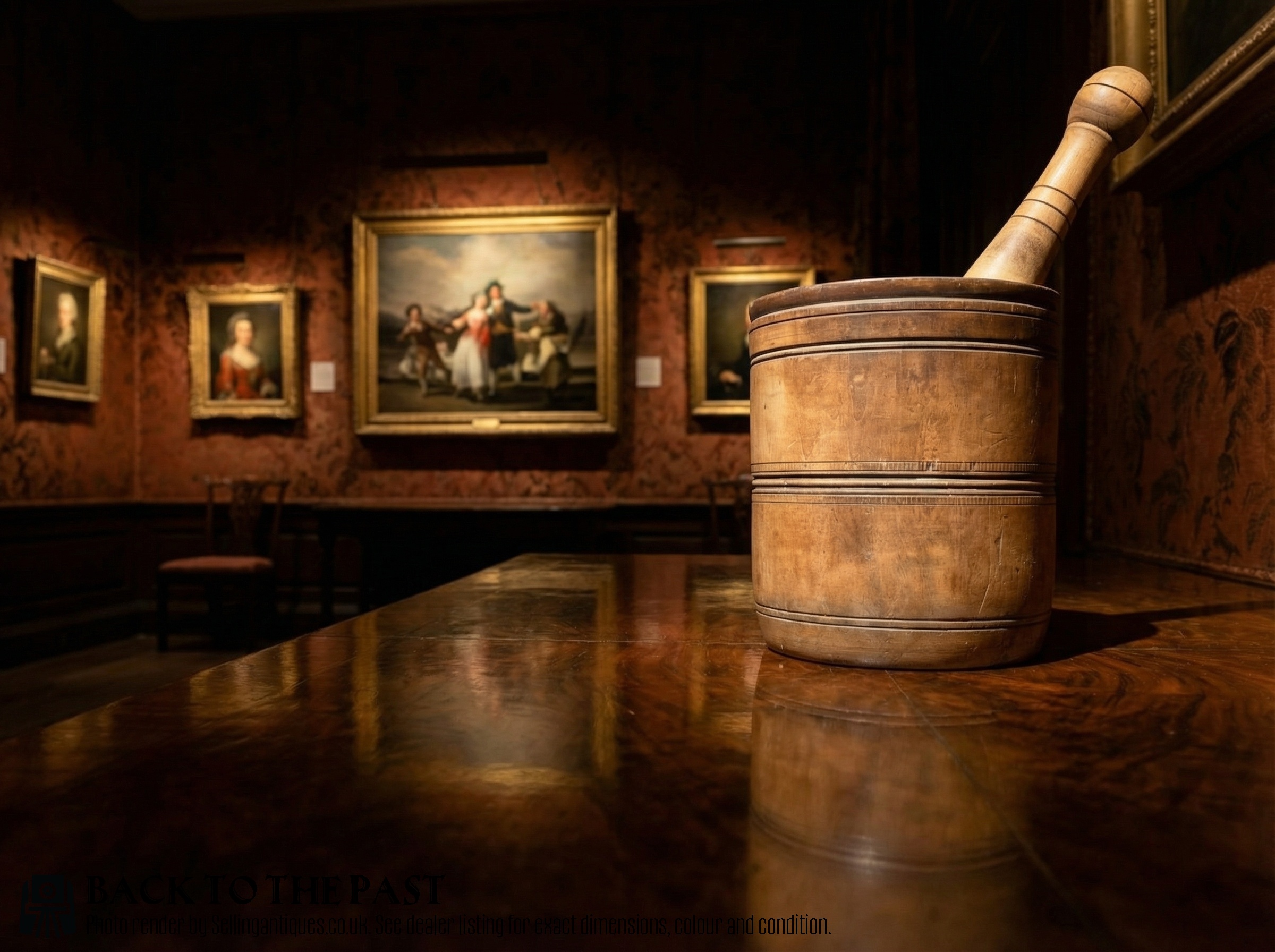
Materials and Techniques
Turners and makers utilised close-grained hardwoods such as fruitwood, sycamore, beech, boxwood and walnut. These timbers provided the durability required for daily food preparation and kitchen work.
Objects were shaped using lathes for turned containers and bowls, or carved by hand for items like spoons, ladles and troughs. Surfaces often display adzed tool marks or the smooth wear of generational handling.
Antique Kitchen Treen Retail Price Guide 2026
Typical asking prices for kitchen treen among the pieces listed under this phrase on Sellingantiques today, from the lower quarter to the upper quarter. They describe what is for sale here now, not the wider market.
Gradations of Quality
Quality rests in the crispness of the original turning and the integrity of the timber, where dense fruitwoods and well-figured sycamore retain sharper profiles than softer woods. Superior examples show balanced proportions in utilitarian forms like spice towers and dairy bowls.
Patina distinguishes finer survivals, developing from centuries of scrubbing, handling and exposure to oils and flour. Pieces retaining tool marks and unblemished structural unity stand apart from heavily altered examples.
The Antique Kitchen Treen Glossary
- Treen
- Small domestic wooden objects made by turning or carving. The word derives from Middle English, meaning tree or wood.
- Dairy bowl
- A large vessel used for setting milk and skimming cream. These bowls are typically turned from sycamore or fruitwood.
- Spice tower
- A multi-tiered turned container used for storing various culinary spices. Sections fit together horizontally before securing with a central spindle.
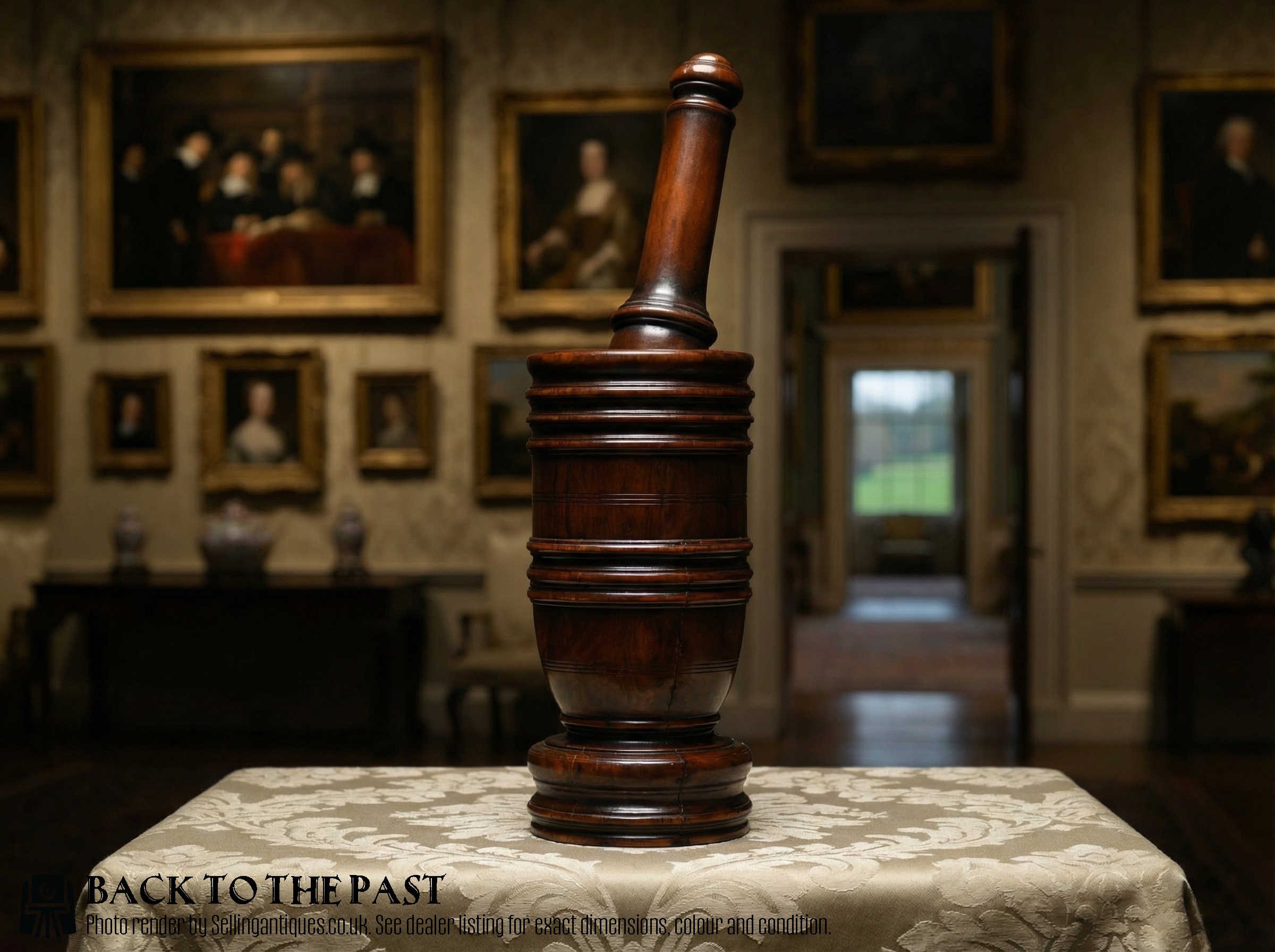
- Mortar
- A heavy bowl in which substances are crushed or ground with a pestle. Walnut and fruitwood examples date from the seventeenth century onwards.
- Searce
- A fine sieve or strainer used for sifting flour or dry ingredients. This form appears alongside other kitchen containers.
Antique Kitchen Treen: Frequently Asked Questions
How were spice towers used?
Spice towers held multiple varieties of powdered spices in stacked, turned compartments. They sat upon kitchen tables or dressers for easy access during cooking.
The individual sections unscrewed or lifted apart to access each spice compartment.
How do I date antique treen?
Dating relies upon timber species, tool marks, turning styles and wear patterns. Seventeenth-century pieces often utilise heavy fruitwoods with distinct hand-carved elements, while Victorian items show different lathe techniques.
Comparing forms against documented examples from Georgian and Victorian periods helps establish approximate decades.
How do I clean antique treen?
Antique treen requires minimal cleaning with a dry cloth or a barely damp cloth if necessary. Harsh detergents strip the accumulated historical patina.
Applying occasional neutral wax preserves the surface sheen without harming the historic timber.