


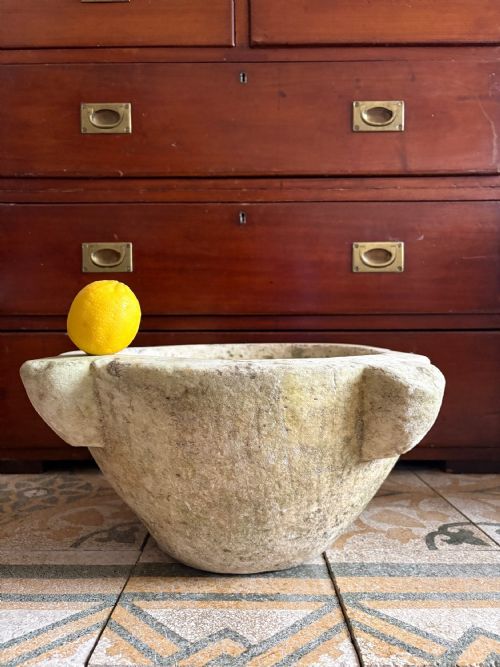

Antique Apothecary Mortar
An antique apothecary mortar offers tangible history for your kitchen counter, combining centuries of utility with heavy metal or turned wood craftsmanship.
Understanding the antique apothecary mortar
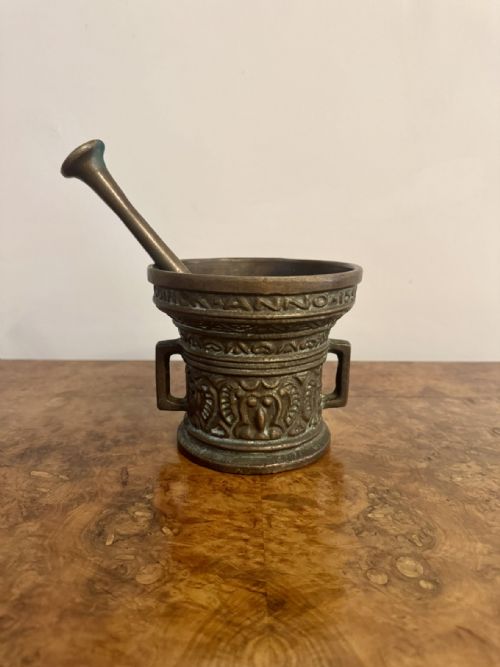
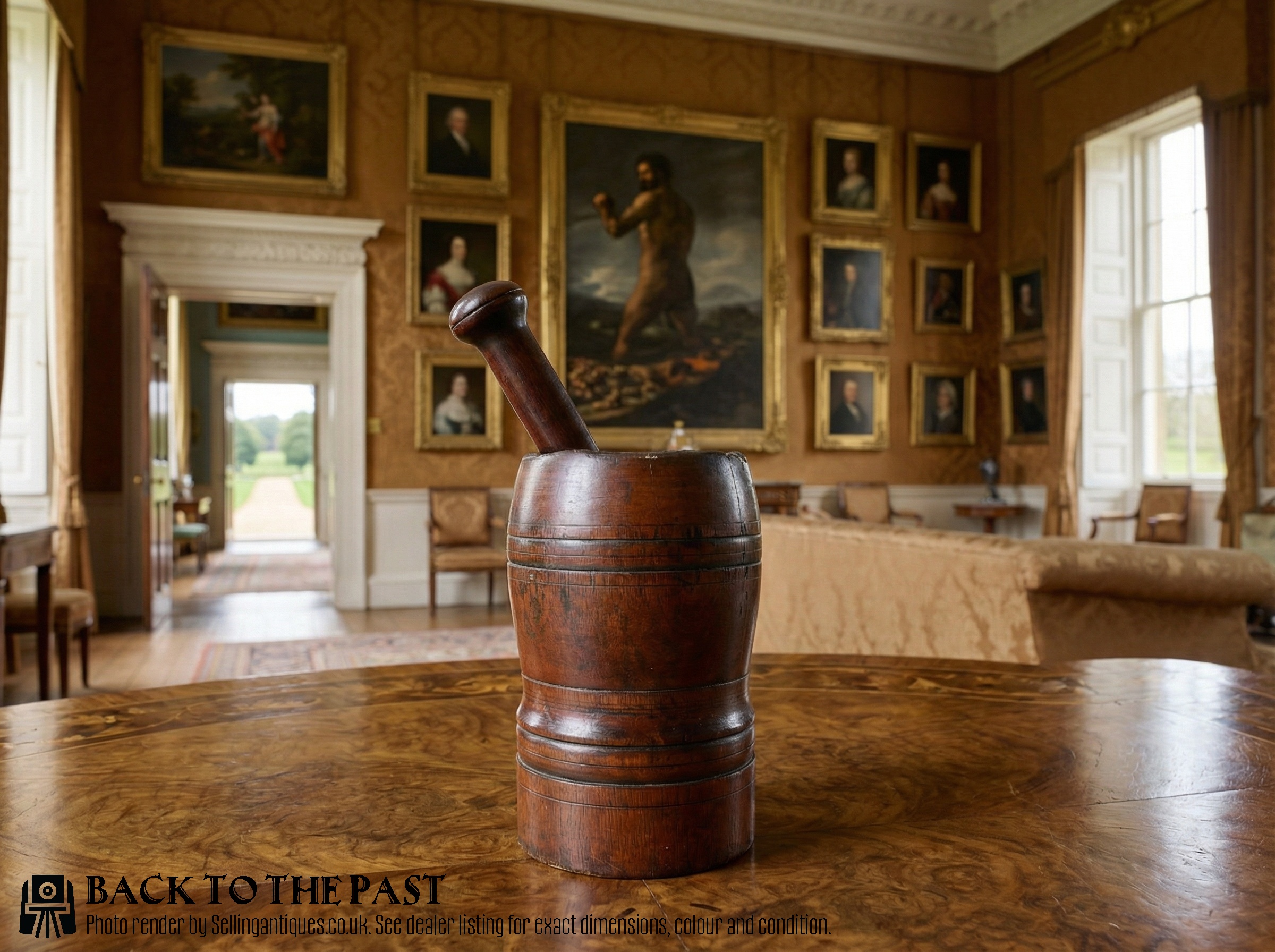
An antique apothecary mortar is a heavy vessel designed for crushing and grinding medicinal ingredients, herbs, or spices. You will find these pieces appearing across the seventeenth, eighteenth, and nineteenth centuries, spanning Georgian and Victorian eras as well as French provincial designs.
The objects listed here predominantly take the form of paired mortar and pestle sets, categorised under kitchenware and kitchen collectables. Surviving examples range from robust metal vessels to domestic treen pieces used in everyday households.
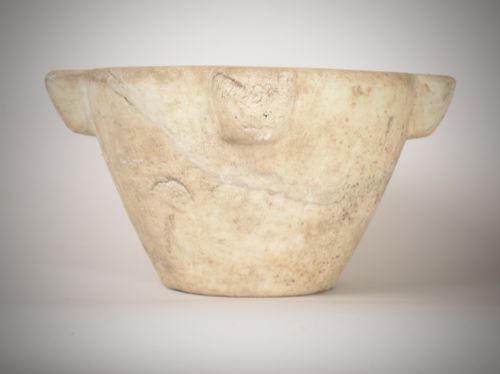
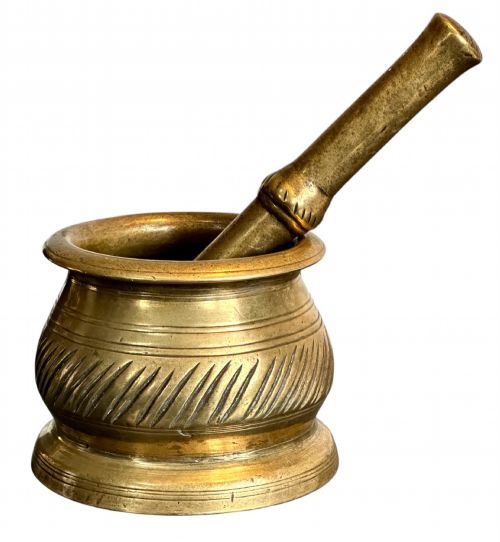
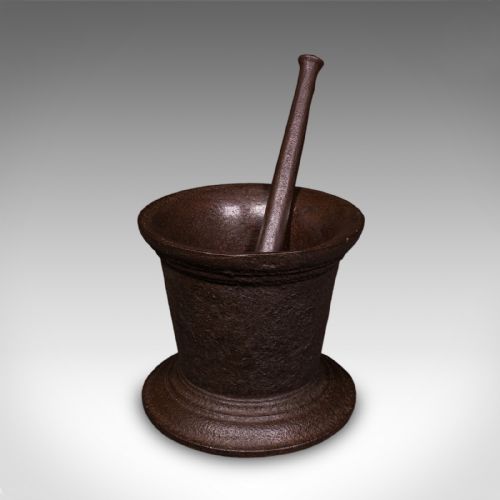
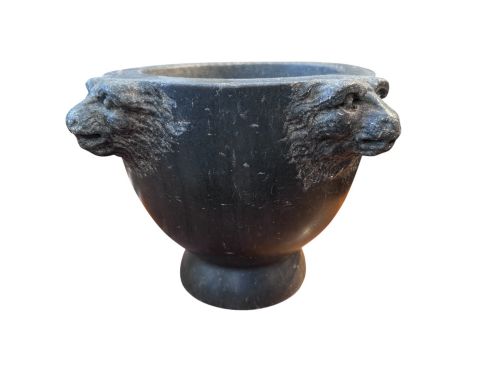
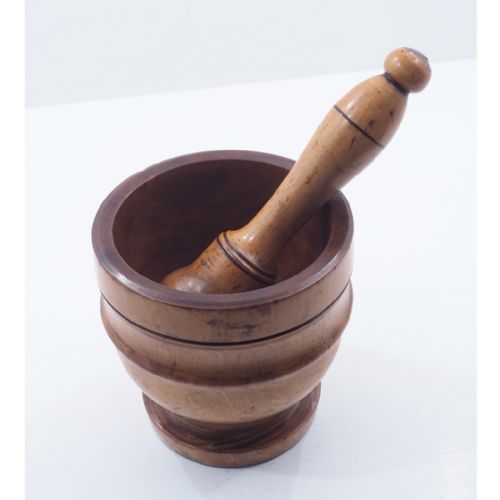
Metal versions in bronze and brass dominate the earlier centuries, whilst turned wood items in fruitwood, walnut, and general treen represent the domestic side of this tradition. A basalt mortar also appears among the continental offerings, showing the diverse materials utilised by makers.
Materials and construction methods
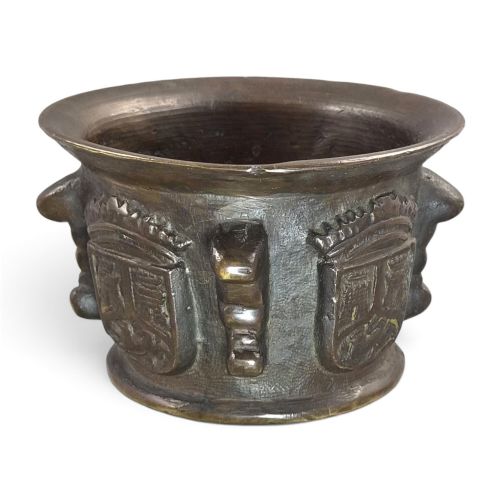
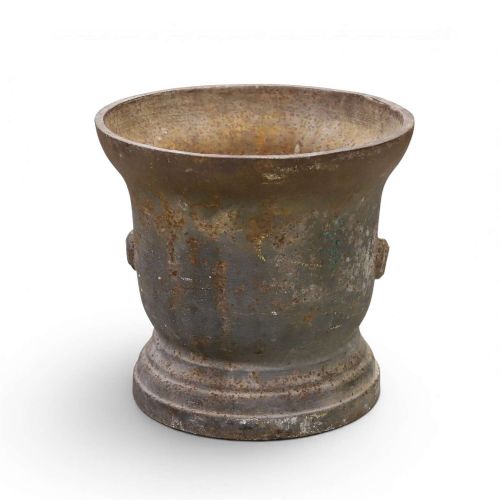
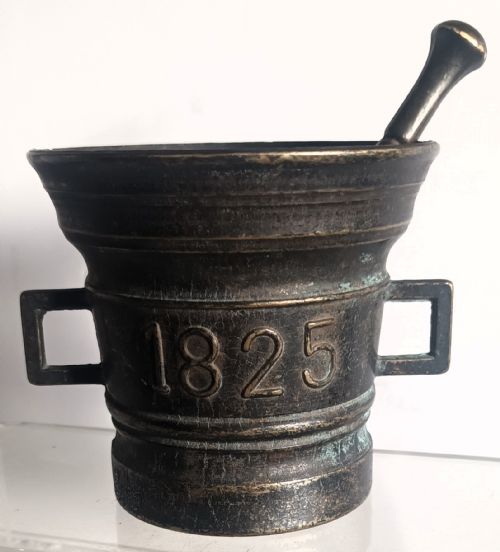
Makers cast bronze and brass vessels using traditional foundry techniques, creating thick walls capable of withstanding heavy impact from matching pestles. Metal surfaces often display characteristic casting textures and tool marks developed during production.
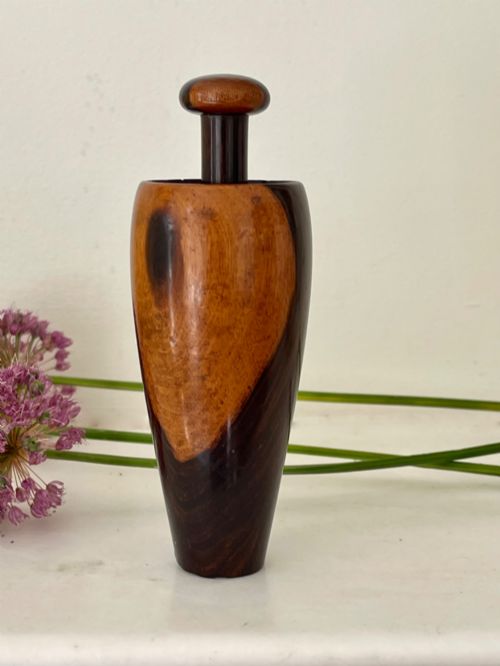
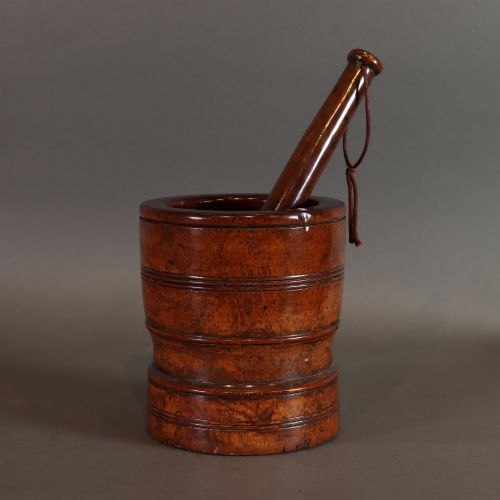
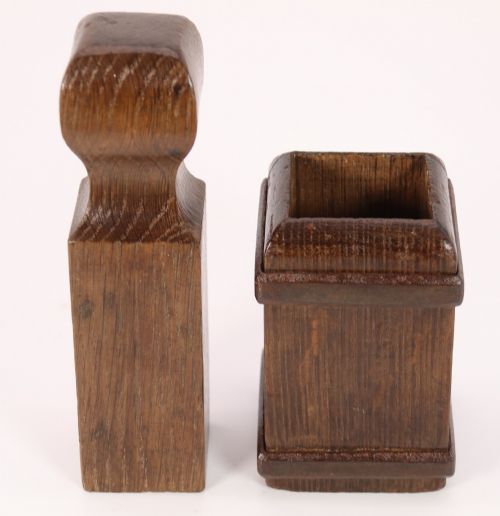
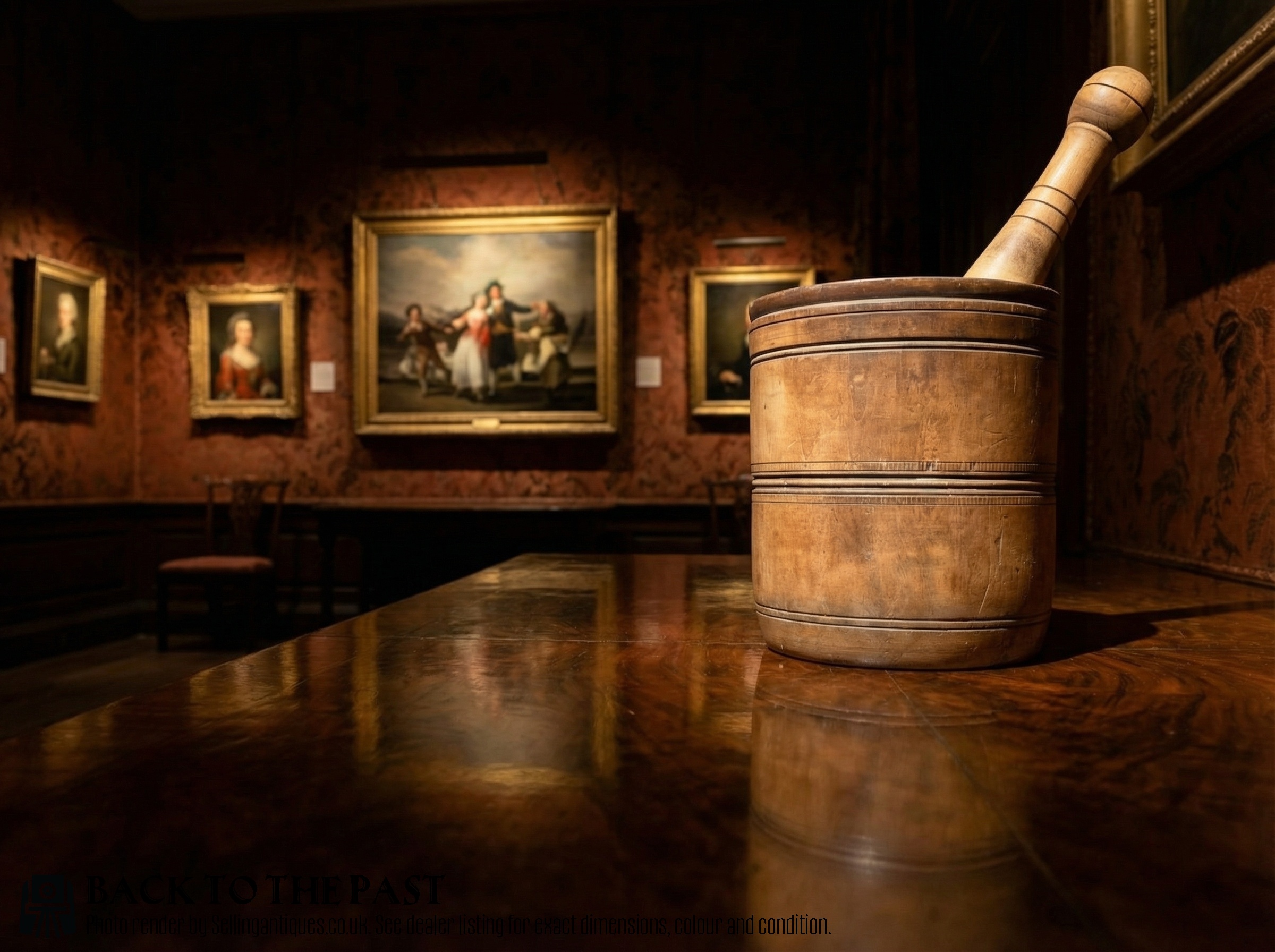
Turned wood examples utilise dense hardwoods like fruitwood and walnut, shaped on a lathe to form smooth, rounded bowls and complementary wooden pestles. These treen items rely on the natural grain and strength of the timber for structural integrity.
Retail Price Guide 2026
Typical UK retail prices for apothecary mortar, calculated from the Sellingantiques database of over a million retail prices indexed since 2003. This retail price guide relies exclusively on Sellingantiques data; no external sources or auction records are used, so the figures do not describe the wider market.
Listings feature items spanning the seventeenth, eighteenth, and nineteenth centuries, made from bronze, brass, basalt, fruitwood, and walnut.
Assessing quality and character
Quality rests in the weight of the metal and the crispness of any cast detail, distinguishing utilitarian kitchen vessels from finer apothecary tools. Heavier bronze and brass examples demonstrate substantial metal density that directly affects their durability.
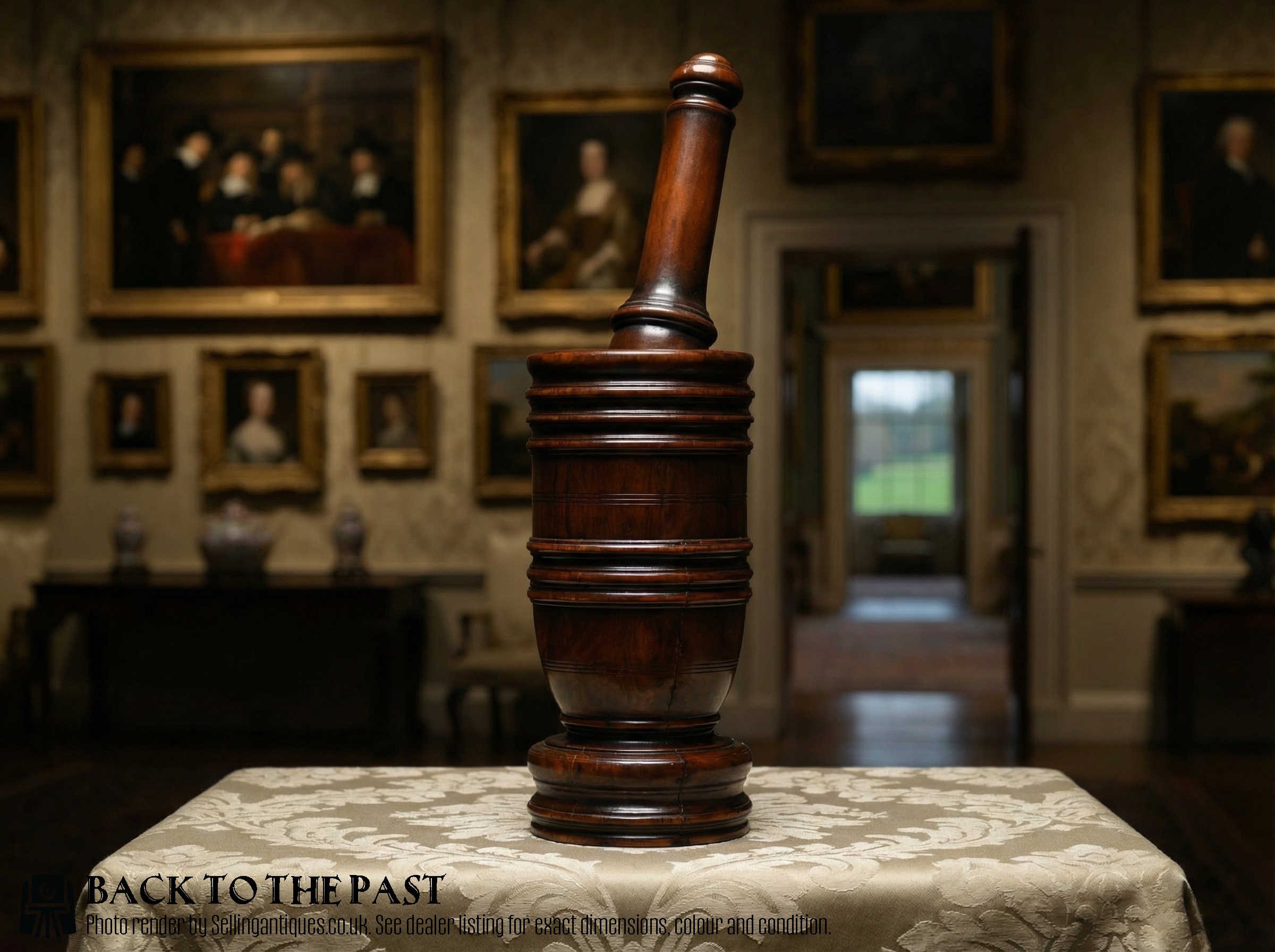
Treen pieces vary according to the skill of the woodturner, where balanced proportions and well-seasoned fruitwood or walnut define a superior object. The survival of the original matching pestle elevates the completeness and historical integrity of any set.
The Antique Apothecary Mortar Glossary
- Treen
- Small handmade wooden household objects and utensils. This term covers items like turned fruitwood bowls and mortars created before the industrial era.
- Basalt
- A fine-grained igneous rock used for pottery and vessels. It provides a dense, dark material alternative to traditional metals.
- Georgian
- The period of British history spanning the reigns of the Hanoverian kings. Pieces from this era often display classic proportions and restrained ornamentation.
- Carolean
- The period covering the reign of King Charles II. Items from this time exhibit seventeenth-century craftsmanship and distinct early forms.
Frequently Asked Questions
How were apothecary mortars used historically?
Apothecaries and domestic cooks utilised these vessels to grind, crush, and mix dry ingredients, medicinal herbs, and resins into fine powders or pastes. The heavy pestle provided the necessary force against the thick interior walls of the mortar.
Over centuries, these tools moved between professional apothecary shops and domestic kitchens, serving as essential equipment for food preparation and early medical compounding.
What is the difference between brass and bronze mortars?
Bronze contains primarily copper alloyed with tin, resulting in a heavier, darker, and more sonorous metal frequently seen in seventeenth and eighteenth-century examples. Brass is an alloy of copper and zinc, generally displaying a brighter golden hue.
Both metals provided the required mass and durability to absorb repeated impacts without cracking during the grinding process.
How do I date an antique mortar?
Dating relies on material choice, stylistic clues, and manufacturing marks such as casting texture or lathe turning patterns. Seventeenth-century metal pieces often feature simple flared rims and date inscriptions, whilst Georgian and Victorian examples show refined turning or standardised chemist forms.
Comparing the vessel to documented pieces from similar periods helps establish a reliable timeline for its creation.
Can I use an antique mortar for cooking?
While these vessels were originally made for kitchen and apothecary use, historical metal and wood pieces require careful handling today. Older bronze, brass, or wooden surfaces can absorb oils or react with certain foods depending on their composition and previous use.
Most collectors prefer to display them as decorative historical objects rather than subjecting them to modern culinary tasks.