

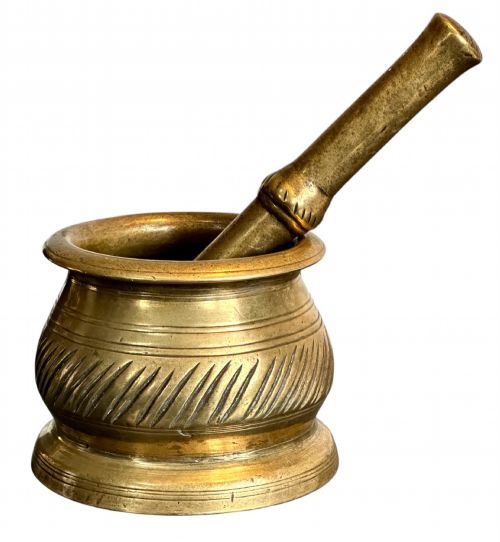

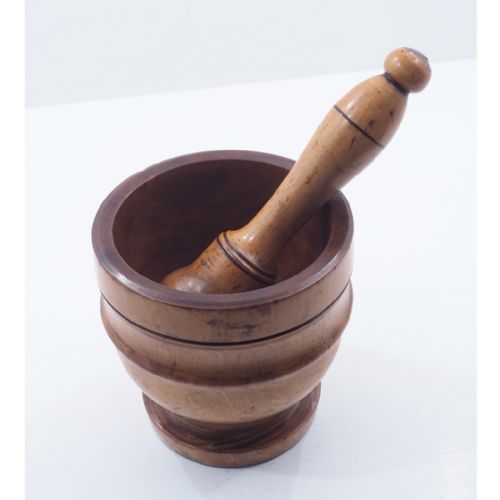


Antique Herb Grinder
An antique herb grinder brings domestic alchemy into the modern kitchen, offering heavy bronze or dense turned wood for everyday culinary crushing.
What an antique herb grinder is
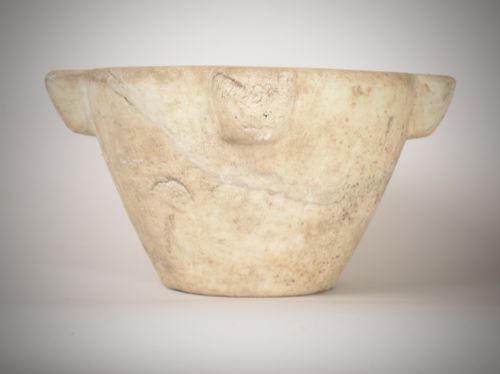
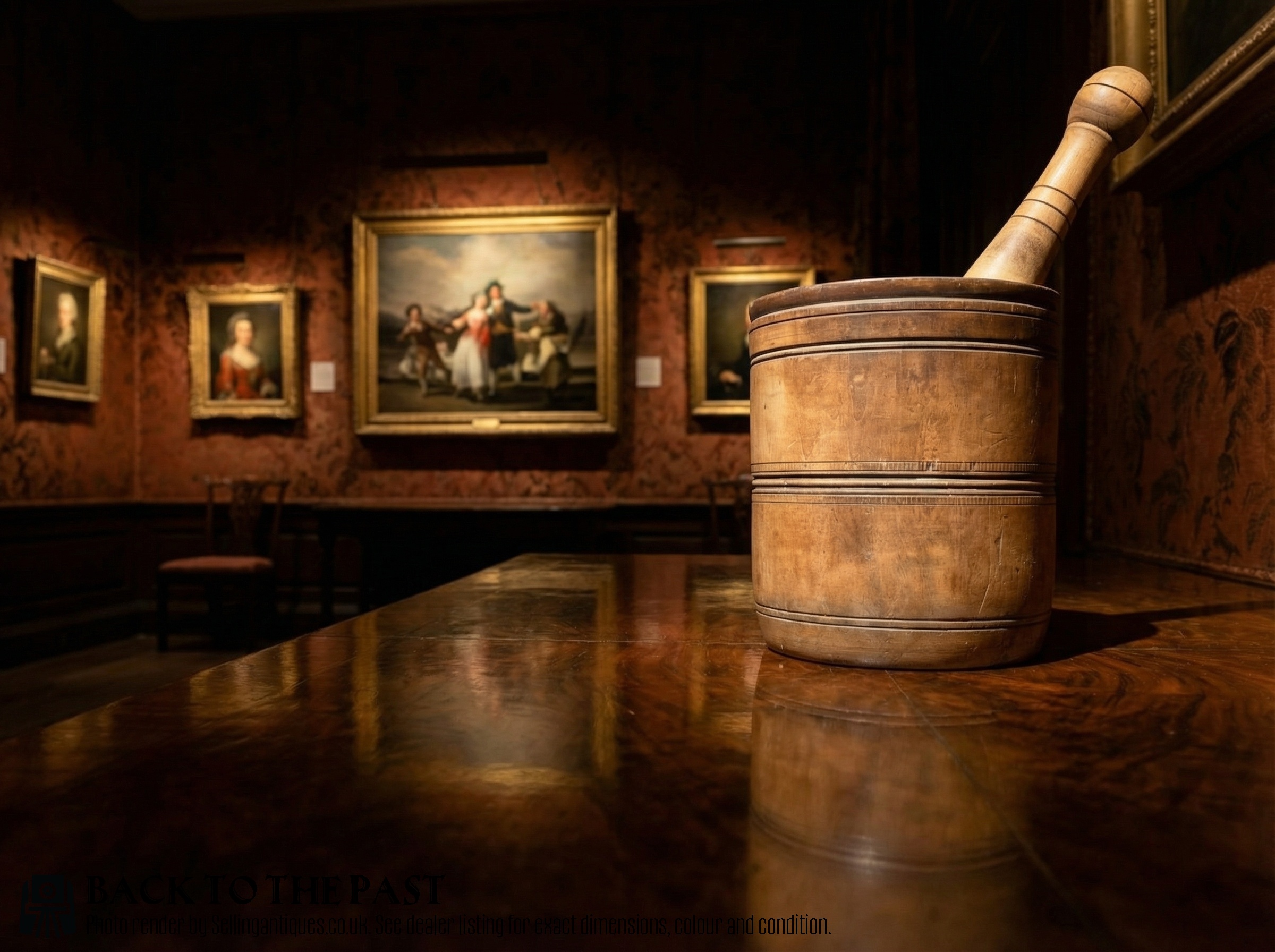
When you search for an antique herb grinder, you encounter heavy kitchen vessels and apothecary implements designed to crush spices, seeds, and medicinal leaves. These pieces combine a solid bowl with a matching pestle for manual reduction.
The versions you meet on this page span several centuries, featuring utilitarian country treen alongside robust metal foundry work. English and Dutch examples dominate, ranging from modest domestic items to large kitchen collectables.
Forms include classic mortars and pestles originating from the seventeenth century through to the mid nineteenth century. Each piece reflects the daily preparation habits of past households, whether in a country kitchen or an apothecary shop.
How they were made
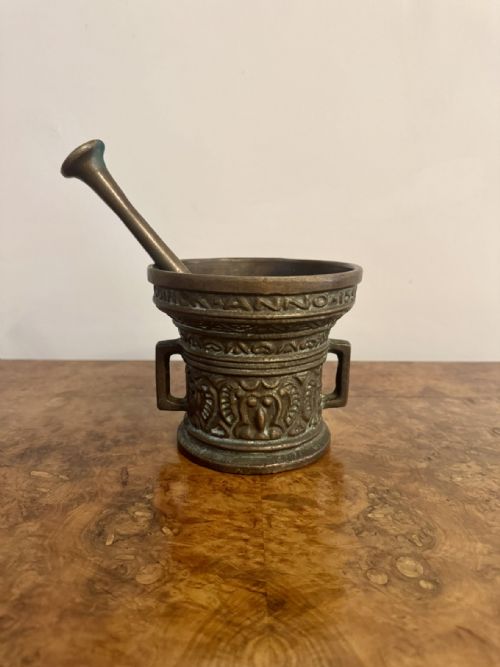
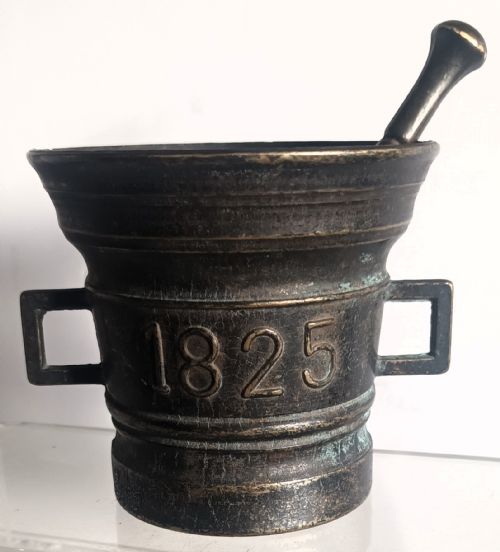
Metal items rely on foundry casting, producing thick bronze walls designed to withstand heavy pestle impacts without cracking. Founders poured molten metal into moulds before finishing the exterior with surface tooling.
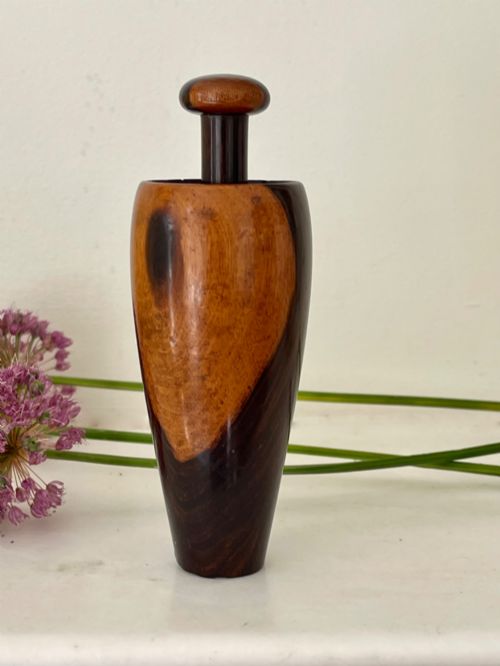
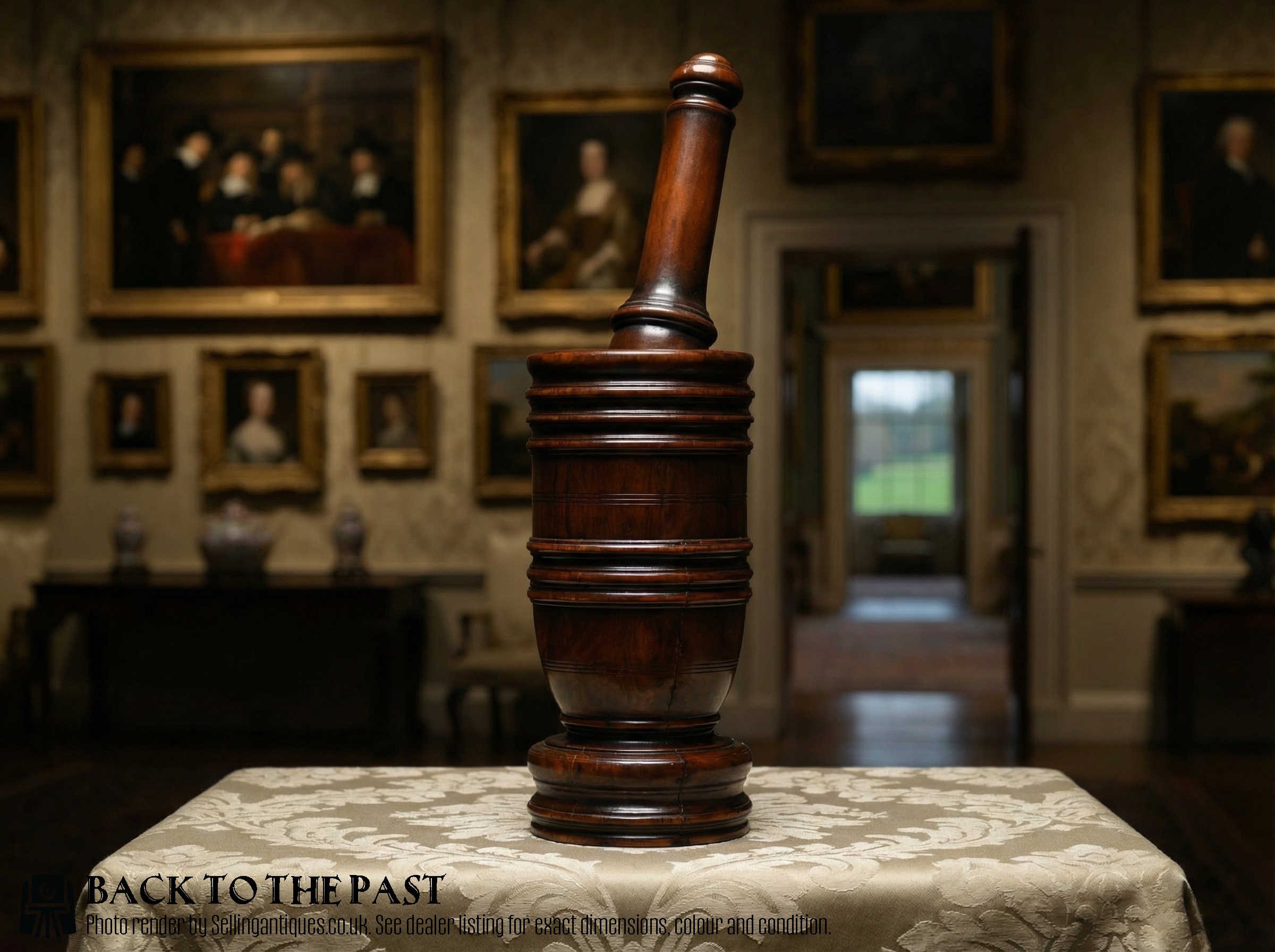
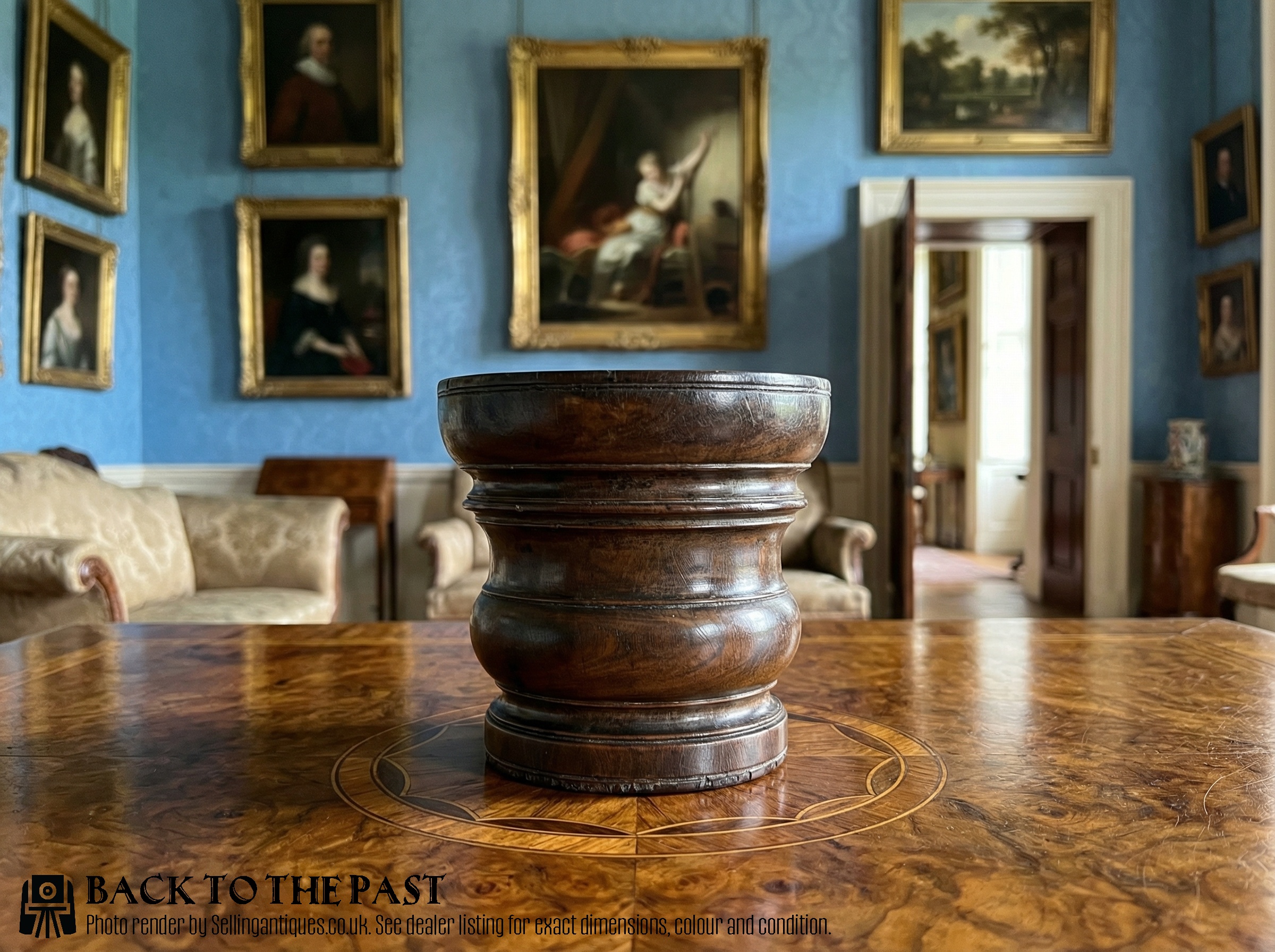
Wooden examples utilise dense timbers such as walnut, hardwood, and lignum vitae turned on a lathe. Craftsmen selected heavy, oily woods to prevent the bowl from absorbing moisture and oils during grinding.
Retail Price Guide 2026
Typical UK retail prices for herb grinder, calculated from the Sellingantiques database of over a million retail prices indexed since 2003. This retail price guide relies exclusively on Sellingantiques data; no external sources or auction records are used, so the figures do not describe the wider market.
Lignum vitae is so dense that it sinks straight to the bottom of water like a stone.
What varies in quality
The character of the material dictates the upper tier of these pieces, particularly when dense lignum vitae displays deep, rich grain patterns from careful turning. Superior metal items show crisp casting detail and balanced wall thickness rather than crude, hasty shaping.
Proportion and matching pestles elevate a piece above standard utility. A pestle that retains its original weight and matches the wear pattern of the mortar demonstrates a cohesive history of domestic use.
The Antique Herb Grinder Glossary
- Mortar
- A heavy bowl with a thick base designed to contain substances while a pestle grinds them. It forms the primary vessel in kitchen and apothecary collections.
- Pestle
- A heavy, club-shaped hand tool used for pounding and grinding materials inside a mortar. It pairs directly with the bowl to reduce herbs and spices.
- Treen
- Small handmade wooden household objects and utilitarian wares. This term encompasses the turned bowls found in country kitchens.
- Lignum vitae
- An extremely dense and heavy hardwood historically prized for its durability and oily nature. Turners utilised this wood for items requiring immense strength.
- Bronze
- An alloy of copper and tin utilised for casting durable domestic and apothecary vessels. This metal resists corrosion from moist herbs and roots.
Frequently Asked Questions
What were antique mortars made from?
These implements appear in durable metals like bronze alongside dense timbers including walnut and lignum vitae. Each material provided the necessary weight to withstand continuous pestle strikes.
Craftsmen selected these substances specifically to prevent the vessel from splitting or absorbing potent botanical oils during daily use.
How do I date an old grinder?
Dating relies upon stylistic markers, material choices, and manufacturing techniques such as early lathe turning or sand casting. Seventeenth-century wooden pieces often display robust, simpler proportions compared to later Victorian items.
Examining the wear patterns and tool marks left by the maker helps place the piece within a specific century.
Can I still use these for cooking?
Many bronze and wooden vessels remain structurally sound for crushing dry spices and herbs in a modern kitchen. However, buyers should assess the interior surface condition and cleanliness before food preparation.
Historic treen requires gentle hand maintenance to preserve the dry historic wood without causing splitting.
Why do some have matching pestles?
Finding a mortar accompanied by its original pestle ensures a balanced grinding surface where the tool fits the contours of the bowl. Many historic pieces became separated over centuries of household use.
Original pairs share identical wear characteristics and material patination developed through decades of shared labour.