


Antique Treen Mortar
An antique treen mortar is a turned vessel for grinding materials, offering tactile history and honest utility for the modern home.
Antique Treen Mortar
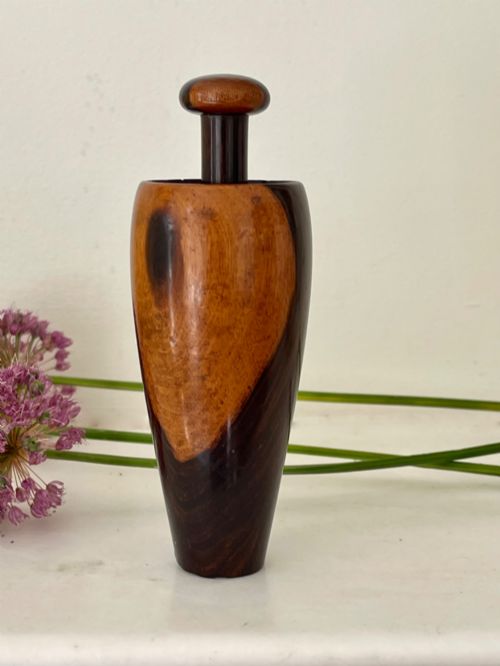
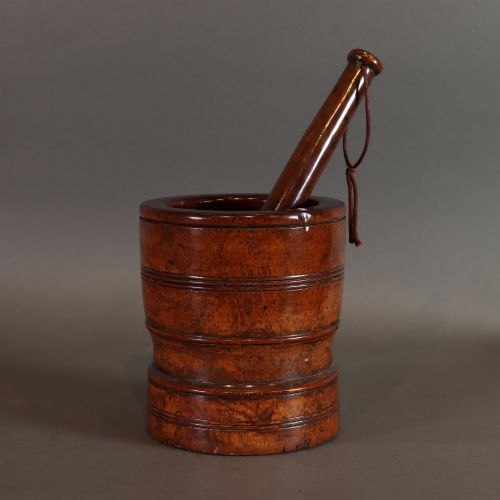
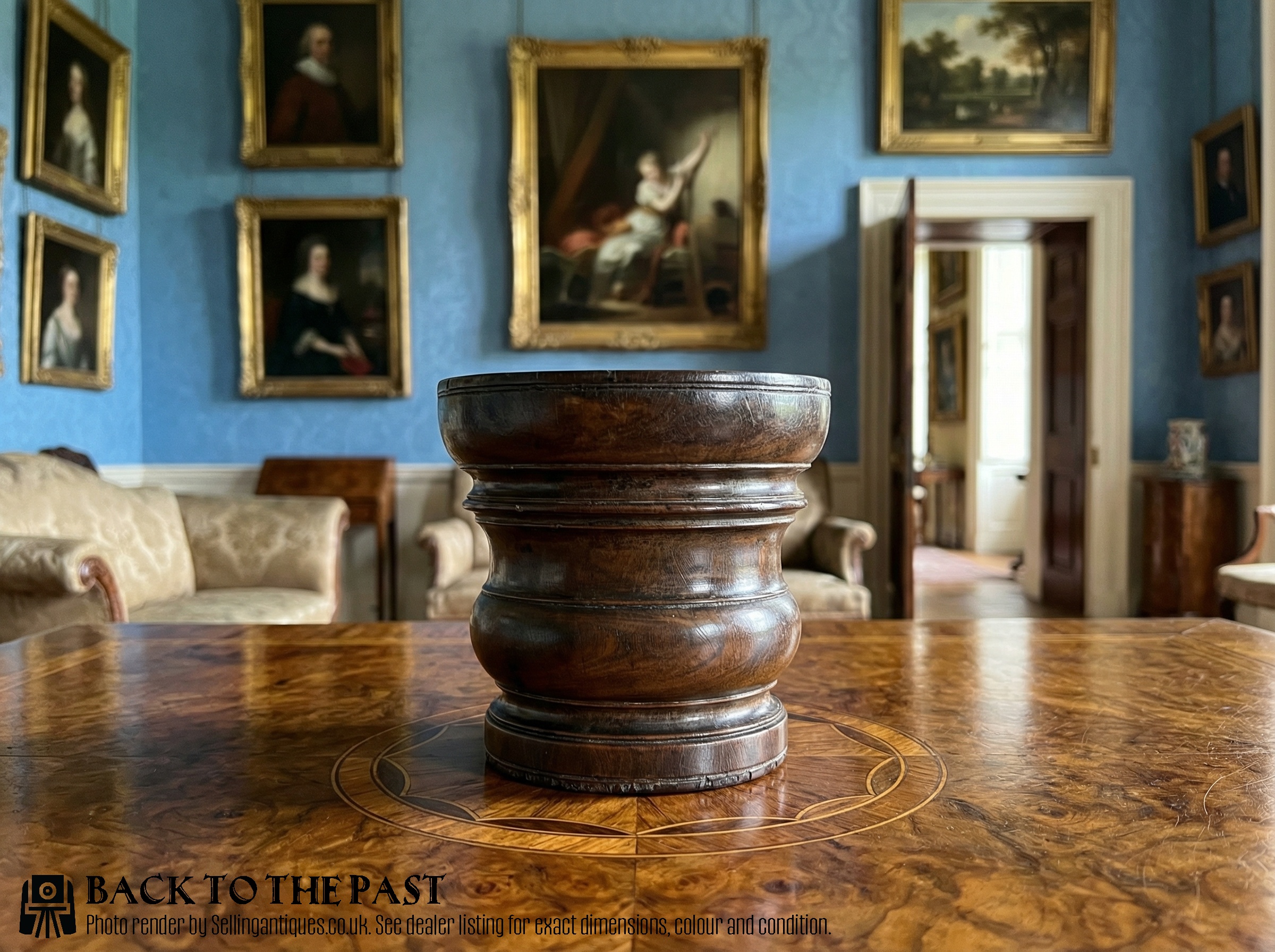
When you examine an antique treen mortar, you encounter a turned wooden vessel designed alongside a matching pestle for culinary, apothecary or domestic use. These implements span from the seventeenth century through to the nineteenth century, reflecting centuries of utilitarian craftsmanship.
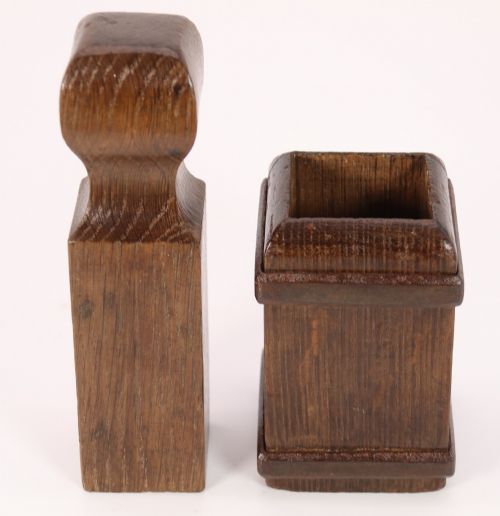
You are most likely to meet turned lignum vitae or fruitwood examples on this page, often dating from the seventeenth or nineteenth centuries. The forms range from small snuff mortars to larger apothecary and kitchen vessels, occasionally accompanied by wrought iron mounts or pestles.
These pieces survive from domestic kitchens, apothecary shops and personal pockets, preserving the marks of daily grinding and pounding. Their presence in traditional treen and kitchenalia collections demonstrates a sustained appreciation for vernacular wooden objects.
How they were made
Turners shaped these vessels on pole lathes and foot-powered lathes, securing dense hardwoods to carve symmetrical bowls and matching pestles. The choice of material dictated the utility, with heavy timbers chosen to withstand the force of crushing and pounding.
Makers utilised dense timbers such as lignum vitae, walnut, oak, fruitwood and sycamore, selecting each log for its grain and resistance to splitting. Certain pieces incorporate wrought iron mounts to reinforce the structure against heavy pressure.
Antique Treen Mortar Retail Price Guide 2026
Typical asking prices for treen mortar among the pieces listed under this phrase on Sellingantiques today, from the lower quarter to the upper quarter. They describe what is for sale here now, not the wider market.
Several miniature vessels on record were made specifically for grinding snuff, tucked into pockets for a quick dose on the move.
What varies in quality
The sophistication of the turning separates everyday kitchen tools from finer cabinet pieces, visible in the precision of the rim profiles and the balance of the proportions. Early seventeenth-century examples often display crisp, deep mouldings shaped on the pole lathe.
The choice of timber heavily influences the desirability of the piece, with dense, figured lignum vitae commanding strong interest compared to simpler utility timbers. Surface patination accumulated through handling and use completes the visual hierarchy.
The Antique Treen Mortar Glossary
- Treen
- Small handmade wooden objects for domestic use. The term derives from the old English word for tree.
- Lignum vitae
- A dense, heavy tropical hardwood prized for its oily nature and resistance to splitting. Turners frequently selected this timber for mortars.
- Apothecary
- A practitioner who prepared and sold medicines. Apothecary mortars held medicinal herbs and substances for crushing.
- Pole lathe
- A traditional woodturning lathe driven by a treadle and a flexible pole overhead. This tool left characteristic circular tool marks on early vessels.
Antique Treen Mortar: Frequently Asked Questions
What were antique treen mortars used for?
These vessels served to grind spices, herbs, medicines and snuff for domestic and apothecary use. The heavy pestle crushed dry ingredients against the interior base of the bowl.
Over decades of daily service, the friction smoothed the wood and polished the surfaces through repeated hand contact.
How do I date an old wooden mortar?
Dating relies upon the turning style, timber choice and tool marks left by the maker. Seventeenth-century pieces often display deeper tool signatures and heavier proportions.
Comparing the rim profile and base construction against dated historical examples helps establish the likely decade of manufacture.
Can I still use my mortar for cooking?
While these vessels were built for kitchen and apothecary work, most collectors now preserve them as decorative antiques. Historic timber can absorb oils or moisture from modern food preparation.
Gentle dry display allows the aged patination and grain to remain untouched by modern culinary use.
Why is lignum vitae so common for mortars?
Lignum vitae provides exceptional weight and density, preventing the mortar from sliding during vigorous pounding. Its natural natural oils also resist moisture and cracking under heavy pressure.
Turners valued this timber above softer woods for any task requiring sustained physical force.