

Antique Wooden Vessel
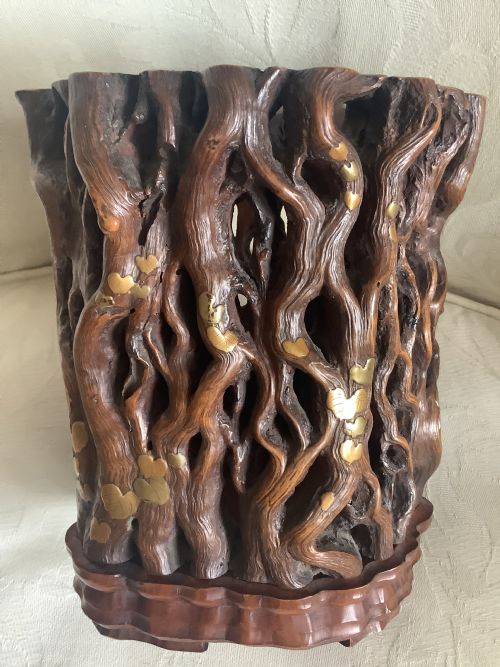
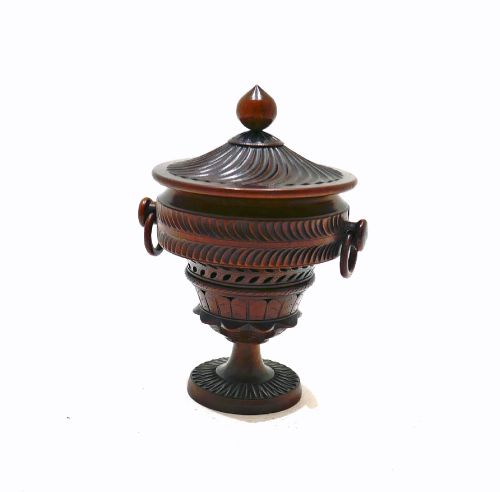
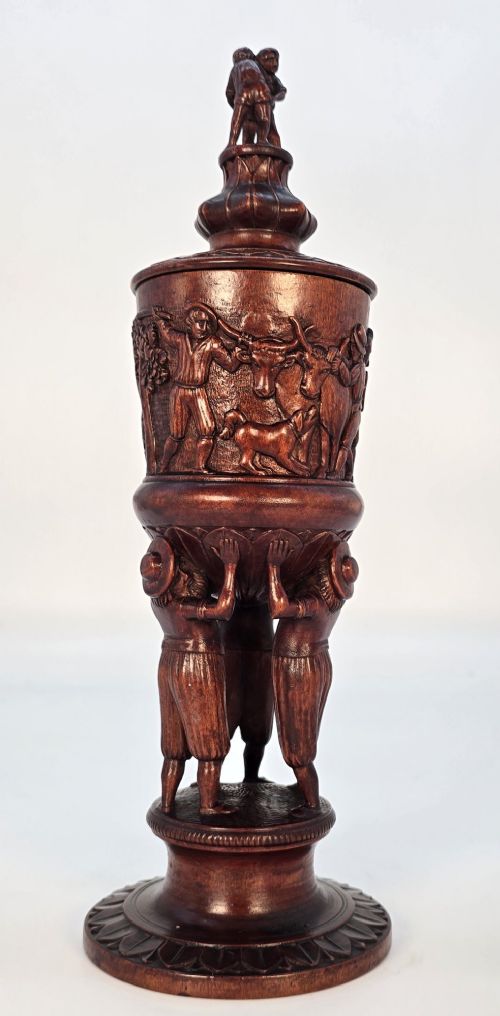
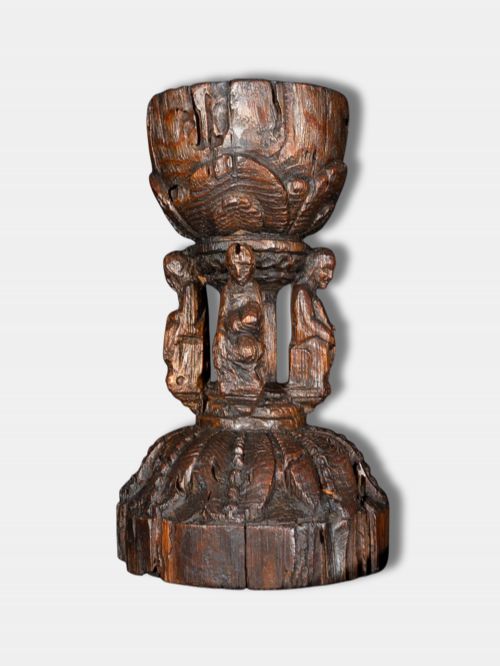
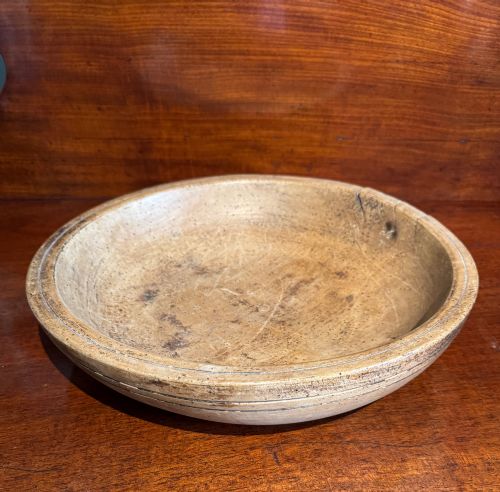
An antique wooden vessel holds centuries of domestic and utilitarian history, ranging from turned sycamore dairy bowls to carved walnut lidded urns.
Antique Wooden Vessel
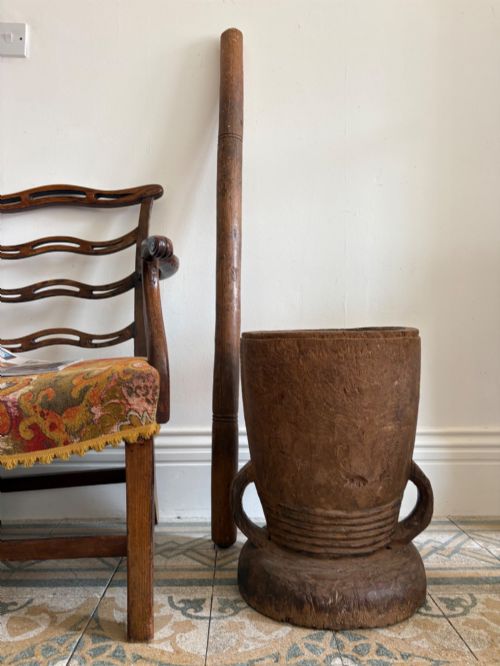
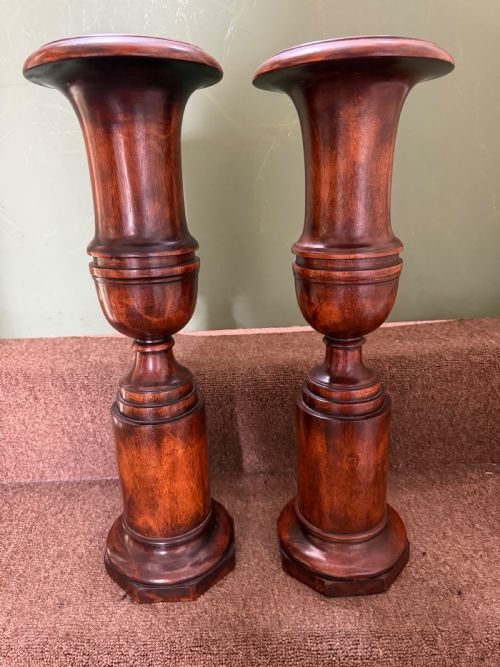
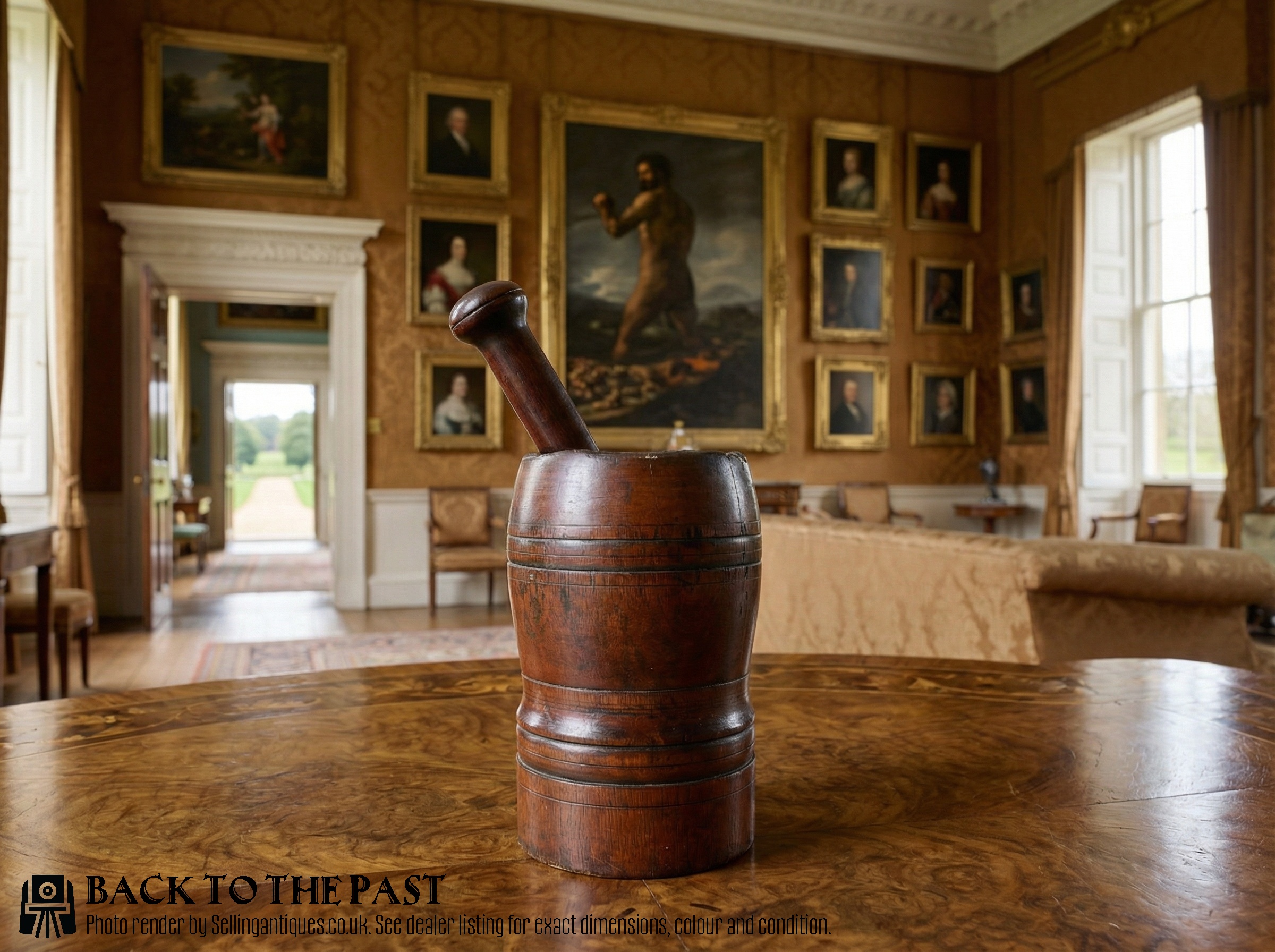
The objects stem from various regions, including English provincial workshops, Scandinavian country homes and French farmhouses, reflecting distinct local traditions of woodturning and carpentry. utilitarian forms such as flour bins, grain measures and mortar and pestle sets sit alongside decorative items like neoclassical vases and treen lidded cups.
Domestic pieces often show clear signs of past utility, whereas decorative vessels display finer carving and styling influenced by Georgian, Regency or neoclassical design. Both categories share a reliance on traditional timber manipulation, offering tangible connections to historical domestic life.
How they were made
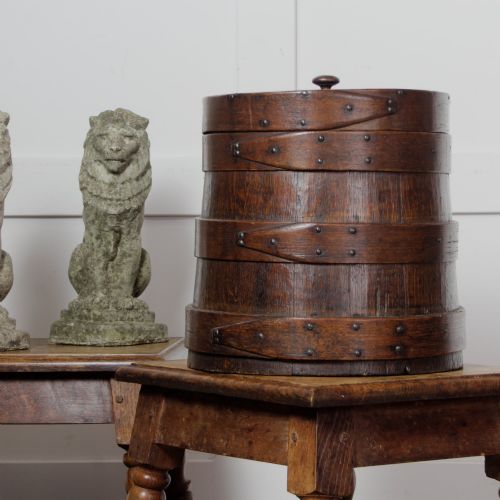
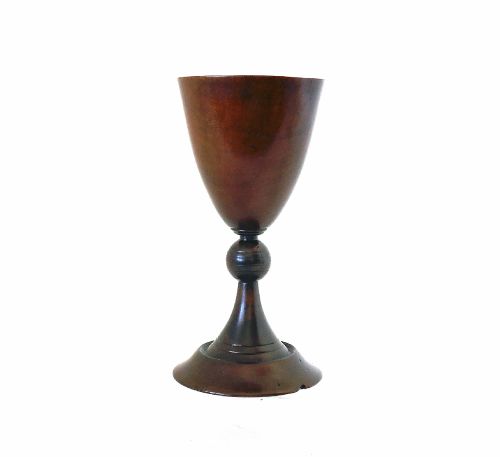
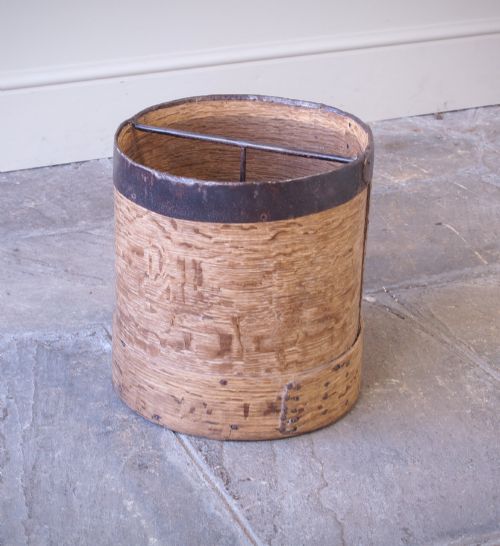
Many hollow forms utilise cooperative techniques, binding individual wooden staves together with iron or brass bands to create durable barrels, buckets and grain bins. Other pieces, such as goblets, chalices and bowls, are shaped on a lathe from a single block of dense timber.
Makers select specific hardwoods like oak, walnut, fruitwood, sycamore and lignum vitae for their grain structure and durability under manual use. Hand carving and turned detailing finish the surfaces, occasionally supplemented by applied paint finishes or metal mounts.
Antique Wooden Vessel Retail Price Guide 2026
Typical asking prices for wooden vessel among the pieces listed under this phrase on Sellingantiques today, from the lower quarter to the upper quarter. They describe what is for sale here now, not the wider market.
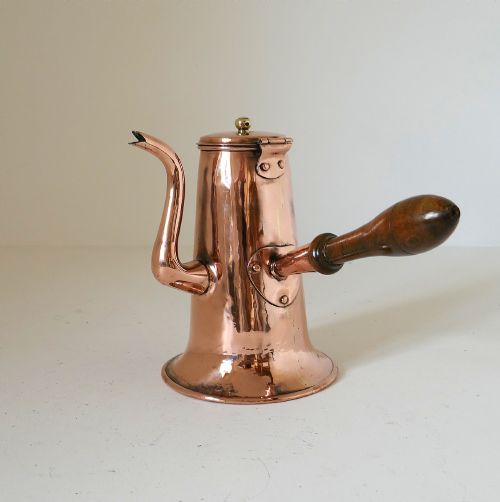
Listings feature items shaped from oak, walnut, fruitwood, sycamore and lignum vitae, alongside brass and copper elements.
What varies in quality
The calibre of a piece depends on the dexterity of the turning, the precision of the joinery in coopered items, and the crispness of any hand-carved ornamentation. Superior examples retain their original surface patination, free from excessive later alterations or unsympathetic repairs.
Design complexity also separates standard domestic gear from high-status objects, as seen in finely proportioned neoclassical walnut urns or dense lignum vitae pedestal goblets. The choice of timber grain and the integrity of the original structure dictate the overall standing of the item.
W. Grey & Co
The Antique Wooden Vessel Glossary
- Treen
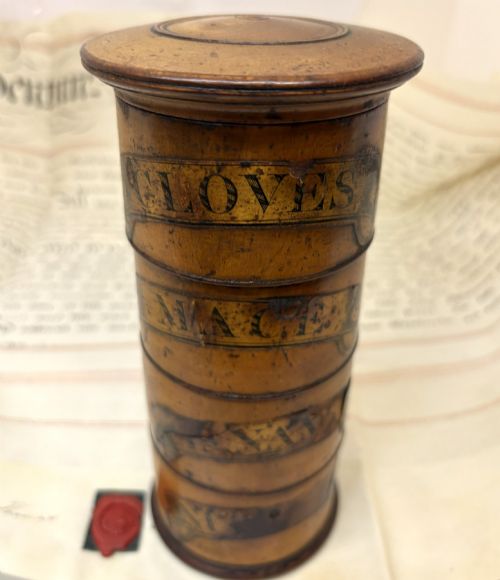
- Small handmade wooden household objects. These items range from spice towers to drinking goblets created by turners.
- Coopered
- Constructed from curved wooden staves bound together by metal or wooden hoops. This method forms water-tight vessels like buckets and barrels.
- Fruitwood
- Timber derived from fruit-bearing trees such as apple or pear. It provides a dense, fine grain favoured for detailed turning.
- Dairy bowl
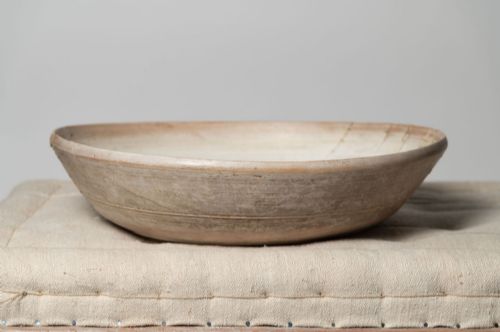
- A wide, shallow wooden basin utilised in traditional dairying for setting milk and skimming cream. Sycamore is frequently employed for its hygienic properties.
- Mortar and pestle
- A heavy bowl and club used for grinding spices or medicinal ingredients. Hardwoods and iron mounts provide the necessary weight and strength.
Antique Wooden Vessel: Frequently Asked Questions
What were antique wooden vessels used for?
These pieces served practical daily functions in domestic, agricultural and maritime settings. Items ranged from dairy bowls and grain measures to spice containers and drinking vessels.
Over time, many utilitarian objects transitioned into decorative mantel or tabletop items as modern materials replaced wood in everyday chores.
How do I care for wooden vessels?
Keep wooden objects away from direct heat sources, radiators and strong sunlight to prevent the timber from drying out and splitting. Maintain a stable indoor humidity where possible.
Clean the surface gently with a dry or barely damp cloth, avoiding harsh chemical polishes that can strip the historic patination.
How do I tell different wood types apart?
Examine the grain pattern, colour and weight of the timber under good natural light. Dense hardwoods like lignum vitae feel notably heavy, while oak displays prominent medullary rays.
Fruitwood and sycamore offer smoother, paler surfaces with subtle grain lines suited to detailed lathe turning.
What is the difference between treen and other wooden vessels?
Treen specifically refers to small, functional wooden household wares rather than large furniture or structural architecture. It includes items like turned goblets, spice towers and small lidded cups.
Larger vessels such as oak barrels or grain bins fall outside strict definitions of treen due to their coopered construction and bulk.