
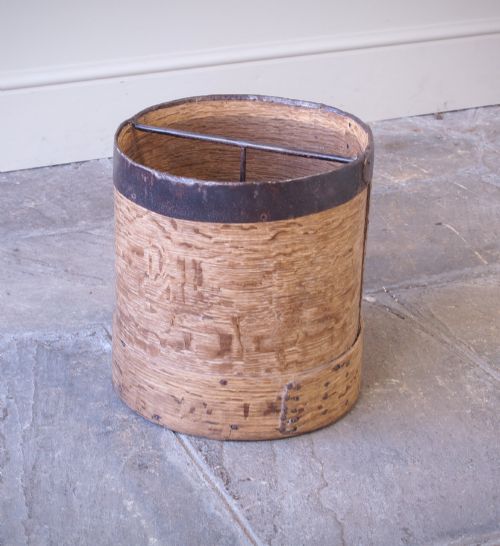


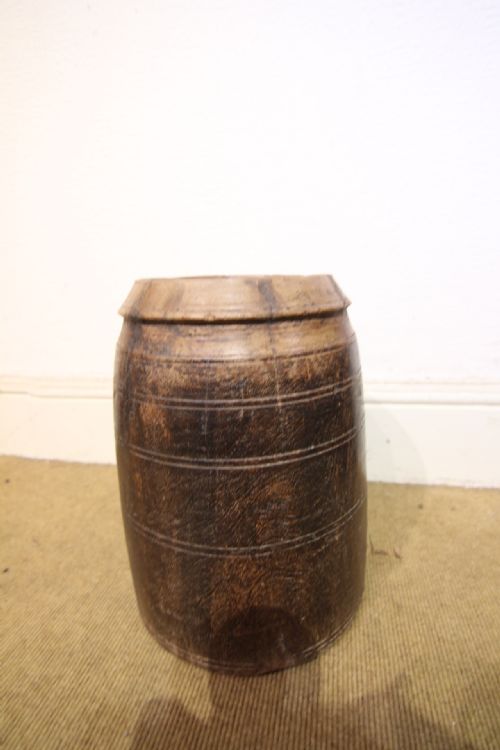


Antique Grain Measure
An antique grain measure is a sturdy utilitarian vessel that brings rich texture and rustic warmth to a modern interior.
Antique Grain Measure
When you search for an antique grain measure, you are looking at functional vessels once used for trading and storing dry goods across various traditions and eras. The versions most commonly met on this page span the nineteenth century and the Georgian period, taking forms such as wooden bins, turned treen vessels, and metal containers.
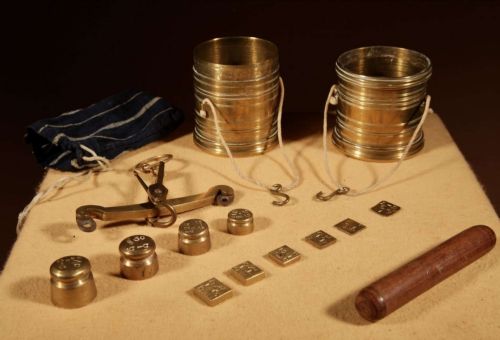
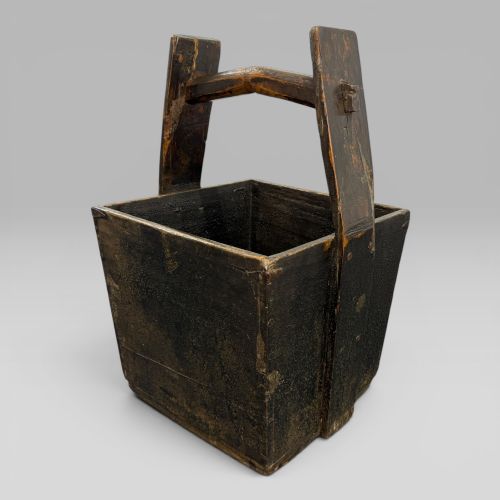
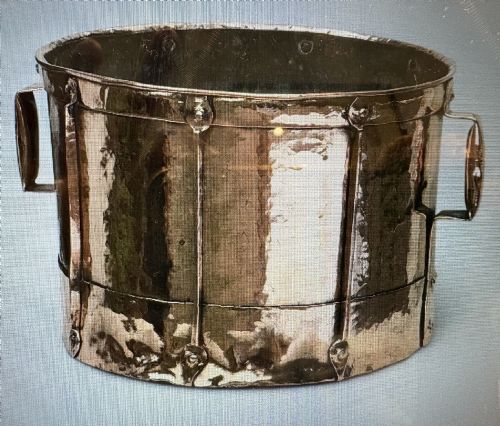
Originating from domestic, agricultural, and provincial contexts, these pieces range from French copper ferrat vessels and Dutch brass bushel balances to English pewter measures and Chinese elm harvest baskets. Their utilitarian past gives them a robust character that suits contemporary spaces as decorative storage or standalone objects.
Materials and construction
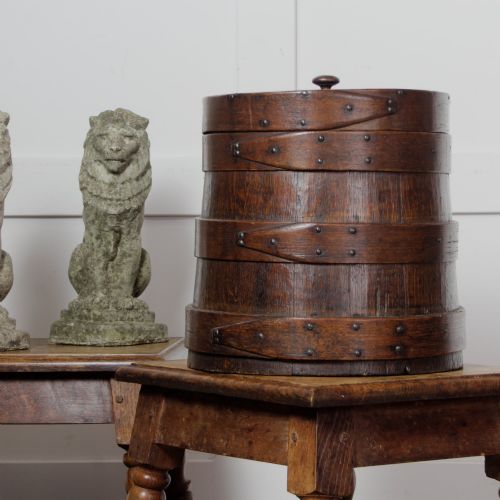
Makers utilised a combination of timber, wrought iron, copper, brass, and pewter to create these durable working vessels. Wooden examples range from carved tree trunks and turned elm to oak bins, often showing the marks of primitive hand tools and heavy daily use.
Metal vessels demonstrate traditional sheet metalworking and casting techniques, particularly in heavy copper French measures and articulated brass balance sets. Pewter measures feature crisp touchmarks and soldered seams, while toleware items display painted tin construction suited to commercial trade.
Some vessels even crossed oceans to trade Canadian grain before resting on a collector's shelf.
Quality and character
Quality in these pieces rests upon the integrity of the material and the honesty of the wear accumulated through practical use. A finer vessel retains its original surface patination, whether the warm polish of aged oak or the soft oxidation of heavy copper and brass.
Construction details also dictate distinction, such as the precision in turned treen vessels, the strength of dovetailed or pegged joints in wooden bins, and the clarity of maker stamps or capacity marks on metal surfaces.
The Antique Grain Measure Glossary
- Treen
- Small handmade wooden household objects and utilitarian wares. These items display the grain and turned marks of nineteenth-century craftsmanship.
- Bushel
- A traditional unit of dry measure for agricultural commodities. Bushel measures often take the form of substantial wooden or metal containers.
- Toleware
- Lacquered or painted metalware produced during the eighteenth and nineteenth centuries. This technique was frequently applied to commercial measures and storage vessels.
- Ferrat
- A term associated with metal-banded French copper measures. These vessels combine heavy sheet copper with iron reinforcement.
- Chondrometer
- A scientific instrument used for weighing grain to determine its quality. These precision devices are typically housed in mahogany cases.
Antique Grain Measure: Frequently Asked Questions
What is an antique grain measure?
An antique grain measure is a utilitarian vessel originally used to gauge, trade, or store dry agricultural produce such as wheat, oats, and flour. These items were essential tools in markets, farms, and mills before standardisation.
Today, they survive as decorative objects valued for their honest materials, historical utility, and rustic aesthetic appeal in homes.
How were these measures used?
Farmers, merchants, and millers utilised these vessels to measure precise quantities of grain and seed for commercial transactions. Metal and wooden containers ensured accurate trade in local and regional markets.
Some specialised items, such as balance sets and chondrometers, served scientific or official inspection purposes to test the weight and quality of harvested crops.
What materials are common?
The pieces utilise a variety of traditional materials, most notably timber such as oak, elm, mahogany, and turned wood. Metals also feature prominently, including heavy copper, brass, iron, and pewter.
Some examples incorporate textiles or painted tin toleware, reflecting the diverse manufacturing traditions across nineteenth-century Britain, Europe, and Asia.
How do I style them at home?
These vessels integrate easily into contemporary interiors as functional storage containers for items like logs, umbrellas, or dried botanicals. Their patinated surfaces provide a tactile contrast in modern rooms.
Larger wooden bins and harvest baskets stand well on the floor, while smaller copper, brass, and pewter measures suit display on shelves, sideboards, or kitchen counters.