





Coopered Wooden Vessel
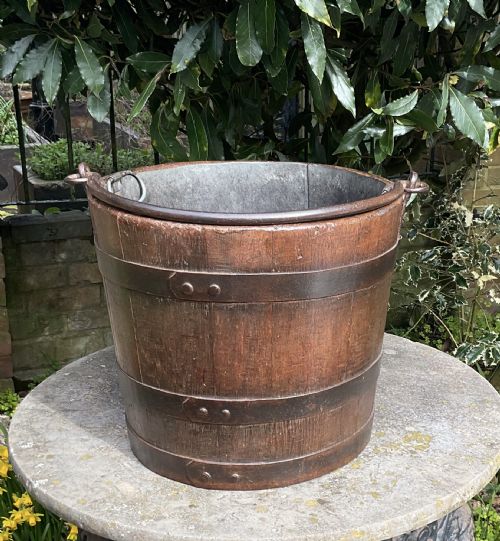
These coopered wooden vessel pieces are traditional stave-built containers made by skilled craftsmen, prized for their sturdy construction and historic utility.
Coopered Wooden Vessel
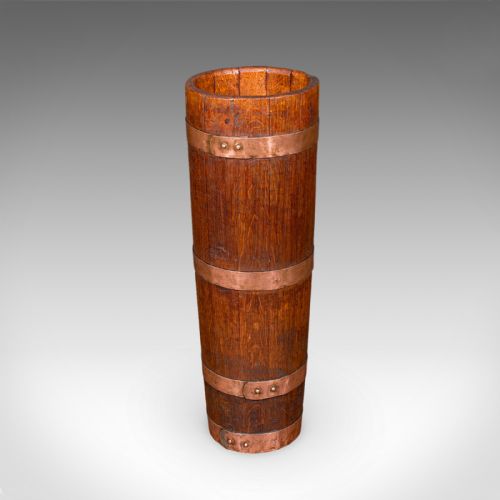
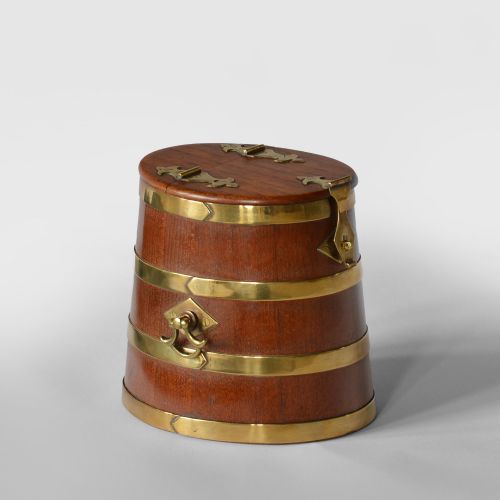
When searching for a coopered wooden vessel, buyers examine stave-built containers that range from domestic butter tubs and peat buckets to umbrella stands and naval rum barrels.
The most common examples on this page are oak buckets and barrels strengthened with brass or iron bands, originating primarily from Victorian and Edwardian periods alongside earlier Georgian and Dutch country pieces.
These items serve practical storage roles in country houses and modern interiors alike, drawing interest for their tangible connection to traditional woodworking trades.
How they were made
Maker artisans shape individual wooden staves from hardwoods such as oak, mahogany, and general hardwood, fitting them tightly together to form curved walls.
Metal bands made of brass, iron, or copper are heated and driven onto the wooden body, contracting as they cool to hold the staves firmly in place without adhesives.
Materials recorded across these items include oak, mahogany, hardwood, brass, iron, copper, and zinc.
What varies in quality
Quality rests in the precision of the stave joints and the proportion of the vessel, where tighter fitting wood and well-forged metal bands indicate superior workshop practice.
Original metal fittings and liners elevate a piece, whereas replacements alter the integrity and visual balance of the object.
The Coopered Wooden Vessel Glossary
- Stave
- A narrow length of wood with bevelled edges designed to fit tightly together with adjacent pieces to form the curved sides of a vessel.
- Hoop
- A metal band, typically brass or iron, driven tightly around the staves to maintain structural tension.
- Cooper
- A craftsman who makes wooden staved vessels bound with hoops.
- Teestoof
- A Dutch foot warmer or small heating bucket designed to hold hot embers, often coopered in construction.
Coopered Wooden Vessel: Frequently Asked Questions
What were coopered wooden vessels used for?
These vessels originally served practical domestic and naval purposes, holding water, butter, peat, and rum.
Over time, many found secondary utility as umbrella stands or decorative log bins in country houses.
How do I date a coopered vessel?
Dating relies on observing the wood species, the method of metal band construction, and stylistic clues from periods like the Victorian or Georgian eras.
Tool marks and the presence of original liners or handles also help narrow down the decade of manufacture.
Are these vessels waterproof?
While originally designed to hold liquids like water, butter, or rum, age can cause timber staves to shrink and dry out.
Modern buyers often test them before using them for liquid containment, though many are now kept dry as decorative objects.
How should I clean a wooden vessel?
Maintenance requires gentle dusting and occasional waxing of the timber to keep the hardwood nourished without damaging the surface.
Metal bands should be left with their natural patina rather than polished aggressively.