
Antique Coal Scuttle Bucket
An antique coal scuttle bucket brings warmth and tactile weight to a hearth, combining sturdy metalwork with the quiet patina of past centuries.
Antique Coal Scuttle Bucket
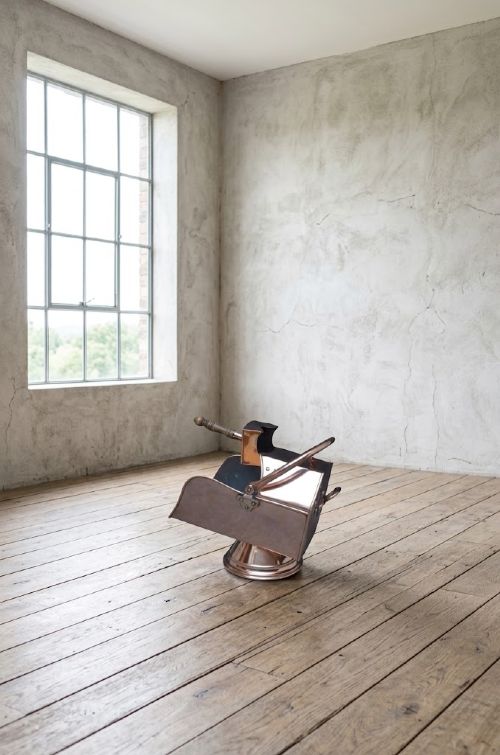
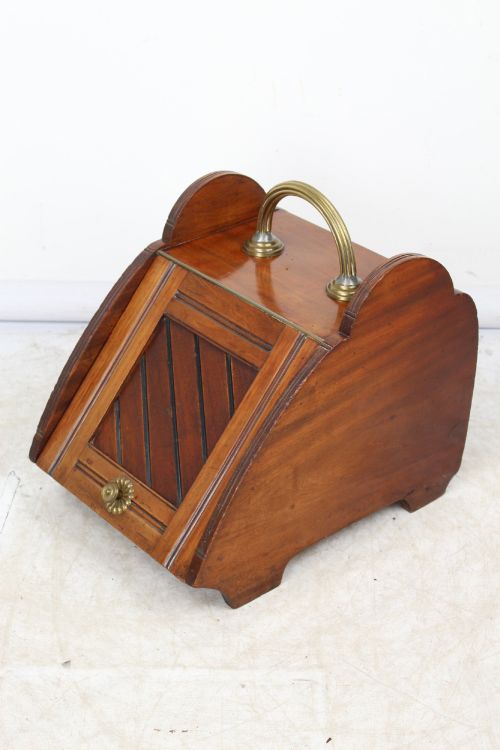
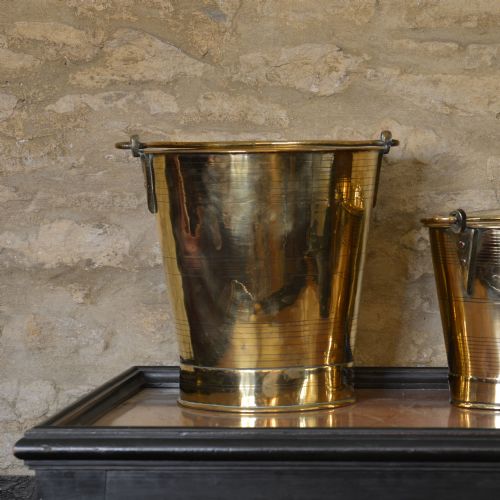
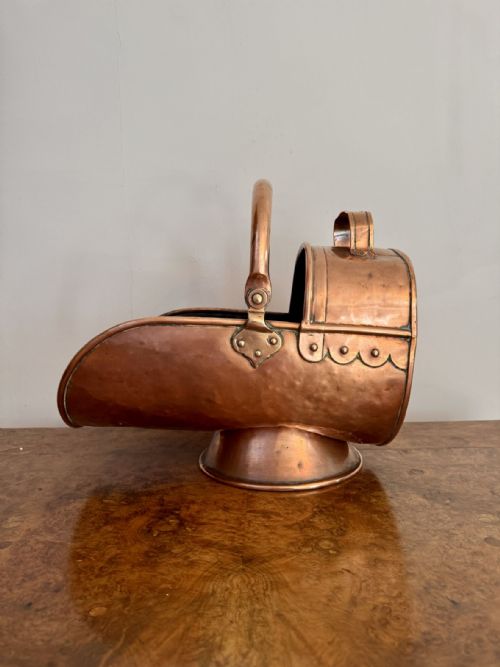
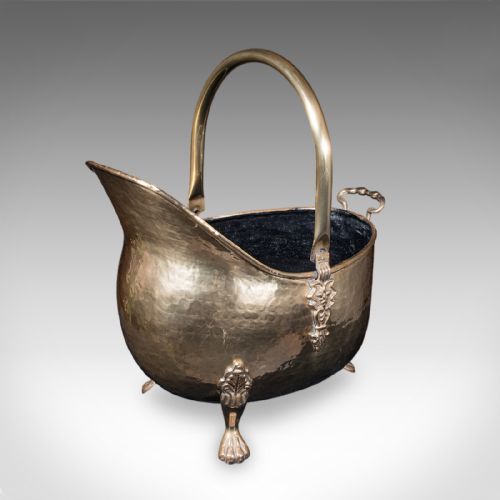
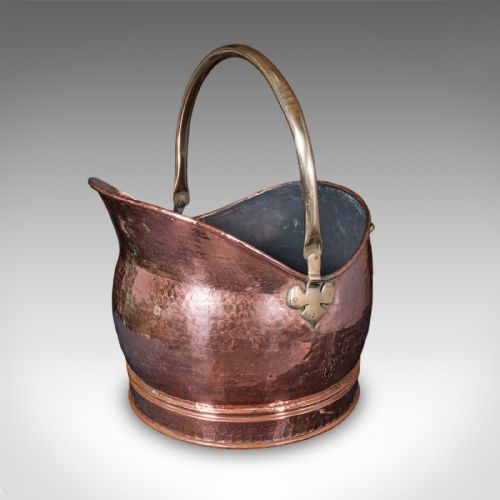
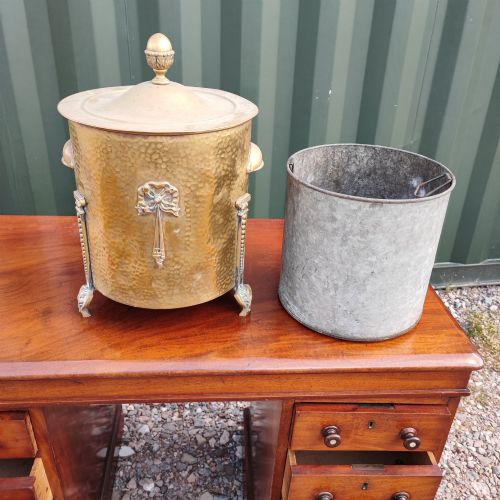
An antique coal scuttle bucket serves the fireside by holding fuel close to the grate, taking forms such as helmets, cylindrical bins, and boat-shaped vessels. These items emerge frequently from the Victorian and Edwardian eras, though earlier Georgian examples and Arts and Crafts pieces also appear.
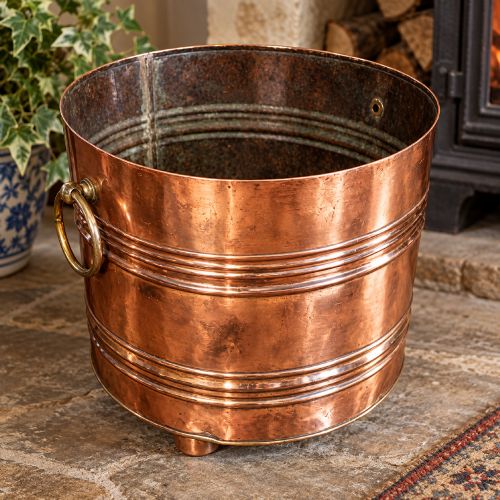
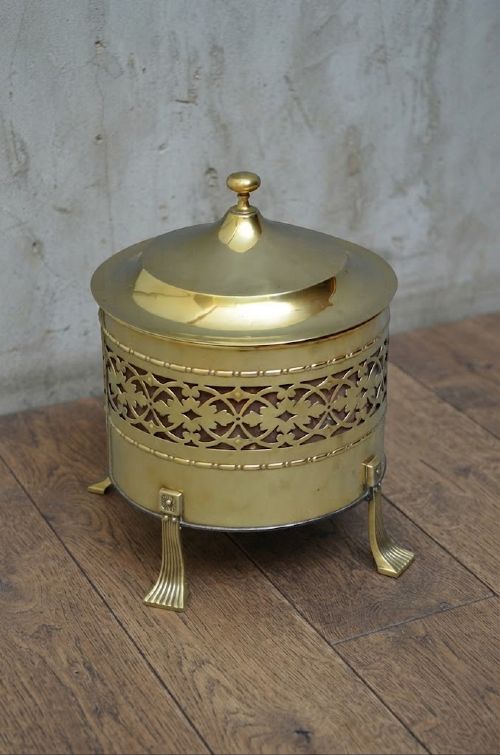
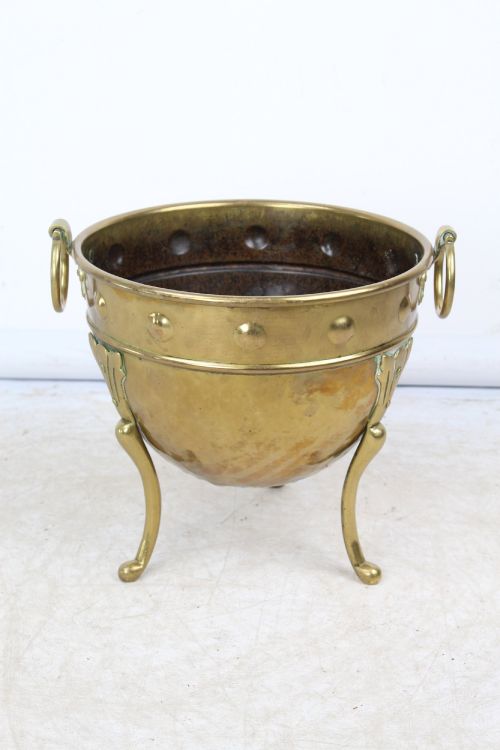
Makers shaped these hearth accessories from metals like brass and copper, alongside timber variations including oak and mahogany. Some examples incorporate leather or iron frameworks, functioning equally well as log bins or planters.
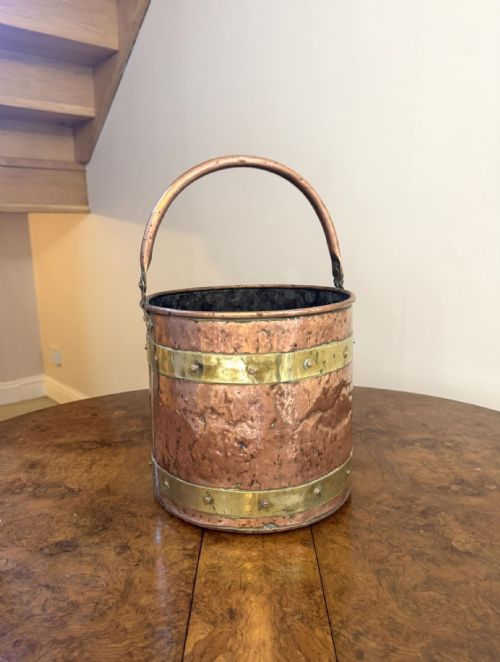
The objects reflect the domestic coal fires of British homes, moving from utilitarian basement storage to decorative fireside display. Collectors encounter both plain riveted vessels and highly embossed or hammered designs.
How They Were Made
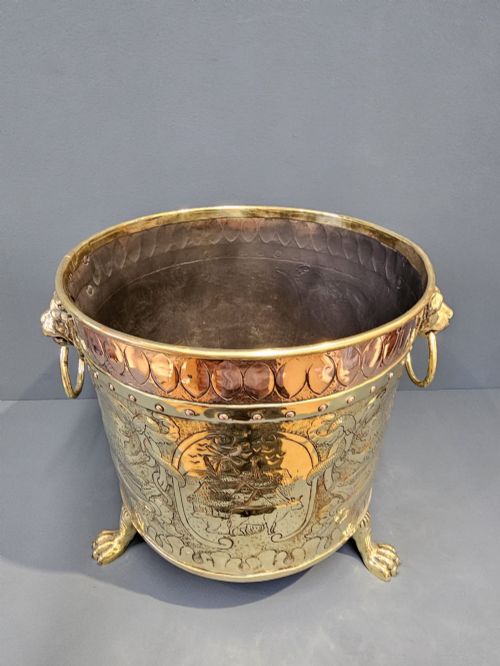
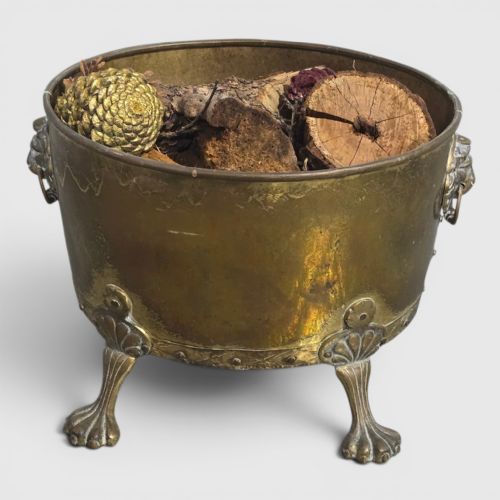
Craftsmen utilised sheet metal construction, joining copper and brass panels with visible rivets or smooth hammered surfaces. Many vessels feature contrasting bands, handles, and claw feet cast in brass or forged in iron.
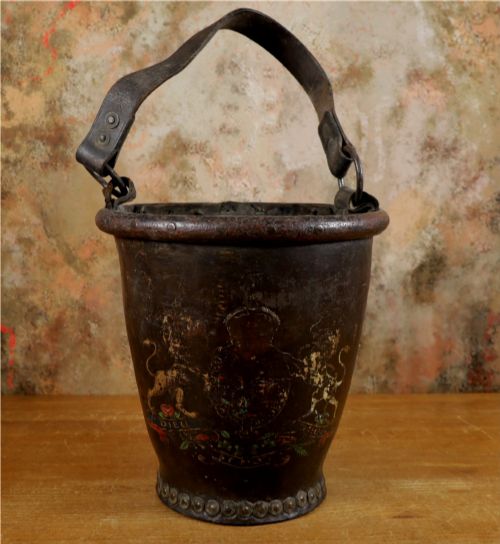
Woodworking traditions produced coopered oak and mahogany buckets held together by tight staves and metal hoops. Leather items relied on boiled leather techniques, sometimes accented with studs and crests.
Listings span the Georgian, Victorian, and Edwardian periods, utilising brass, copper, oak, mahogany, and wrought iron.
What Varies in Quality
Quality rests in the weight of the metal and the integrity of the construction, distinguishing solid gauge sheets from thin replacements. Superior examples display thoughtful hand-finishing, such as clean dovetailing, secure riveting, and well-fitted original liners.
Design ambition separates standard hearth items from exceptional ones, particularly where repoussé work, integrated iron frames, or distinct regional styles like Anglo-Indian brasswork are present.
Henry Loveridge·Percy Metal Works London
The Antique Coal Scuttle Bucket Glossary
- Coal scuttle
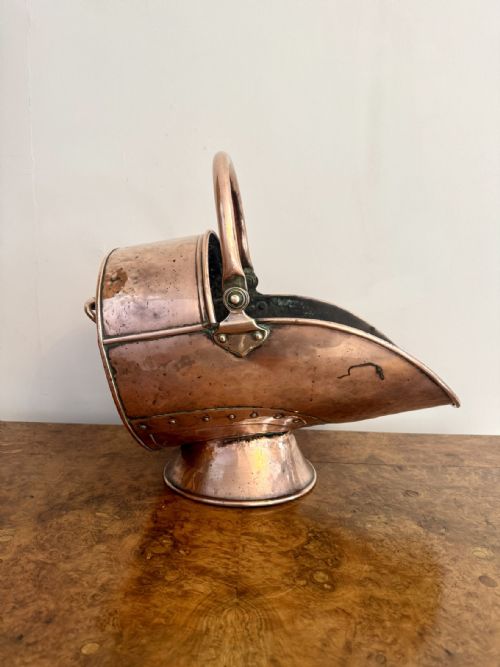
- A container designed to hold coal near a fireplace, often featuring a sloping mouth or a hinged shovel attachment. These vessels balance utility with decorative brass or copper presentation.
- Log bin
- A large container intended for storing firewood beside the hearth. They frequently share materials with coal buckets but offer greater capacity.
- Helmet scuttle
- A specific vessel shape named for its resemblance to a traditional helmet, featuring a wide mouth and a hinged carrying handle. This form gained immense popularity during the Victorian period.
- Coopered
- A method of construction where curved wooden staves are bound together with metal hoops to form a watertight or sturdy cylindrical vessel. This technique applies to oak and mahogany buckets.
- Purdonium
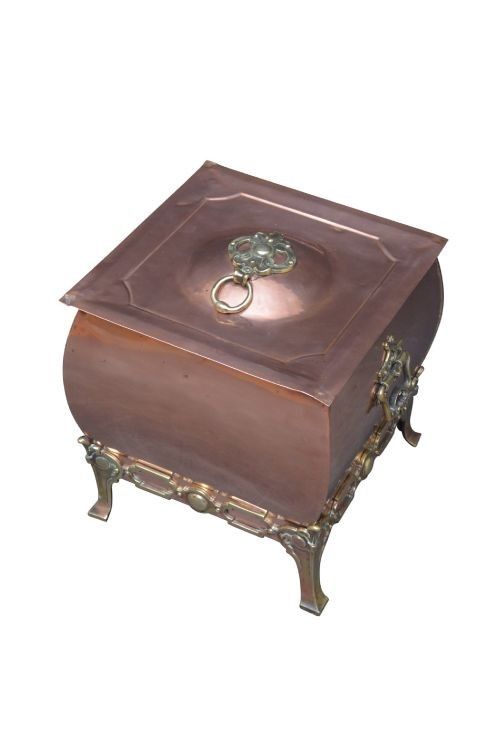
- A box-style coal container, usually featuring a drop-down front and an internal liner. They hide the fuel entirely while maintaining a tidy fireside appearance.
Antique Coal Scuttle Bucket: Frequently Asked Questions
What is the difference between a coal scuttle and a log bin?
A coal scuttle generally incorporates a narrower mouth or a helmet shape designed for pouring smaller fuel pieces into a grate. A log bin provides a wider, deeper cylinder intended for bulky firewood.
Both items served the same hearth environment but accommodated different physical demands of Victorian and Edwardian heating.
How do I clean an antique copper bucket?
Antique copper benefits from gentle dusting and minimal interference to preserve the historic surface patina. Aggressive polishing strips away the aged warmth that collectors value.
Applying a soft wax can protect the metal from further oxidation without erasing the marks of its past use.
Can these buckets still hold logs or water?
Many metal and wooden buckets retain structural integrity for holding logs or kindling by the fireplace. Items equipped with original liners handle moisture better, though unlined metal may corrode if exposed to damp wood.
Checking the stability of the base and handles ensures safe daily use.
How can I tell a Victorian scuttle from a Georgian one?
Georgian examples often display simpler, heavier construction with hand-hammered copper, wrought iron handles, and restrained brass banding. Victorian pieces frequently showcase brighter finishes, embossed decoration, and machine-rolled sheet metals.
Arts and Crafts variants from the late nineteenth century introduce distinct hammered textures and stylized handles.