

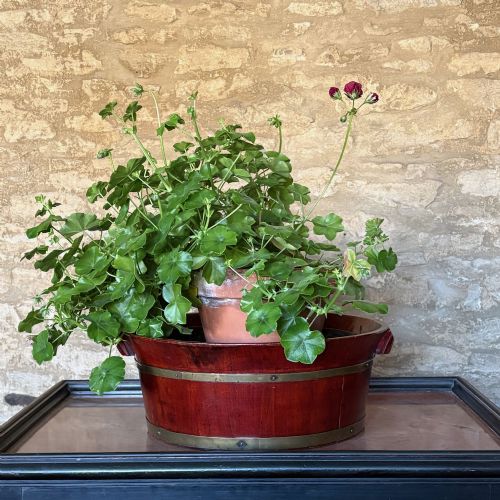
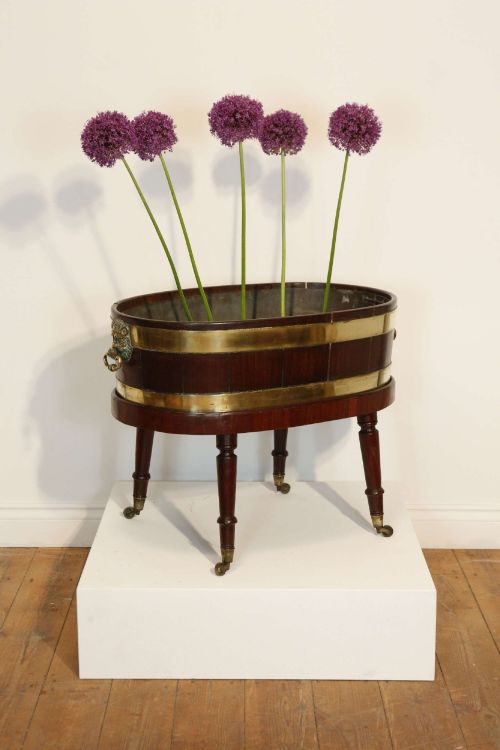
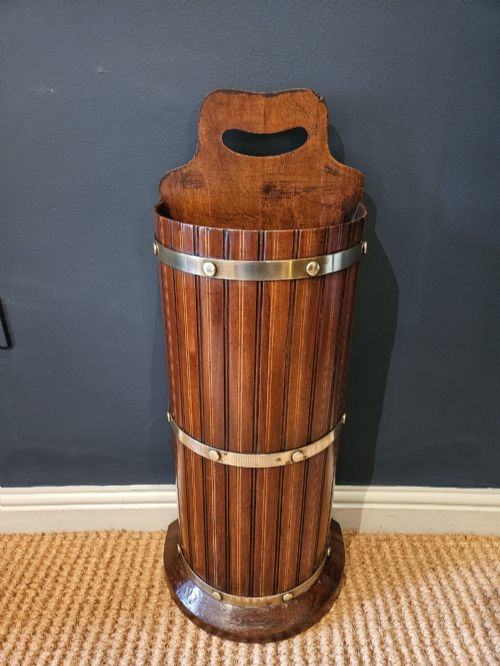
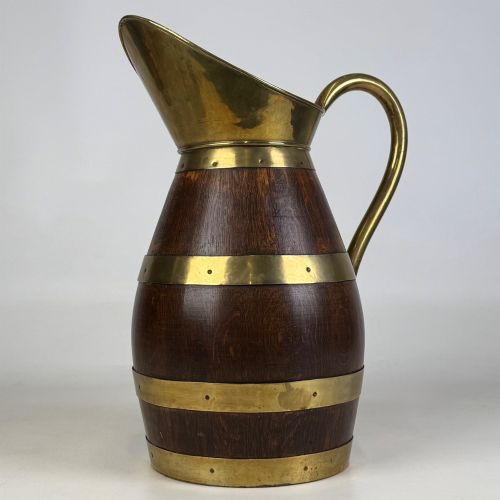




Brass Bound Wooden Bucket
A brass bound wooden bucket brings tactile warmth and robust utility to a fireside or hallway.
Brass Bound Wooden Bucket
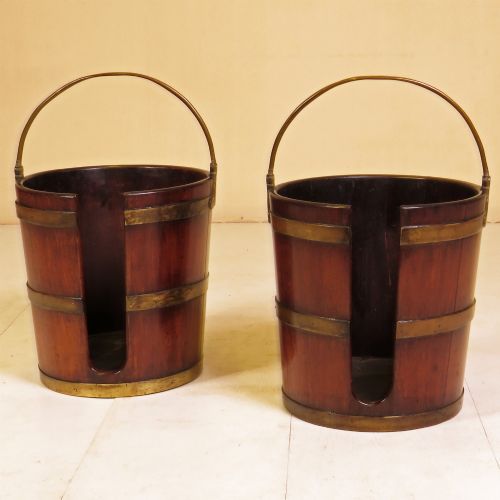
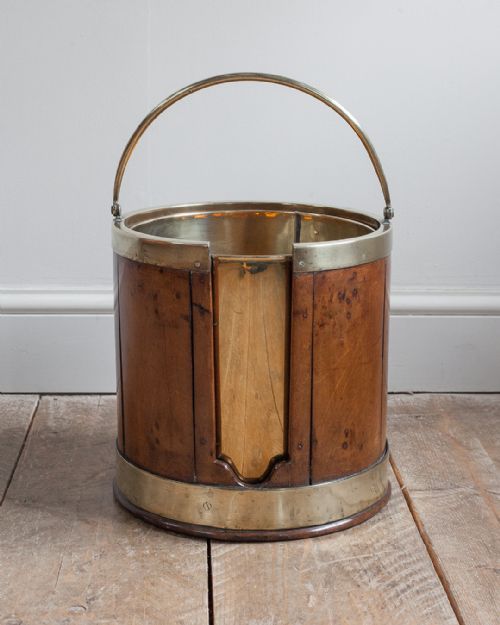
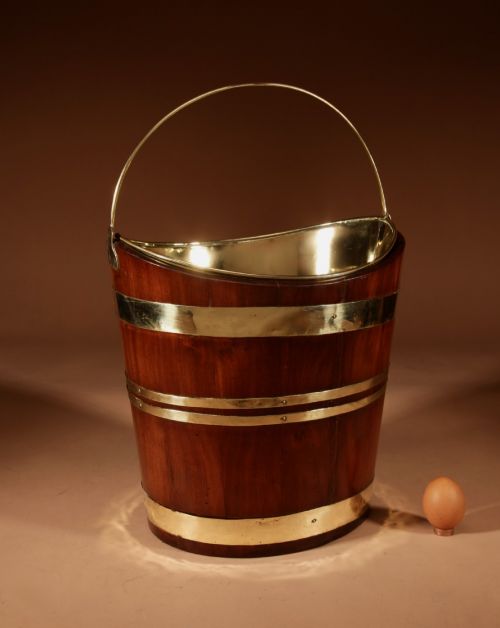
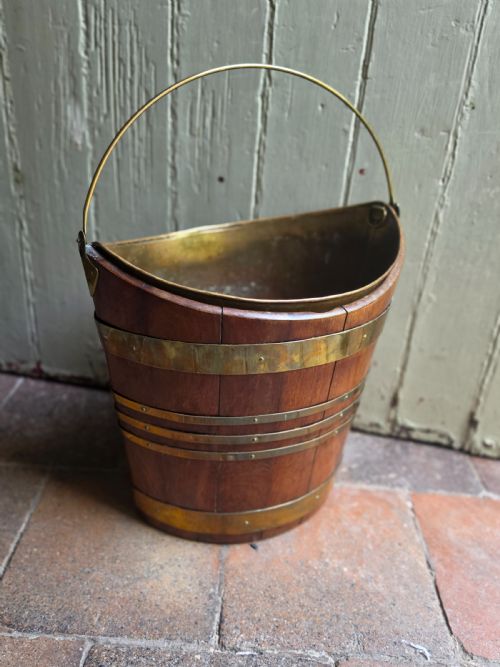
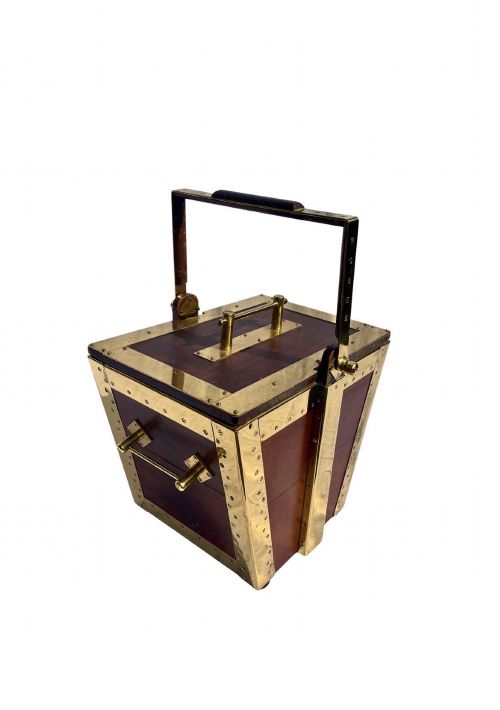
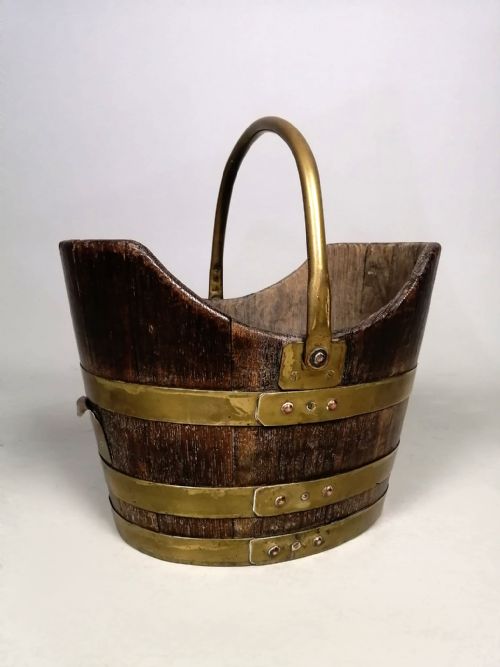
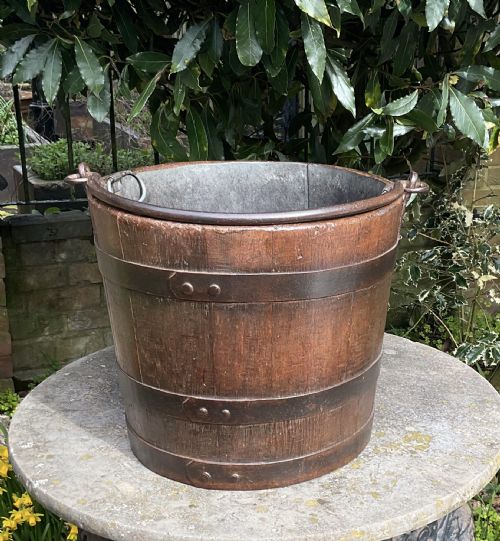
A brass bound wooden bucket combines sturdy timber construction with gleaming metal bands to create a practical vessel with decorative presence. These objects serve multiple historical functions, ranging from domestic plate storage and peat holding to naval firefighting.
The pieces available span several eras, with Georgian examples sitting alongside Victorian maritime items and later Dutch country barrels. Oak and mahogany feature prominently alongside denser hardwoods, often shaped using traditional cooperage methods.
Forms vary according to their original purpose, including deep log bins, tapered butter barrels, and lidded plate buckets. Each variant shows how utilitarian vessels were constructed to withstand heavy daily use while maintaining a handsome appearance.
Construction and materials
Makers built these vessels using coopered staves of oak, mahogany, or assorted hardwoods fitted tightly together around a circular base. Metal bands made of brass were heated and hammered into place so that as they cooled, they contracted to hold the wooden staves under intense tension.
Handles often incorporate durable leather or sturdy rope secured through metal mounts, particularly on fire buckets designed for rapid deployment. The contrast between warm timber grain and polished brass defines the visual character of each piece.
Brass Bound Wooden Bucket Retail Price Guide 2026
Typical asking prices for brass bound wooden bucket among the pieces listed under this phrase on Sellingantiques today, from the lower quarter to the upper quarter. They describe what is for sale here now, not the wider market.
A Royal Navy fire bucket brings the scent of salt and sea history straight to the fireside.
Judging quality and craftsmanship
Quality rests in the precision of the stave joints and the thickness of the brass banding. Tighter, more uniform timber grain indicates a higher grade of material selected by the maker.
The articulation of applied crests, such as armorial markings on naval items, distinguishes standard utility ware from pieces commissioned for specific institutions. Proportion and the integrity of the original metal fastenings also elevate certain examples.
The Brass Bound Wooden Bucket Glossary
- Coopered
- Constructed from curved wooden staves bound together with metal hoops. This technique ensures watertight or pressure-resistant vessels without the use of modern glues.
- Stave
- A narrow strip of wood with bevelled edges that forms the sides of a barrel or bucket. Artisans shaped each piece individually to guarantee a seamless circumference.
- Armorial crest
- A heraldic design displayed on metal or painted surfaces. These badges identify the original military or institutional owner of the vessel.
- Peat bucket
- A specialised container used to hold dried turf for fuel beside a hearth. These forms are typically wider and shallower than standard water buckets.
Brass Bound Wooden Bucket: Frequently Asked Questions
What were brass bound wooden buckets used for?
These vessels fulfilled diverse roles depending on their specific form and era. Examples include carrying peat to the hearth, storing heavy ceramic plates, or holding water for firefighting.
Over time, many of these utilitarian containers transitioned into decorative interior accessories used for logs or umbrellas.
How do I tell an 18th-century bucket apart from a later one?
Early pieces from the Georgian period often utilise dense mahogany and feature hand-beaten brass work with distinct patination. Later Victorian and Edwardian examples frequently employ oak or mixed hardwoods with machine-rolled metal bands.
Construction details on the interior base and the style of the handle attachments also provide clues regarding the date of manufacture.
Can I use a historic bucket for logs?
Many sturdy wooden and brass vessels suit modern fireside use for holding firewood or kindling. Ensure the interior remains dry to protect the historic timber and metal bindings from unnecessary moisture damage.
Lined bottoms help preserve the original wood against rough logs.
What is a coopered bucket?
A coopered vessel is built using vertical wooden staves rather than carved from a single block of timber. Metal hoops hold the assembly together through natural tension.
This traditional method allows the wood to expand and contract slightly with changes in humidity without breaking the seal.