




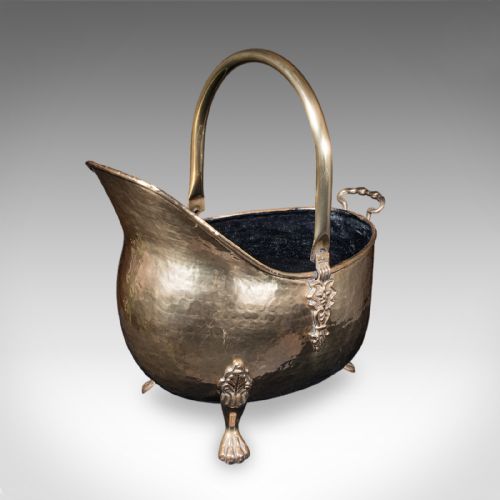
Antique Hearth Bucket
An antique hearth bucket brings heavy metal and dark timber beside the grate to hold fuel.
Antique Hearth Bucket
When you search for an antique hearth bucket, you look at utility vessels built to hold coal, logs, or peat beside an open fire. Most pieces on this page stem from the Georgian, Victorian, and Edwardian eras, spanning heavy metal pans to tall timber bins.
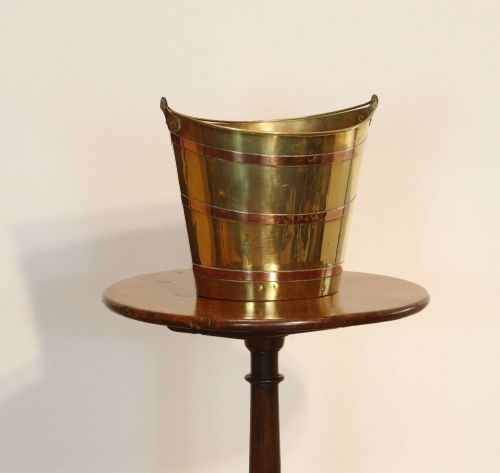
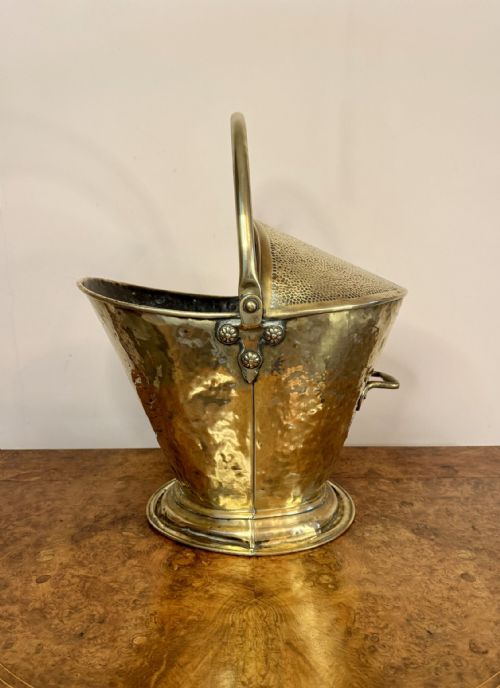
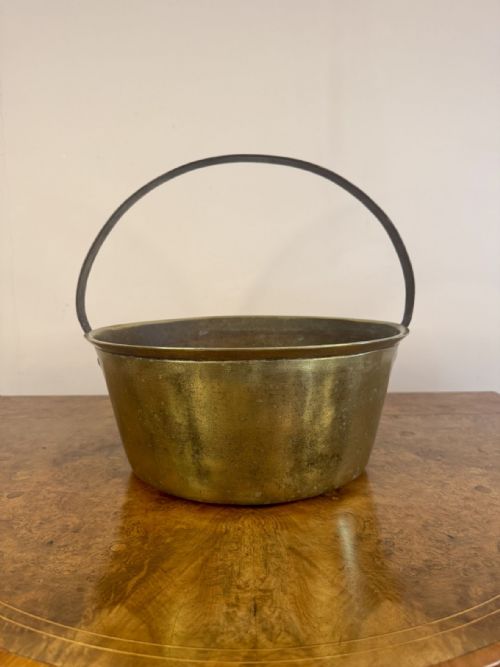
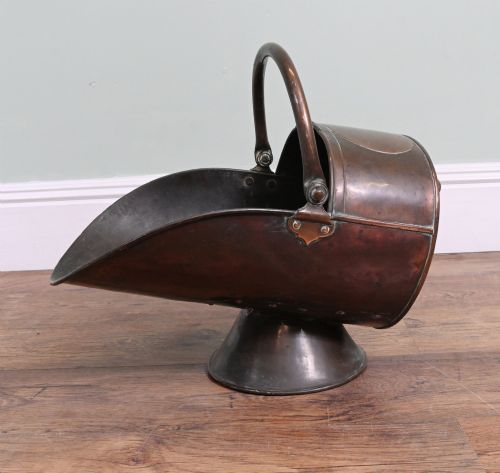
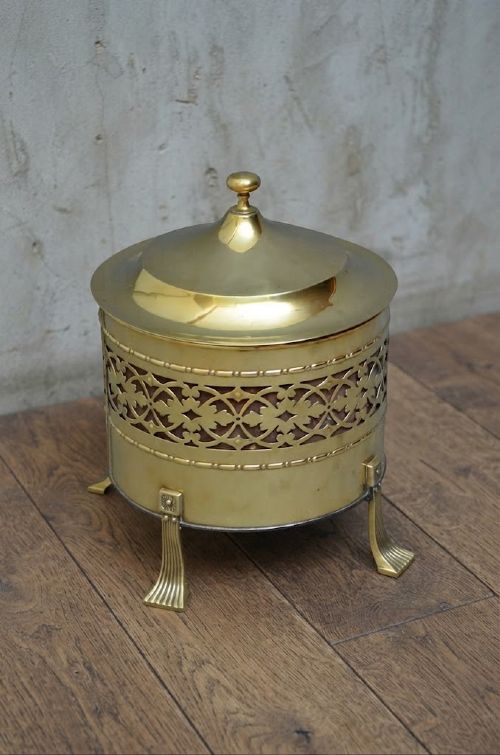
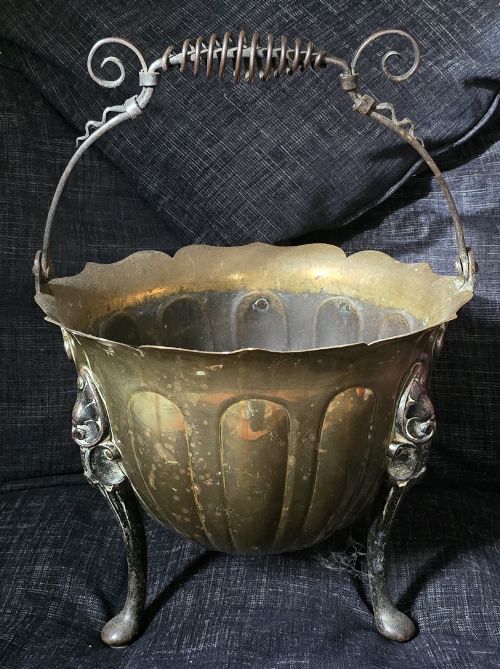
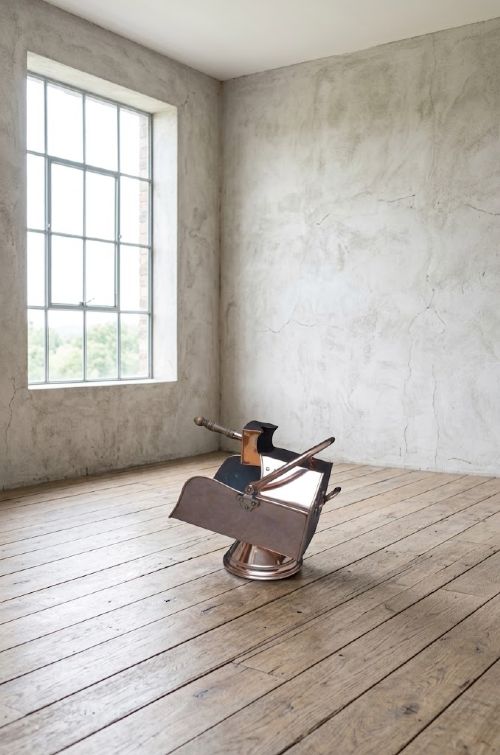
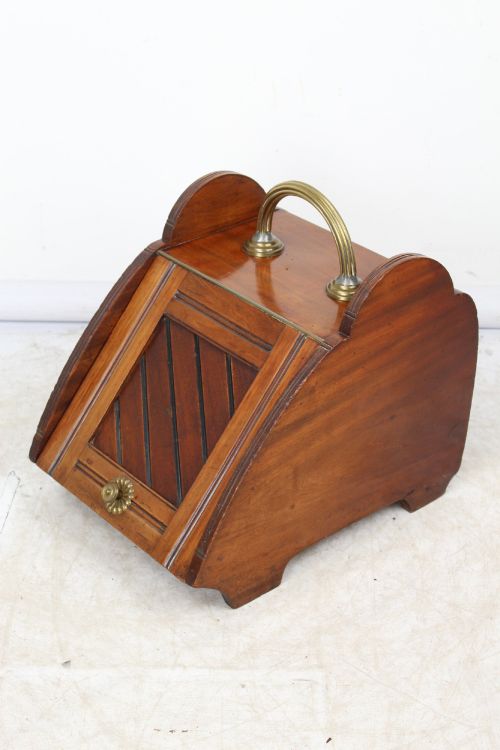
The common forms you meet include lidded coal scuttles, open log buckets, swing-handled cauldrons, and stiff leather fire buckets stamped with coats of arms. Many double as planters or waste paper baskets today, shifting from hearthside service to general display.
Makers fashioned these containers to withstand daily knocks from heavy fuel, employing sturdy metals and dense woods. They sit within wider categories of fireside accessories, sharing space with pokers, shovels, and fenders.
How they were made
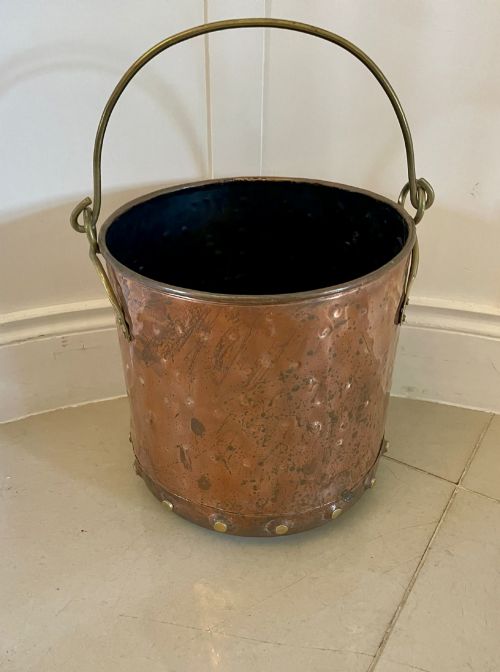
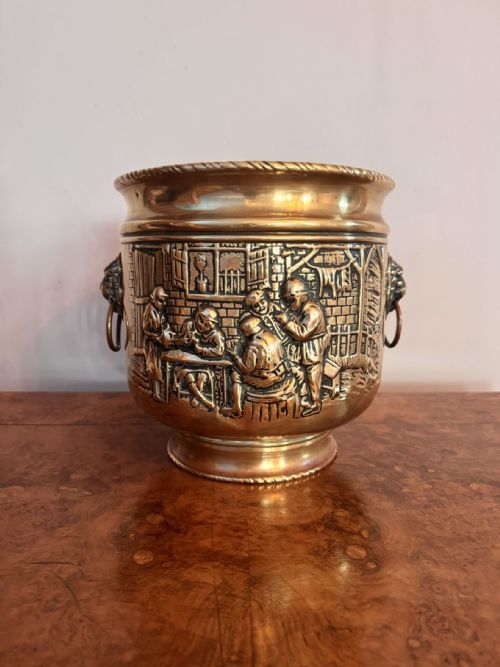
Craftsmen built these vessels primarily from hammered copper, bright brass, and riveted wrought iron, often pairing metals on a single body. Brass bands, swing handles, and cast feet provide structural support while adding contrast to the main metal plates.
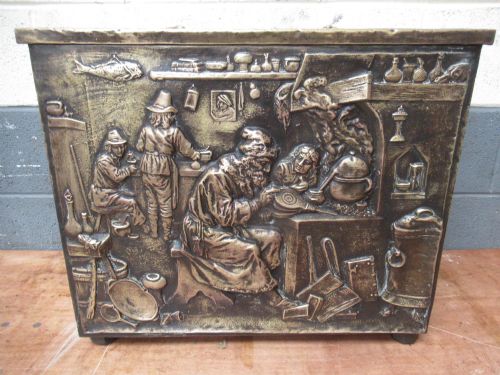
Wooden examples rely on traditional coopering techniques, uniting staves of oak, mahogany, or country pine with metal hoops. Leather fire buckets utilise heavy hides, treated and stitched before receiving decorative copper stud work and painted insignia.
Antique Hearth Bucket Retail Price Guide 2026
Typical asking prices for hearth bucket among the pieces listed under this phrase on Sellingantiques today, from the lower quarter to the upper quarter. They describe what is for sale here now, not the wider market.
What varies in quality
The distinction between ordinary utility items and superior examples lies in the thickness of the metal and the crispness of the hand-finishing. Heavy gauge copper with smooth, hand-hammered seams and tightly fitted brass banding represents the peak of workshop production.
Design details also separate standard pieces from finer ones, such as intricate fretwork on Edwardian brass cylinders or deeply embossed crests on Georgian leather buckets. Original iron frames and matching shovels elevate a piece by preserving the complete hearthside set.
Henry Loveridge
The Antique Hearth Bucket Glossary
- Coal scuttle
- A container designed specifically to transport and store coal for a domestic fireplace. They often feature a hinged lid or a slanted helmet shape for easy pouring.
- Coopering
- The ancient craft of constructing stave-bound wooden vessels like buckets and barrels using tapered planks and metal or wooden hoops.
- Peat bucket
- A traditional tall container intended to hold dried peat sods for burning, frequently constructed from coopered oak with sturdy swing handles.
- Teestoof
- A Dutch warming vessel used to keep tea or food hot, sometimes incorporating a metal liner and pierced body.
- Helmet scuttle
- A coal bucket shaped with a high flared back and a pointed pouring lip resembling a classical helmet.
Antique Hearth Bucket: Frequently Asked Questions
Can I still burn coal in these buckets?
Modern solid fuel can be stored inside these vessels without trouble, though many owners line them with modern inserts to protect historic interiors from moisture and grit.
Using them near an active fire connects your room directly to their original domestic purpose.
How do I clean brass and copper buckets?
Gentle wiping with a soft cloth preserves the dark oxidation that accumulates over centuries, preventing the bright glare of modern chemical polishes.
Leaving the surface untouched respects the working history of the metal.
Were leather fire buckets used for coal?
Georgian leather buckets were originally designed to carry water for extinguishing property fires rather than holding solid fuel for the grate.
Their tough hide construction and painted coats of arms made them striking decorative statements once fire brigades took over community safety.
How do I tell a Georgian bucket from a Victorian one?
Georgian pieces from the eighteenth century typically display hand-beaten copper panels, thick cast brass mounts, and heavy leather stitching that reflects earlier workshop methods.
Victorian and Edwardian items often show more uniform machine rolling, brighter brass finishes, and varied revival styles.