



Helmet Coal Scuttle
When choosing a helmet coal scuttle, you select a practical fireside accessory that combines functional metalwork with period character.
Helmet Coal Scuttle
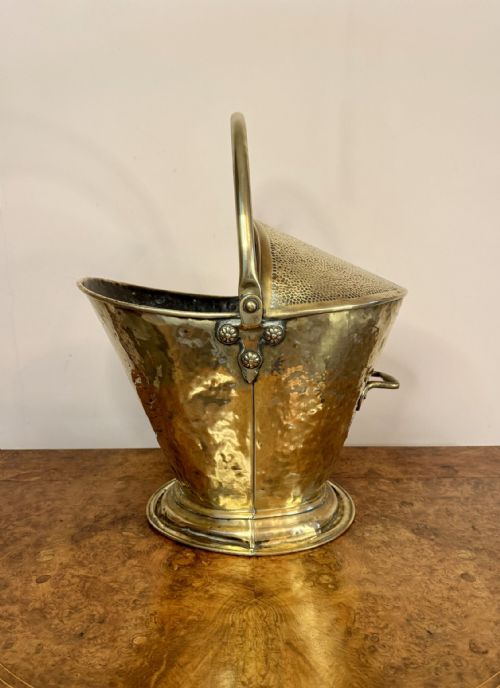
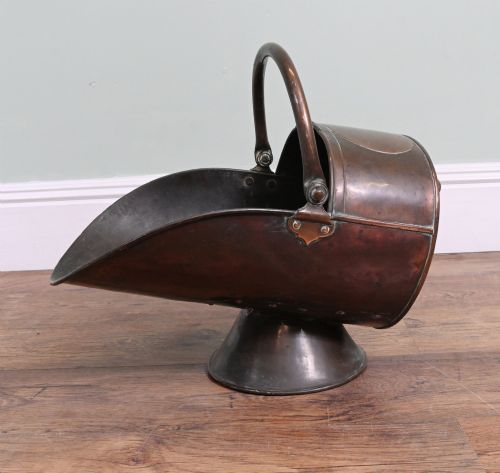
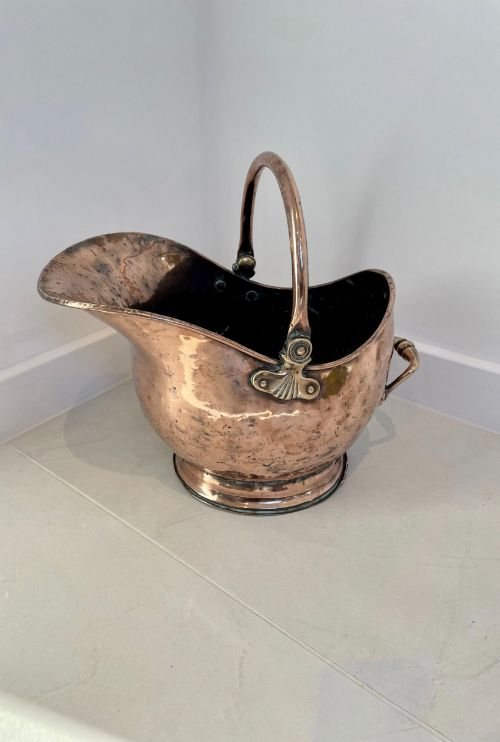
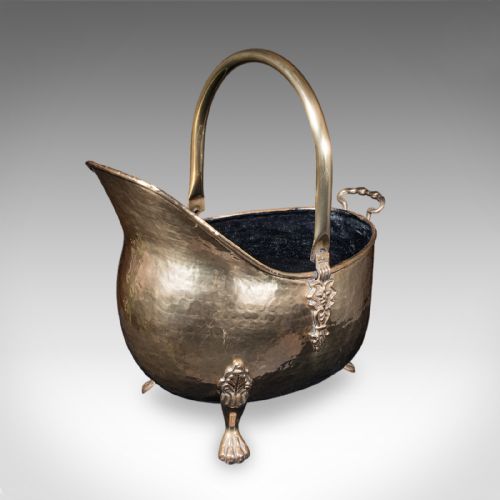
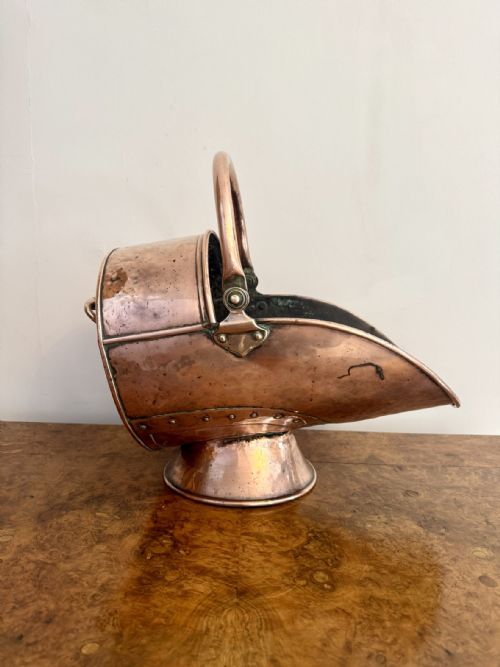
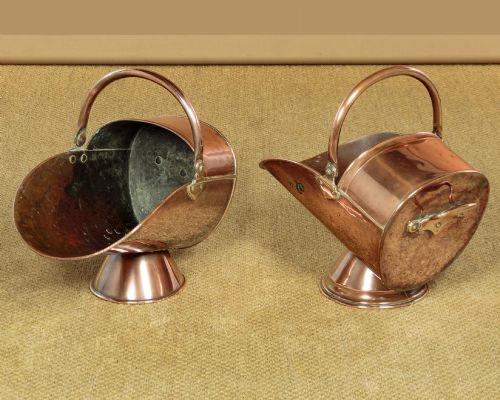
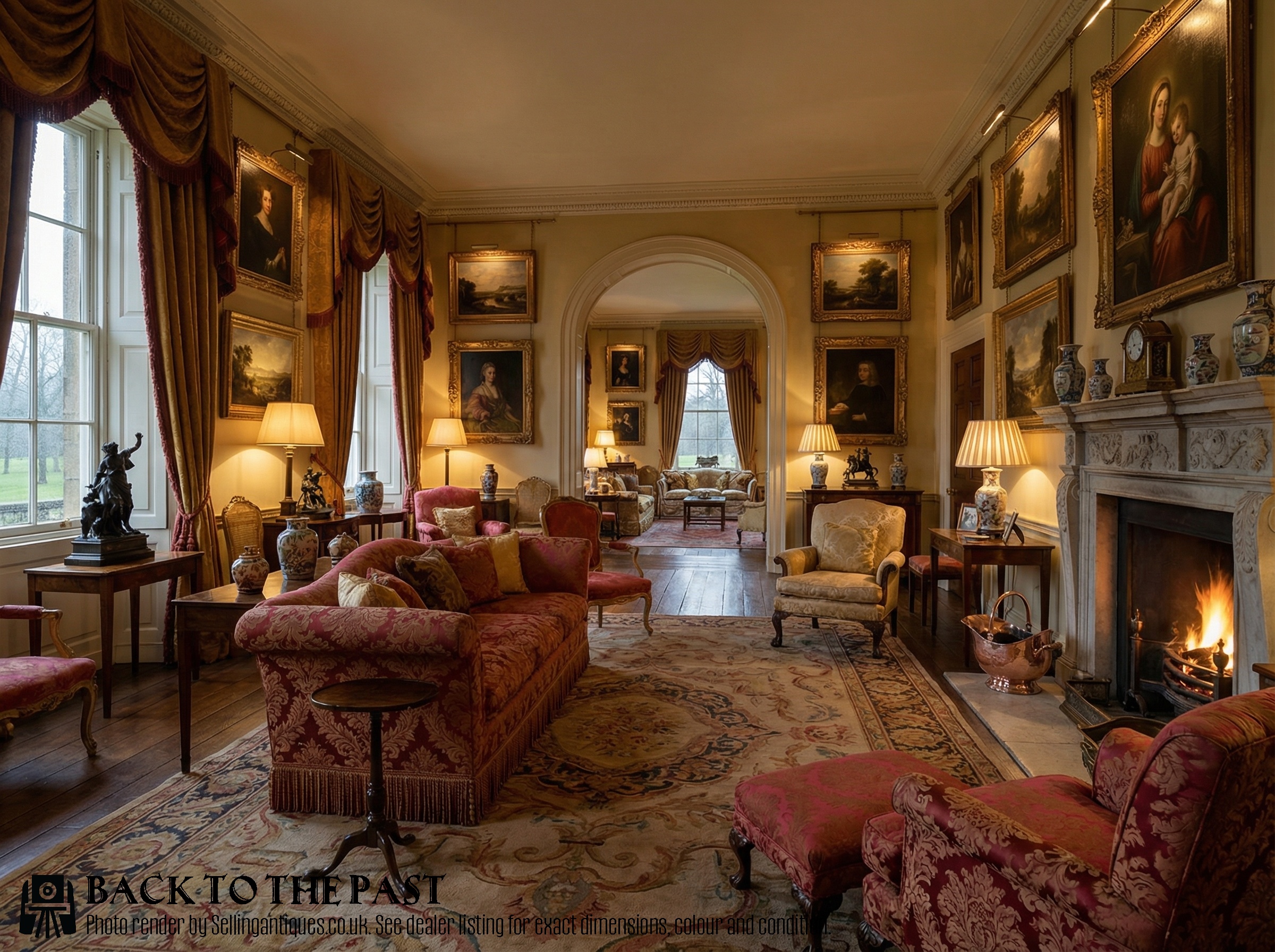
A helmet coal scuttle is a fireside vessel designed to hold fuel, taking its name from its distinctive flared profile that resembles a traditional helmet. These pieces serve as functional coal buckets alongside fireplaces, often featuring a hinged handle for carrying and a stable footed base.
The versions most commonly met on this page date from the Victorian and Edwardian eras, alongside earlier Georgian examples and later Arts and Crafts interpretations. They appear primarily in polished metals like brass and copper, with occasional variations incorporating wood or iron elements.
How They Were Made
Makers utilised sheet brass and copper, shaping the metal through beating, rolling and riveting to form the distinctive helmet profile. Many examples incorporate heavy cast brass components such as feet, handles and rims to provide structural stability.
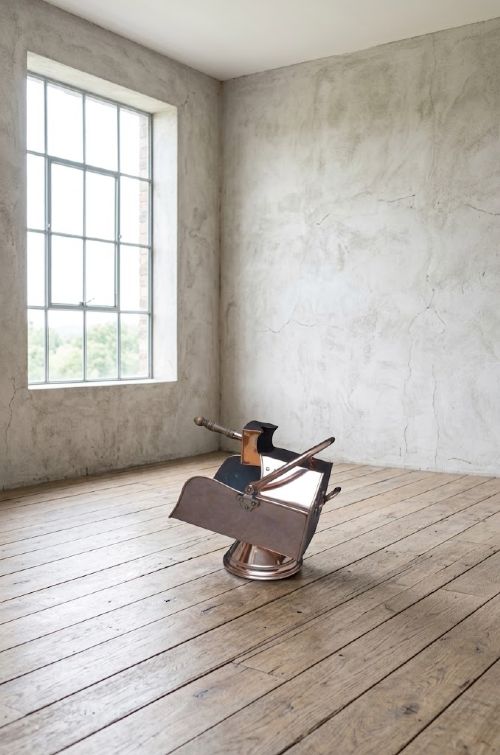
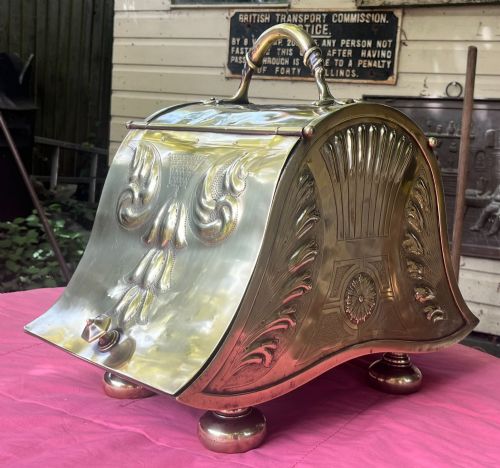
Surface decoration ranges from smooth polished finishes to hand-beaten hammer textures and embossed motifs characteristic of the Arts and Crafts and Art Nouveau movements. Surviving pieces frequently retain original accessories like matching shovels stored in dedicated side brackets.
Helmet Coal Scuttle Retail Price Guide 2026
Typical asking prices for helmet coal scuttle among the pieces listed under this phrase on Sellingantiques today, from the lower quarter to the upper quarter. They describe what is for sale here now, not the wider market.
Object forms include helmet buckets, log bins, coal baskets and associated fireside accessories.
What Varies in Quality
Metal gauge and weight distinguish heavier domestic examples from lighter utilitarian versions, with substantial gauge copper and brass providing greater durability. The sophistication of construction, evident in hand-beaten seams, robust riveting and cast detailing, elevates certain pieces above standard production items.
Design execution separates basic functional containers from refined stylistic expressions, particularly in pieces bearing maker marks from notable firms or displaying distinct Arts and Crafts and Art Nouveau character. The presence of matching original components, such as functional shovels and secure liners, completes the integrity of the piece.
Benham and Froud·Henry Loveridge
The Helmet Coal Scuttle Glossary
- Helmet scuttle
- A fireside coal bucket featuring a high back, sloping sides and a flared front mouth designed for easy pouring. The form derives its name from military headwear of the period.
- Repoussé
- A metalworking technique where the metal is hammered from the reverse side to create a raised design in relief. This decorative method frequently appears on Arts and Crafts examples.
- Liner
- A removable internal bucket inserted inside the outer decorative scuttle to contain coal dust and moisture. Liners protect the main metal body from corrosive residue.
- Fireside accessory
- Any functional hearth equipment designed for coal storage, fire tending or ash clearance. These items coordinate with companion sets and fire irons.
Helmet Coal Scuttle: Frequently Asked Questions
How do I use a coal scuttle today?
Modern interiors utilise these pieces as functional storage for logs, kindling or coal beside working hearths. They also serve as decorative stands or umbrella holders in hallways.
The sturdy metal construction and built-in handles make them practical for transporting solid fuel indoors.
How do I tell Victorian from Georgian scuttles?
Georgian examples often display simpler, heavier hand-formed copper construction with distinct period proportions and minimal ornamentation. Victorian pieces frequently introduce bright brass elements, embossed decoration and maker stamps.
Stylistic shifts in feet, handles and surface texture help distinguish the manufacturing period of each piece.
What metals are these scuttles made from?
The primary metals encountered are brass and copper, often found in combination on a single vessel. Wrought iron, cast iron and ebonised wood appear less frequently in specific styles.
These materials were chosen for their durability and their ability to take a high polish beside the hearth.