
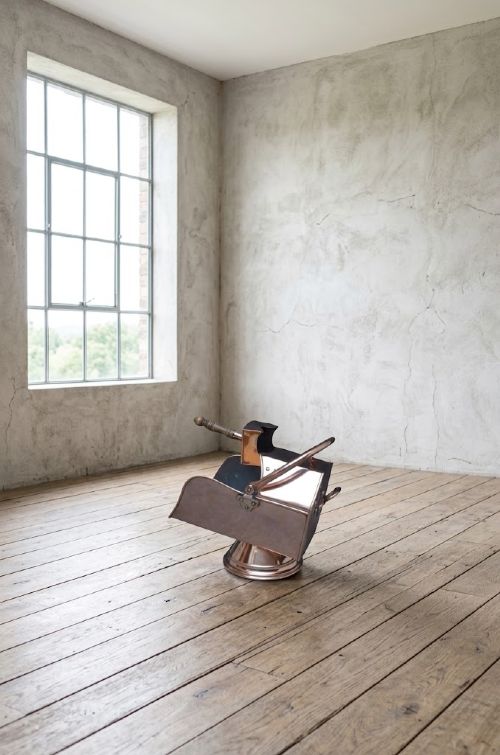


Polished Copper Scuttle
These polished copper scuttle items are gleaming fireside vessels crafted to hold coal, bringing warmth and metallic lustre to any hearth.

What these pieces are
A polished copper scuttle is a fireside accessory designed to store and transport coal to the grate. The pieces on this page span the Georgian period, the year 1800, and the nineteenth century, reflecting enduring domestic utility.
Most examples take the form of a coal helmet, featuring an elevated spout and a sturdy handle for tipping fuel efficiently. These vessels originate from English workshops and range from George III designs to Victorian and Arts and Crafts iterations.
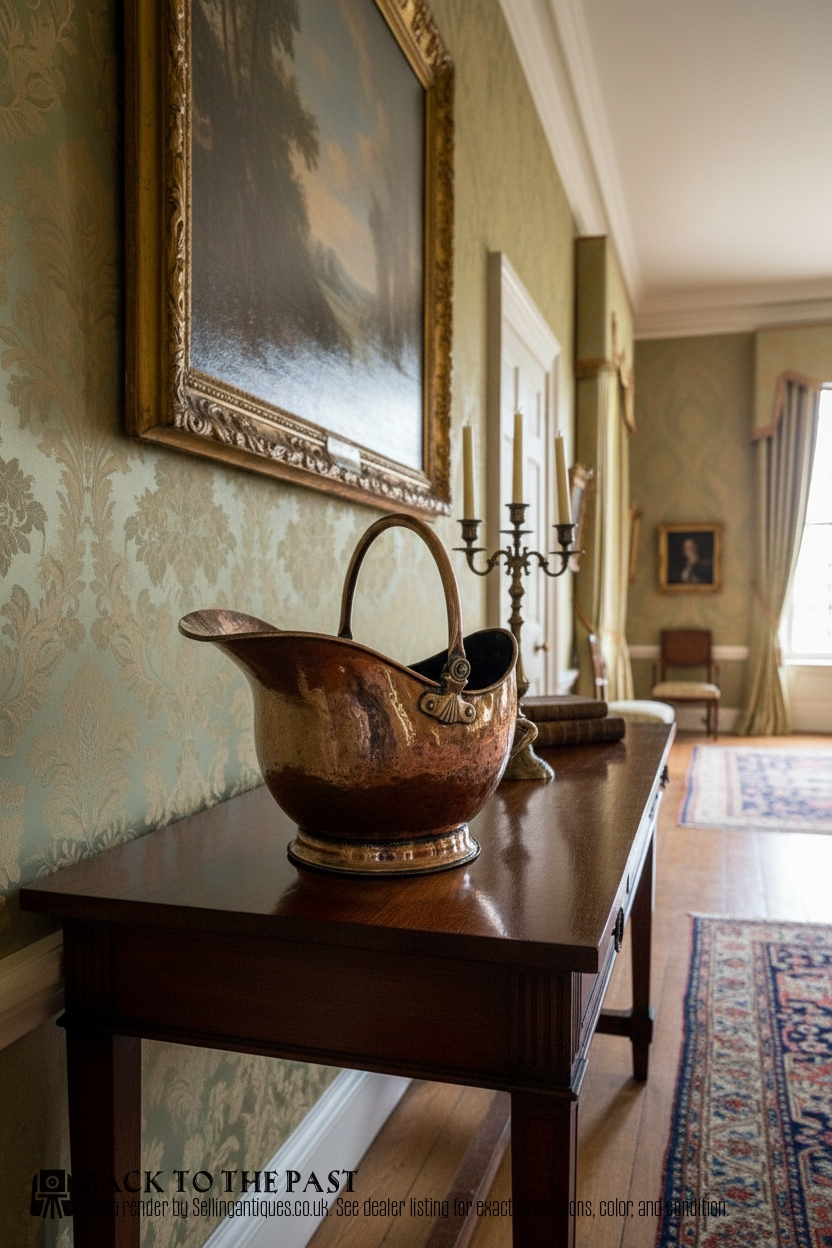
How they were made
Makers utilised sheet copper, shaping the metal by hand and joining seams with precision to create durable fire side vessels. Brass fittings and wooden handles were frequently incorporated to provide contrast and safe handling near the hearth.
The exterior surfaces received a high polish to catch the firelight, transforming a utilitarian container into an ornamental feature of the room. Craftsmen balanced structural rigidity with elegant curves, particularly evident in helmet-shaped forms.
Retail Price Guide 2026
Typical UK retail prices for polished copper scuttle, calculated from the Sellingantiques database of over a million retail prices indexed since 2003. This retail price guide relies exclusively on Sellingantiques data; no external sources or auction records are used, so the figures do not describe the wider market.
Listings span the Georgian period, the year 1800, and the 19th century, constructed from copper, brass, and wood.
What varies in quality
The distinction between standard vessels and superior examples lies in the weight of the copper and the refinement of the silhouette. Early pieces from the Georgian era or around eighteen hundred often display more harmonious proportions and disciplined hand-beating.
Details such as the attachment of the handle, the choice of timber for grips, and the integration of brass accents separate workshop standards. Superior vessels retain crisp lines and balanced weight distribution even after generations of polishing.
The Polished Copper Scuttle Glossary
- Coal helmet
- A specific form of coal scuttle featuring a flared rim and pointed spout resembling a classic helmet, designed for controlled pouring. This shape is common in Georgian and Victorian examples.
- George III
- The stylistic period spanning the reign of George the Third, known for refined classical proportions in domestic metalwork. Pieces from this era often exhibit restrained ornamentation.
- Victorian
- The period of the nineteenth century encompassing diverse revival styles and heavy industrial production methods. Items from this era balance ornate detailing with robust utility.
Frequently Asked Questions
What is a polished copper scuttle used for?
These vessels were designed to hold coal near the fireplace for convenient refueling of the hearth. Their polished metal surfaces also served a decorative role in period reception rooms.
Today, they function as striking decorative accents or storage containers in traditional and contemporary interiors alike.
How do I date a copper scuttle?
Dating relies on stylistic clues, such as the helmet shape and handle construction typical of Georgian or Victorian periods. Material choices like brass fittings and wood elements also help establish the era of manufacture.
Examining the method of construction reveals whether the vessel originates from nineteenth-century production or earlier hand-beating traditions.
Are these scuttles made of solid copper?
The primary body of these fireside vessels is constructed from sheet copper, often polished to a high metallic sheen. Additional components such as handles and feet frequently incorporate brass or wood.
This combination of materials provided both functional durability and visual contrast for domestic hearths.
How should I care for polished copper?
Maintenance involves gentle cleaning to preserve the metallic lustre without stripping the historical patina of the metal. Occasional wiping keeps dust from dulling the reflective surface.
Avoid abrasive cleaners that might scratch the copper or damage any integrated brass and wooden details.