


Victorian Coal Bucket
When you want a fireside piece with genuine nineteenth-century weight, a Victorian coal bucket brings functional metalwork directly to the hearth.

Victorian Coal Bucket
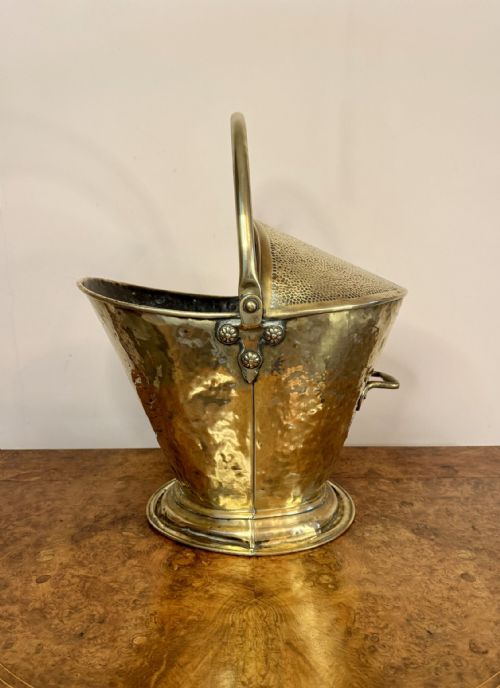
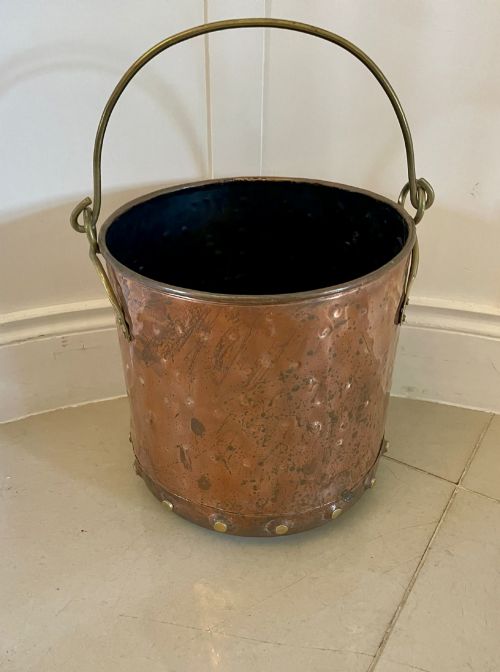
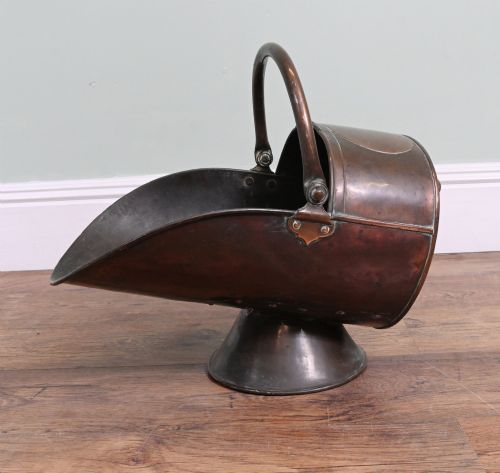
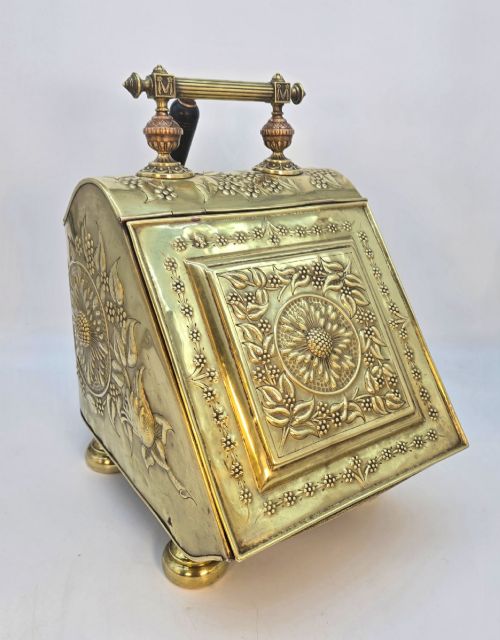
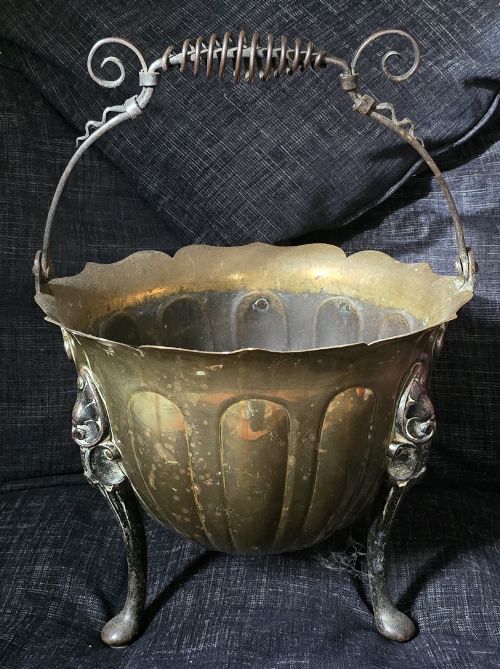
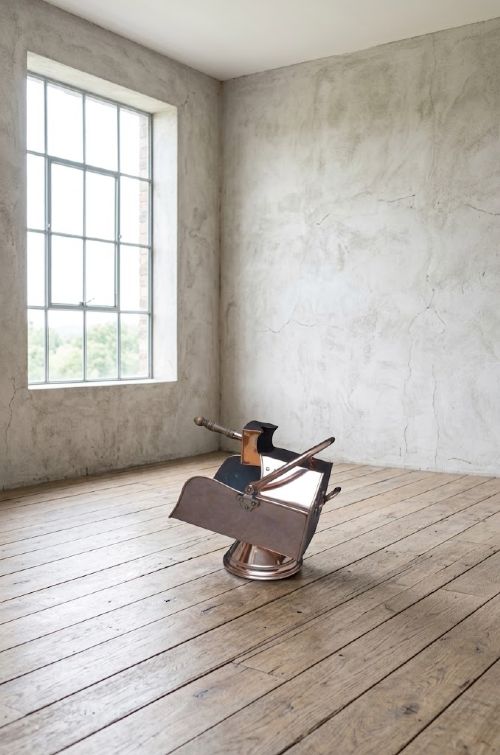
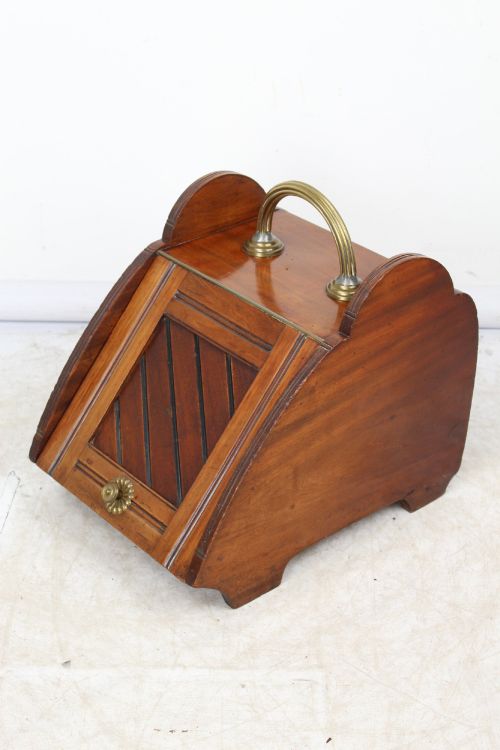
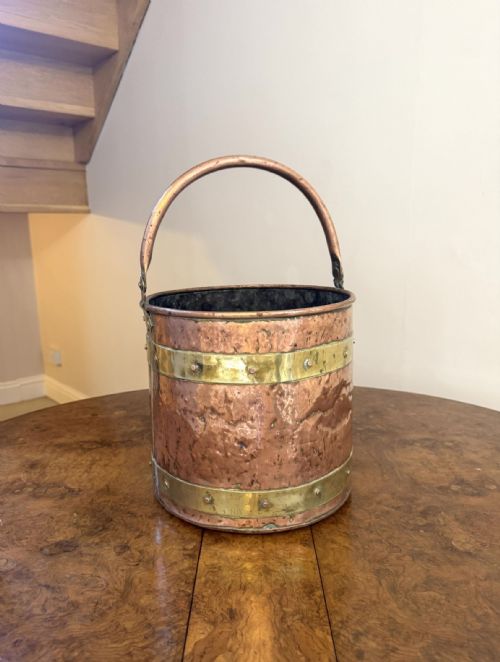
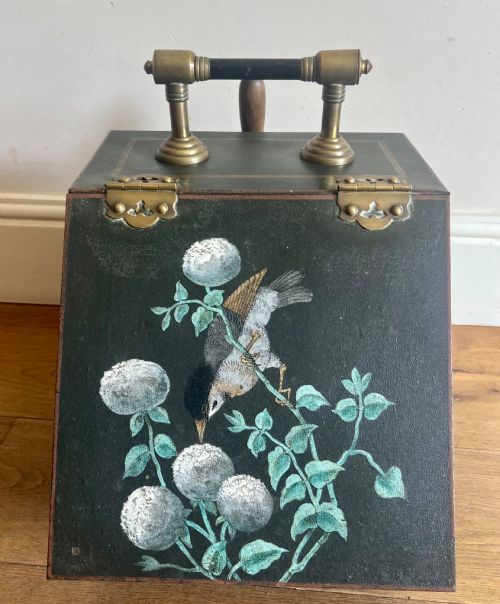
A victorian coal bucket encompasses domestic fireside containers designed to hold fuel next to the fireplace, frequently appearing as open buckets, helmet scuttles, or lidded bins.
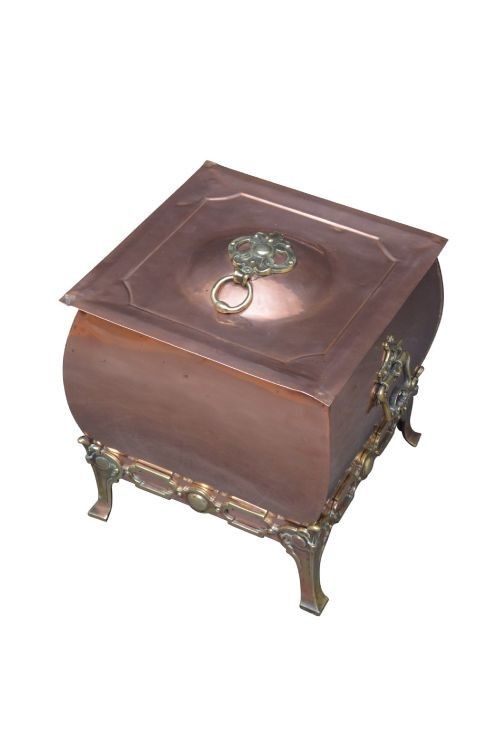
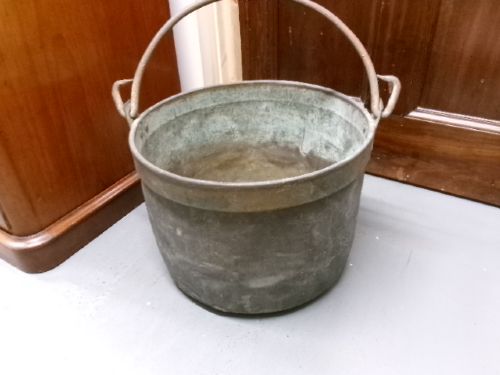
The material selection on this page ranges from polished brass and beaten copper to coopered oak and boiled leather, reflecting the diverse utility of nineteenth-century hearth accessories.
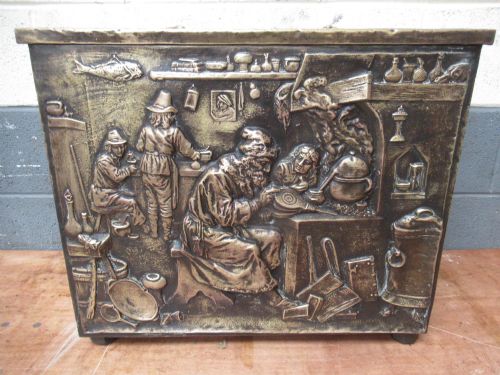
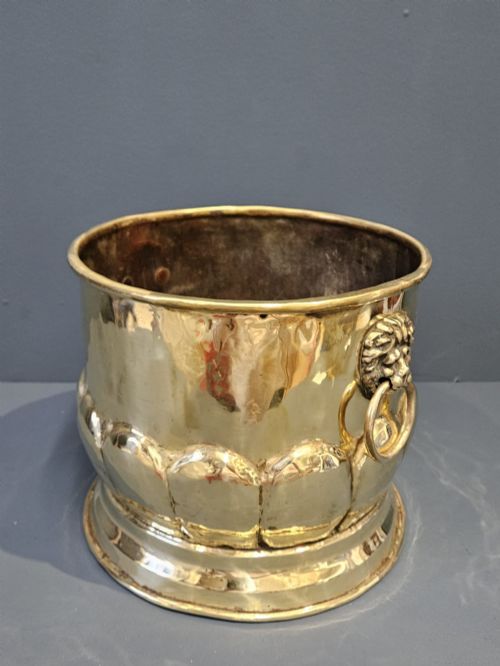
Many examples double as log bins or planters, showing how functional coal storage evolved to suit various domestic rooms beyond the main fireplace.

Materials and construction
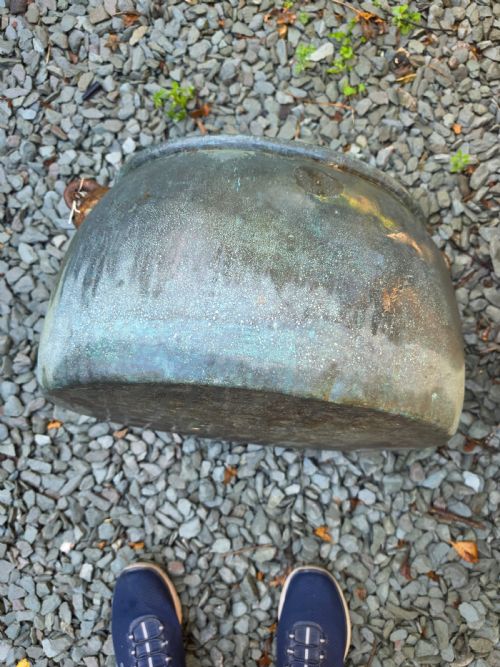
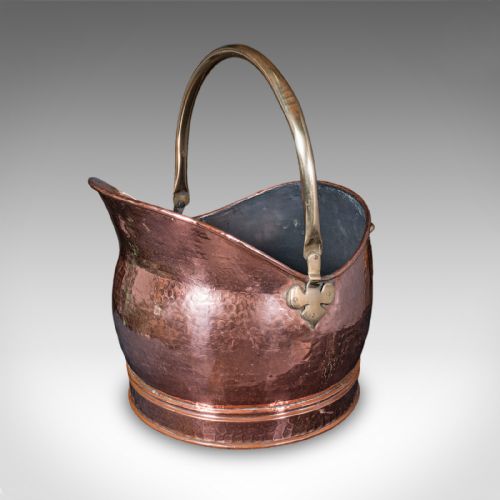
Metal vessels rely heavily on hand-hammered copper and sheet brass, often joined by visible rivets and fitted with swing handles or cast lion head ring grips.
Wooden containers utilise traditional coopering techniques with tight stave construction, frequently reinforced with metal bands or paired with internal metal liners.
Surface finishes include embossed detailing, decorative brass bands, and hand-finished patination applied to both British and continental workshop pieces.
Victorian Coal Bucket Retail Price Guide 2026
Typical asking prices for victorian coal bucket among the pieces listed under this phrase on Sellingantiques today, from the lower quarter to the upper quarter. They describe what is for sale here now, not the wider market.
Listings feature copper, brass, oak, and wrought iron shaped into fireside accessories across the Victorian period.
Judging the manufacture
Quality rests upon the gauge of the metal and the firmness of the construction, where thicker copper and solid brass retain their structural integrity under heavy daily loading.
The crispness of hand-embossing and the tightness of wooden stave joints distinguish workshop pieces produced with care from standard utility items.

Henry Loveridge·Benham and Froud·Petrus Ramus
The Victorian Coal Bucket Glossary
- Coal scuttle
- A container designed with a sloping mouth or a hinged scoop to facilitate the pouring of fuel onto a fire. These often feature a fixed handle at the back and a pivoting handle across the top.
- Coopered
- Made by a cooper using curved wooden staves bound together with metal hoops. This technique provides the waterproof strength required for wooden buckets and log bins.
- Toleware
- Tin-plated steel painted and baked with a durable lacquer or enamel finish. It provides a decorative surface often seen on Victorian domestic containers.
- Helmet scuttle
- A fireside bucket shaped with an asymmetrical flared rim resembling a classical helmet. This profile helps direct the fuel downwards when emptying.
Victorian Coal Bucket: Frequently Asked Questions
How were these buckets used originally?
These vessels served to transport coal from outdoor storage bunkers directly to the indoor fireplace for daily heating.
They sat beside the hearth, often accompanied by a matching shovel or tongs for tending the flames.
Can I use an antique bucket for logs?
Most metal and wooden vessels accommodate logs easily, provided they feature an interior suitable for holding rough timber.
Many examples originally designated for coal now function effectively as fireside log holders or indoor plant containers.
How do I identify a Victorian piece?
Look for construction methods typical of the nineteenth century, such as hand-riveted copper plates, dovetailed joints, and heavy brass swing handles.
Design motifs often align with Victorian tastes, Arts and Crafts styling, or Art Nouveau curves.
What is a coal helmet?
A coal helmet is a specific type of scuttle featuring a wide, slanted opening designed to pour fuel cleanly into the grate.
The flared rim and balanced handle make tipping heavy contents straightforward and controlled.