

Antique Copper Scuttle
An antique copper scuttle brings warmth and practical heritage to a hearth, offering a durable vessel for coal, logs, or fireside storage.
Antique Copper Scuttle
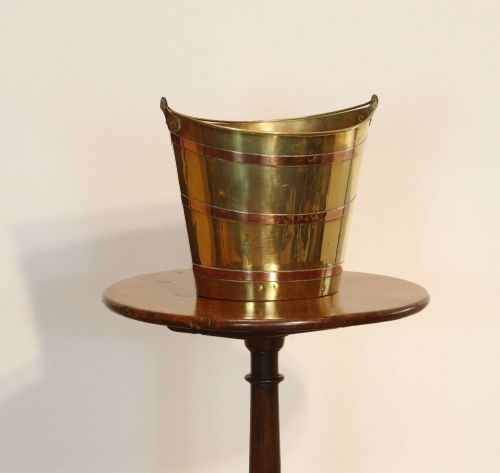
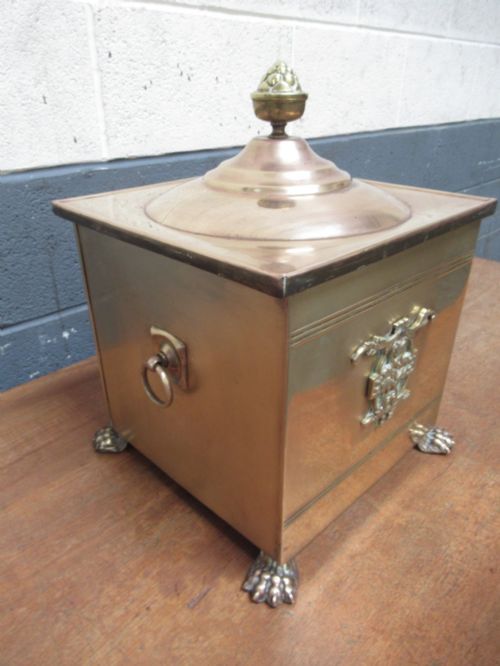
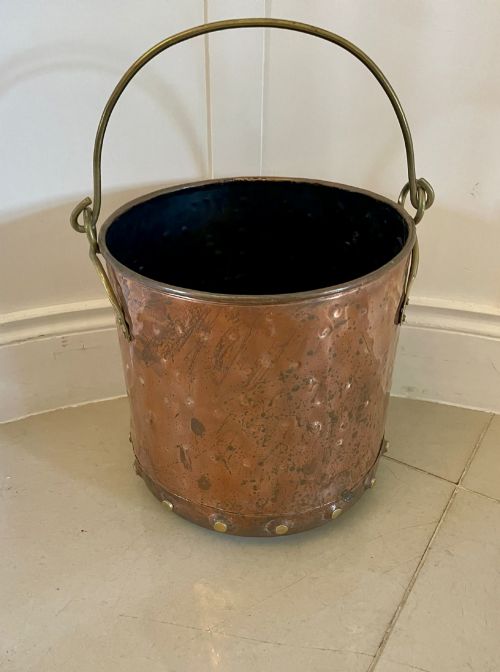
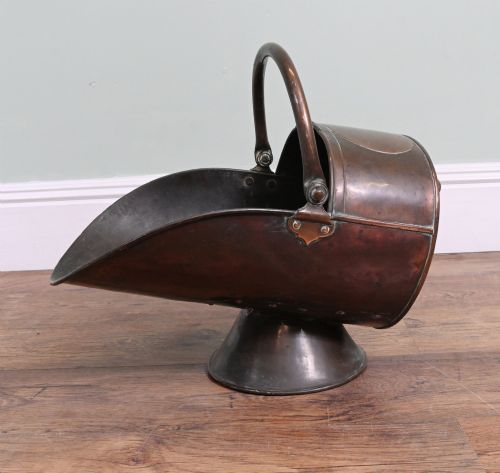
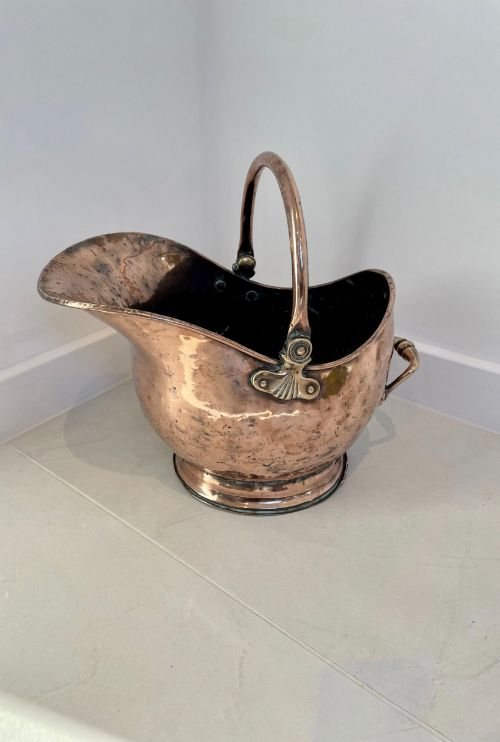
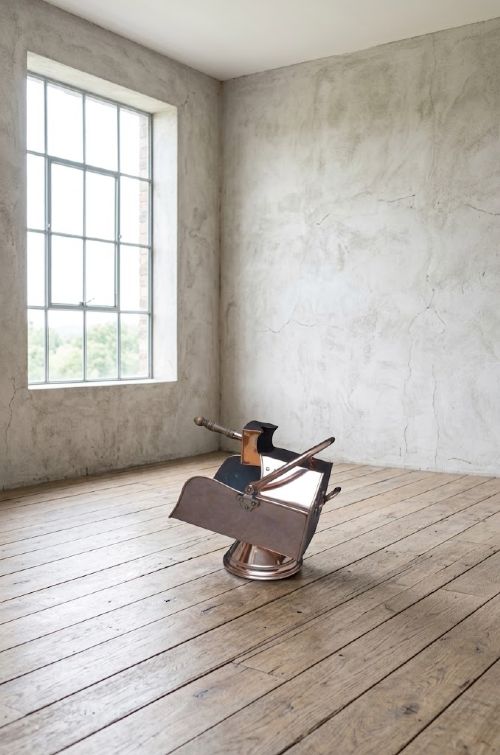
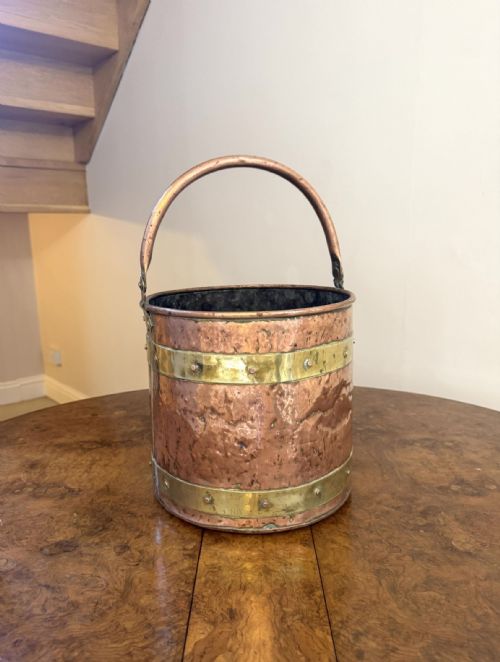
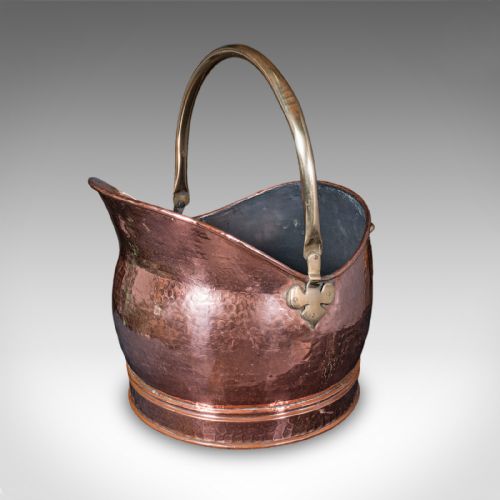
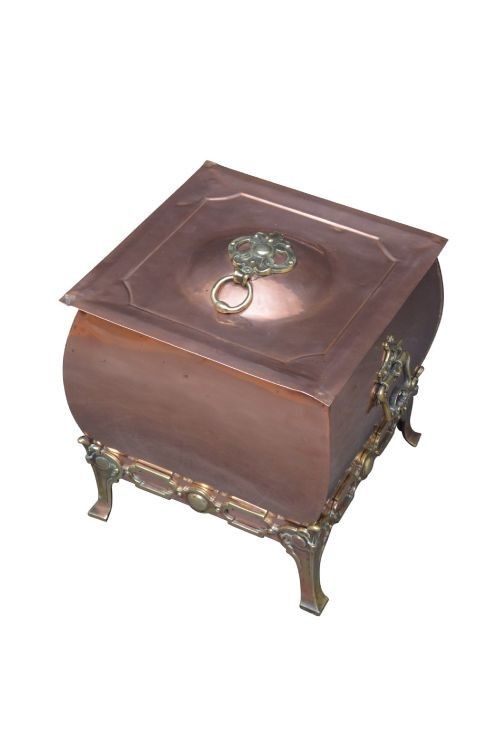
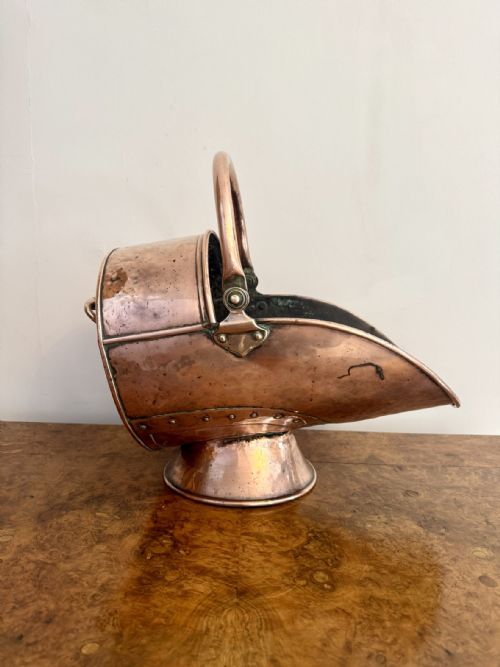
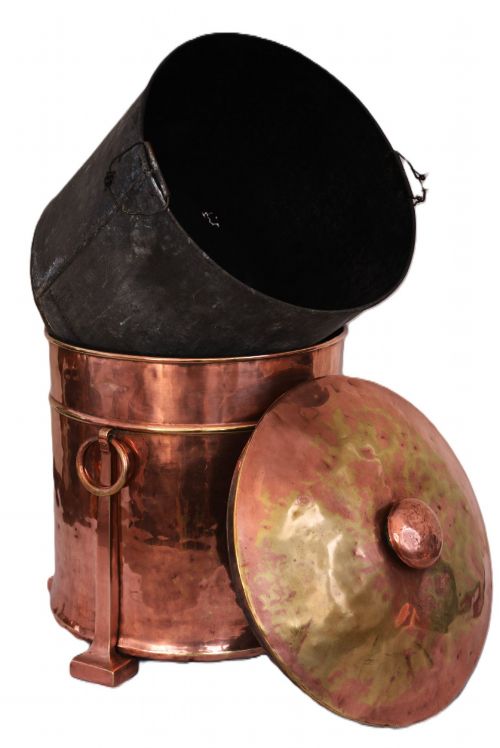
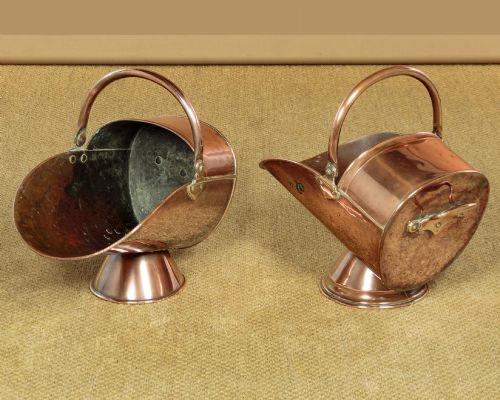
An antique copper scuttle functions as a traditional fireside container designed to hold coal, peat, or logs beside an open fireplace. These vessels appear in various forms, including helmet-shaped buckets, cylindrical bins, and handled cauldrons meant for daily hearth service.
The pieces seen on this page span from the Georgian period through the Victorian era and into the Arts and Crafts and Edwardian movements. Victorian and nineteenth-century examples dominate the selection, frequently accompanied by Georgian and later twentieth-century variations.
Beyond holding fuel, many of these copper vessels double as planters or jardinieres when repurposed for domestic interiors. The dual purpose of coal storage and plant display reflects the adaptable nature of these sturdy metal containers.
How they were made
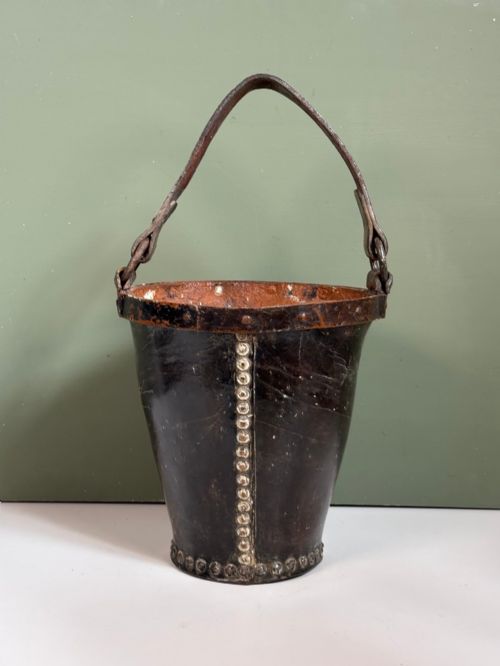
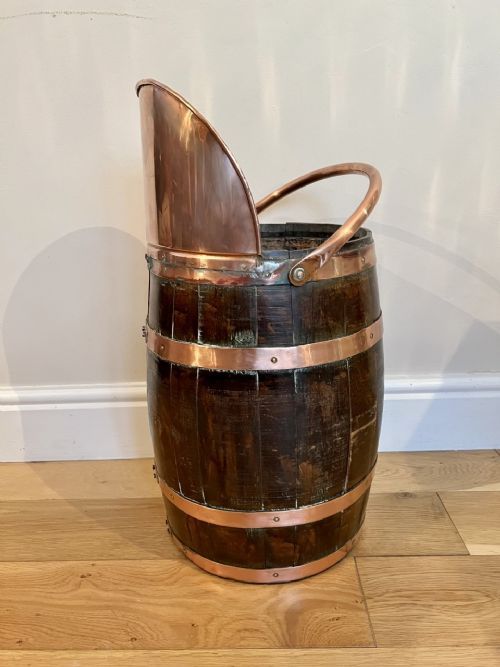
Makers formed these containers primarily from sheet copper, often incorporating brass bands, handles, and claw feet for structural reinforcement and contrast. Wrought iron and oak also appear in frames, handles, and stave construction, adding considerable weight and stability to larger log bins.
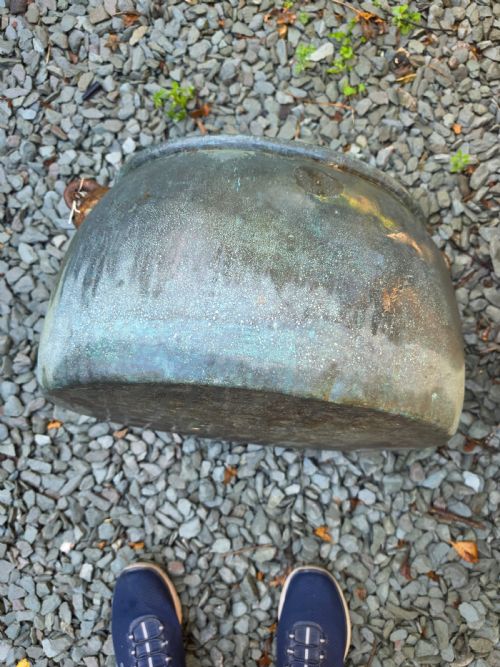
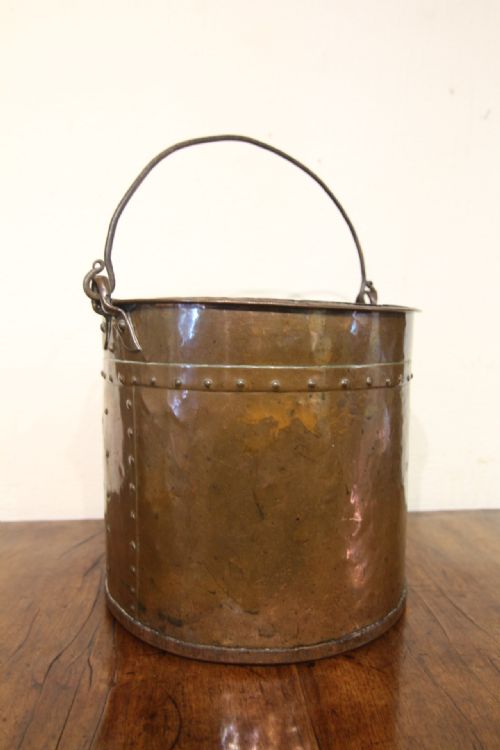
Many nineteenth-century examples utilise visible hand-riveting to join the heavy copper plates together securely. Surface finishes range from smooth hammered panels and embossed brass details to weathered patinas accumulated through decades of fireside use.
Antique Copper Scuttle Retail Price Guide 2026
Typical asking prices for copper scuttle among the pieces listed under this phrase on Sellingantiques today, from the lower quarter to the upper quarter. They describe what is for sale here now, not the wider market.
Some resilient nineteenth-century coal buckets enjoyed second careers holding potted ferns before making their way into modern living rooms.
What varies in quality
The gauge of the metal largely dictates the calibre of a piece, with thicker copper plates resisting dents and holding rigid shapes over generations of hearth use. Heavier gauge metal supports substantial wrought iron or brass furniture without sagging or pulling loose at the joints.
Construction details such as dovetailed or heavily riveted seams separate utilitarian vessels from finer decorative items. The integration of cast brass handles, claw feet, and tightly fitted wooden bases demonstrates superior craftsmanship by the original metalworker.
Percy Metal Works London
The Antique Copper Scuttle Glossary
- Helmet scuttle
- A fireside coal container featuring an elevated back and a flared spout resembling a traditional helmet, designed for pouring fuel cleanly.
- Log bin
- A deep, wide cylindrical vessel intended to hold firewood rather than smaller pieces of coal or peat.
- Jardiniere
- An ornamental pot or receptacle, usually made of metal or ceramic, designed to hold growing plants or flowers.
- Riveted
- Joined together using metal pins hammered flat at the ends, creating visible structural seams along the body of the copper bucket.
Antique Copper Scuttle: Frequently Asked Questions
How do I clean an antique copper scuttle?
Wipe the surface gently with a soft, damp cloth to remove dust and accumulated soot from the hearth.
Avoid harsh commercial abrasives that strip away the aged patina which collectors value on nineteenth-century metalwork.
Can I use an antique scuttle for real logs?
These vessels were built specifically to withstand the heavy daily wear of storing firewood and solid fuel next to active hearths.
Ensure the interior remains dry to prevent moisture from damaging any iron rivets or wooden bases over time.
How do I date an antique copper scuttle?
Examine the construction methods, such as hand-hammered panels and heavy copper riveting typical of nineteenth-century workshops.
Georgian examples often display distinct brass banding and simpler proportions compared to ornate Victorian or Arts and Crafts designs.