


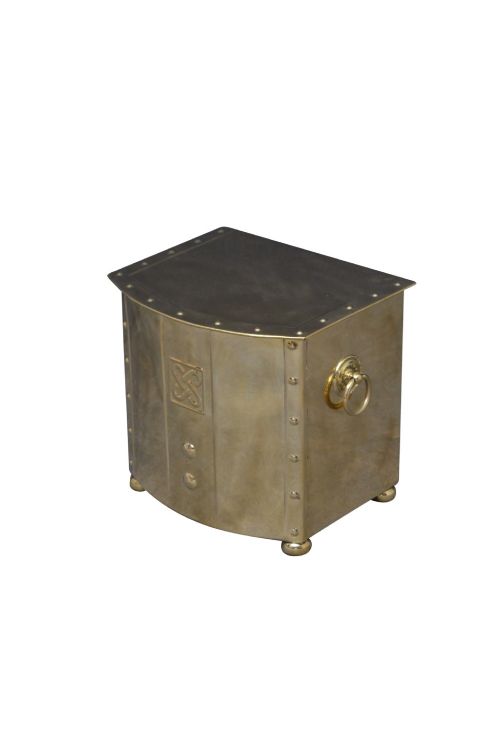


Brass Handle Coal Scuttle
These brass handle coal scuttles are heavy hearth vessels designed to carry fuel, prized for their gleaming metal surfaces.
Brass Handle Coal Scuttle
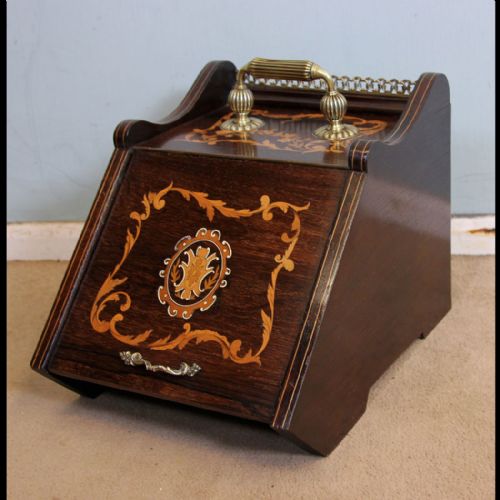
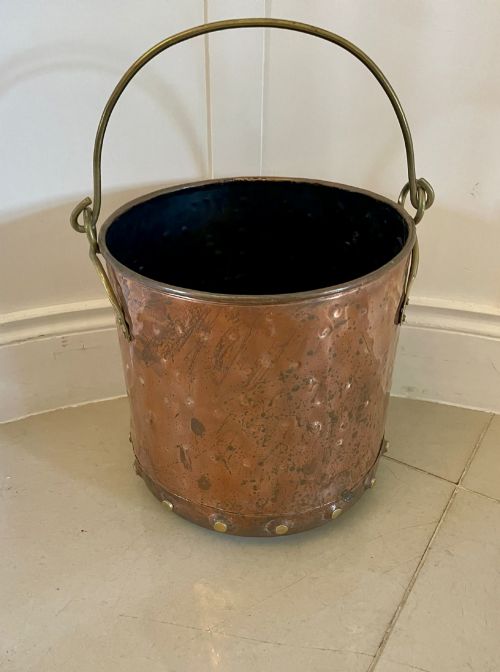
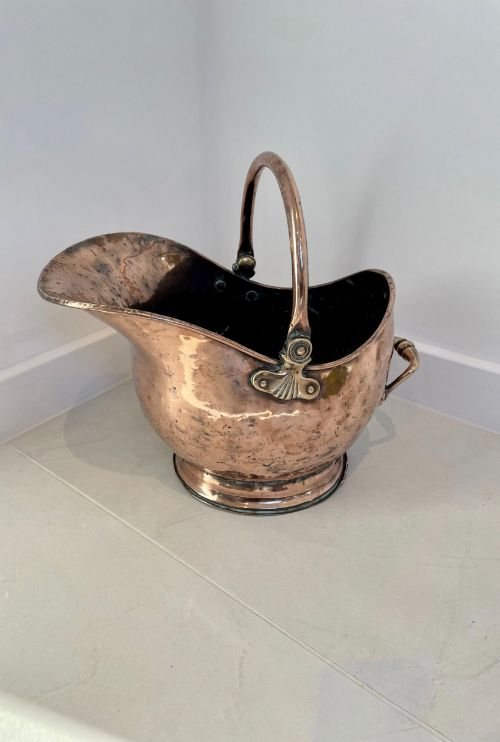
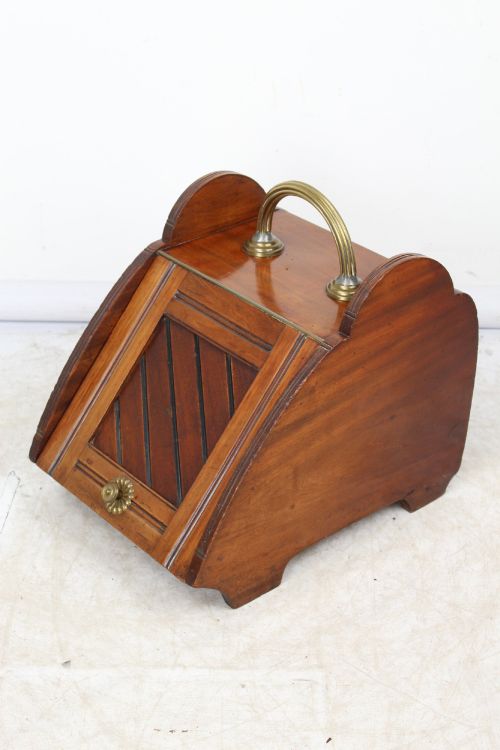
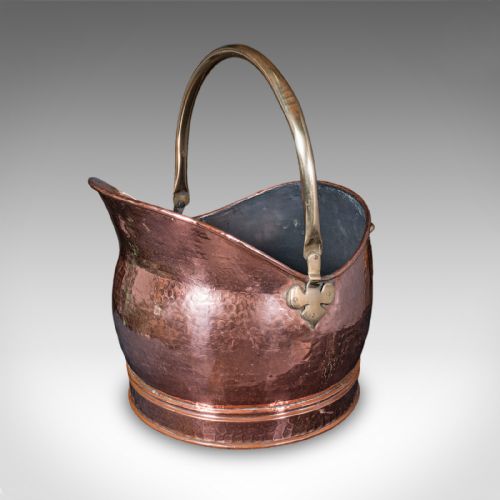
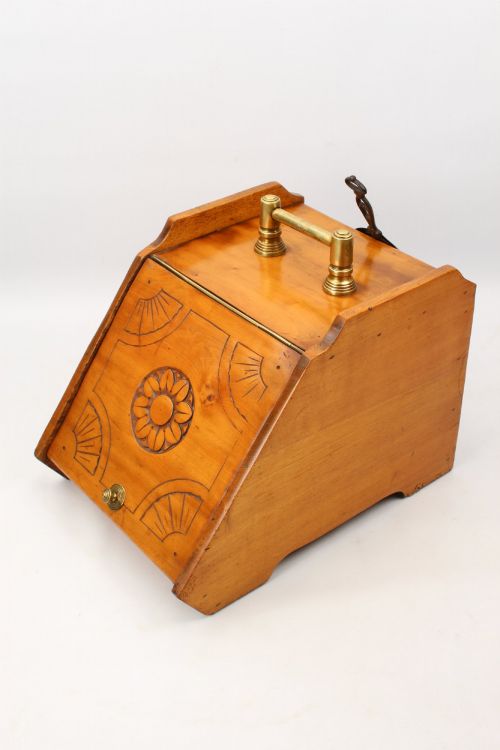
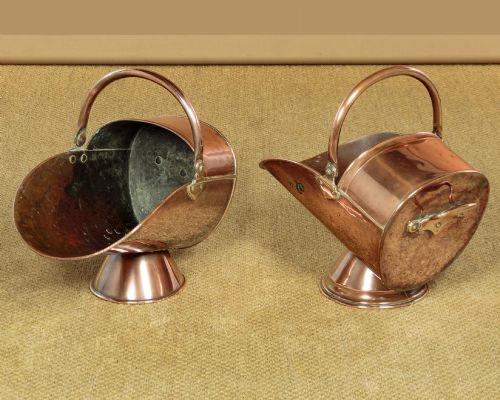
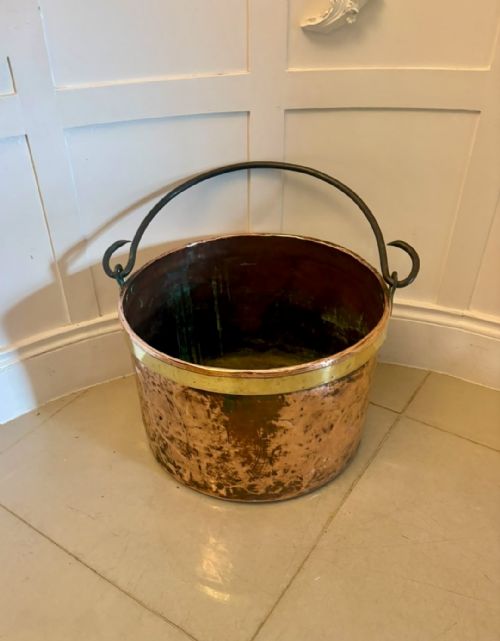
The versions you are most likely to meet on this page take the form of coal buckets, coal helmets, painted metal coal boxes, and purdoniums. These pieces combine utilitarian metal bodies with wooden or ceramic elements and fitted shovels.
Originating from the nineteenth and early nineteenth centuries, these items reflect the domestic heating needs of period interiors. They survive in various forms, from plain metal boxes to carved front purdoniums.
How They Were Made
Makers constructed these vessels using sheet metals such as brass, copper, and iron, often pairing them with oak and other woods. Metalworking techniques involved hammering, riveting, and shaping sheets into distinctive helmet or bucket profiles.
Many examples feature applied brass handles, swing handles, and China handles secured with metal fixings. Painted iron variants display surface coatings applied over metal plates, while carved front examples incorporate detailed woodwork on the body or lid.
Brass Handle Coal Scuttle Retail Price Guide 2026
Typical asking prices for brass handle coal scuttle among the pieces listed under this phrase on Sellingantiques today, from the lower quarter to the upper quarter. They describe what is for sale here now, not the wider market.
Some coal helmets managed to look like Roman headgear while spending their lives covered in soot.
What Varies in Quality
The distinction between standard examples and superior pieces rests on the weight of the metal and the complexity of construction. Heavier gauge copper and brass plates combined with sturdy wooden elements indicate higher initial manufacture.
Finishing details also separate the tiers, such as the intricacy of carved woodwork on a purdonium versus plain sheet construction. The presence of matching shovels and well-secured swing handles elevates the integrity of the surviving piece.
The Brass Handle Coal Scuttle Glossary
- Coal helmet
- A traditional coal scuttle shape featuring a flared, scuttle-like rim resembling an upturned classical helmet. This profile allowed for easier pouring of fuel onto the fire.
- Swing handle
- A movable arched metal handle attached to the sides of a bucket or scuttle. It pivots to allow balanced carrying and drops flat when stationary.
- George III
- The historical period spanning from seventeen hundred and sixty to eighteen hundred and twenty. Pieces from this era exhibit earlier Georgian craftsmanship characteristics.
Brass Handle Coal Scuttle: Frequently Asked Questions
What is a coal purdonium?
A coal purdonium is a domestic box or cabinet designed to store solid fuel near a fireplace. It typically includes an inner metal container to hold the coal cleanly.
These pieces often feature hinged lids or drop fronts and frequently incorporate carved woodwork and attached brass handles.
How were coal helmets used?
Coal helmets served as portable containers to carry coal from an outside storage area to the hearth. Their flared rims aided in emptying the fuel onto the fire.
Domestic servants or homeowners used the attached handles to lift and tilt the vessel safely during refuelling.
What metals are these scuttles made from?
These hearth vessels are primarily constructed from brass, copper, and iron. Some examples feature painted iron surfaces or mixed media combinations.
Makers frequently paired these metal bodies with wooden components like oak, alongside brass or ceramic handles.
How do I date a coal scuttle?
Dating relies on stylistic markers and material evidence associated with periods such as the Georgian and Victorian eras. Details like helmet shapes, painted metal finishes, and carved wooden fronts point to specific decades.
Construction methods, including the type of handle fixings and metal gauge, also help establish the age of the piece.