


Antique Coal Box
An antique coal box brings hearthside practicality together with nineteenth-century craftsmanship, offering an enclosed container to store solid fuel near the fire.
Antique Coal Box
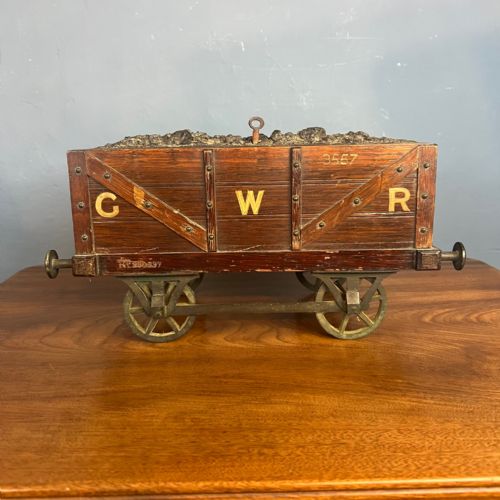
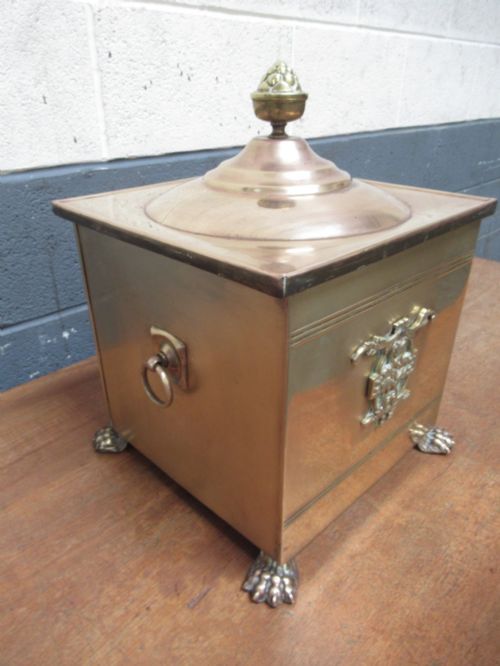
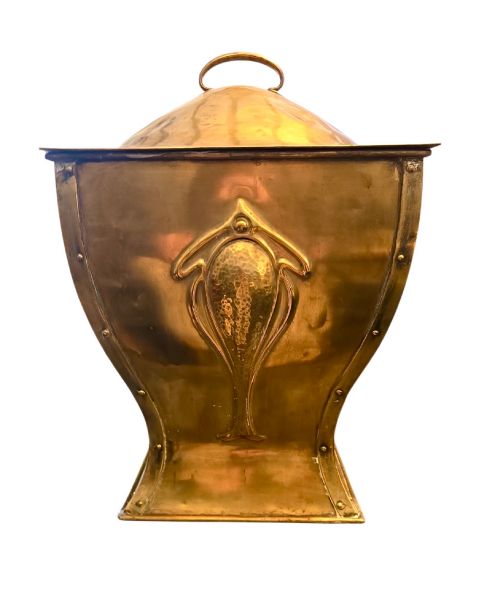
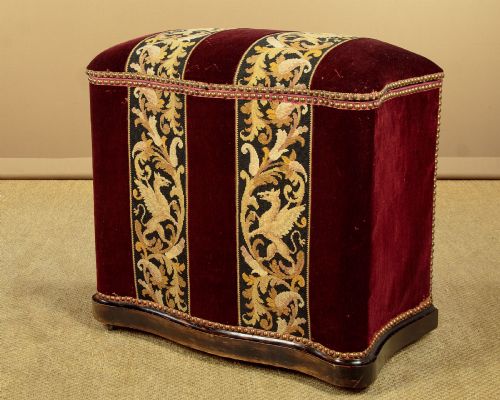
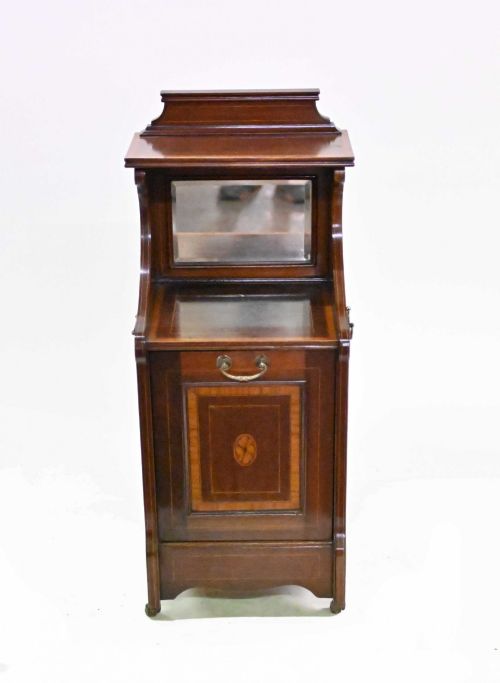
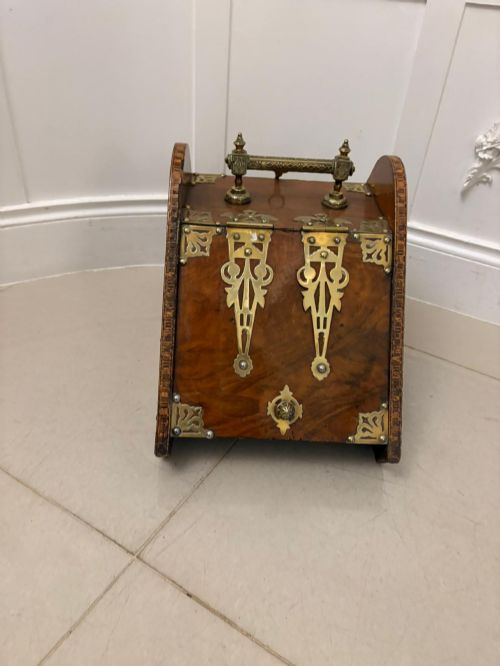
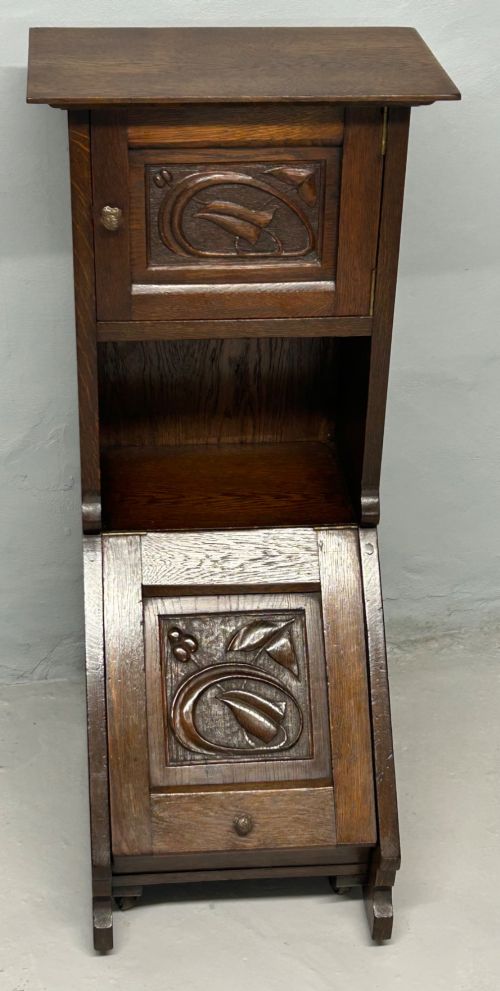
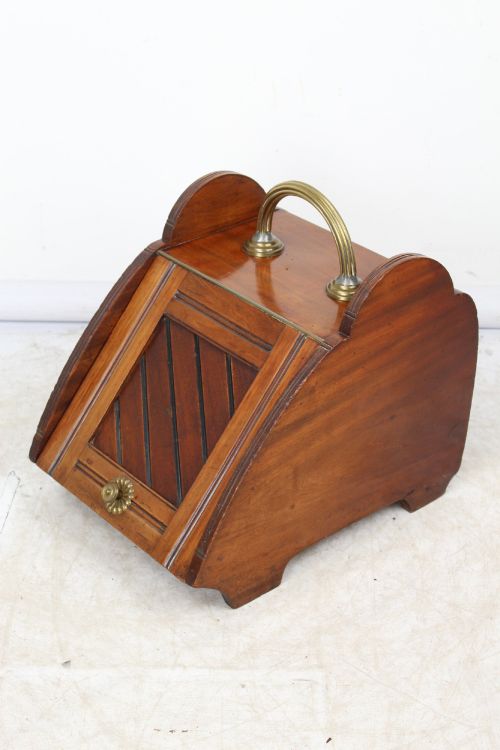
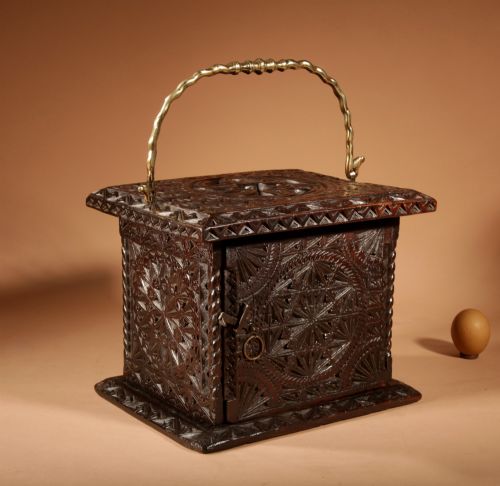
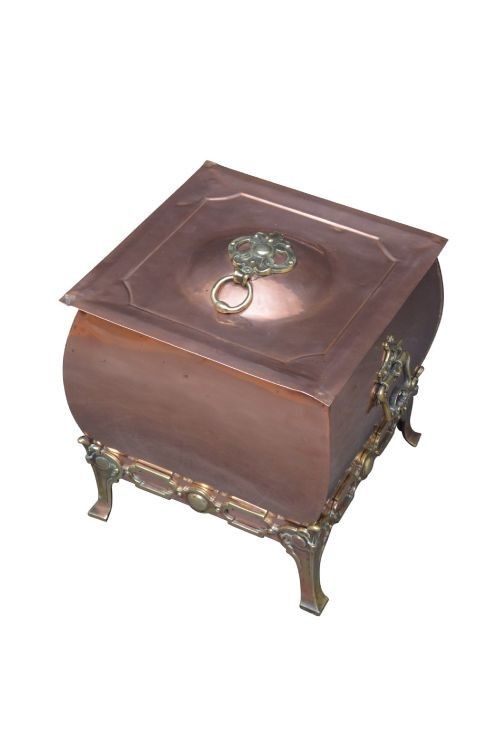
An antique coal box serves as a fireside receptacle designed to hold fuel such as coal, logs, or kindling while keeping domestic hearths tidy. These objects appear in various forms, including traditional lidded boxes, upright purdoniums with drop-down chutes, and open scuttles or buckets.
The pieces seen most frequently on this page date from the Victorian and Edwardian eras, spanning the nineteenth and early twentieth centuries. They bridge the gap between heavy industrial utility and decorative interior furnishings.
Makers fashioned these fuel containers for daily domestic use in drawing rooms, parlours, and country houses. Surviving examples often retain original metal liners and matching shovels intended for transferring fuel to the grate.
How they were made
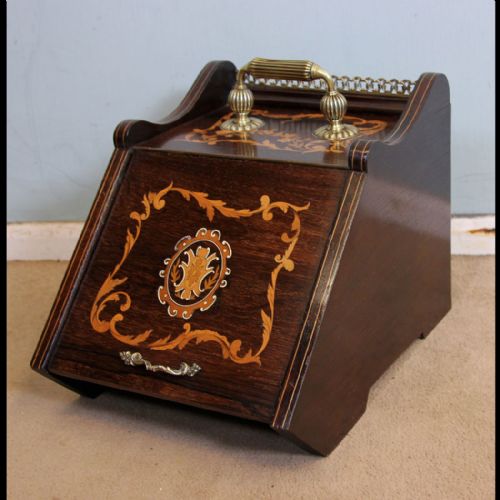
Wood construction relies on timbers like oak, walnut, mahogany, and rosewood, frequently shaped with carved panels, marquetry inlay, or chip carving. Cabinetmakers applied these decorative techniques to transform a utilitarian box into a presentable piece of furniture.
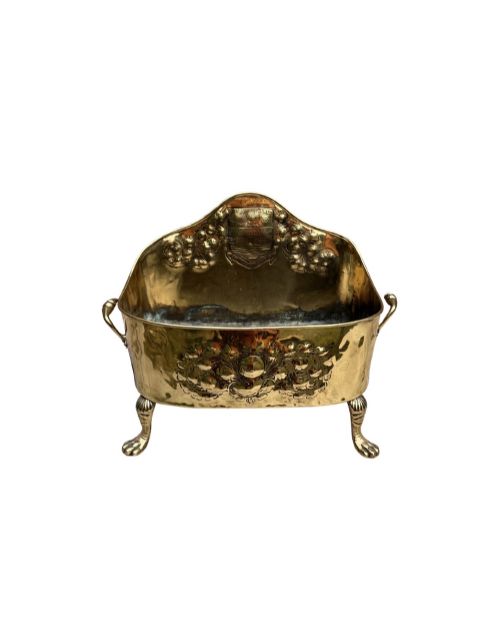
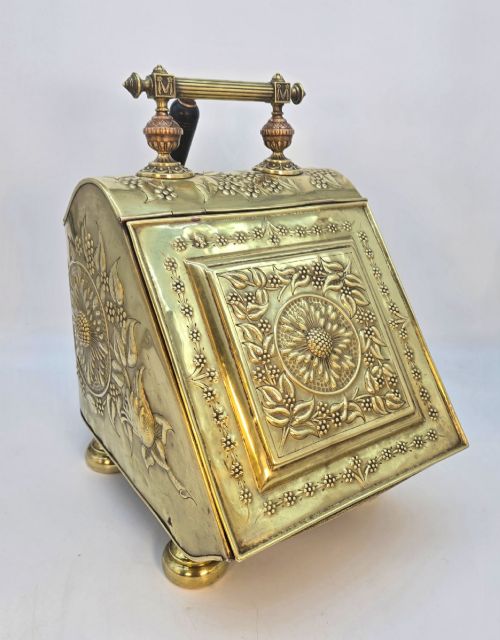
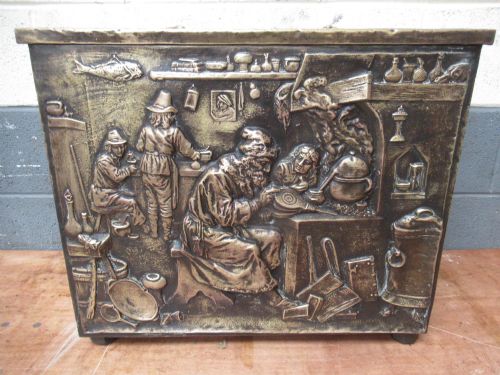
Metalworking forms the other half of the construction, utilising brass, copper, iron, and wrought iron for bodies, handles, hinges, and bindings. Makers such as Benham and Froud employed sheet brass and copper, sometimes utilising repoussé work or aesthetic movement motifs to decorate the exterior.
Antique Coal Box Retail Price Guide 2026
Typical asking prices for coal box among the pieces listed under this phrase on Sellingantiques today, from the lower quarter to the upper quarter. They describe what is for sale here now, not the wider market.
Listings feature oak, walnut, and mahogany alongside brass, copper, and wrought iron across Victorian, Edwardian, and Arts and Crafts styles.
What varies in quality
The standard of timber selection and cabinetmaking distinguishes standard boxes from superior pieces, particularly where secondary woods and dovetail joints are concerned. Elaborate surface decoration, such as hand-beaten copper panels or fine rosewood marquetry, elevates the workmanship.
The presence of original internal metal liners and matching scoops or shovels affects the completeness of an individual piece. Heavy gauge metal mountings and robust structural integrity separate high-grade workshop production from lighter domestic items.
Benham and Froud·Christopher Dresser
The Antique Coal Box Glossary
- Purdonium
- A specialised coal box featuring a sloping front door that drops forward to release fuel from an internal metal hopper. This design kept coal dust contained within the cabinet.
- Coal Scuttle
- A deep bucket or pail with a hinged handle and a wide lip, designed for carrying fuel from an outside store to the hearth. Many versions included a small matching shovel clipped to the side.
- Repoussé
- A metalworking technique where the artisan hammers design motifs into sheet copper or brass from the reverse side to create raised patterns. This method was widely favoured during the Arts and Crafts movement.
- Aesthetic Period
- A late nineteenth-century design movement that prioritized visual beauty over moral or narrative purpose, often incorporating stylized natural forms. Pieces from this period display distinct artistic styling.
- Tole Ware
- Painted or lacquered sheet metal items produced to simulate more expensive Oriental lacquerware. These decorative objects introduced colourful finishes to domestic interiors.
Antique Coal Box: Frequently Asked Questions
What is a purdonium?
A purdonium is a dedicated fireside cabinet designed to hold coal behind a vertical or sloping drop-front door. It typically contains a removable metal liner for easy refilling and cleaning.
This form emerged during the Victorian era to replace open buckets and keep fuel neatly hidden away in formal sitting rooms.
Did all coal boxes come with shovels?
Many Victorian and Edwardian coal boxes and scuttles were manufactured with matching shovels or scoops. These implements usually slid into dedicated side brackets or internal compartments.
Finding a piece that retains its original shovel and metal liner is common, though missing accessories often occurred over decades of daily use.
How do I distinguish Arts and Crafts examples?
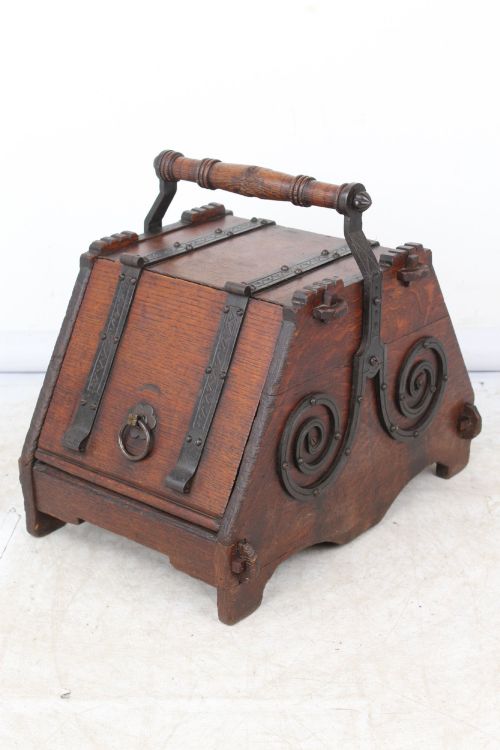
Arts and Crafts pieces emphasise visible handcraftsmanship, simple structural lines, and honest materials like solid oak and hand-beaten copper. They often feature exposed iron strapwork or repoussé plant motifs rather than classical machine-carved ornamentation.
Makers working in this style rejected mass-produced industrial excess in favour of traditional artisan techniques.
Can these boxes be used for logs?
While many were originally built specifically for coal, larger wooden boxes and open brass or copper buckets function equally well for storing firewood and kindling. Sturdy oak and iron constructions easily accommodate heavier logs.
Using them beside a modern wood-burning stove provides practical fuel storage while retaining period character.