



Brass Coal Bin
A brass coal bin brings warmth and functional metalwork to a fireplace, offering a practical way to store fuel with period character.

Brass Coal Bin
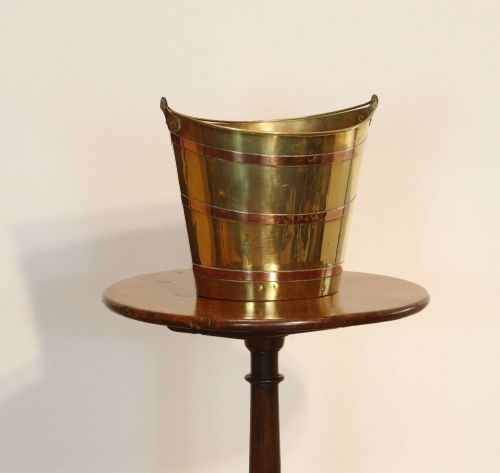
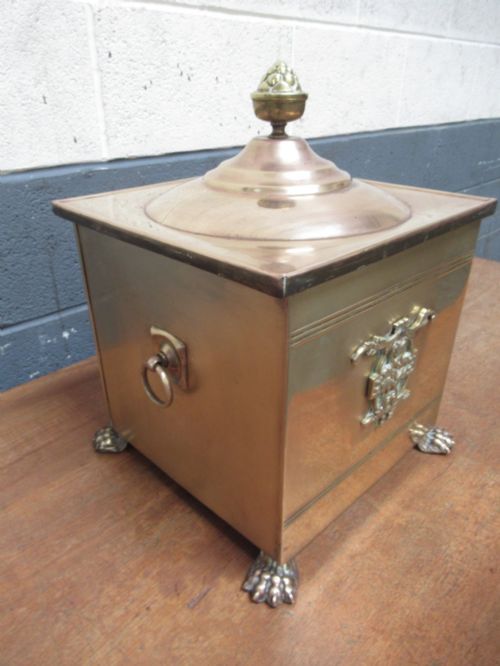
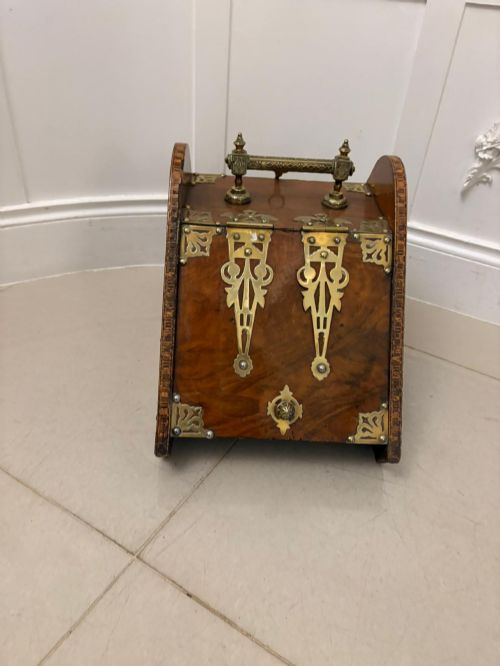
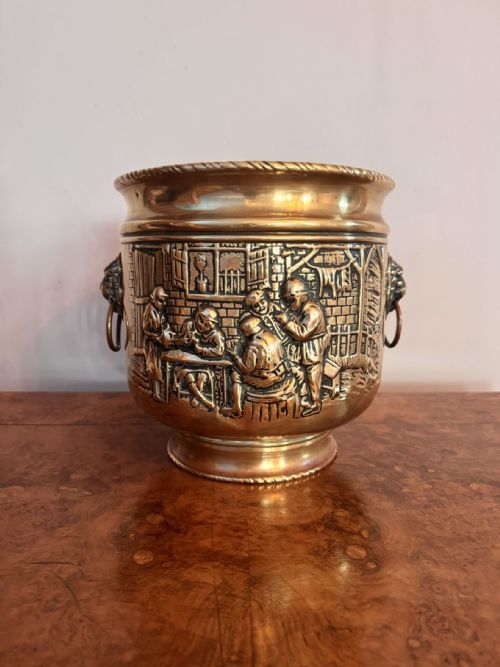
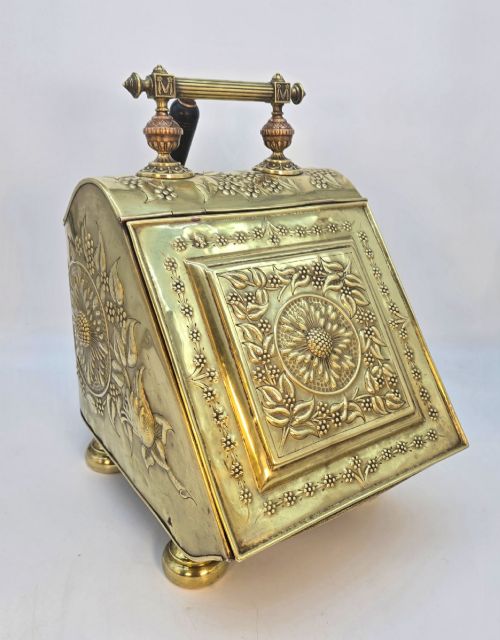
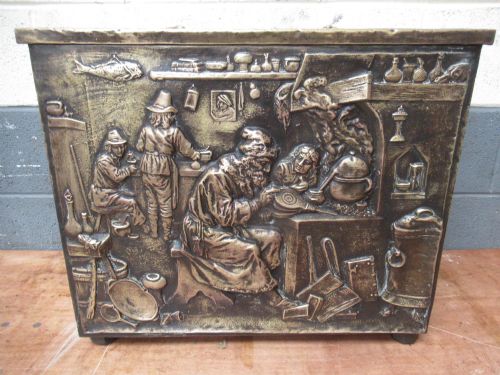
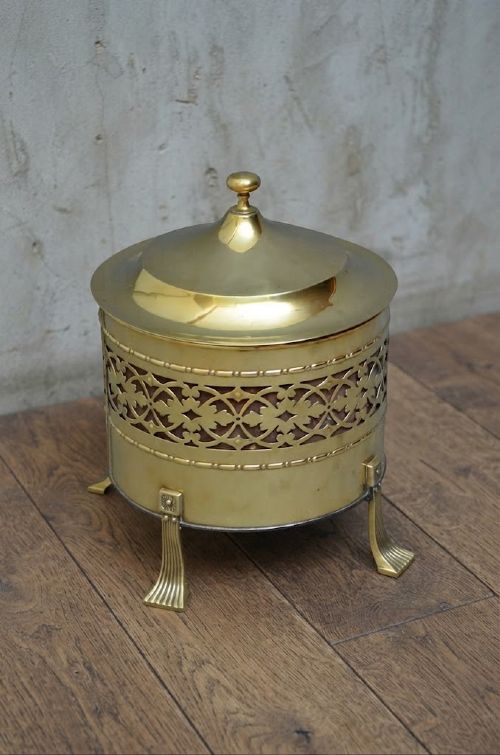
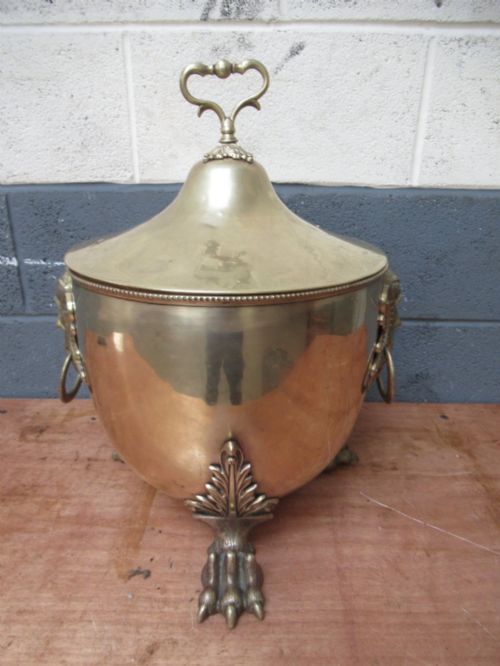
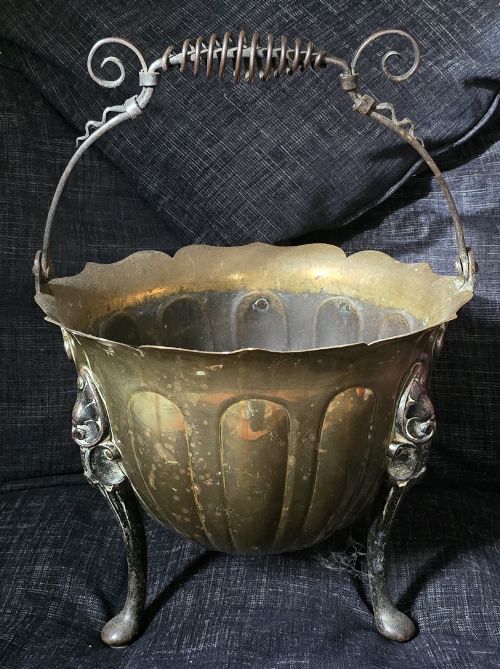
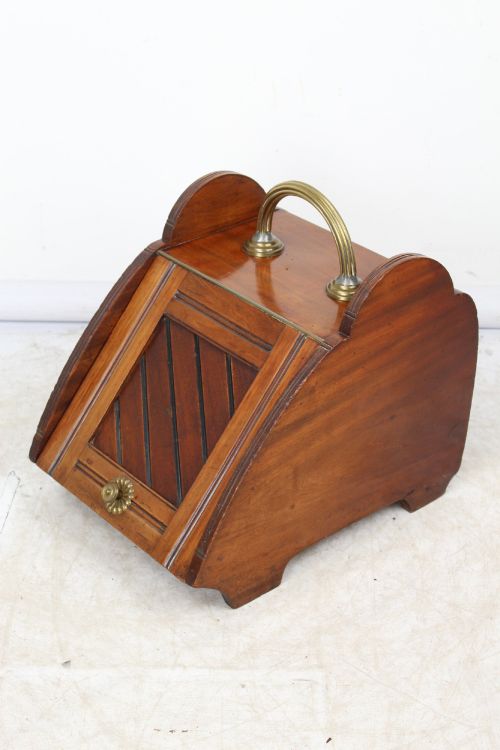
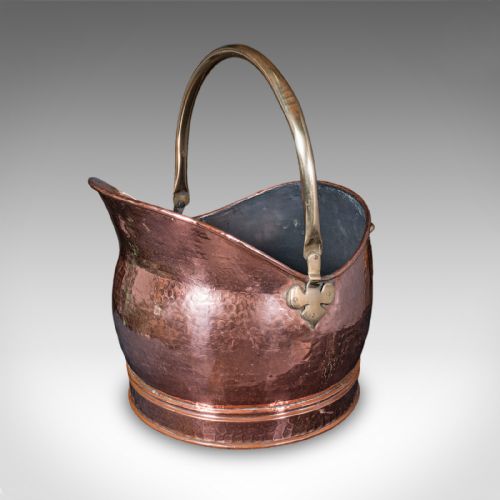
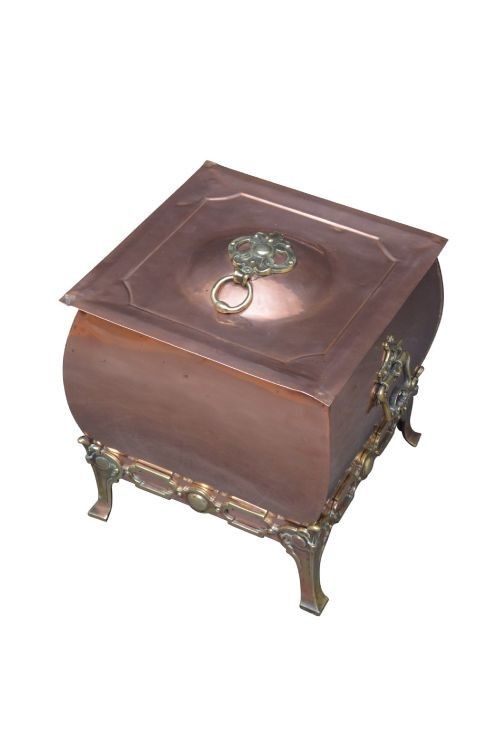
A brass coal bin serves as a fireside receptacle, holding fuel neatly beside the hearth while adding a reflective metallic finish to the room. These pieces appear in forms ranging from traditional lidded scuttles and helmet buckets to rectangular boxes and cylindrical bins.
The pieces on this page span the nineteenth century through the early decades of the twentieth century, taking in the Victorian, Edwardian and Arts and Crafts periods. European origins include English, Scottish, French, Belgian and Dutch examples.
Buyers will most frequently encounter lidded bins and open buckets shaped for domestic hearths, often accompanied by matching shovels or internal metal liners. Many designs double as log stores or planters when repurposed for modern interiors.

Materials and Construction
Makers utilised sheet brass as the primary medium, often combining it with copper, iron, galvanised metal and wood to build sturdy receptacles. Timber framing provides internal structure in box forms, while coopered wooden staves appear bound in brass.
Joining techniques involve visible rivets, hand-beaten panels and secure seams that withstand the heavy weight of coal and logs. Handles, feet and decorative mounts are cast in brass and riveted or screwed to the main body.
Brass Coal Bin Retail Price Guide 2026
Typical asking prices for brass coal bin among the pieces listed under this phrase on Sellingantiques today, from the lower quarter to the upper quarter. They describe what is for sale here now, not the wider market.
One exceptional model appears shaped entirely in the likeness of a baby's pram.
Judging Quality
The distinction between standard utility items and finer pieces lies in the gauge of the metal and the crispness of the hand-worked decoration. Heavier metal gauge prevents unwanted denting and ensures the container holds its structural integrity under daily hearth use.
Arts and Crafts examples show quality through deliberate hand-riveting and thoughtful surface texturing, whereas Victorian pieces often rely on embossed patterns or polished reflective finishes. Original components, such as internal liners and matching shovels, elevate a piece above altered or incomplete examples.
The Brass Coal Bin Glossary
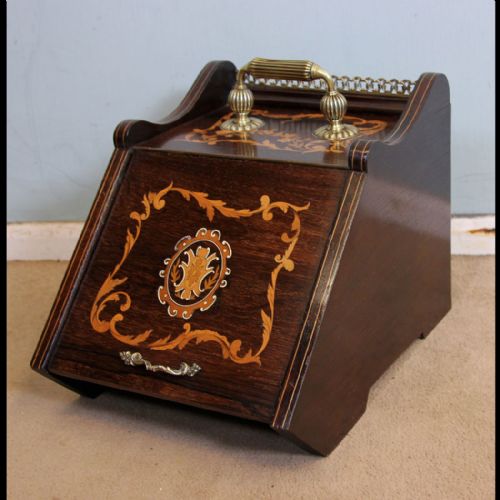
- Purdonium
- A specific type of coal cabinet featuring a sloping front drop-down door designed to hold a shovel and fuel.
- Helmet scuttle
- A traditional coal bucket shaped with a flared lip resembling a classical helmet for controlled pouring.
- Coopered
- Built using narrow wooden staves held together by tensioned metal hoops, similar to barrel-making.
- Companion tools
- Fireplace implements such as shovels, pokers and tongs designed to match the main storage bin.
Brass Coal Bin: Frequently Asked Questions
How do I clean a brass coal bin?
Maintenance depends on whether you prefer a bright polished surface or a dark patinated finish built up over decades. Gentle dusting with a dry cloth keeps everyday debris at bay.
Avoid harsh abrasive cleaners that strip away the aged character of the metal. If polishing is necessary, use a mild cream designed specifically for brass and apply it sparingly.
Can I use these for logs instead of coal?
Many historical receptacles were designed for both solid fuels and logs, making them versatile for modern wood-burning stoves and open fires. Their robust metal construction easily accommodates dry firewood.
Check for an internal metal liner if you plan to store damp wood, as moisture can damage older wooden bases or unsealed joints over time.
How do I date a Victorian piece?
Dating relies on observing construction methods, decorative motifs and material combinations typical of the era. Victorian examples often feature heavy brass construction, embossed decoration or hand-hammered Arts and Crafts details.
Compare the fixings, such as screws and rivets, with known period manufacturing techniques to narrow down the decade of production.