


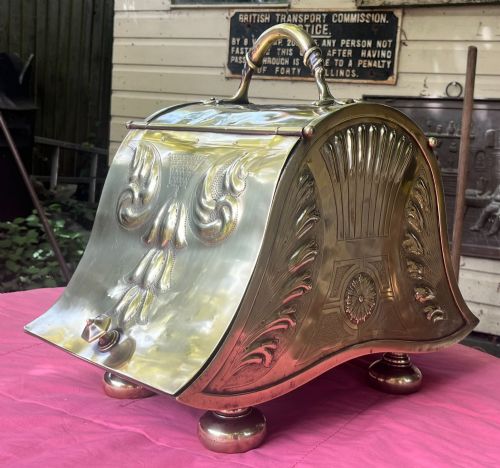
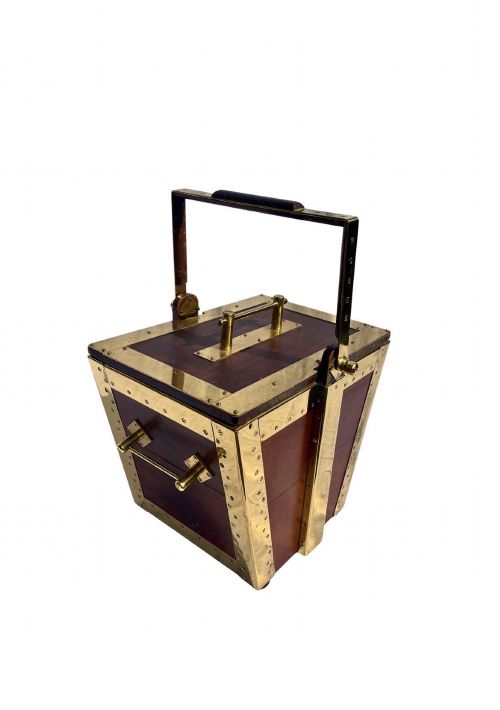


Antique Brass Purdonium
An antique brass purdonium brings proper hearthside practicality and shining metalwork to a fireplace, holding coal close at hand.
Antique Brass Purdonium
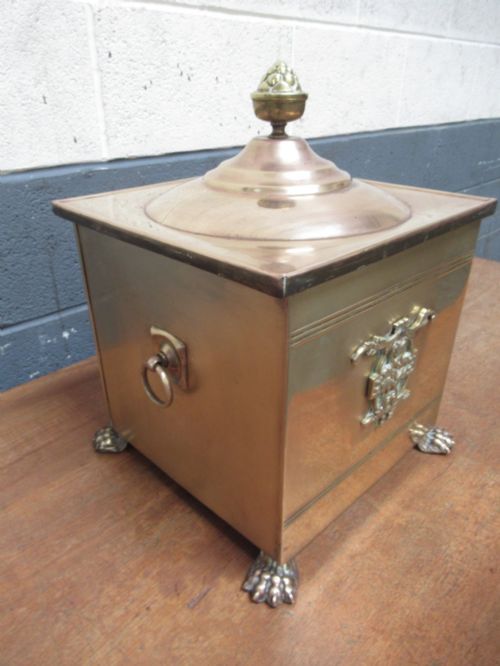
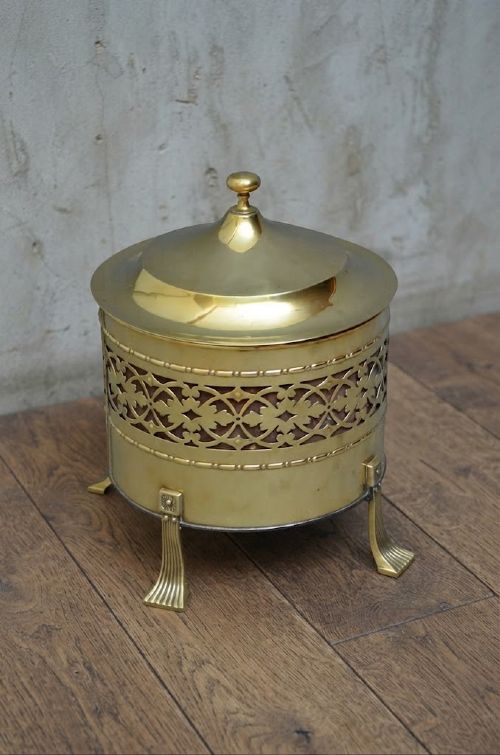
An antique brass purdonium is a specialised fireside container designed to store and transport coal to the grate. These pieces function as both practical hearth accessories and decorative items, combining utility with period metalwork.
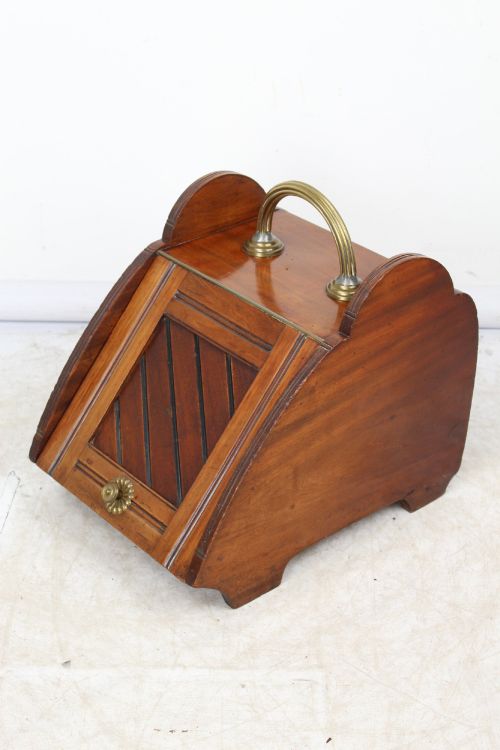
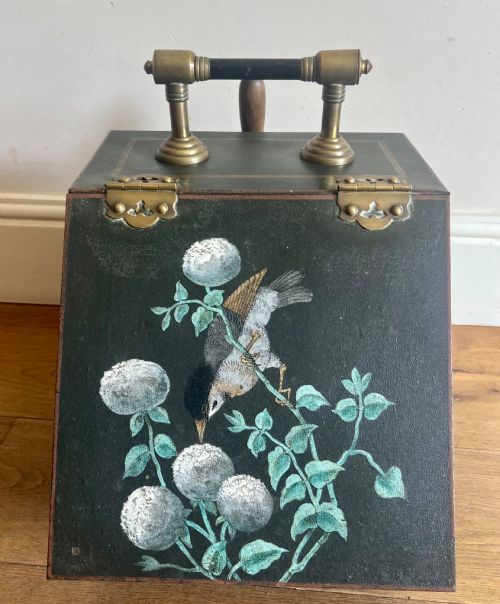
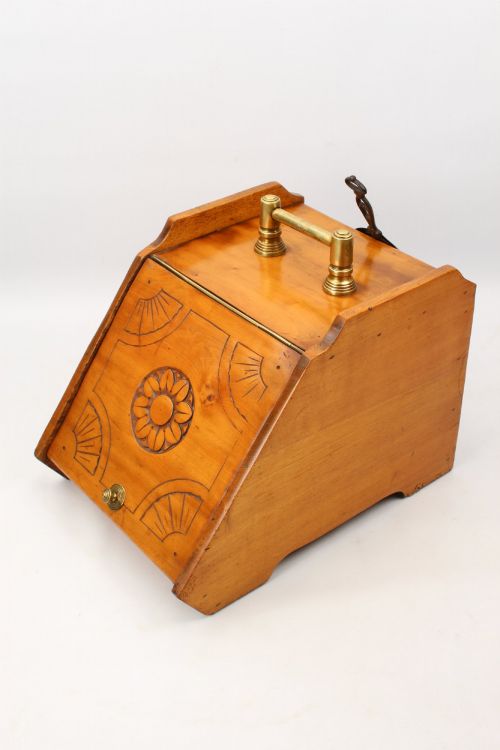
Buyers browsing this selection will frequently encounter Edwardian and nineteenth-century examples alongside Regency and Victorian pieces. Forms range from simple buckets and bins to enclosed cabinets with drop fronts and shovel attachments.
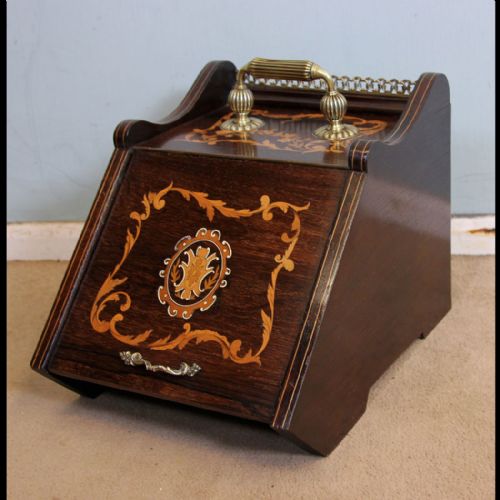
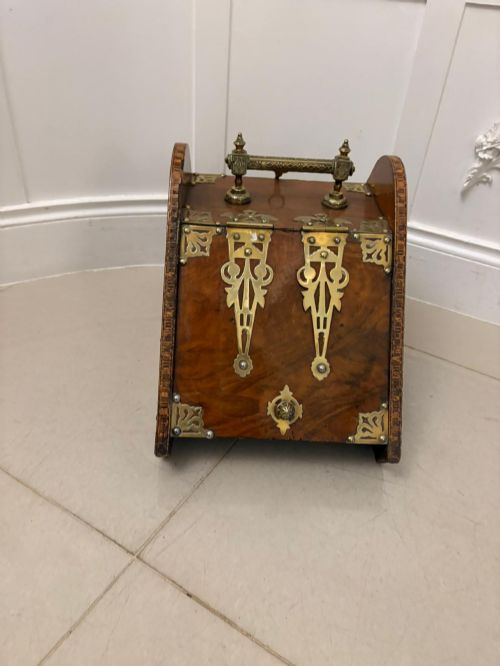
Materials extend beyond pure metal, with several items incorporating wood bodies such as oak and walnut alongside brass detailing, sheet brass, cast brass, copper, and iron. Many double as coal buckets or planters depending on their interior configuration.
How they were made
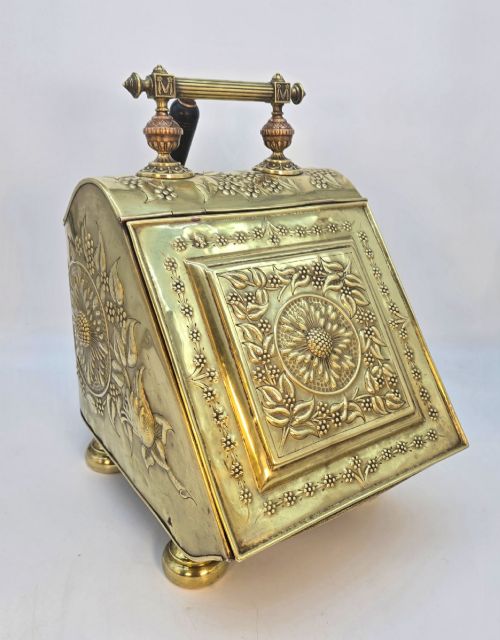
Constructed primarily from sheet and cast brass, these containers often feature wooden internal carcasses made from timbers like oak and walnut. Metalworkers used forming and joining techniques to create sturdy outer shells capable of enduring heavy daily use by the hearth.
Decorative embellishments include intricate fretwork designs and polished finishes that highlight the natural lustre of the metal. Handles, lids, and hinges were cast or forged separately in iron and brass before being fixed to the main body.
Antique Brass Purdonium Retail Price Guide 2026
Typical asking prices for brass purdonium among the pieces listed under this phrase on Sellingantiques today, from the lower quarter to the upper quarter. They describe what is for sale here now, not the wider market.
Many a Victorian coal box secretly doubled as a very posh home for stray slipper socks.
What varies in quality
Quality in these fireside pieces rests upon the heaviness of the metal gauge and the crispness of any decorative fretwork or brass detailing. Finer examples display robust construction where lids, drop-fronts, and internal liners fit flush and operate smoothly without strain.
The choice of secondary materials also separates standard items from superior ones, particularly where solid oak or walnut bodies meet well-cast brass fittings rather than thinner sheet metal and softer woods.
The Antique Brass Purdonium Glossary
- Purdonium
- A specialised coal cabinet or bin designed for the fireside, usually featuring a sloping front or drop-down door. This term specifically denotes a piece of furniture made to store coal cleanly in a reception room.
- Fretwork
- Openwork ornamentation carved or cut into wood or sheet metal in decorative patterns. This technique appears on several Edwardian and period pieces to lighten the visual weight of the container.
- Sheet brass
- Flat rolled metal alloy of copper and zinc used to form the flexible outer bodies of scuttles and buckets. It provides a bright surface that takes a high polish.
- Cast brass
- Molten metal poured into moulds to create rigid components like handles, feet, and decorative mounts. These parts offer heavier substance and deeper relief than rolled sheet metal.
- Liner
- A removable internal container, often made of metal, that sits inside the outer wooden or brass box to hold the coal safely. This protects the main structure from moisture and dust.
Antique Brass Purdonium: Frequently Asked Questions
What is a purdonium?
A purdonium is a dedicated household container or small cabinet designed to hold coal by the fireplace. They appeared in various forms throughout the nineteenth and early twentieth centuries to keep fuel tidy in principal rooms.
Unlike an open bucket, a purdonium often includes a lid or a sloping front door to contain coal dust and conceal the fuel from view when not in use.
How do I date a brass purdonium?
Dating relies on observing construction methods, timber types, and decorative styles visible across the piece. Regency and Georgian items often display simpler, cleaner lines, while Victorian and Edwardian examples may feature heavier brass detailing, fretwork, or Art Nouveau motifs.
Checking the hardware, hinges, and type of internal liner also helps establish whether an item belongs to the nineteenth century or the Edwardian era.
Can I use an antique purdonium for logs?
Many of these containers were originally built to hold coal, but larger cabinets and bins function well for storing logs by an active fireplace. Walnut and oak versions with robust wooden carcasses readily accommodate larger pieces of firewood.
Care should be taken with purely sheet-brass buckets to ensure the base and sides are thick enough to support the weight and rough edges of logs without denting.
How do I care for polished brass?
Polished brass requires occasional dusting and gentle cleaning to maintain its finish without stripping away the character accumulated over decades of age. Using a soft cloth prevents scratching the metal surface while removing soot and everyday hearth dust.
Avoiding harsh abrasive cleaners ensures the metal retains a warm, natural tone rather than an overly bright, modern shine.