



Victorian Brass Coal Scuttle
These robust and gleaming hearth containers combine functional utility with decorative presence by the fireside.
Victorian Brass Coal Scuttle
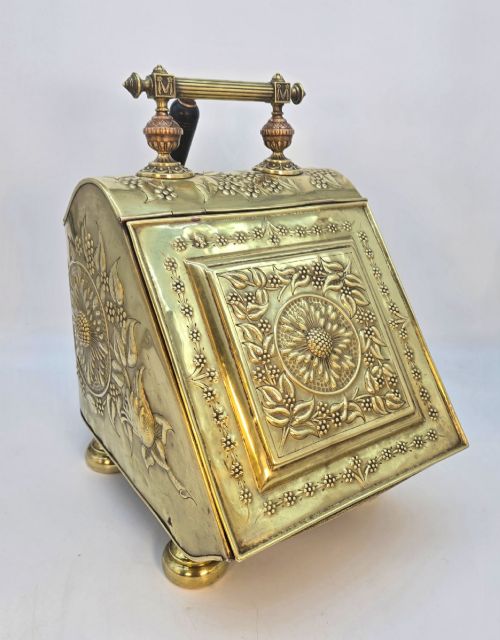
A victorian brass coal scuttle is a fireside vessel designed to hold fuel next to an open hearth, appearing in forms ranging from traditional helmet shapes to lidded boxes and open buckets. These pieces originate primarily from the nineteenth century, spanning periods from the eighteen-fifties through to the Edwardian era, with Victorian examples dominating the selection.
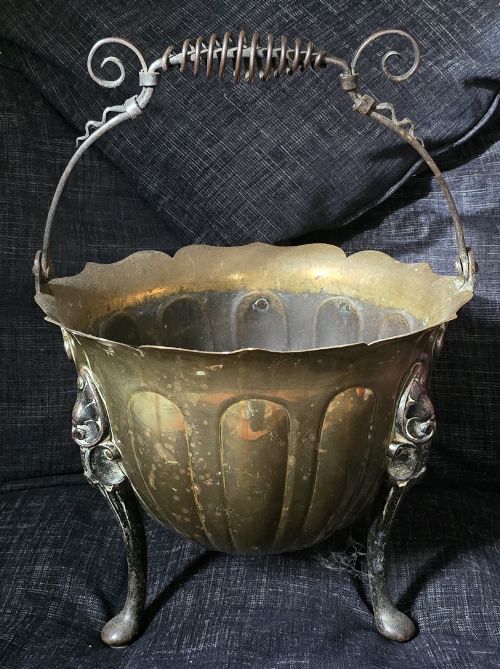
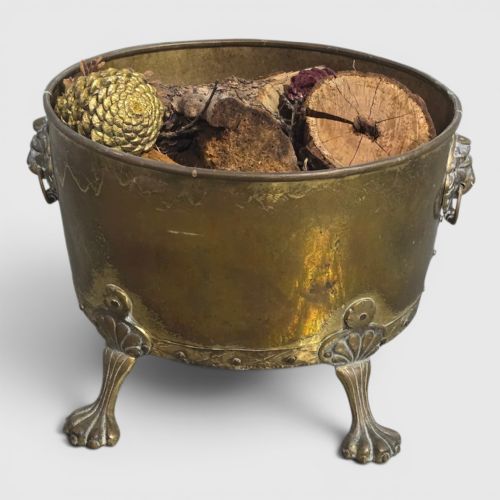
Buyers encounter distinct configurations, including coal scuttles with original brass shovels, dual-lid designs, and cylindrical log bins that double as planters or jardiniere vessels. The forms incorporate stylistic influences from the Arts and Crafts and Art Nouveau movements, as well as Anglo-Indian and aesthetic periods.
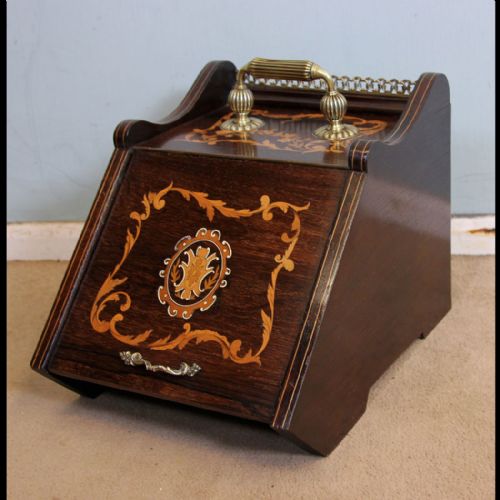
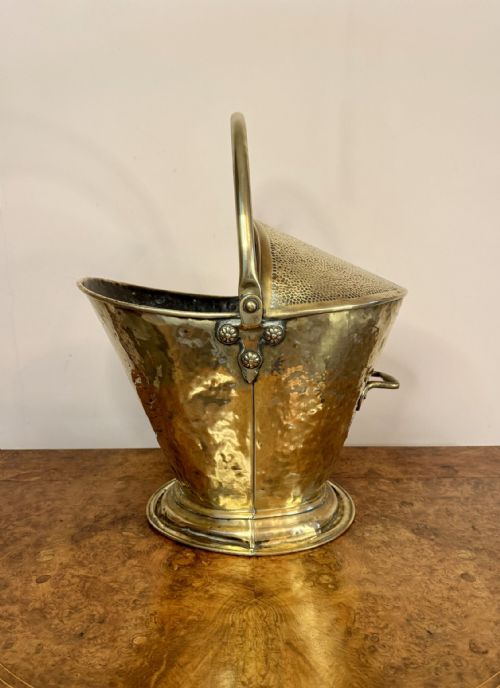
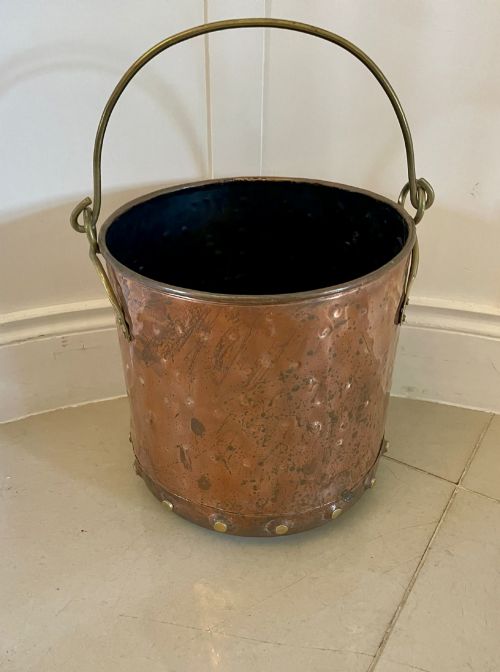
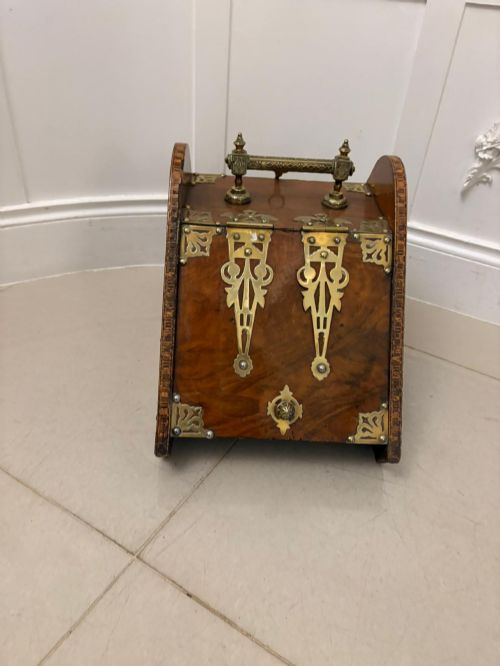
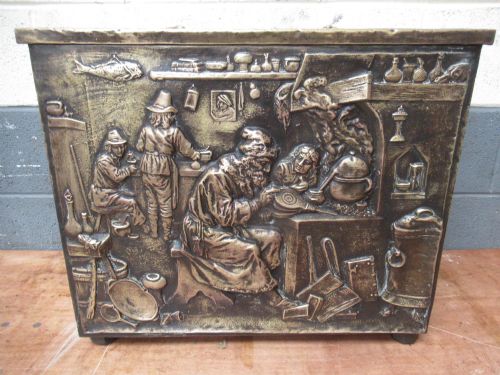
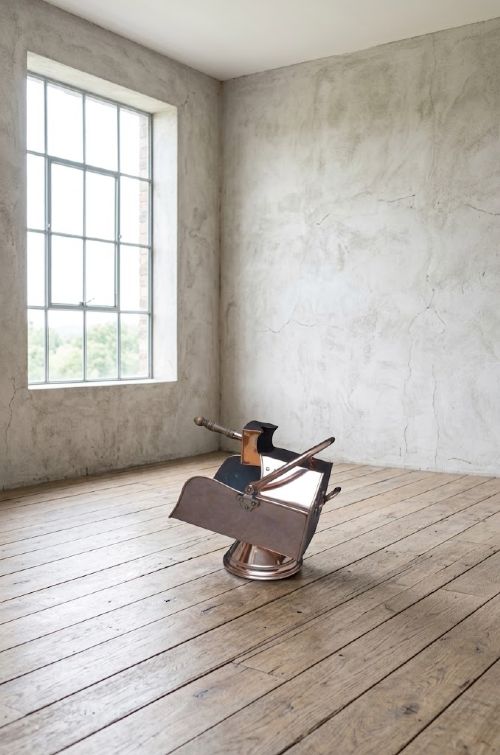
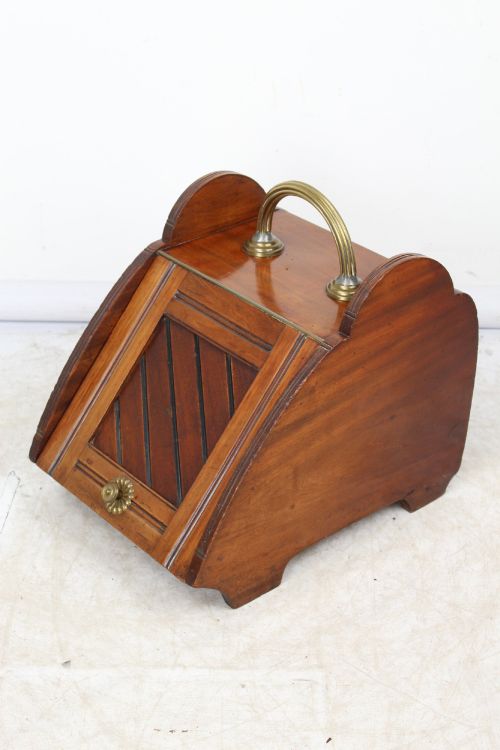
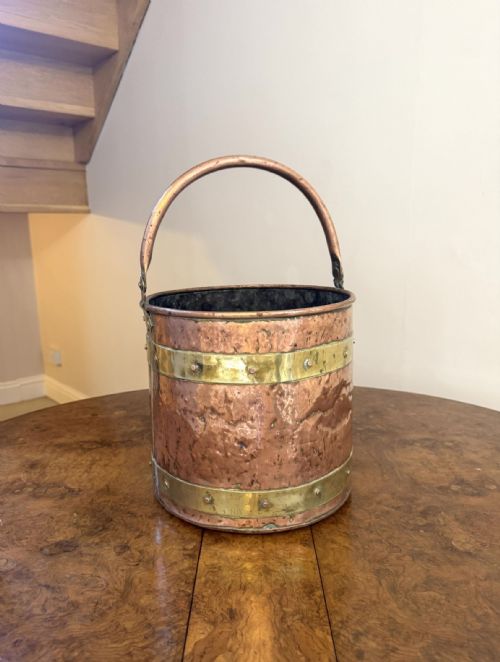
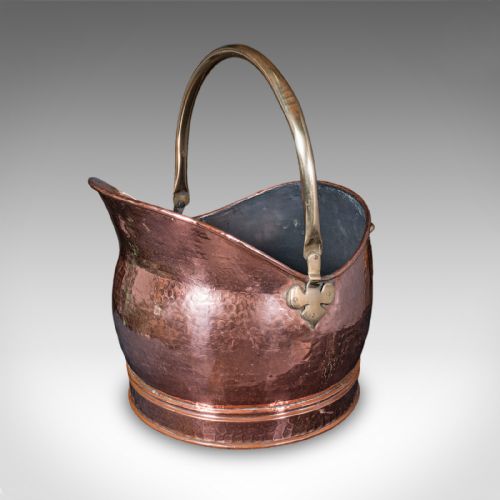
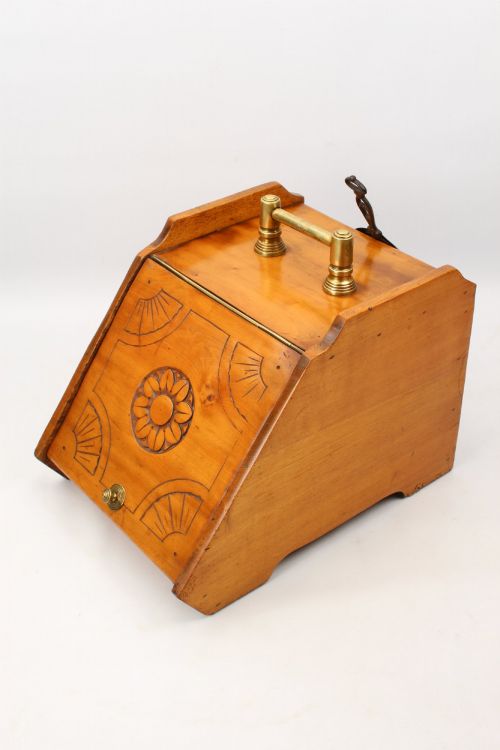
Many of these containers function as coal boxes or purdoniums featuring internal liners, while others take the shape of copper-banded buckets or angled coal helmets. They serve both practical fuel storage and decorative interior display within hearth and fireside settings.
How They Were Made
These fireside items are constructed predominantly from brass and copper, frequently combined with iron, tole ware, or metal sheeting. Workshops utilised hand-finished techniques, creating hammered surfaces, riveted joints, and engraved detailing upon the metal bodies.
Wooden elements appear alongside the metalwork, utilising oak, mahogany, walnut, rosewood, and general wood framing for structural boxes and coopered bucket staves. Makers mounted brass handles, bands, and mounts onto these timber bodies to reinforce the containers for daily hearth use.
Victorian Brass Coal Scuttle Retail Price Guide 2026
Typical asking prices for victorian brass coal scuttle among the pieces listed under this phrase on Sellingantiques today, from the lower quarter to the upper quarter. They describe what is for sale here now, not the wider market.
Listings feature items predominantly from the Victorian era, alongside pieces spanning the nineteenth century, eighteen-fifties to nineteen-tens, and Edwardian periods.
What Varies in Quality
The standard of a piece depends heavily on the weight of the metal and the precision of the construction, such as tightly fitted coopered staves or solid riveted seams on copper and brass bodies. Superior examples display crisp hand-engraving, intricate embossing, and well-executed stylistic motifs characteristic of the Arts and Crafts or Aesthetic periods.
Completeness alters the desirability of a piece, particularly the presence of matching original brass shovels, interior liners, and functional hinges or drop handles. The integration of contrasting timber frames, such as inlaid rosewood or figured walnut, separates standard utility coal boxes from finer decorative hearth furniture.
Henry Loveridge·Benham and Froud·Petrus Ramus
The Victorian Brass Coal Scuttle Glossary
- Coal helmet
- A traditional coal scuttle shaped with a flared lip and a raised back resembling a classical helmet. This design allows for controlled pouring of fuel onto the fire.
- Purdonium
- A dedicated coal box or cabinet, often featuring an angled front and an interior metal liner. These enclosed boxes keep coal dust contained away from the living room floor.
- Coopered
- A method of construction where tapered wooden staves are joined side by side and bound with metal bands, similar to how wooden barrels are made. This technique appears on high-quality log buckets.
- Tole ware
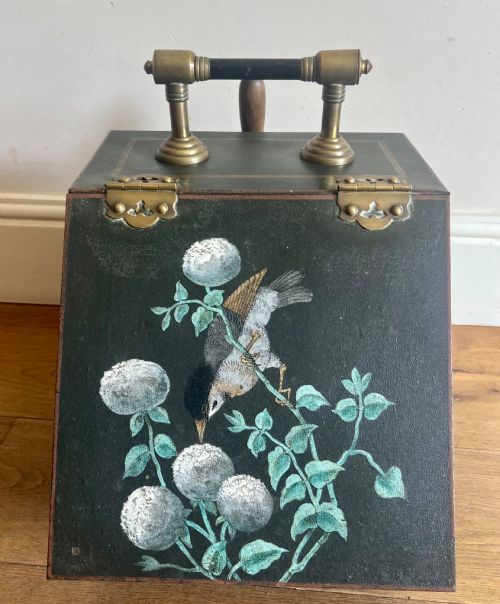
- Painted or lacquered metalware, typically tin or iron, decorated with coloured designs. These pieces offer a contrasting aesthetic to polished brass and copper hearth accessories.
- Jardiniere
- An ornamental pot or receptacle designed to hold plants or flowers. Many large metal vessels originally manufactured for holding coal or logs find a second life in this decorative role.
Victorian Brass Coal Scuttle: Frequently Asked Questions
How were coal scuttles used daily?
These vessels sat beside the fireplace to store and transport fuel such as coal or logs cleanly to the grate. Users lifted them by sturdy handles to replenish domestic fires throughout the nineteenth century.
Many designs incorporated built-in shovels or angled spouts to deposit fuel precisely without spilling debris onto the hearth rug.
How do I identify a Victorian piece?
Victorian examples display characteristic weight, traditional hand-finished riveting, and specific metalworking traits from the nineteenth century. Look for period-appropriate construction methods like hand-beaten surfaces and heavy brass mounts.
Stylistic markers such as Aesthetic period engraving or Arts and Crafts hand-hammering further anchor the piece to this era.
Can I still use these for real fires?
Most of these antique metal containers remain sturdy enough to hold logs or coal beside a modern fireplace. Their robust brass and copper construction was built for active hearth use.
Checking that the interior metal liners are intact ensures they will handle fuel debris safely without damaging surrounding floors.