




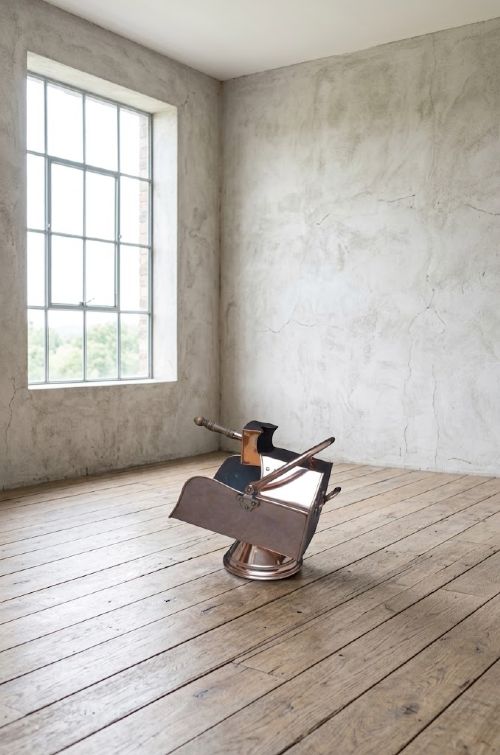
Fireside Coal Scuttle
A fireside coal scuttle keeps solid fuel ready beside the hearth while bringing practical metalwork and timber into the living room.
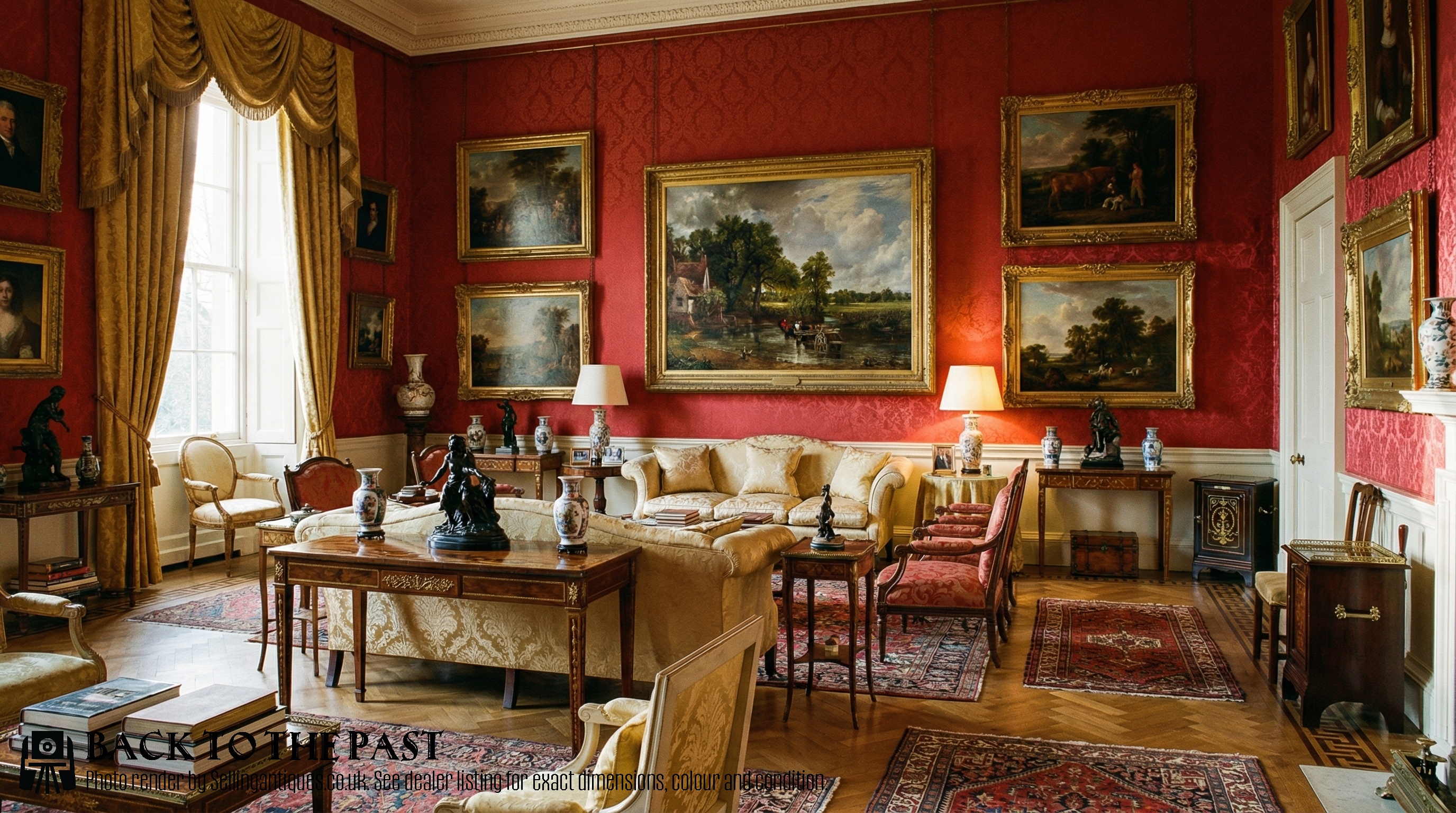
Fireside Coal Scuttle
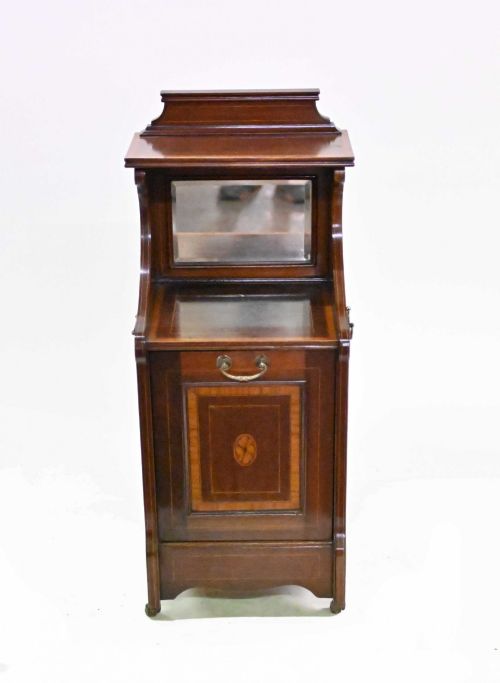
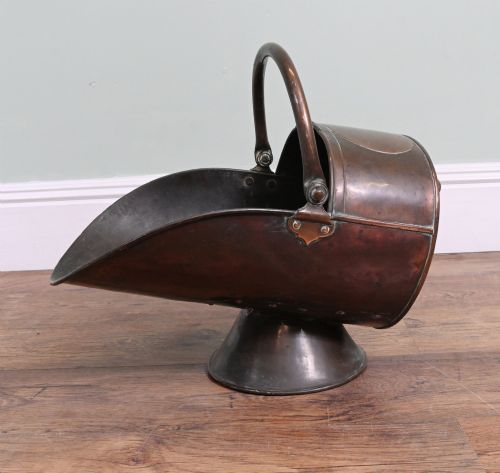
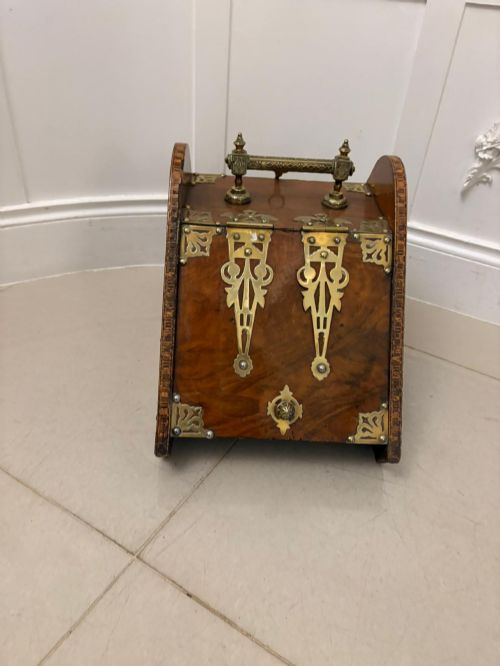
The fireside coal scuttle spans utilitarian hearth equipment from the Georgian era through the Victorian, Edwardian, and Arts and Crafts periods, shifting from heavy metal buckets to fitted wooden boxes known as purdoniums.
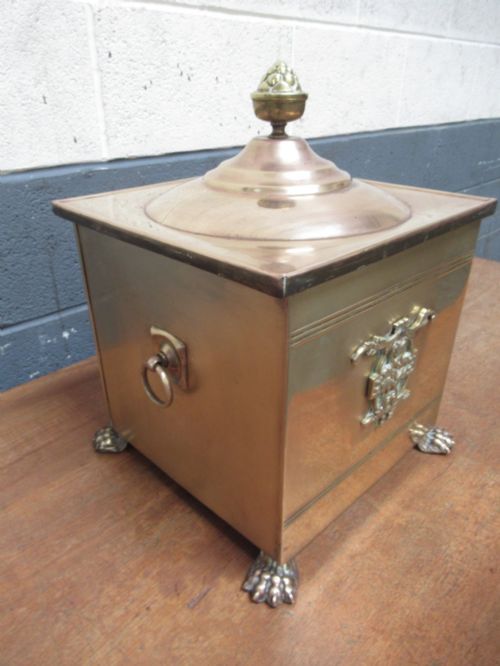
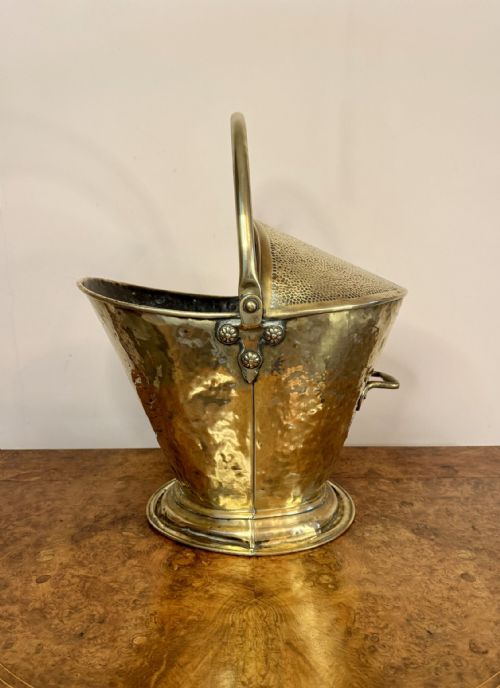
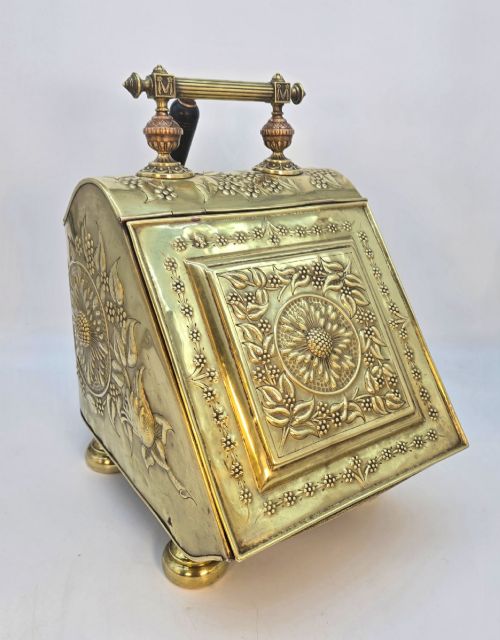
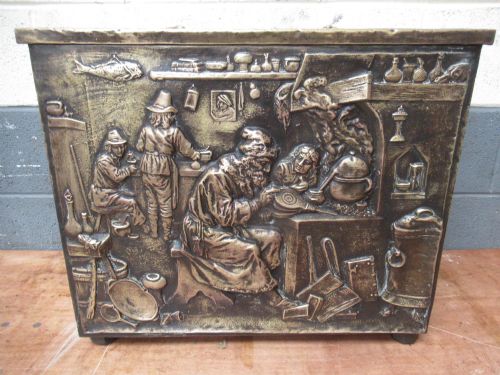
Victorian and Edwardian examples dominate the selection, combining functional storage with decorative brass embossing, copper helmets, and wrought iron detailing designed to sit in full view by the fireplace.
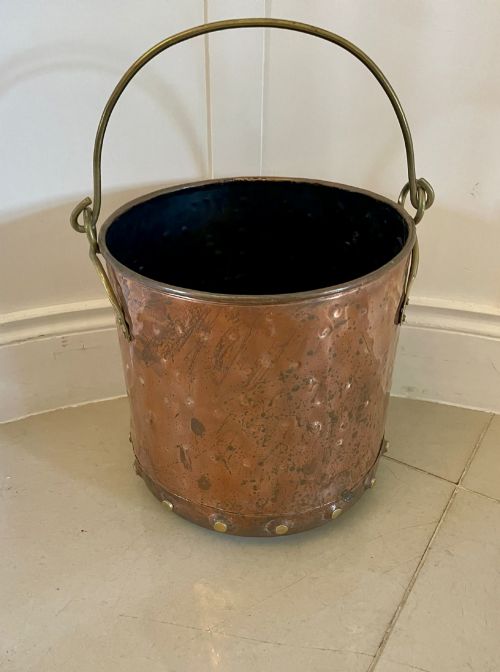
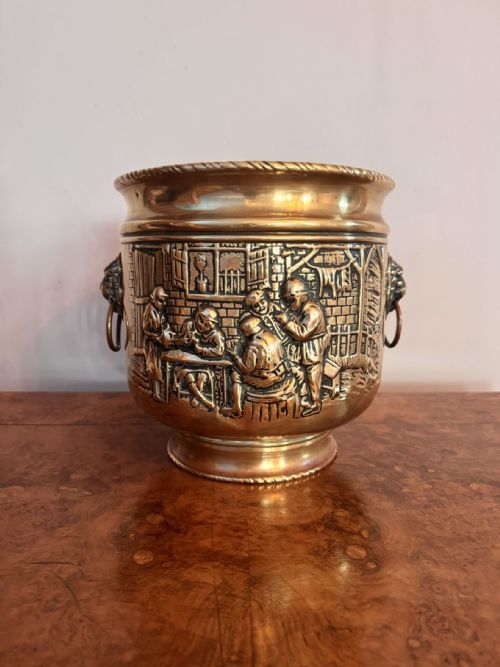
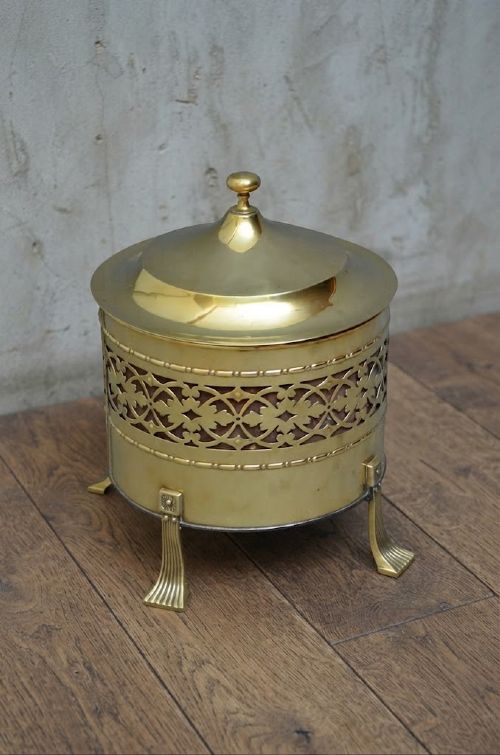
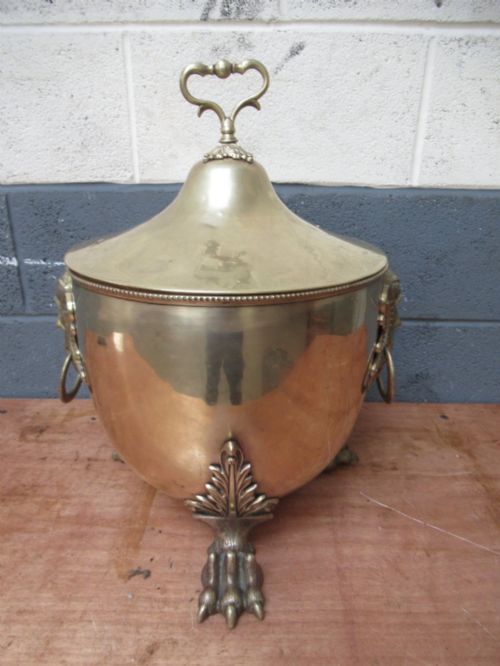
Forms range from open coal buckets and cauldrons to lidded bins, helmet scuttles, and specialised log stores intended to hold fuel close to the hearth.
Materials and construction
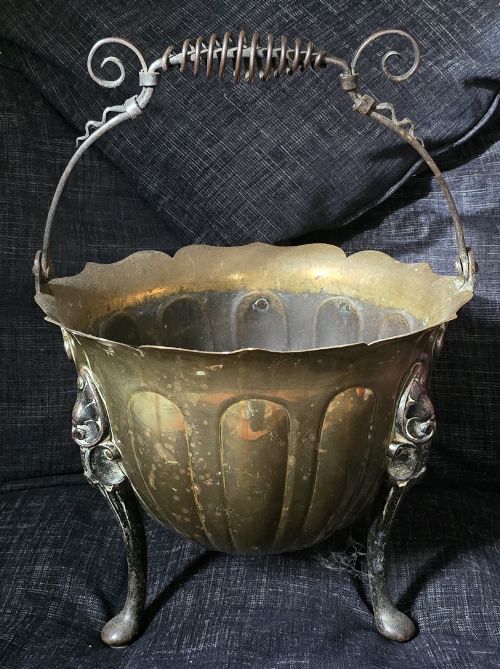
Metal vessels rely on sheet brass and copper, frequently joined by hand riveting or secured with iron frames and sturdy swing handles for daily hauling.
Wooden varieties utilise oak and mahogany, often incorporating carved details, brass banding, or tiled panels, while interior tin liners protect the timber from damp fuel.
Fireside Coal Scuttle Retail Price Guide 2026
Typical asking prices for fireside coal scuttle among the pieces listed under this phrase on Sellingantiques today, from the lower quarter to the upper quarter. They describe what is for sale here now, not the wider market.
Some coal buckets doubled as indoor planters when the winter heating season ended, bringing greenery into the Victorian parlour.
Assessing quality and craftsmanship
Quality rests on the weight of the metal and the integrity of the construction, distinguishing substantial hand-finished copper and heavy brass from thinner, stamped commercial alternatives.
Refined pieces display careful proportion, tight joinery in wooden purdoniums, and original matching accessories such as shovels or liners rather than later replacements.
Henry Loveridge·Benham and Froud·Percy Metal Works
The Fireside Coal Scuttle Glossary
- Purdonium
- A specialised coal box or cabinet, usually made of wood with a sloping front and a hinged lid, designed to conceal fuel beside the fireplace. These often house a removable metal liner and a dedicated shovel.
- Helmet scuttle
- A traditional open metal container shaped with a flared, sloping rim resembling a helmet, intended for easy scooping and pouring of coal into the grate.
- Log bin
- A deep cylindrical or rectangular container used primarily for storing logs and larger pieces of firewood rather than small coal pieces.
- Tole ware
- Lacquered or enamelled sheet metal, occasionally utilised for decorative coal buckets finished with painted or stencilled surface designs.
- Companion tools
- Fireside implements such as shovels, tongs, and pokers that frequently accompany scuttles and match their brass or iron mountings.
Fireside Coal Scuttle: Frequently Asked Questions
What is a purdonium?
A purdonium is an enclosed wooden coal box designed to sit neatly beside a fireplace while hiding the fuel inside. They typically feature a sloping drop-front door and an internal metal liner.
Many Edwardian and Victorian examples include a matching shovel stored in a side compartment or inside the lid. This kept hearth areas tidy compared to open metal buckets.
How do I clean antique brass and copper?
Maintenance depends entirely on the finish you prefer, as many collectors enjoy the darkened patina built up over decades of fireside use. Gentle dusting and occasional wiping with a soft cloth keep the surface stable.
Harsh metal polishes can strip away historical character and remove subtle hand-finished details. If cleaning is necessary, use a mild, non-abrasive cleaner formulated for antique metals.
Can these scuttles still hold logs?
Metal buckets and log bins remain entirely functional for holding firewood or kindling beside a modern hearth. Their original robust construction makes them well suited to daily utility.
Wooden purdoniums require more care because damp wood or rough logs can damage the interior lining. Checking the condition of the metal liner helps prevent moisture from affecting the outer timber.
How do I tell Victorian from Georgian pieces?
Georgian coal scuttles, dating from the eighteenth and early nineteenth centuries, often feature heavier gauge hand-hammered copper, simple riveted construction, and restrained brass mounts. They prioritize utilitarian strength over elaborate decoration.
Victorian and Edwardian versions introduced mass production techniques, machine rolling, and decorative stamping, resulting in embossed patterns, swing handles, and distinct Arts and Crafts or Art Nouveau styling.