





Brass and Copper Scuttle
A brass and copper scuttle is a sturdy hearth container for fuel, combining practical metalwork with decorative warmth.

Brass and Copper Scuttle
A brass and copper scuttle serves primarily as a fireside accessory for holding coal or logs near the hearth. When you search for this phrase, you encounter various utilitarian and decorative vessels intended for domestic heating and fireside management.
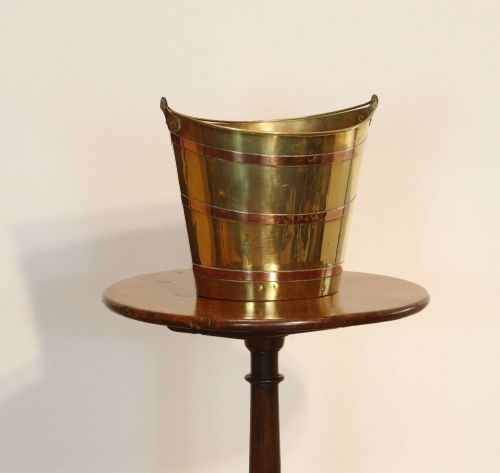
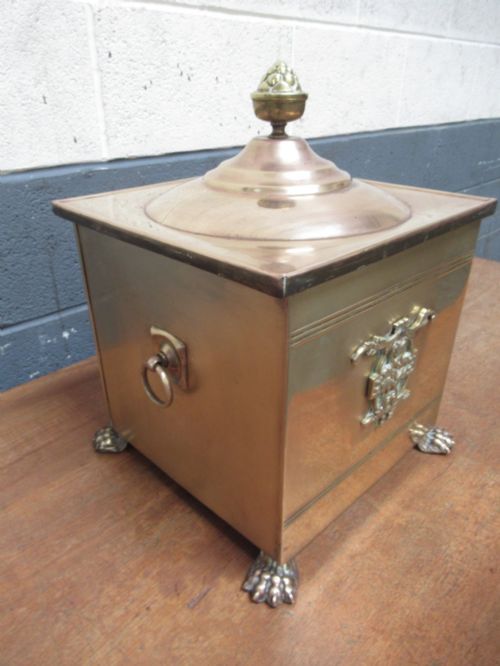
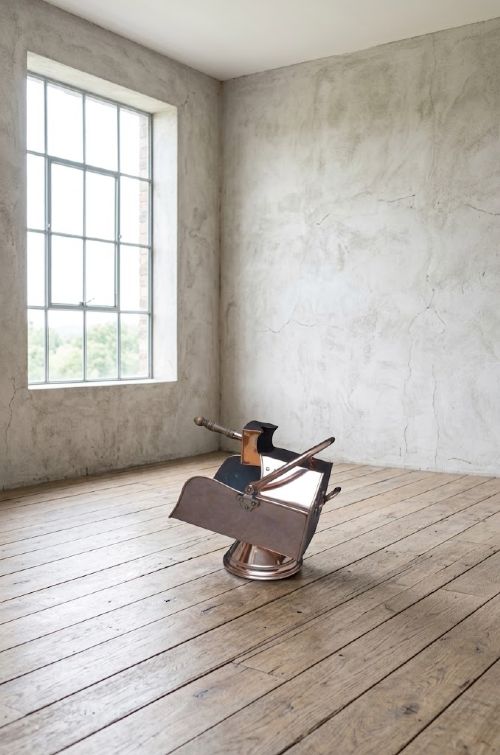
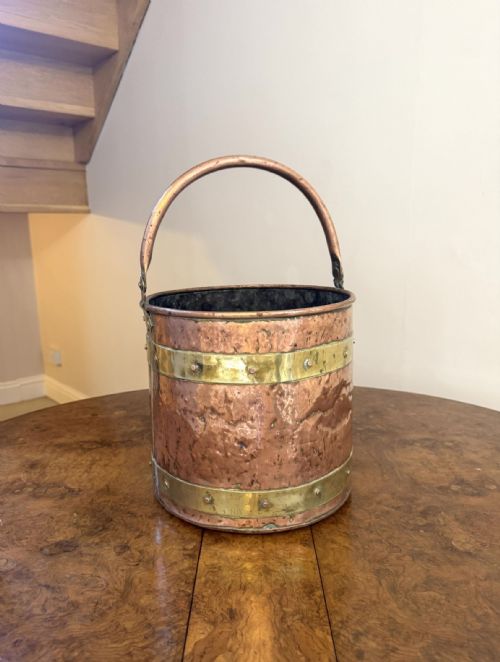
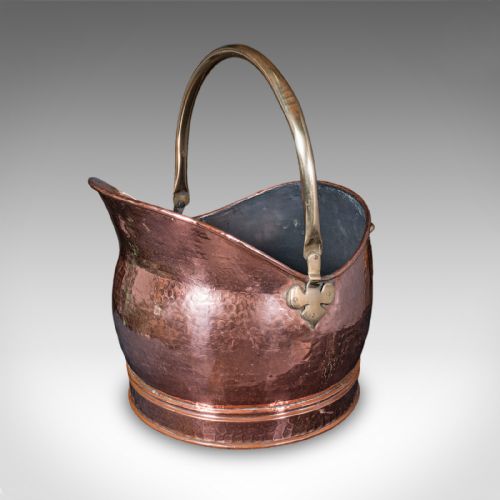
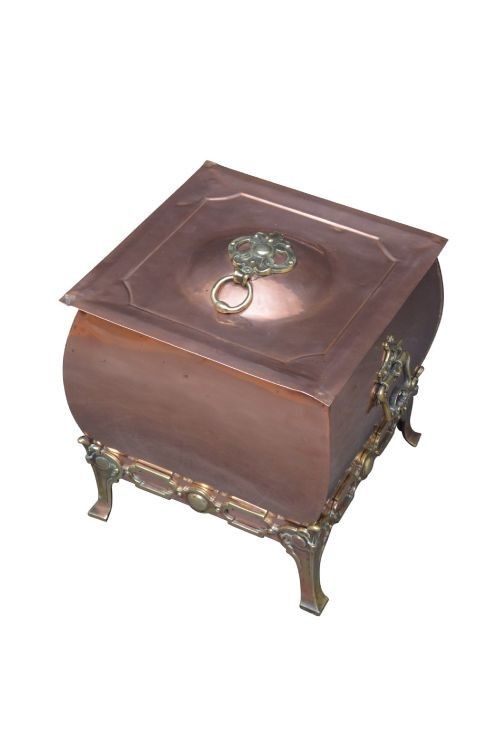
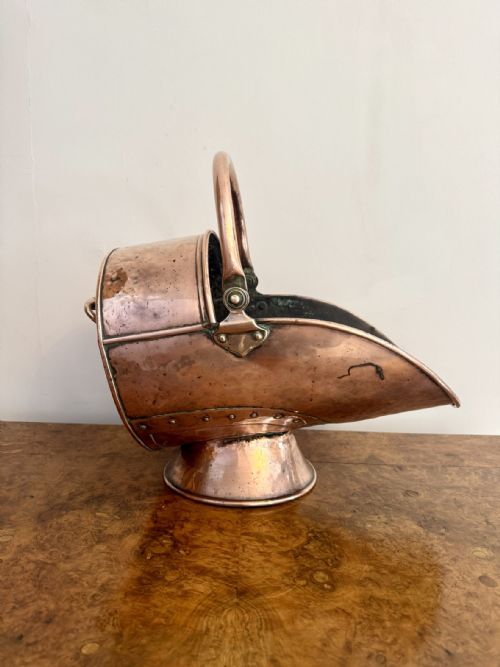
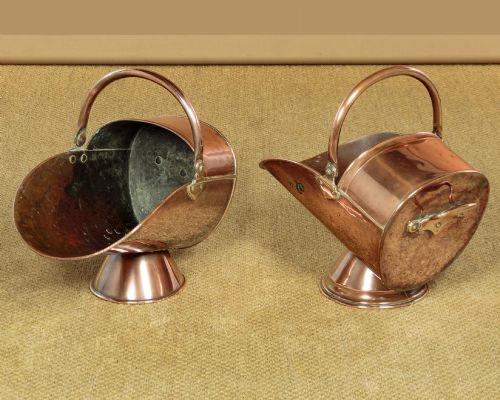
The pieces on this page are most commonly Victorian in origin, spanning the nineteenth century alongside earlier Georgian examples and later Arts and Crafts or Edwardian interpretations. Forms range from helmet-shaped buckets and lidded bins to wide planters and cauldrons.

Materials and construction
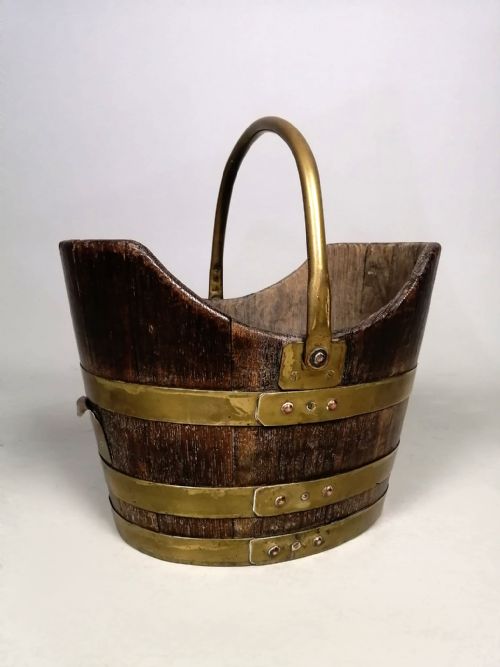
Construction relies heavily on sheet copper and brass, frequently combined with iron, wood, oak or wrought iron for handles, feet and internal reinforcement. Metal sheets were shaped, riveted and hand-beaten to create durable body panels.
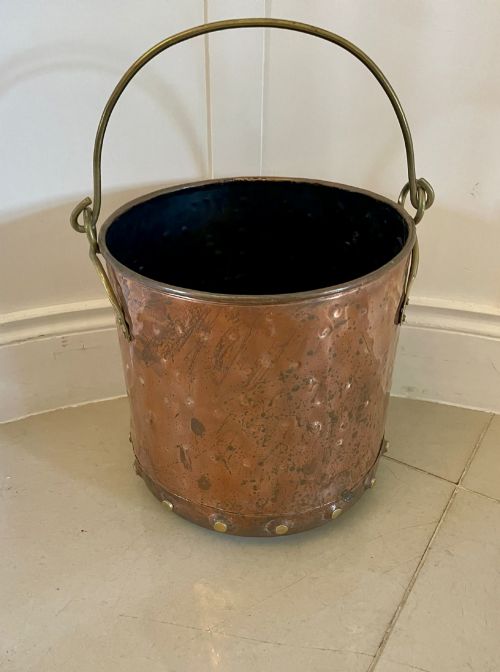
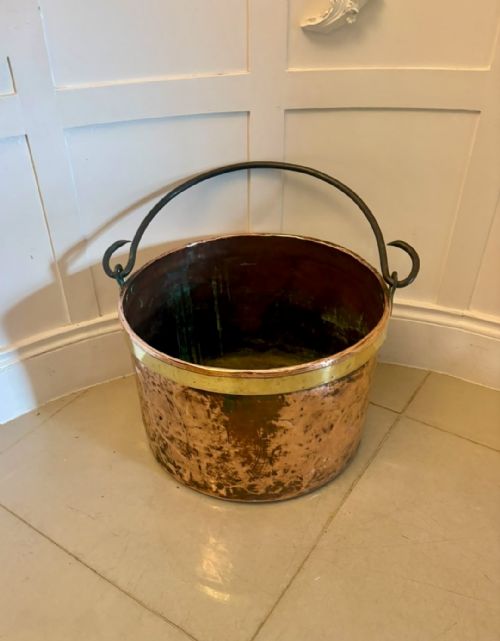
Many examples incorporate contrasting brass bands, rims or handles fastened to copper bodies, highlighting the dual-metal aesthetic typical of these fireside pieces. Hand finishing techniques, embossing and hammering give individual vessels their distinct surface texture.
Brass and Copper Scuttle Retail Price Guide 2026
Typical asking prices for brass and copper scuttle among the pieces listed under this phrase on Sellingantiques today, from the lower quarter to the upper quarter. They describe what is for sale here now, not the wider market.
Some hardworking coal buckets secretly moonlight as indoor plant pots, proving that soot and soil make surprisingly good bedfellows.
Judging quality
Quality rests on the weight of the metal, the integrity of the riveted joints and the crispness of any hand-beaten or embossed decoration. Thicker gauge copper and solid brass banding indicate a vessel built to withstand heavy daily use beside the fireplace.
Proportion and detailing distinguish standard utilitarian buckets from finer decorative examples. Well-formed handles, secure mounts and harmonious colour contrasts between the brass and copper elements separate superior pieces from simpler utilitarian containers.
The Brass and Copper Scuttle Glossary
- Helmet scuttle
- A fireside coal container shaped with a flared lip resembling a helmet, designed for pouring fuel cleanly. This form became particularly popular during the Victorian period.
- Dinanderie
- An old term for objects made of hammered brass, copper or bronze. The technique yields textured metallic surfaces seen on various vessels and planters.
- Jardiniere
- An ornamental pot or stand for holding plants or flowers. Several examples in these materials double as log bins or coal buckets.
- Riveted
- Joined with metal pins that are flattened on the ends to hold overlapping sheets together. This method provided structural strength for heavy fuel containers.
Brass and Copper Scuttle: Frequently Asked Questions
What is a brass and copper scuttle used for?
These vessels were designed to hold coal, logs or other solid fuel close to the fireplace for easy access. They kept hearth areas tidy while bringing warm metallic tones into the room.
Over time, many of these containers transition into decorative roles around the home, serving as umbrella stands or large indoor planters.
How do I clean an antique scuttle?
Dust gently with a soft dry cloth to preserve the natural aged surface and patina of the metal. Avoid harsh chemical cleaners that strip the historic finish.
If polishing is desired, use a mild metal cleaner suitable for brass and copper, taking care around riveted joints and embossed areas.
How can I tell a Victorian scuttle from a Georgian one?
Georgian pieces often display simpler, heavier forms with hand-forged iron or brass mounts dating back towards the eighteenth century. Construction methods and distinct stylistic cues help separate them from later Victorian iterations.
Victorian examples frequently showcase heavier embossing, machine-rolled edges, and paired brass and copper combinations manufactured in larger quantities.
Can I use these antique bins for logs today?
Many solid metal buckets remain robust enough to hold firewood beside a modern hearth. Check the interior for dryness and structural stability before loading heavy logs.
Line the base if moisture is a concern, ensuring the historic metalwork is protected from damp wood and debris.