




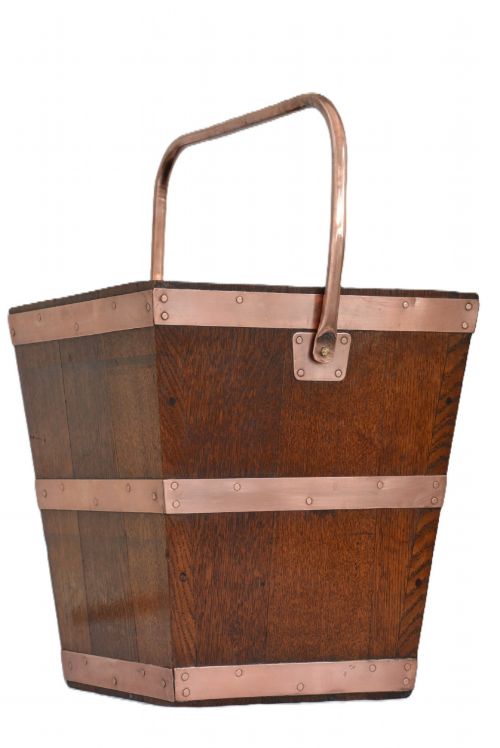
Vintage Copper Bucket
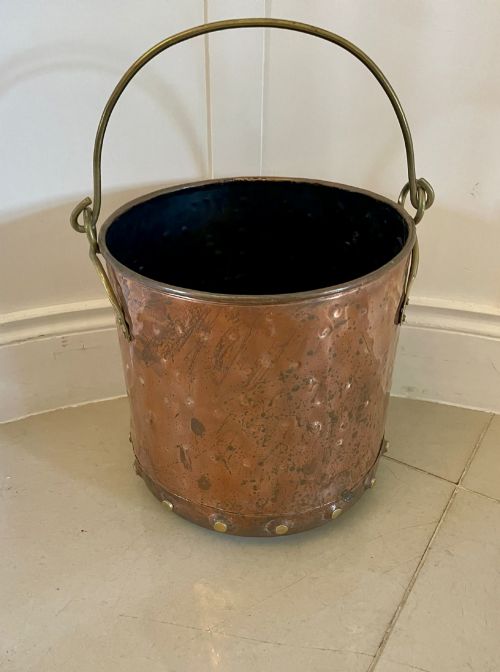
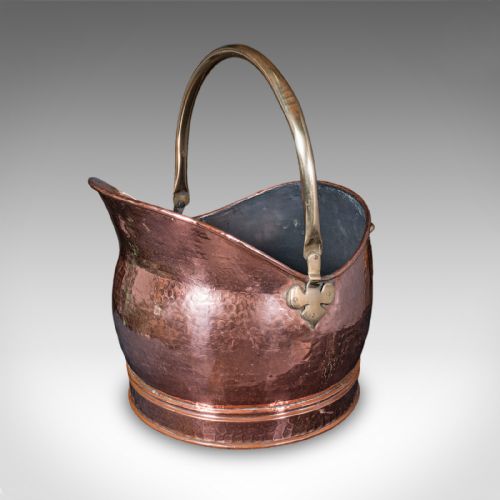
These heavy metal vessels, commonly known as a vintage copper bucket, bring functional warmth and rich metallic tone to firesides and living spaces alike.

Vintage Copper Bucket
A vintage copper bucket serves primarily as a utilitarian container for coal, logs, or peat beside the hearth, though many examples function equally well as large planters or wine coolers. Buyers seeking these items will encounter pieces spanning the Georgian, Victorian, and Edwardian eras up to the early twentieth century.
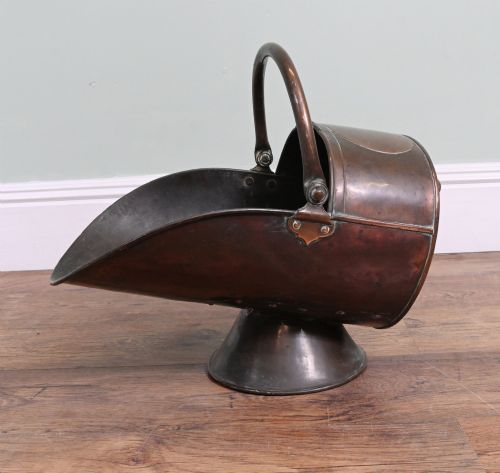
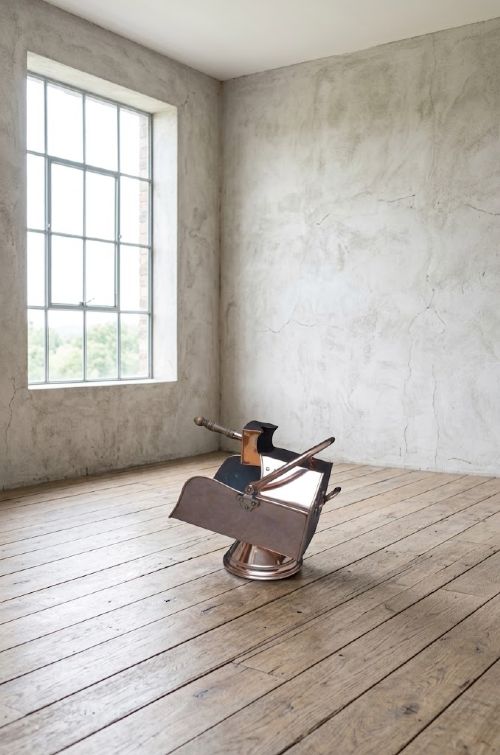
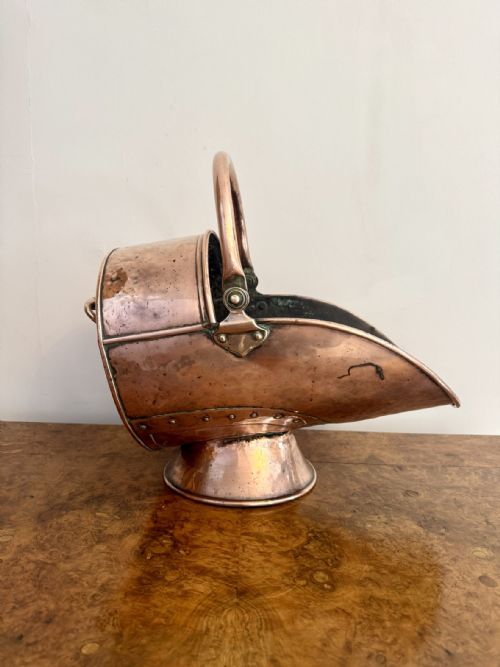
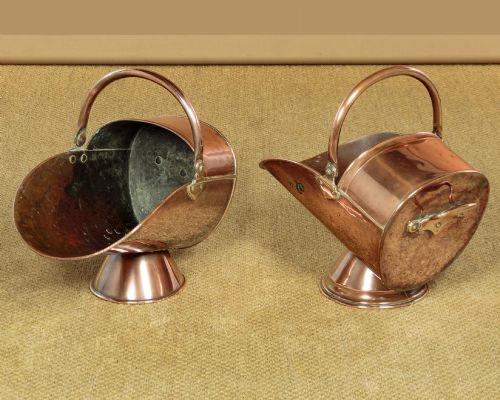
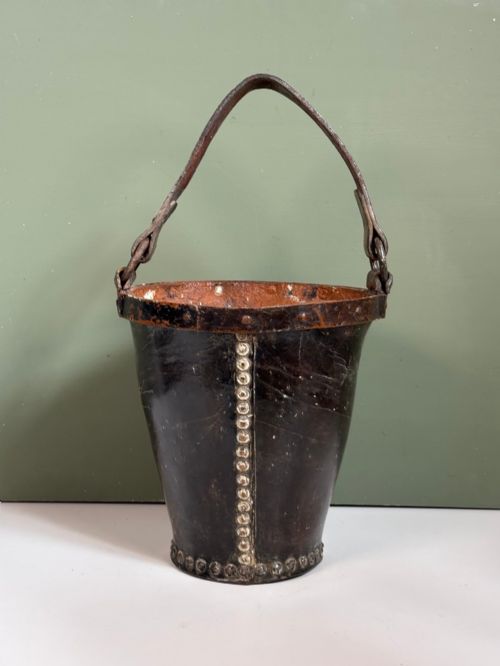
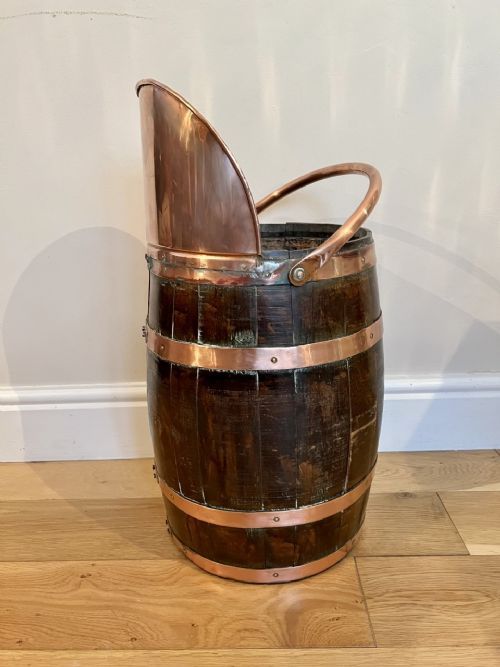
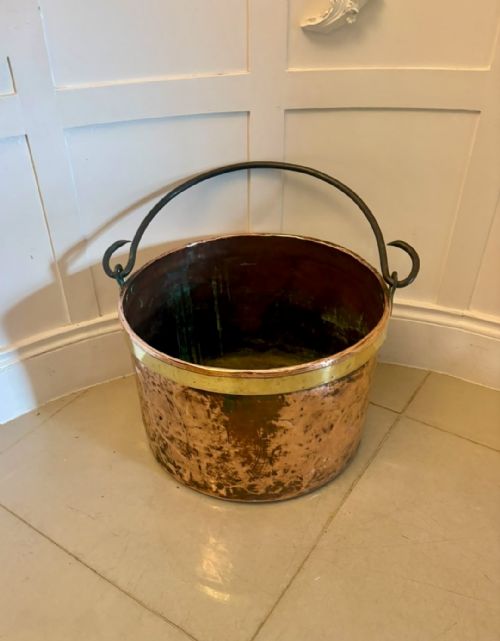
The domestic forms appearing on this page include coal scuttles, coal helmets, cauldrons, log bins, and jardiniere vessels. Makers constructed these items from heavy sheet metal, often combining copper bodies with brass handles, iron swing bails, or wooden trim.
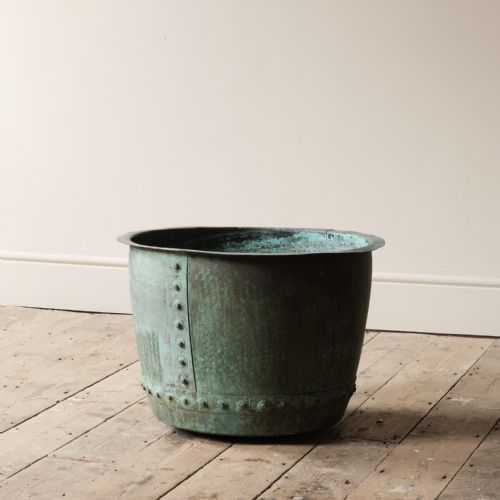
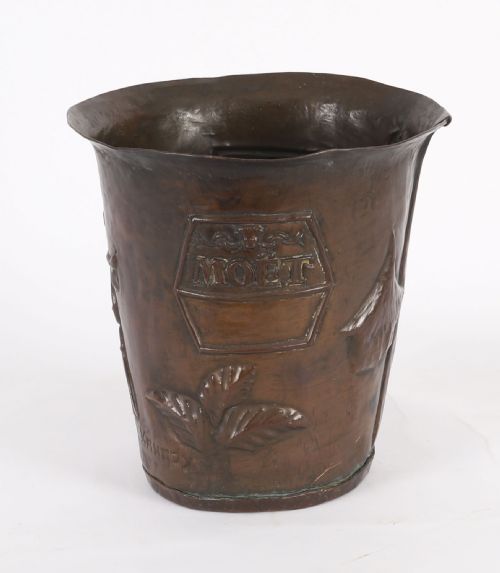
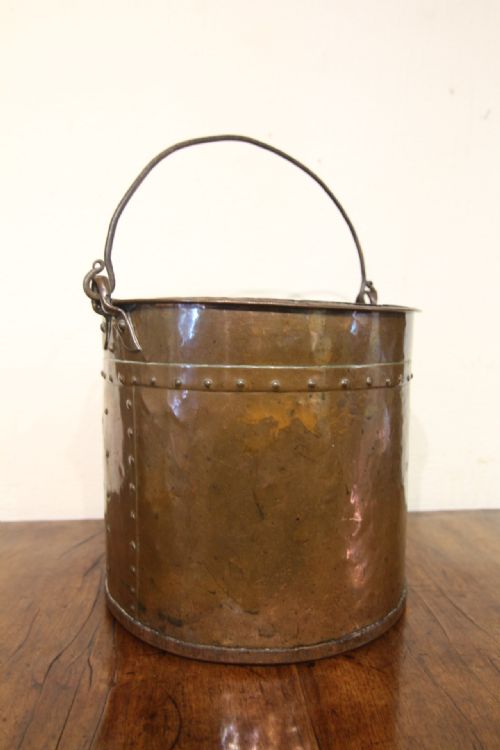
Originating in utilitarian contexts, these vessels display heavy riveting, hammered surfaces, and occasional brass banding or embossed decoration. The surviving pieces demonstrate the shift from purely functional kitchen and fireside equipment to decorative interior items.
How they were made
Artisans constructed these vessels primarily from sheet copper, joining seams with visible hand-beaten rivets or overlapping welds to ensure structural strength. Workshops frequently incorporated wrought iron handles, brass swing arms, and sometimes oak staves or iron frames to reinforce the metal body.
Finishes range from plain hammered textures and polished surfaces to embossed brass bands and hand-finished detailing. Makers also combined copper with tin linings or silver plating, particularly on wine coolers and domestic boilers.
Vintage Copper Bucket Retail Price Guide 2026
Typical asking prices for vintage copper bucket among the pieces listed under this phrase on Sellingantiques today, from the lower quarter to the upper quarter. They describe what is for sale here now, not the wider market.
One oil painting captures a still life featuring a copper bucket and a bottle.
What varies in quality
The calibre of a piece depends heavily on the weight of the metal gauge and the integrity of the original joints, such as hand-hammered copper rivets. Substantial handles in wrought iron or cast brass, securely mounted to the body, distinguish sturdier utilitarian examples from lighter decorative reproductions.
Design sophistication also separates standard items from superior works, evident in crisp embossing, well-proportioned brass banding, and retained structural originality without extensive replacement parts.
The Vintage Copper Bucket Glossary
- Coal Scuttle
- A domestic container designed to hold coal for a fireplace, typically featuring a wide mouth and a carrying handle. These vessels often take the form of buckets, scuttles, or lidded boxes.
- Cauldron
- A large metal pot with a round body and a swing handle, traditionally used over an open fire or hearth. These heavy vessels possess sturdy construction intended for sustained heat.
- Riveted
- Joined together using short metal pins hammered flat at the ends. This technique provides visible structural reinforcement along the seams of heavy metal containers.
- Swing Handled
- Fitted with a movable curved metal bail attached to opposite sides of the vessel. This allows the user to lift and carry heavy loads of fuel or water.
Vintage Copper Bucket: Frequently Asked Questions
What were copper buckets used for originally?
These vessels served demanding domestic roles, primarily hauling and storing coal, peat, and logs beside the hearth. Some heavy copper pots and tubs also functioned as wash boilers or wine coolers.
Over time, many of these robust utility containers transitioned into decorative interior items, acting as plant planters or umbrella stands in period homes.
How do I tell Victorian pieces apart from Georgian ones?
Georgian examples often display simpler, restrained lines with heavy brass banding or early riveted construction dating back to the eighteenth century. Victorian and later pieces frequently introduce more ornate elements such as embossed brass bands, swing-handled cauldrons, and distinct Art Nouveau styling.
Examining the construction methods, handle mounts, and overall weight helps clarify the period of manufacture.
Can I use these buckets for plants?
Many of these metal vessels serve well as planters and jardinieres for indoor greenery and large houseplants. Their durable copper and brass construction handles soil and moisture comfortably.
Using a protective plastic liner inside helps preserve the historic interior metal surface from prolonged dampness.
How should I clean my copper bucket?
Maintenance depends entirely on whether you prefer a bright, polished metallic shine or a dark, untouched historic patina. Most collectors choose to retain the natural aged surface rather than scrubbing away the character accumulated over centuries.
Gentle dusting with a soft cloth removes everyday debris without altering the tone of the metal.