




Hammered Copper Scuttle
A hammered copper scuttle brings warmth and texture to the hearth, serving as both a practical fuel store and a striking fireside accessory.

Hammered Copper Scuttle
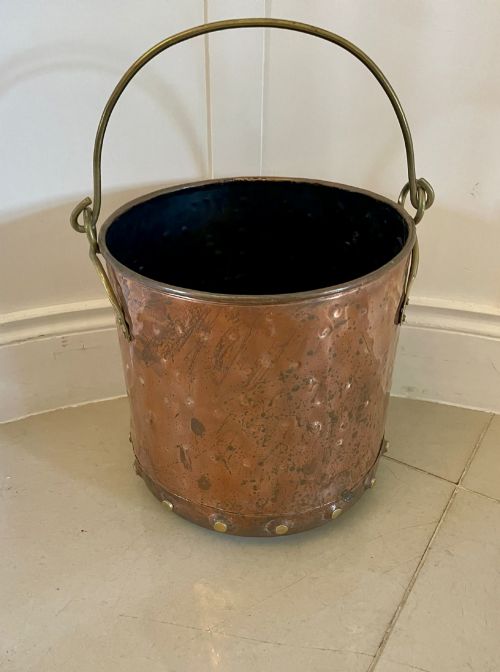
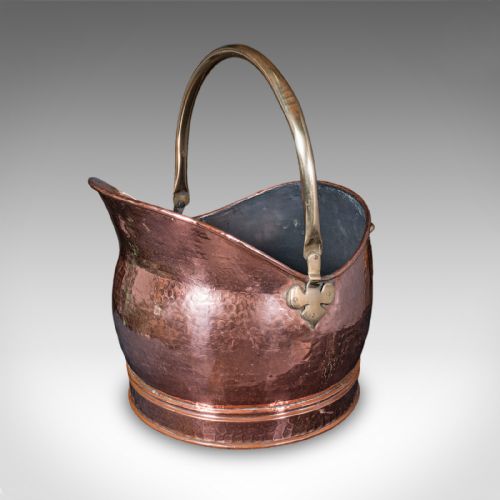
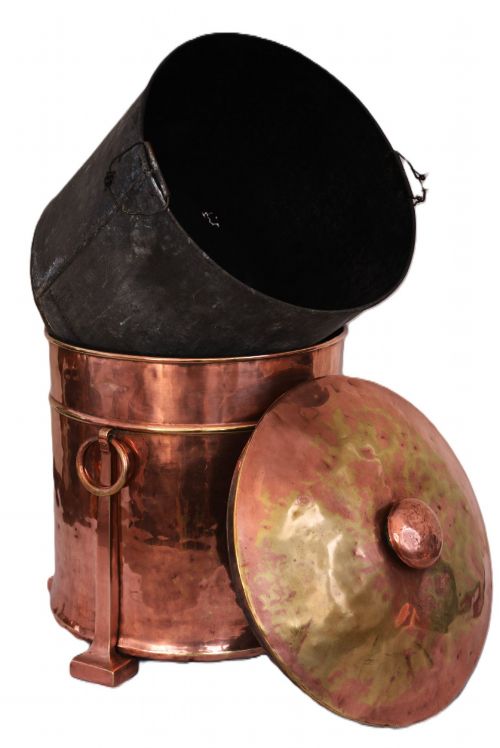
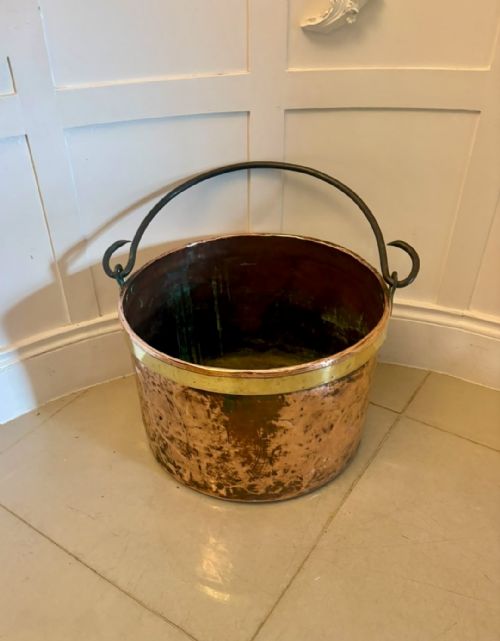
A hammered copper scuttle is a fireside vessel designed to hold coal, logs, or kindling near the hearth. The selection on this page encompasses various forms built for domestic utility, including traditional helmet scuttles, cylindrical bins, and open buckets.
The pieces span multiple periods and design movements, with significant representation from the Victorian era and the Arts and Crafts period. Makers also produced examples influenced by Art Nouveau, Art Deco, and the Georgian style.
Beyond holding solid fuel, many of these copper vessels find a second life as planters, jardinieres, or general storage bins. Their robust construction suits them equally well for modern interior displays as for traditional fireplace settings.
How they were made
Craftsmen built these scuttles primarily using sheet copper, often combining it with brass for handles, feet, and rims. Structural elements such as swing handles and internal liners frequently incorporate iron, wrought iron, or occasionally wood and oak.
The characteristic surface texture derives from hand-beating or hammer-beating techniques applied directly to the metal sheet. Artisans secured seams and fittings using visible rivets, lending structural durability to the decorative finish.
Hammered Copper Scuttle Retail Price Guide 2026
Typical asking prices for hammered copper scuttle among the pieces listed under this phrase on Sellingantiques today, from the lower quarter to the upper quarter. They describe what is for sale here now, not the wider market.
Several heavy copper bins double as Gladstone bags in disguise, proving that Victorian hearth keepers possessed a healthy sense of architectural theatre.
What varies in quality
Quality in a hammered copper scuttle rests upon the heaviness of the metal gauge and the deliberate skill of the hand-beaten surface work. Substantial weight ensures the body withstands daily fireside use without buckling.
Attention to detail in the construction of handles, hinges, and riveted joints distinguishes finer examples. Superior pieces display harmonious proportions and secure fittings that integrate seamlessly with the primary copper body.
The Hammered Copper Scuttle Glossary
- Helmet scuttle
- A fireside bucket featuring a flared rim and a profiled lip resembling a classical helmet, designed for pouring coal cleanly into a grate. This shape is among the most common Victorian configurations.
- Arts and Crafts
- A design movement emphasising handcraftsmanship, simple forms, and visible maker marks rather than mass production. Objects from this tradition often feature prominent hand-beaten surfaces.
- Dinanderie
- A term describing decorative objects made of beaten brass or copper, originating from the Belgian town of Dinant. In later pieces, it applies to vessels shaped from heavy sheet metal.
- Purdonium
- A specialised coal box or scuttle designed to sit neatly beside the fireplace, often featuring a sloping front door and an internal shovel compartment. It keeps fuel enclosed and dust contained.
- Jardinerie
- An ornamental pot or stand intended to hold growing plants or flowers. Many robust copper coal buckets are repurposed into jardinieres for interior decoration.
Hammered Copper Scuttle: Frequently Asked Questions
How do I clean a copper scuttle?
Maintenance depends entirely on whether you prefer a bright polished finish or a deep aged patina. Most collectors prefer to leave the natural oxidation undisturbed.
If you choose to polish the metal, use a dedicated copper cream applied gently to avoid flattening the hand-beaten texture. Ensure the surface is dried thoroughly after cleaning.
Can I still use these for real coal?
These vessels were originally engineered to carry and store solid fuel for open fires. Many retain sufficient structural integrity for daily hearth service.
Consider placing a modern liner inside older pieces to protect the historical copper and iron from moisture and acidic residue. This preserves the interior metal while allowing practical use.
How do I date an antique scuttle?
Dating relies on observing construction methods, stylistic motifs, and material combinations. Victorian pieces often favour helmet shapes and brass mounts, while Arts and Crafts examples lean towards hand-beaten surfaces and wrought iron.
Examine the rivets, handles, and any maker marks or registration numbers stamped into the base. These manufacturing clues help narrow down the period of production.
Are these pieces waterproof for plants?
Many copper buckets and bins serve successfully as indoor planters and jardinieres. Some older vessels may have developed minor hairline gaps at the seams over time.
Check the base and lower joints for complete water retention before placing plants directly inside. Using a discreet plastic saucer inside the vessel prevents any moisture leakage onto floors.