
Vintage Copper Planter
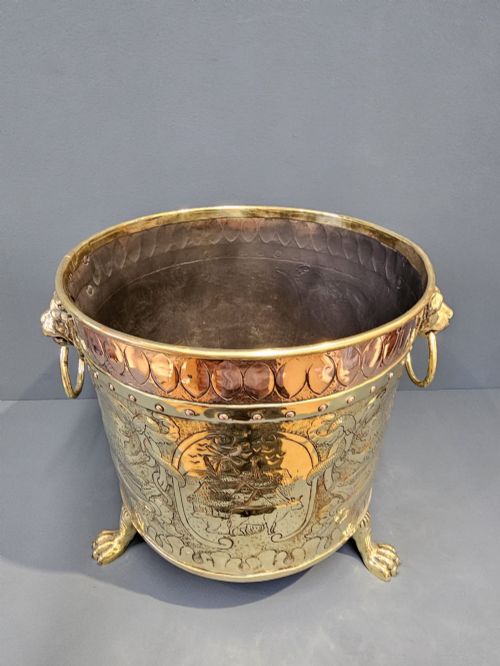
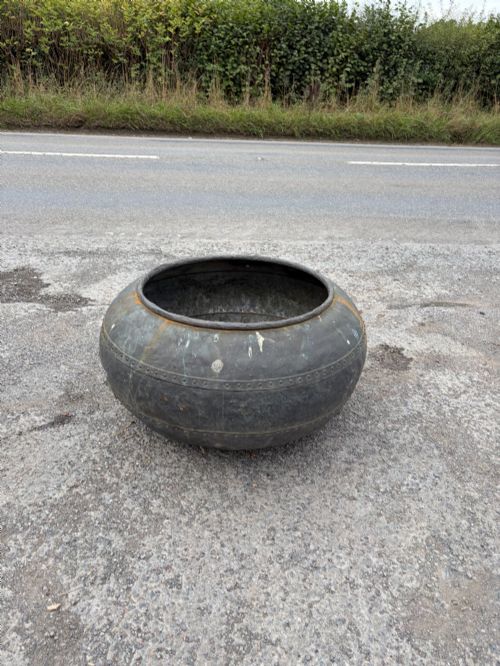
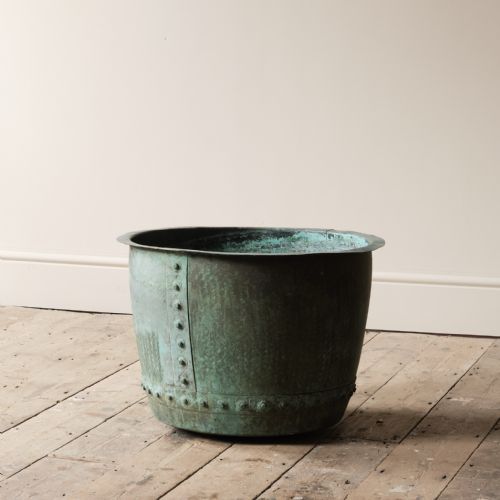
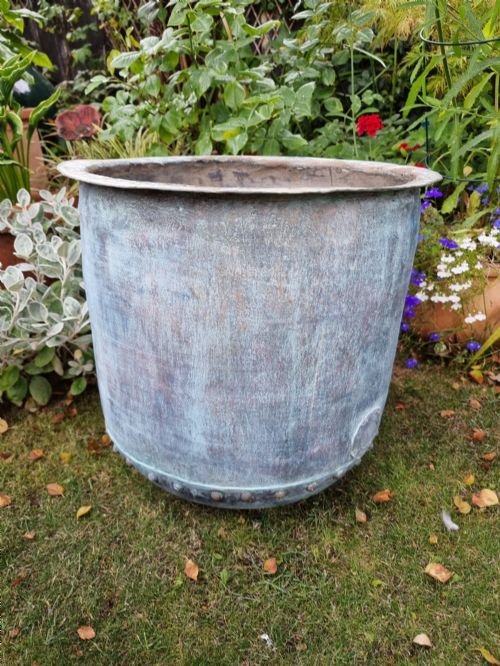
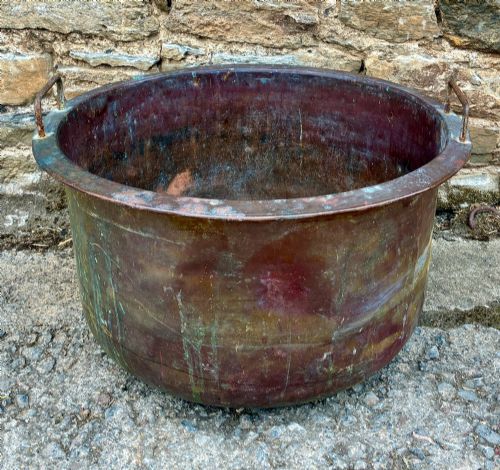
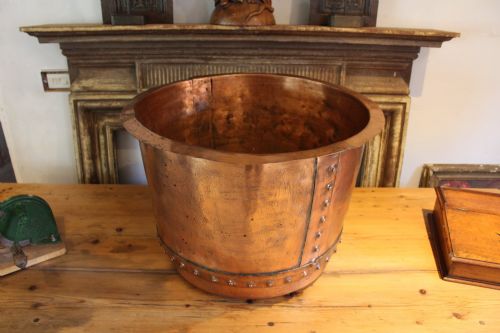
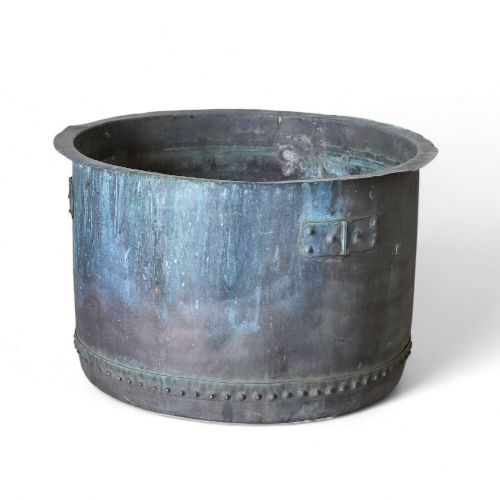
A vintage copper planter brings warmth and rich metallic tone to an interior, with heavy riveted construction and deep patination.

Vintage Copper Planter
When you search for a vintage copper planter, you are looking at sturdy vessels originally fashioned for practical domestic or agricultural tasks such as holding coal, boiling water, or measuring grain. Today, these pieces function primarily as decorative jardinières, log bins, and indoor plant holders in both traditional and contemporary spaces.
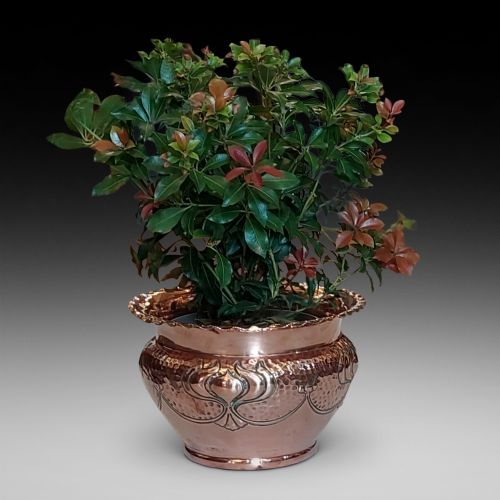
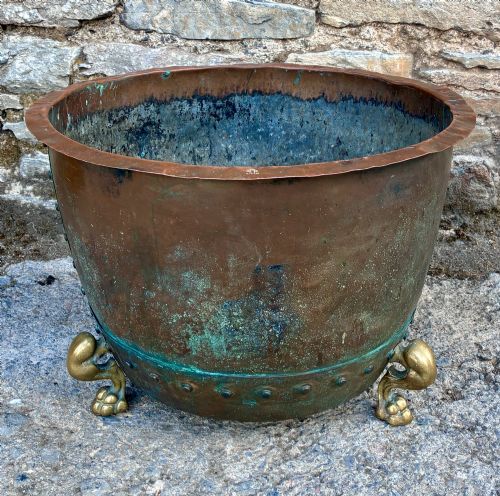
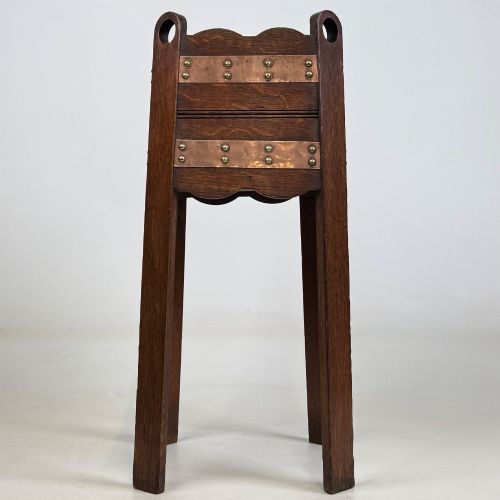
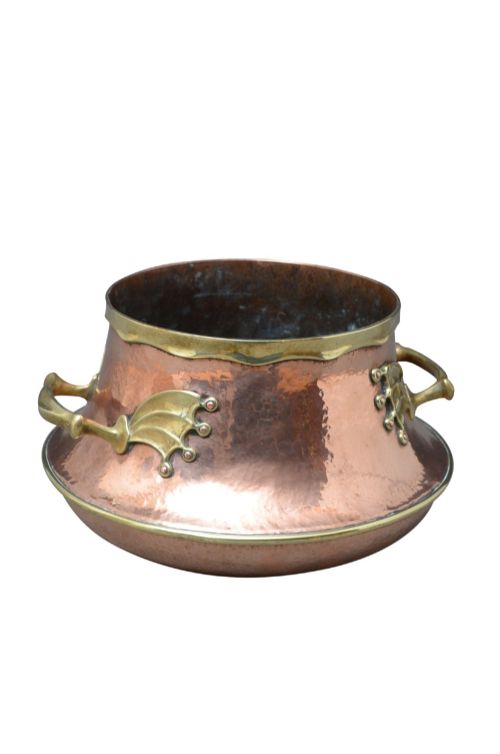
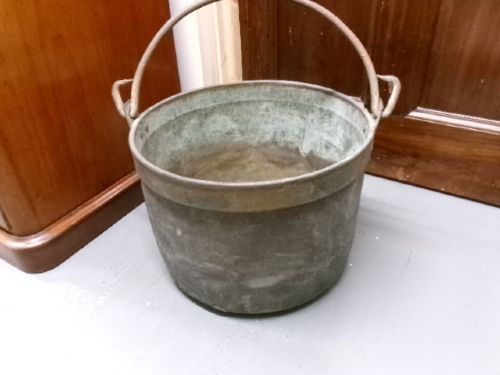
The most common examples you will meet on this page date from the nineteenth century, including Victorian and Edwardian periods, alongside distinct Arts and Crafts designs. These items frequently combine heavy sheet metal with contrasting brass handles, iron swing bails, or wooden stands.
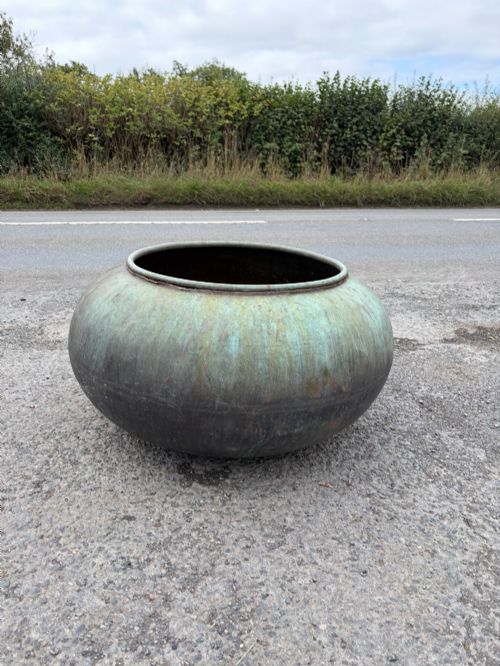
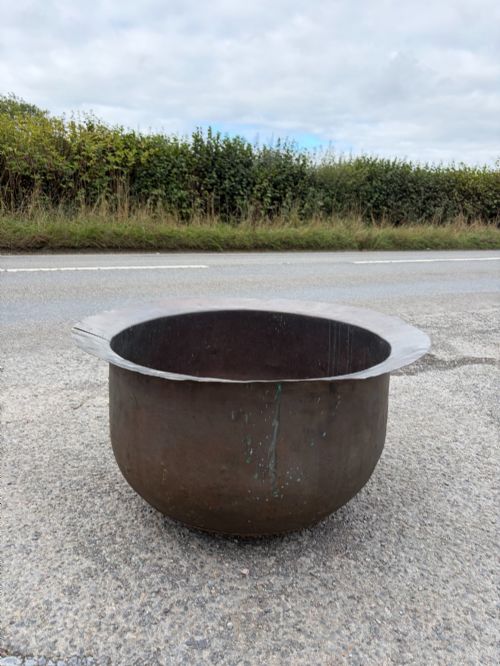
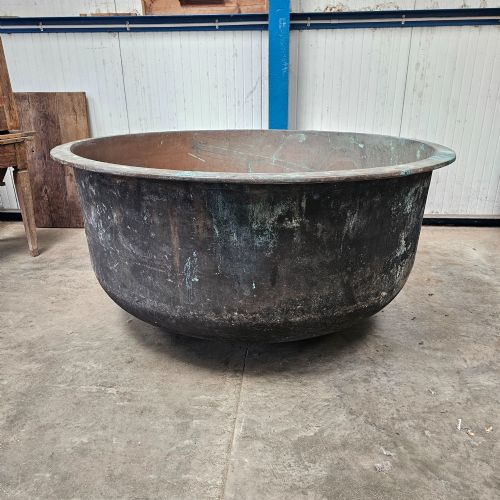
Forms vary from wide garden display pots and deep wash tubs to smaller footed vessels and pedestal bowls. Many display the varied surface textures of hammered metal, verdigris finishes, or smooth patinated surfaces developed over decades of use.
How they were made
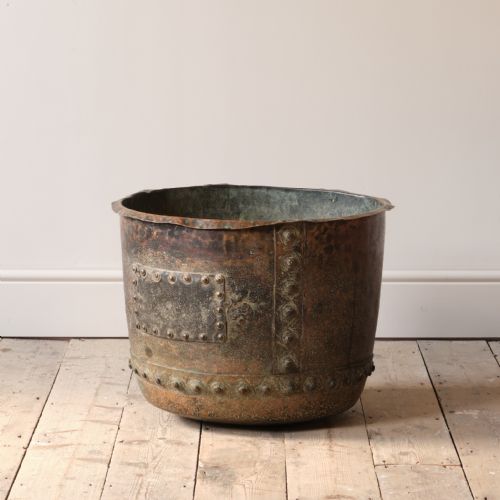
Makers formed these planters from heavy sheets of copper, frequently joining the seams with visible hand-riveted pins that provided structural strength for holding dense loads like coal, logs, or wet soil. Craftsmen often incorporated wrought iron handles or brass bands to reinforce the heavy vessels and assist with lifting.
Surface texture resulted from manual hammering or spinning techniques, leaving subtle indentations across the metal before natural oxidation created rich patinas over time. Some Arts and Crafts examples introduced decorative cabochon settings, while others retained the natural verdigris surface developed through exposure.
Vintage Copper Planter Retail Price Guide 2026
Typical asking prices for vintage copper planter among the pieces listed under this phrase on Sellingantiques today, from the lower quarter to the upper quarter. They describe what is for sale here now, not the wider market.
Several heavy vessels started out boiling laundry or measuring grain before retiring to a quiet life holding ferns.
What varies in quality
Quality in a vintage copper planter is defined by the weight of the metal gauge and the integrity of the hand-riveted joints rather than a polished surface finish. Thicker copper walls resist denting and maintain their structural form when filled with earth or heavy logs.
The aesthetic appeal rests largely on the depth of the natural patina and the presence of original contrasting details, such as brass bands, swing handles, or riveted seams that speak to the vessel's industrial origins.
The Vintage Copper Planter Glossary
- Jardiniere
- An ornamental pot or stand for holding flowers or plants, typically designed to sit on the floor or a tabletop rather than being planted into directly.
- Patina
- The deep surface sheen and coloration developed on copper through age, handling, and oxidation over many decades.
- Verdigris
- The green crust or patina formed naturally on copper and brass surfaces through atmospheric weathering and oxidation.
- Riveted
- Joined together using metal bolts or pins hammered flat at the ends, common in heavy-duty nineteenth-century vessels.
- Arts and Crafts
- A design movement emphasising handcraftsmanship, simple forms, and honest materials, frequently seen in hammered copper vessels with cabochon details.
Vintage Copper Planter: Frequently Asked Questions
How were these copper vessels originally used?
Many items designed as planters or jardinières began life as coal buckets, wash tubs, boiling coppers, or grain measures. Their robust construction made them ideal for heavy domestic chores before finding new life in the home.
Over time, homeowners repurposed these utilitarian metal containers to house large potted plants or store firewood beside the hearth.
Can I plant directly into a vintage copper planter?
Planted soil and moisture can accelerate internal corrosion and alter the exterior patina of older metal vessels. Most collectors prefer to place a plastic pot or saucer inside the copper container to protect the historic metal.
Using a separate inner pot also makes watering and rearranging indoor plants significantly easier without risking spills on your flooring.
How do I clean and maintain vintage copper?
Gentle dusting with a dry or slightly damp cloth is usually sufficient to remove household dirt while preserving the aged surface character. Avoid harsh chemical polishes that strip away the authentic patina and verdigris valued by collectors.
Applying a light coat of microcrystalline wax can help protect the metal surface from further oxidation if kept in damp environments.
How do I date a nineteenth-century copper planter?
Dating relies on observing construction methods, such as hand-riveted seams, tool marks from manual hammering, and the specific material combinations like iron handles or brass bands. Stylistic clues from periods like the Victorian era or Arts and Crafts movement also provide clear chronological markers.
Examining the depth of the patina and any maker's stamps or numerals can help narrow the decade of manufacture.