

Copper Planter Pot
A copper planter pot brings warmth and texture to a room, holding greenery with utilitarian grace.

Copper Planter Pot
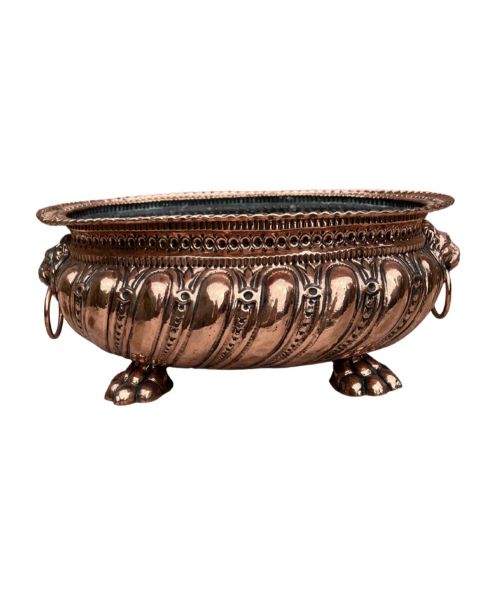
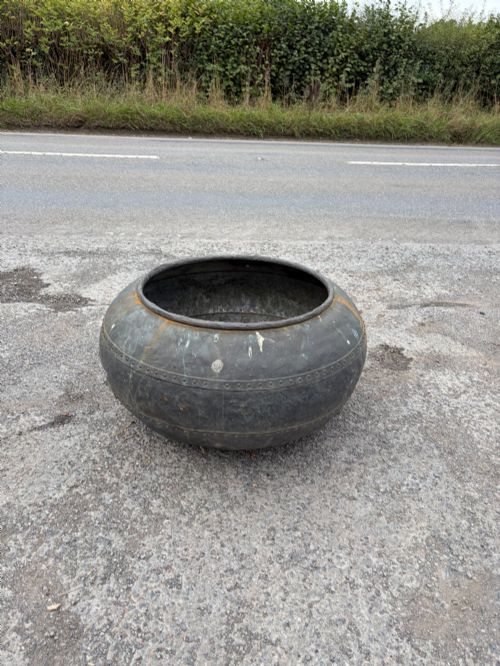
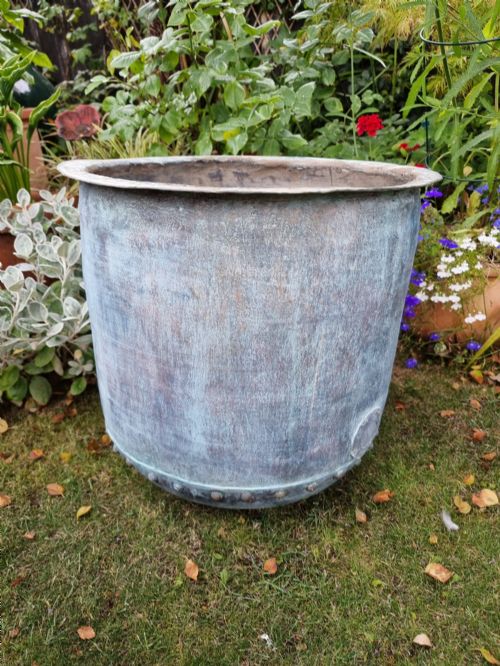
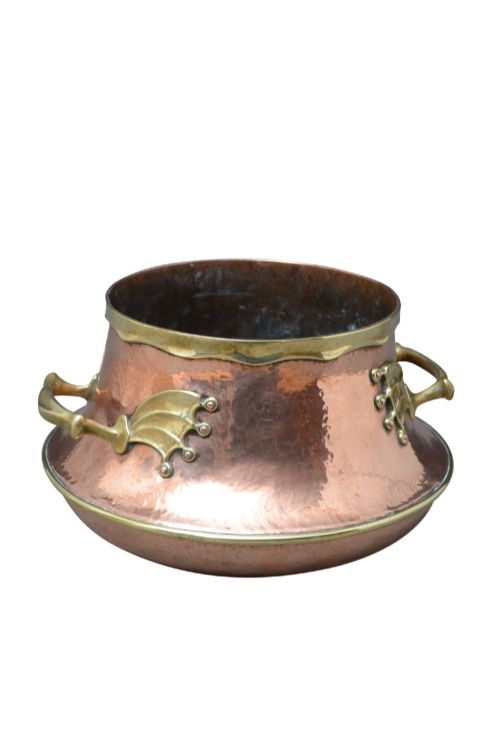
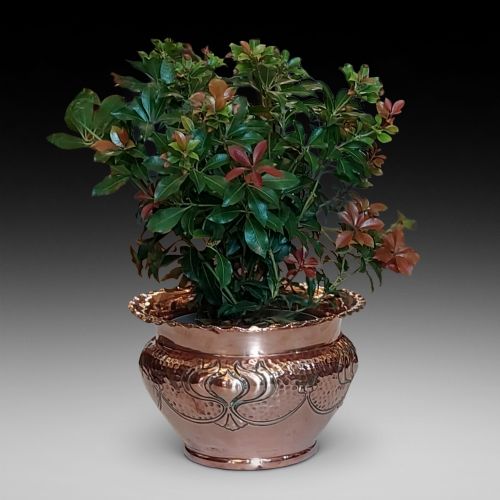
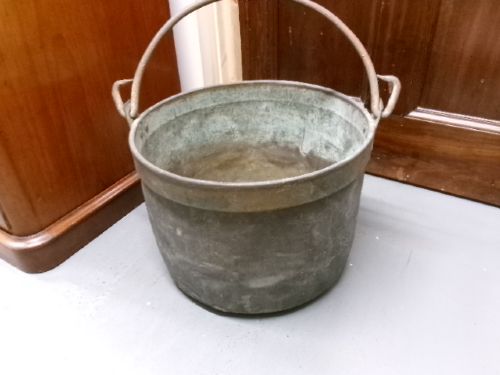
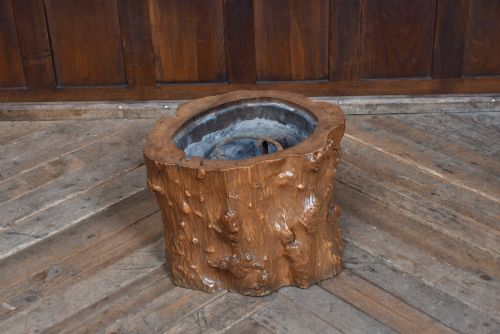
A copper planter pot serves to house plants, greenery, or logs within domestic interiors and gardens. Buyers browsing this selection encounter vessels spanning the Georgian, Victorian, and Edwardian eras, alongside pieces shaped by the Arts and Crafts movement.
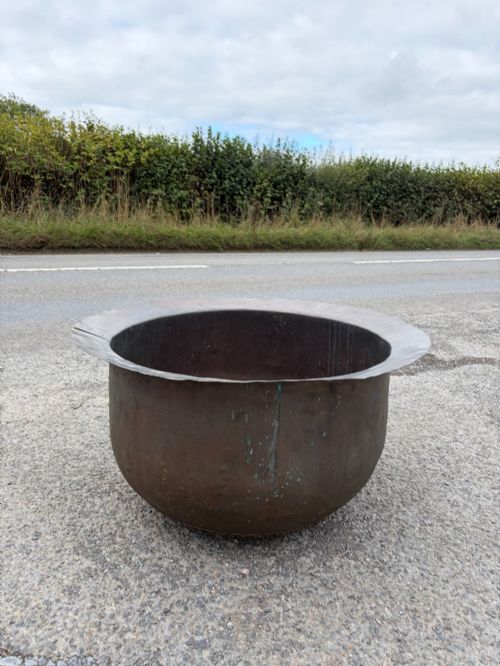
The form stretches from simple utilitarian cauldrons and grain measures to decorative jardinieres and log bins. Many examples originate from English and French workshops, utilising robust metals suited to heavy daily use.

What varies in quality
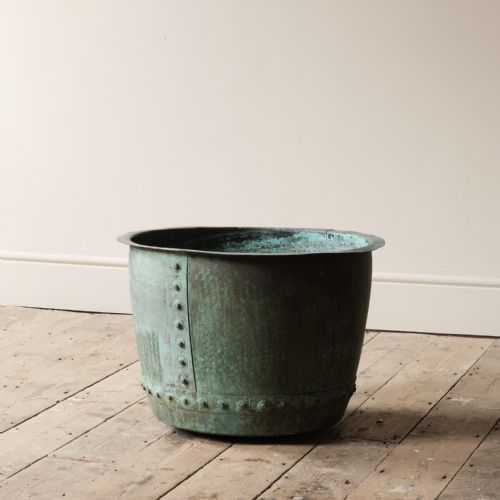
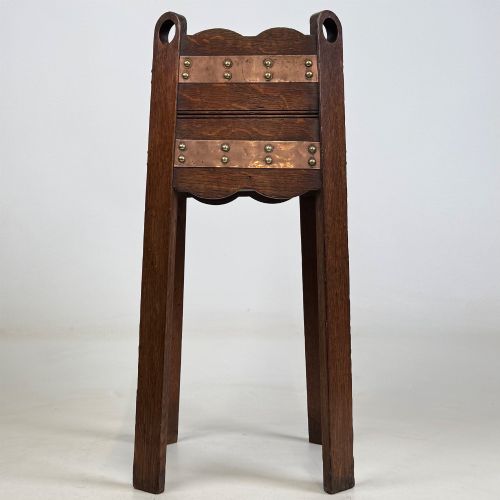
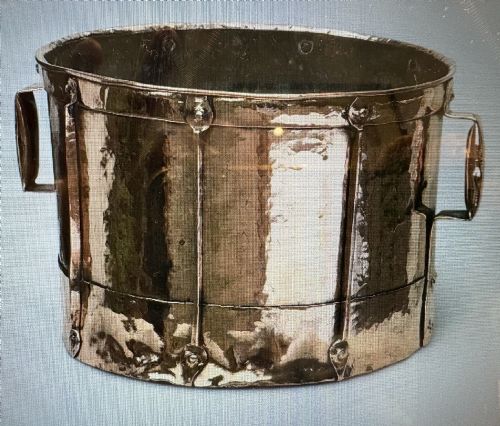
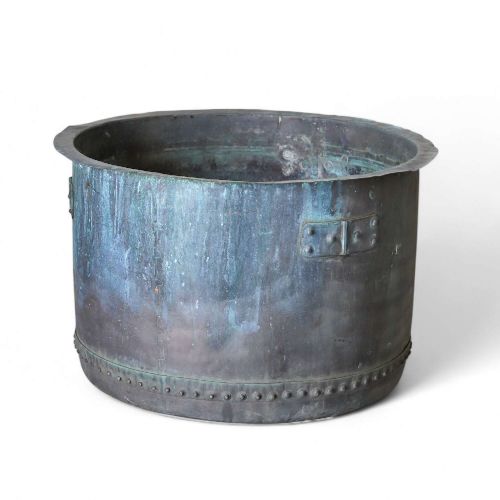
The weight of the metal dictates the substance of the piece, with heavy gauge copper surviving centuries without losing its structural integrity. Finer examples show careful attention to the formation of riveted seams and the integration of contrasting brass or wrought iron mounts.
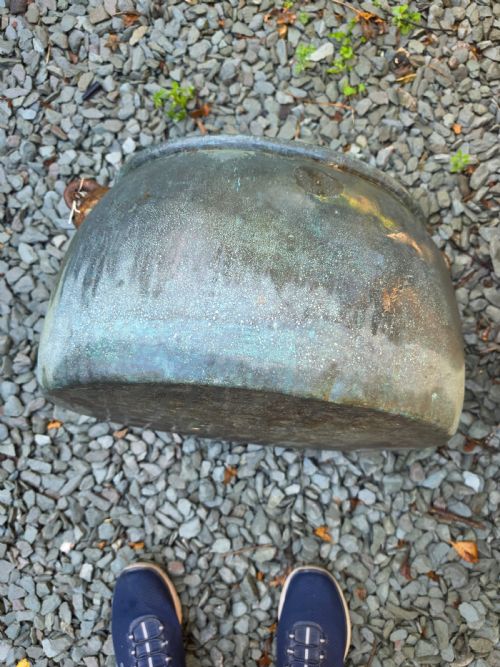
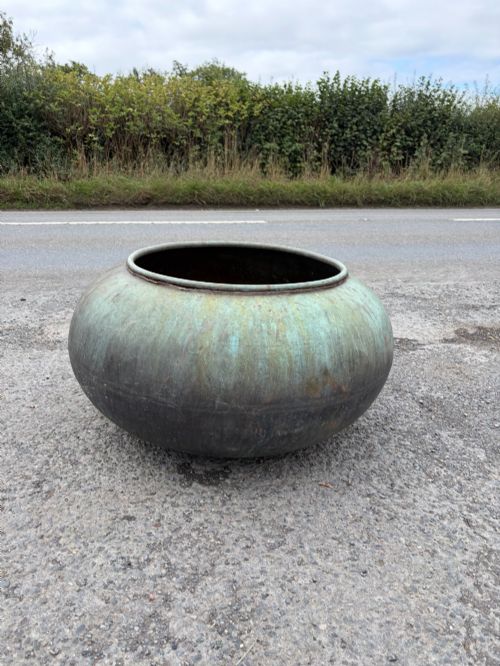
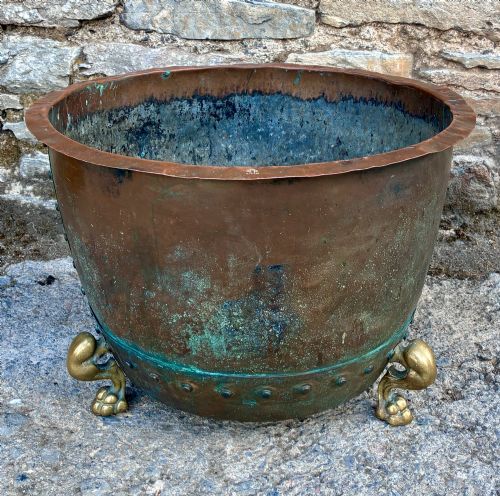
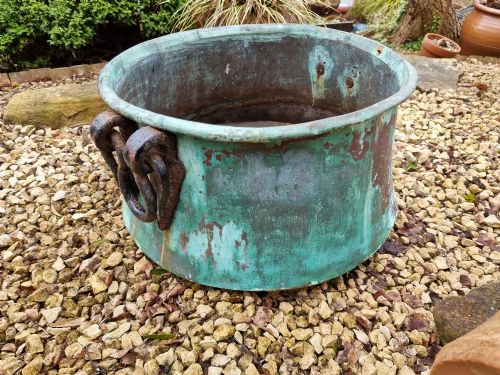
The character of the surface finish distinguishes exceptional items, whether through a deep natural patina or an unforced verdigris. Proportion and decorative restraint, particularly in Arts and Crafts and Georgian designs, separate standard vessels from more accomplished forms.
Copper Planter Pot Retail Price Guide 2026
Typical asking prices for copper planter pot among the pieces listed under this phrase on Sellingantiques today, from the lower quarter to the upper quarter. They describe what is for sale here now, not the wider market.
Listings feature 19th-century copper pots alongside Edwardian plant stands and Georgian cauldrons.
Henry Loveridge
The Copper Planter Pot Glossary
- Jardiniere
- An ornamental pot or stand for holding flowers and plants. These vessels often sit on low feet or decorative bases rather than hanging.
- Verdigris
- A green patina formed naturally on copper through atmospheric weathering and oxidation. This chemical change protects the underlying metal while adding mottled tonal variation.
- Riveted
- Joined together using short metal pins hammered flat at the ends. This technique held heavy seams tight on large vessels before modern welding.
- Cauldron
- A large metal pot with a rounded base and a swing handle. Originally used over open fires, these heavy vessels find a second life as floor-standing planters.
Copper Planter Pot: Frequently Asked Questions
How do I clean a copper planter pot?
Wash the surface gently with warm soapy water and a soft cloth to remove dust without disturbing the aged surface. Avoid harsh chemical polishes that strip away historical patina.
Dry the metal thoroughly after washing to prevent water spotting. Letting the natural surface evolve preserves the character of older pieces.
Can I plant directly into the pot?
Placing soil directly against old copper can accelerate internal corrosion over time. Using a plastic nursery liner protects the metal from moisture and acidic compost.
Lining the vessel also makes plant maintenance and watering much simpler. Ensure adequate drainage inside the liner to keep standing water away from the base.
How do I date a copper pot?
Examine the construction methods, such as hand-hammering marks and the style of the riveted seams. Georgian and early Victorian pieces often feature heavy gauge metal and distinct hand-forged iron handles.
Later Edwardian and Arts and Crafts examples display cleaner geometric lines or characteristic plant motifs. Comparing the object type to standard period forms helps narrow down the decade.
Where should I place a heavy copper pot?
Large vessels work well resting directly on stone hearths, wooden floorboards, or paved garden terraces. Their substantial weight makes them stable anchors for tall indoor plants or small trees.
Keep them away from damp ground outdoors if you want to limit aggressive corrosion. Indoors, ensure the surface beneath is protected from any moisture leaking past the liner.