



Antique Copper Basin
An antique copper basin brings warmth and utility into a room, forged to endure decades of hard labour.

Antique Copper Basin
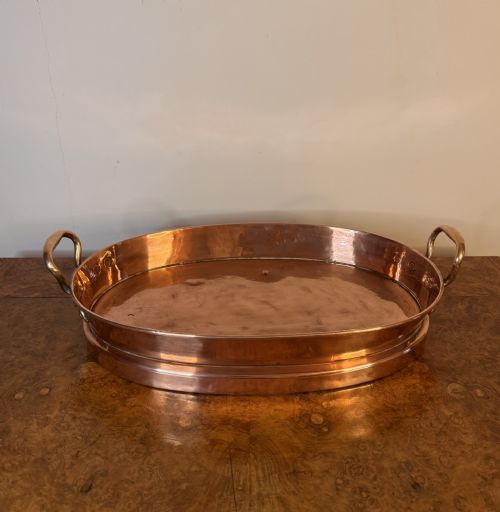
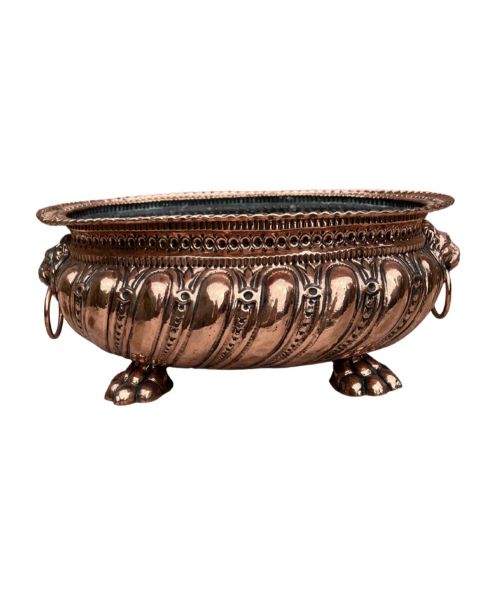
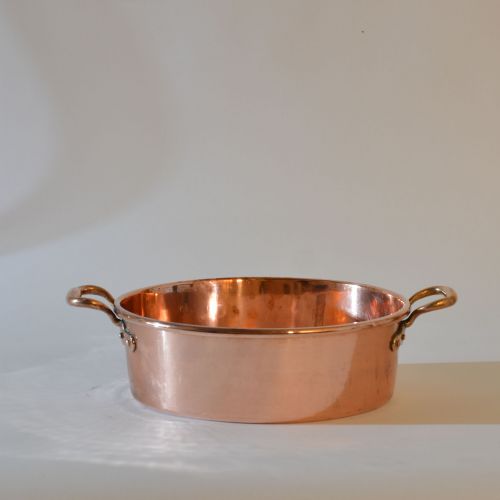
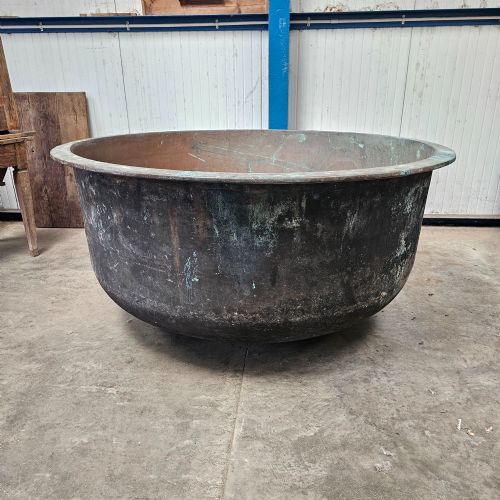
When you search for an antique copper basin, you encounter vessels built for utility, ranging from dairy cream setting pans and jam boilers to wine coolers and planters. These objects span the eighteenth and nineteenth centuries, originating from English country houses, French provinces, and Italian workshops.
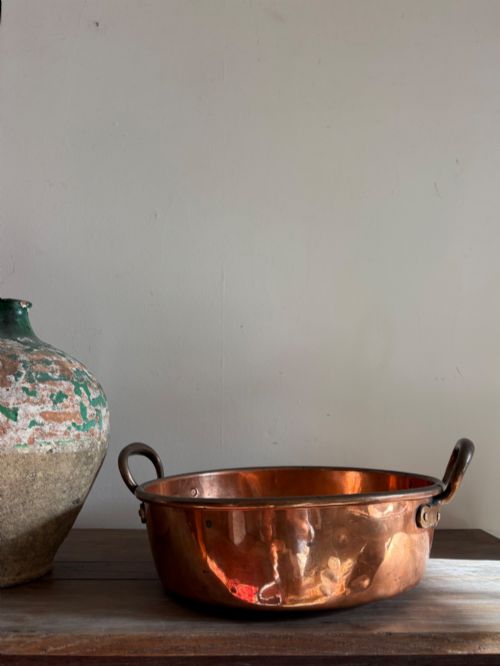
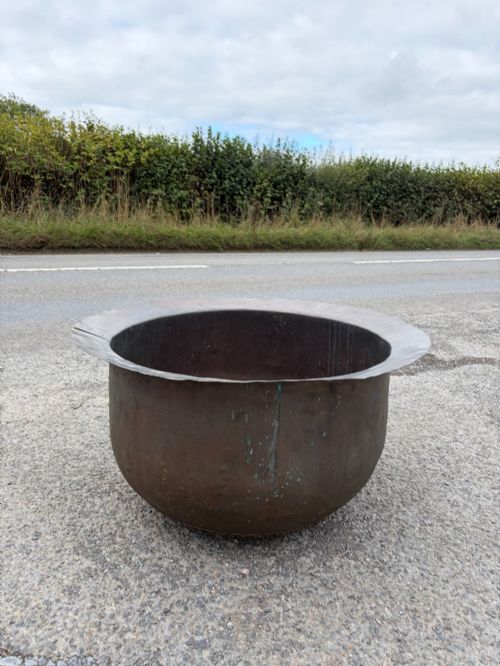
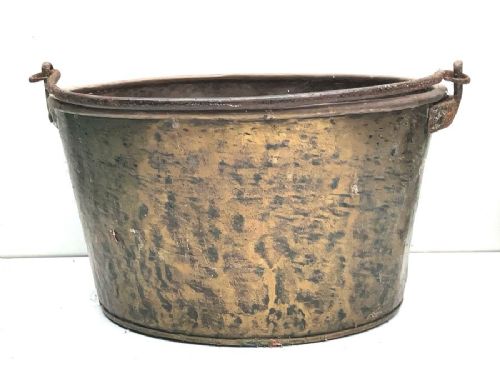
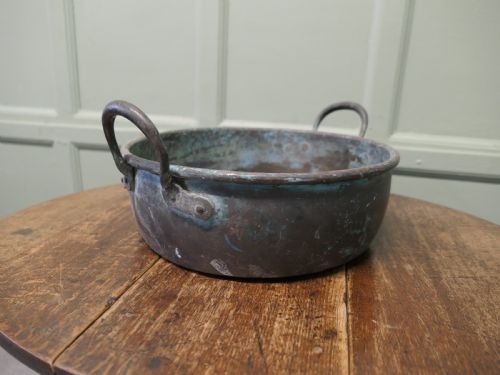
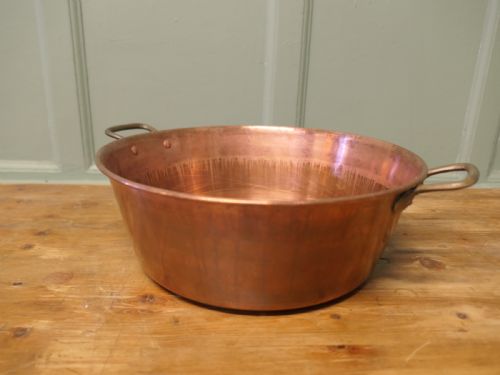
The version you meet most often on this page is the heavy preserving pan or jardiniere, shaped from hammered metal with iron or brass handles. They transition easily from functional kitchenware into decorative bowls or log bins within modern interiors.
How they were made
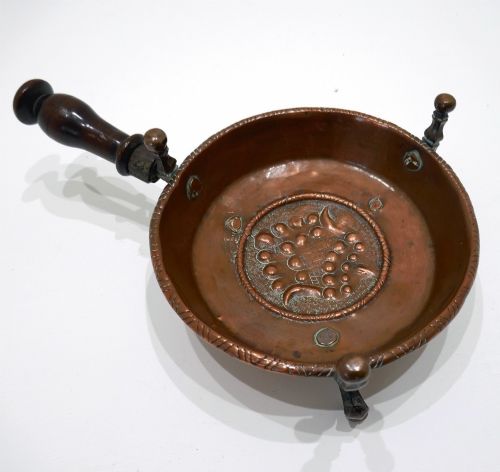
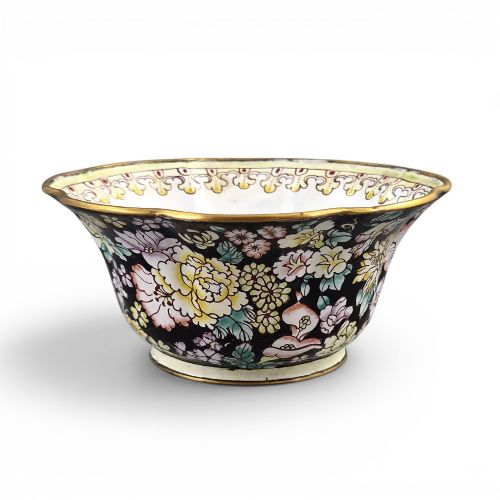
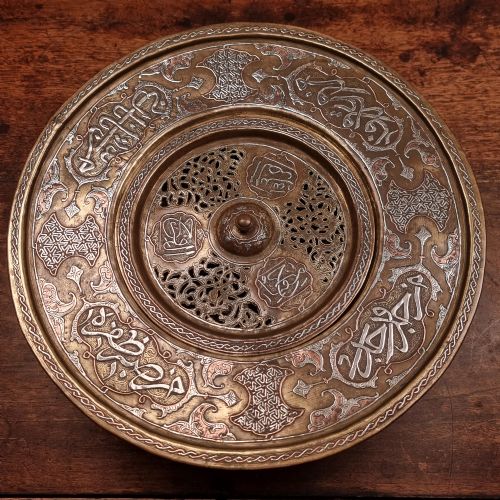
The construction relies on heavy gauge copper beaten by hand or machine, frequently joined with visible rivets along the seams to withstand intense heat and weight. Craftsmen combined copper with iron handles, brass trim, and occasional silver or enamel inlays to reinforce structural integrity.
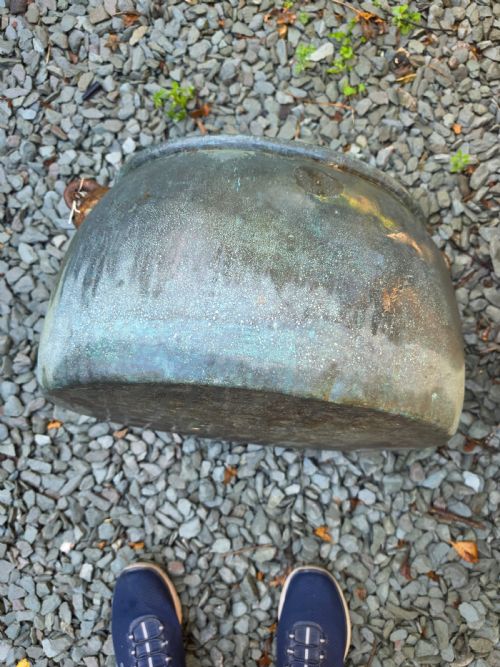
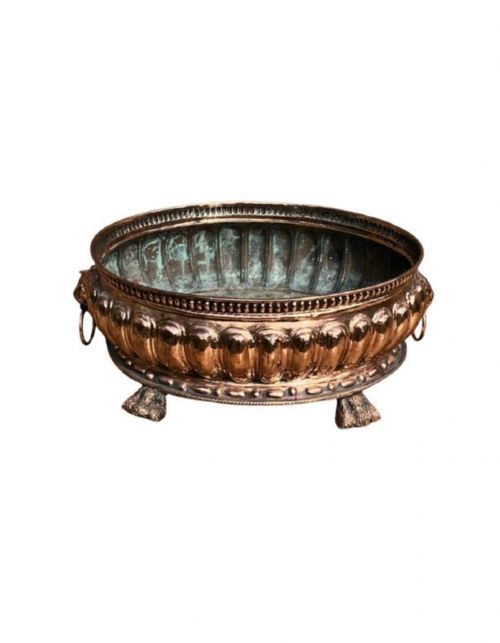
Surfaces display natural ageing processes, including weathered patinas and verdigris finishes developed through exposure to moisture and air over generations.
Antique Copper Basin Retail Price Guide 2026
Typical asking prices for copper basin among the pieces listed under this phrase on Sellingantiques today, from the lower quarter to the upper quarter. They describe what is for sale here now, not the wider market.
Object forms include cookware, wine coolers, cheese vats, grain measures, and wash bowls.
What varies in quality
The integrity of the original metal thickness and the heft of the vessel dictate the upper tiers of quality, separating robust domestic and agricultural tools from lighter decorative items. Heavy hand-beaten construction with clean, even rivet work shows superior craftsmanship.
The character of the surface patina also alters the appeal, with uniform warmth and honest signs of historic service holding more interest than over-polished surfaces.
Hodges & Sons·Barker Ellis
The Antique Copper Basin Glossary
- Verdigris
- A green patina formed naturally on copper surfaces through atmospheric oxidation. This chemical layer protects the underlying metal and indicates genuine age.
- Jam pan
- A wide, round vessel traditionally utilised for boiling fruit and sugar over an open fire. These pans possess flat bases for even heat distribution and strong handles for lifting heavy loads.
- Jardiniere
- An ornamental pot or stand designed to hold live plants or floral arrangements. They appear in copper, brass, and mixed metals, often featuring decorative handles or feet.
- Cream setting pan
- A wide, shallow basin used in dairies to allow cream to rise to the top of milk. These Georgian and Victorian pieces offer generous proportions and flat rims.
Antique Copper Basin: Frequently Asked Questions
How do I clean an antique copper basin?
Maintain the aged character by washing gently with warm soapy water and a soft cloth, avoiding abrasive scourers that strip away historic patina.
Many collectors prefer leaving the dark oxidation and verdigris intact because these surfaces prove the genuine age of the metal.
Were these basins used in the kitchen?
Most of these vessels served heavy domestic duties, including preserving fruit, boiling jams, setting dairy cream, and heating water over hearths.
Their robust construction allowed them to withstand daily exposure to fire, moisture, and heavy ingredients.
How do I tell an 18th-century pan from a 19th-century one?
Earlier Georgian examples often display heavier hand-beaten hammering marks, irregular rims, and wrought iron attachments forged by local blacksmiths.
Later Victorian pieces tend toward more uniform machine rolling, standardised rivet patterns, and stamped maker details.