






Copper Garden Planter
These copper garden planter pieces bring warmth and texture to planting schemes, prized for their weathered surfaces and robust utility.
Copper Garden Planter
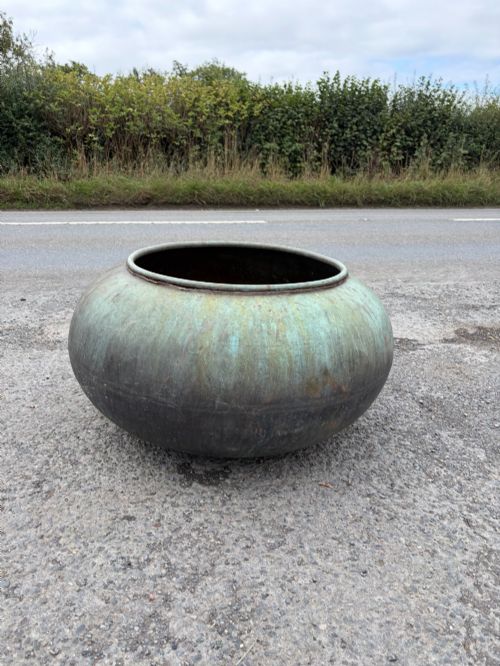
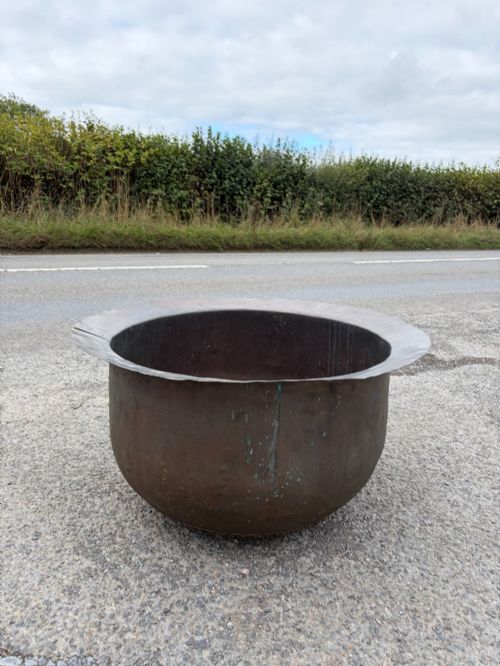
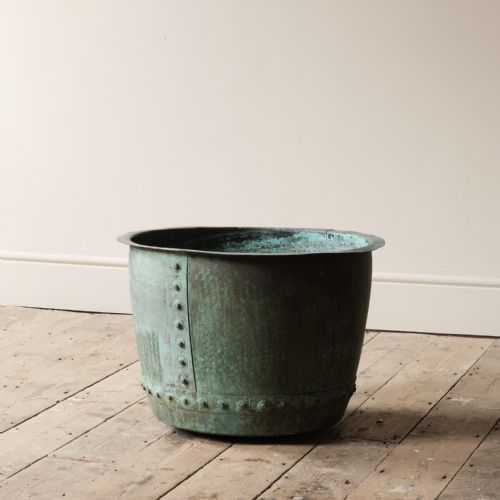
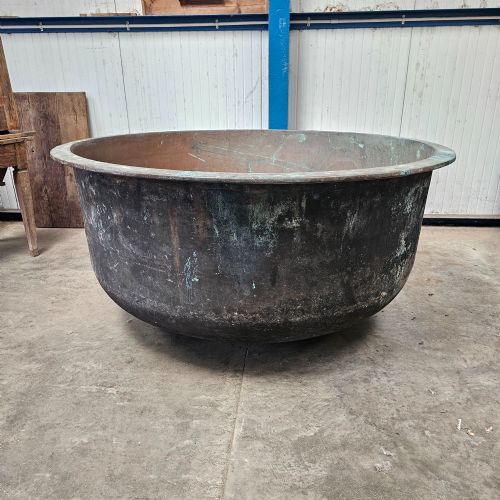
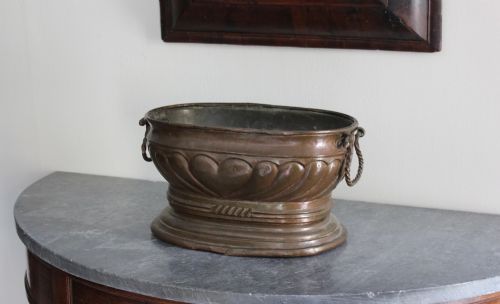
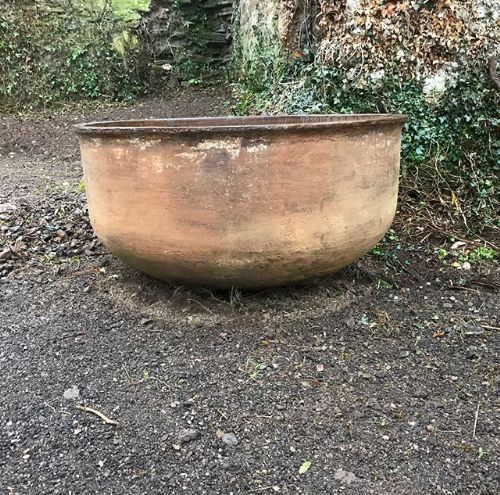
When you search for a copper garden planter, you encounter utilitarian vessels repurposed from earlier domestic and agricultural roles. The selection includes large pots, wash tubs, cheese vats, cauldrons, and boilers originating from the eighteenth, nineteenth, and early twentieth centuries.
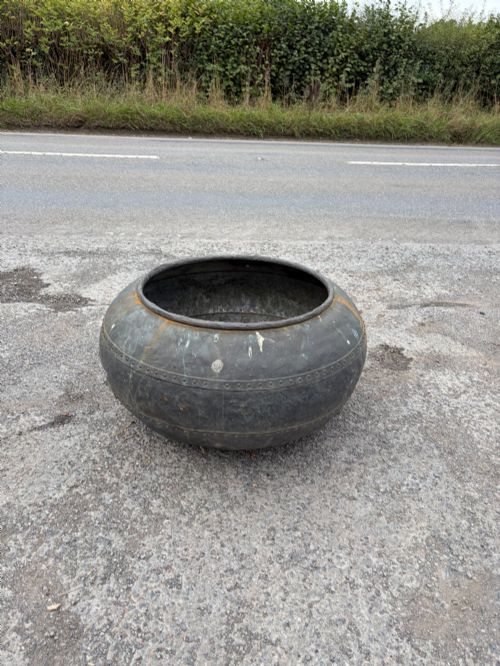
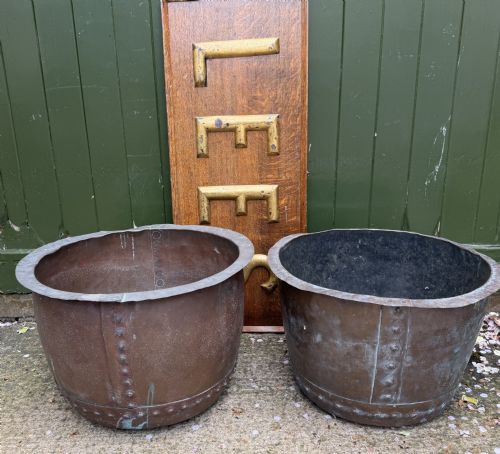
You are most likely to meet nineteenth century pieces, often displaying riveted construction and generous proportions. These examples frequently bridge indoor hearth storage and outdoor display, serving equally well as log bins or garden vessels.
Materials and construction techniques
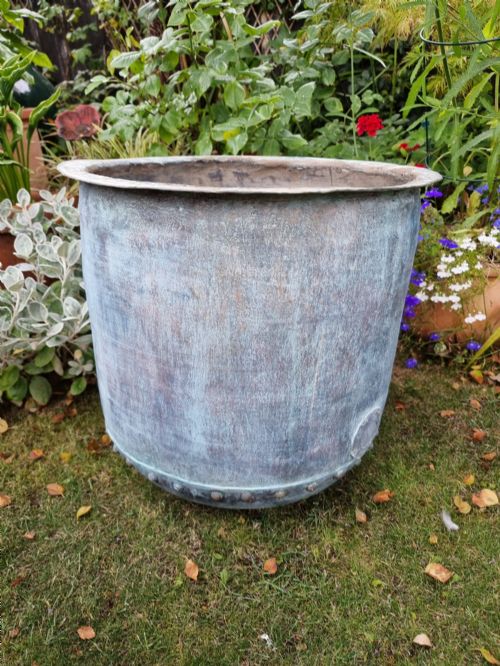
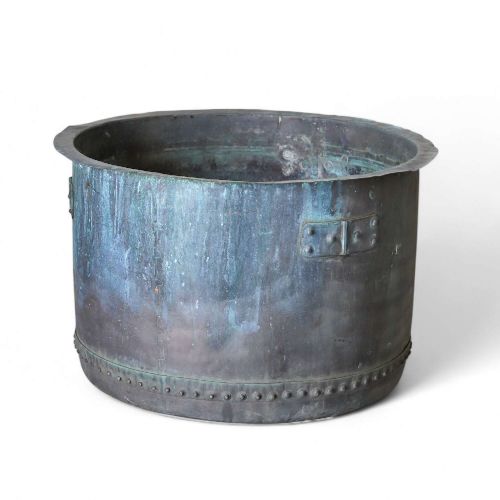
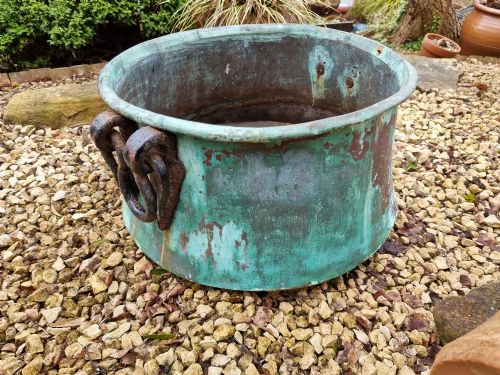
The objects are built predominantly from sheet copper, shaped by hand and joined with visible metal rivets that structural integrity requires. Iron and wrought iron handles, swing Bails, or stands frequently accompany the copper bodies.
Surfaces acquire natural patination and verdigris over decades of exposure to moisture and air. Brass fittings, cast iron bases, and occasional steel or tin elements appear in specific utilitarian types from the Victorian and Edwardian eras.
Copper Garden Planter Retail Price Guide 2026
Typical asking prices for copper garden planter among the pieces listed under this phrase on Sellingantiques today, from the lower quarter to the upper quarter. They describe what is for sale here now, not the wider market.
Listings feature nineteenth-century copper pots, wash tubs, and cheese vats incorporating iron, brass, and wrought iron elements.
Judging quality in antique copper vessels
Quality rests in the integrity of the metalwork and the honesty of the surface wear. Vessels retaining their original rivets, structural mounts, and handles command greater interest than those altered or patched over time.
The depth of the natural patina and the presence of unforced verdigris distinguish superior examples. Heavy gauge copper that maintains its structural rigidity without excessive thinning separates robust display pieces from fragile items.
Orme Evans And Co
The Copper Garden Planter Glossary
- Verdigris
- A green patina formed naturally on copper surfaces through atmospheric oxidation. This layer protects the underlying metal and provides the characteristic visual age desired by collectors.
- Riveted
- Joined together using metal bolts hammered flat at the ends. This technique secures the heavy overlapping copper sheets typical of nineteenth-century vessels.
- Cauldron
- A large deep metal pot with a wide mouth, usually fitted with a swing handle. These heavy vessels were originally designed for boiling liquids over open fires before finding later garden use.
- Patina
- The surface sheen and colour variation developed through age, handling, and exposure to the elements. Good patination indicates unpolished, original metal surfaces.
- Log bin
- A deep container traditionally used for holding firewood beside a hearth. Their robust capacity makes them well suited for housing substantial garden plants.
Copper Garden Planter: Frequently Asked Questions
Can I leave my copper planter outside all year?
Copper withstands outdoor weathering effectively due to its natural corrosion resistance. The metal deepens in tone and develops further verdigris when exposed to rain and soil.
Extreme frost can affect vessels containing saturated soil and trapped water. Raising the pot slightly off the ground ensures proper drainage during winter months.
How do I clean an antique copper planter?
Washing with mild soapy water and a soft cloth removes ordinary dirt and debris. Avoid abrasive scourers or harsh chemical polishes that strip away historical surface character.
Preserving the existing patina and verdigris maintains the visual integrity of the piece. Most collectors prefer untouched, weathered surfaces over bright, polished metal.
What were these copper vessels originally used for?
Many examples served utilitarian roles in domestic and industrial settings, including wash tubs, boiling vats, and cheese vats. Heavy copper construction handled large volumes of liquid and heat in daily agricultural life.
Others functioned as indoor log buckets or wine coolers before transitioning into garden decoration. Their robust build ensured survival across multiple centuries of varied service.
How do I date a nineteenth-century copper pot?
Dating relies on manufacturing techniques, such as hand-beated seams and heavy iron riveting patterns. Nineteenth-century pieces typically display irregular hand-finished details distinct from later machine-pressed items.
Associated hardware like wrought iron swing handles and cast iron mounts provide further chronological clues. Comparing the weight of the metal and the style of construction helps narrow the period of origin.