
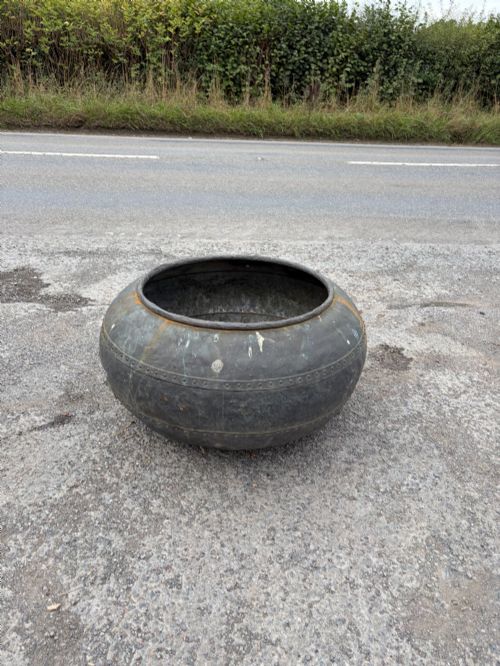
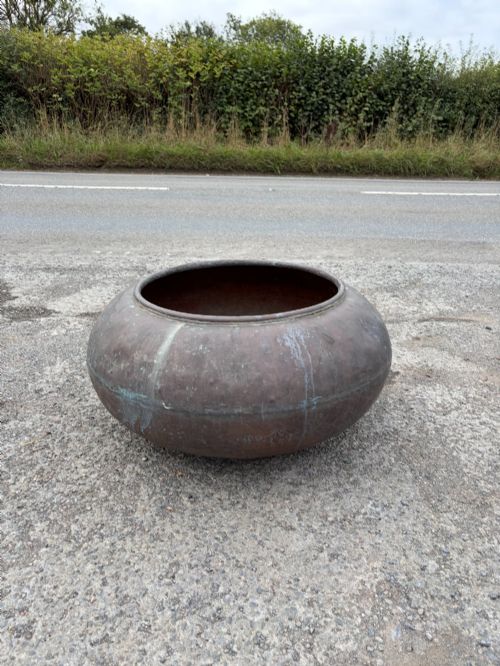
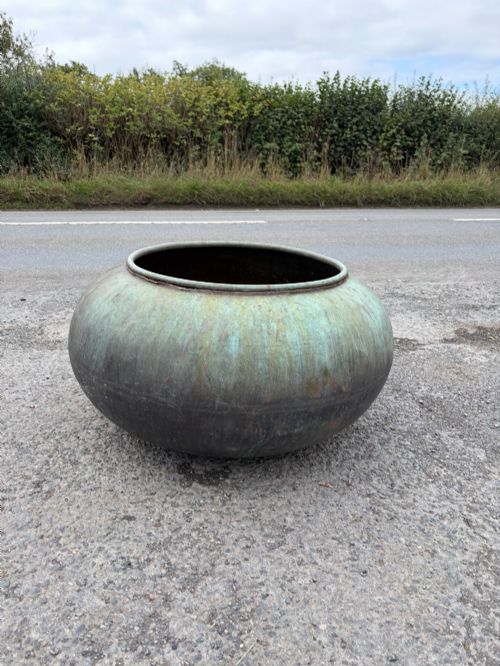
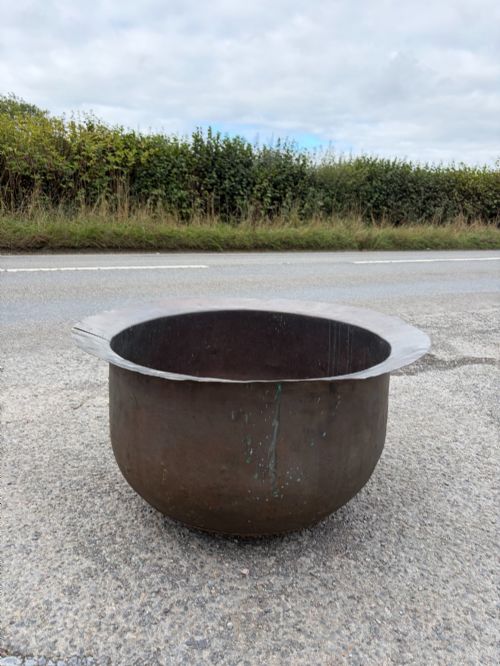
Rustic Copper Vessel
A rustic copper vessel brings warmth and texture to a room, offering practical utility through centuries of hard domestic service.

Rustic Copper Vessel
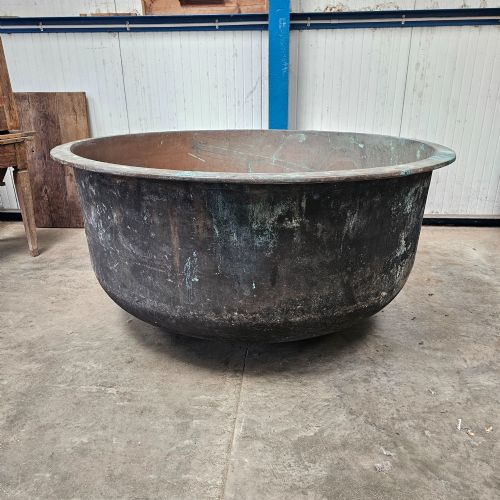
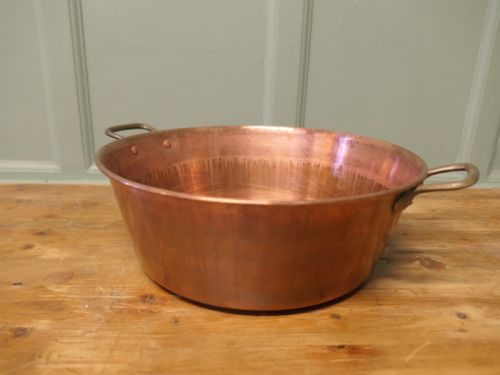
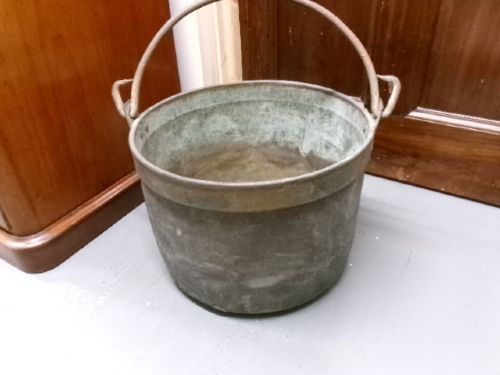
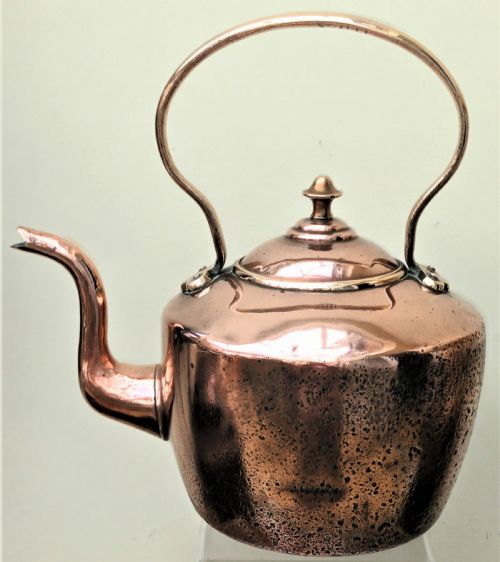
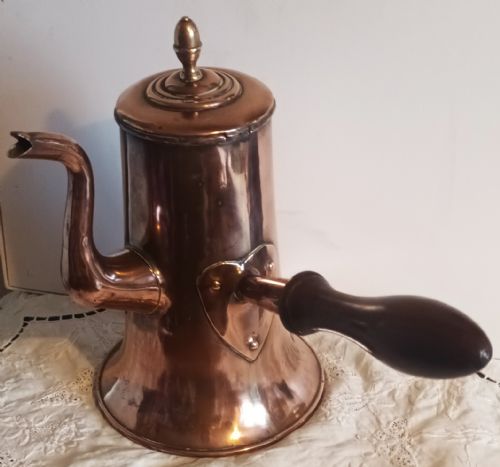
A rustic copper vessel encompasses large pots, log bins, cauldrons, jam pans, and kettles originating from Georgian, Victorian, and nineteenth-century domestic or agricultural contexts. These items span English, French, and Italian origins, ranging from cheese vats and wine cisterns to everyday cream setting pans and wash tubs.
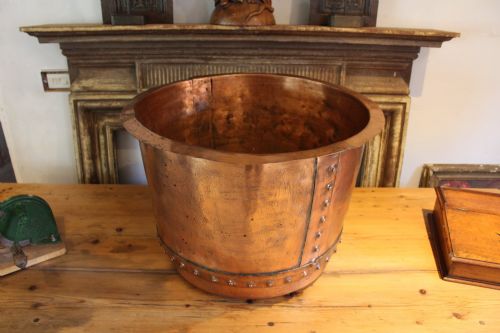
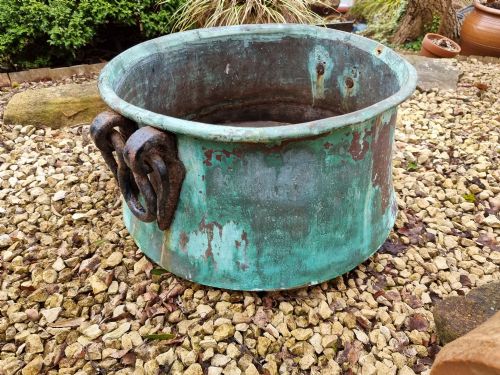
The most common examples on this page are large nineteenth-century pots and log bins designed for hearth and scullery use. Many function today as garden planters or fireside storage, retaining their original utilitarian forms while adapting to modern interiors.
Materials and construction methods
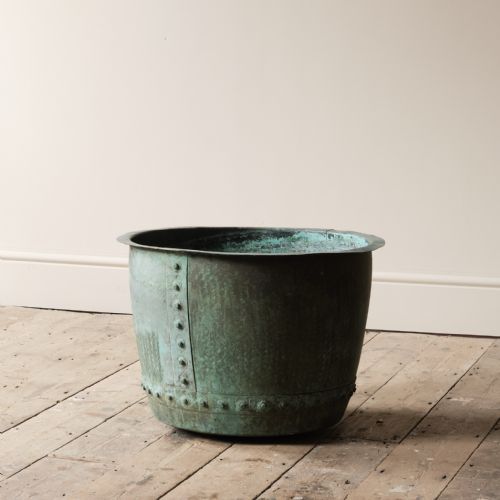
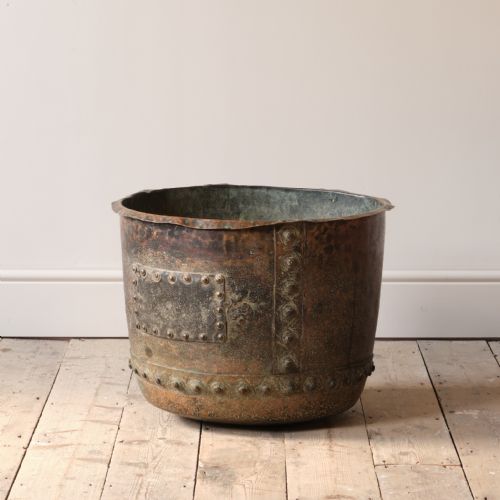
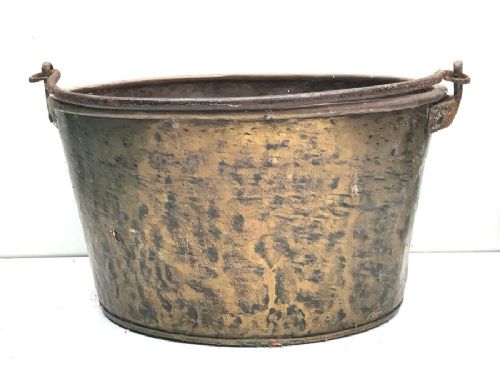
Makers shaped heavy sheet copper by hand, frequently joining seams with visible structural rivets to withstand intense heat and heavy loads. Wrought iron, brass, and oak appear as complementary elements, providing sturdy swing handles, detachable grips, and supporting bands.
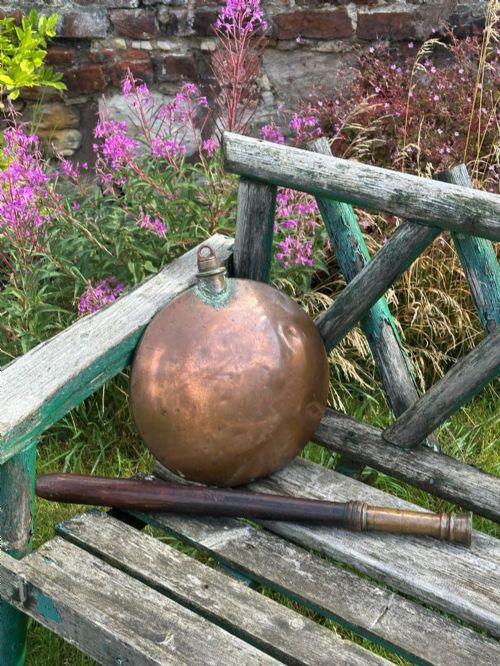
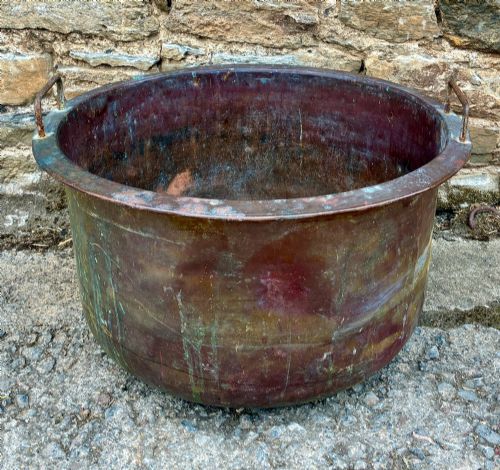
Surfaces accumulate natural verdigris and weathered patinas over decades of exposure to moisture and wood smoke. This gradual oxidisation forms a protective, multi-toned skin across the metal rather than a uniform factory finish.
Rustic Copper Vessel Retail Price Guide 2026
Typical asking prices for rustic copper vessel among the pieces listed under this phrase on Sellingantiques today, from the lower quarter to the upper quarter. They describe what is for sale here now, not the wider market.
Object forms include cheese vats, wine cisterns, cream setting pans, and haystack measures alongside standard log bins.
Craftsmanship and structural integrity
Quality rests in the weight of the metal sheet and the neatness of the hand-beaten form. Substantial gauge copper resists buckling under pressure, while finely formed handles and secure iron rivetting indicate superior workshop production.
The depth and honesty of the surface patina distinguish finer survivals from scrubbed pieces. Examples displaying rich verdigris and unpolished, tactile textures demonstrate authentic age and continuous domestic use.
J Bower
The Rustic Copper Vessel Glossary
- Verdigris
- A green crust or patina formed naturally on copper or brass through atmospheric weathering and oxidation. This chemical change provides a protective layer that collectors prize for its visual depth.
- Cauldron
- A large metal pot with a swing handle, traditionally used over an open hearth for boiling liquids. These deep vessels often feature heavy iron handles secured by thick side rivets.
- Jam pan
- A wide, round pan designed for fruit preserving, commonly outfitted with double handles for lifting heavy loads of boiling sugar. The shallow slope allows rapid evaporation during cooking.
- Log bin
- A large container adapted from agricultural or industrial vats to hold firewood by the hearth. These robust vessels frequently double as large garden planters.
- Haystack measure
- A standard brass or copper liquid measure shaped with tapering sides resembling a rural stack of hay. These calibrated vessels were utilised in trade and domestic administration.
Rustic Copper Vessel: Frequently Asked Questions
What were these copper vessels originally used for?
These items served demanding physical roles in farmhouses, kitchens, and dairies for tasks such as boiling laundry, heating water, and preserving food. Many held dairy products like cream, or acted as cooking pots over open fires.
Larger variants handled heavy agricultural duties, including cheese making in France and wine storage in Italy. Over time, their robust construction made them ideal for storing hearth logs.
How do I clean verdigris off a copper pot?
Most collectors choose to leave the natural verdigris and weathered patina intact because it demonstrates genuine age and atmospheric exposure. Scrubbing the surface back to bright, shiny metal removes the historic character that defines these pieces.
If cleaning is necessary for indoor display, mild soap and warm water preserve the underlying metal without stripping away the historical surface character.
Can I use an antique copper pot outdoors?
Many large nineteenth-century pots and log bins function successfully today as garden planters or patio ornaments. Copper withstands outdoor weather well, developing further verdigris when exposed to rain and soil.
Ensure adequate drainage if planting directly into the vessel, or use an inner pot to protect the historic metal from prolonged dampness and acidic compost.
How can I tell a Georgian vessel from a Victorian one?
Georgian pieces, dating from the eighteenth and early nineteenth centuries, often display hand-beaten surfaces with distinct hammering marks and simpler, heavier iron fittings. They frequently include domestic items like cream setting pans and coffee pots.
Victorian pieces from the later nineteenth century tend toward standardised riveted construction, incorporating swing handles and robust brass or iron mounts for heavy utility work.