


Large Copper Vessel
A large copper vessel brings warmth and heavy presence to a room, shifting domestic utility into a statement piece.

Large Copper Vessel
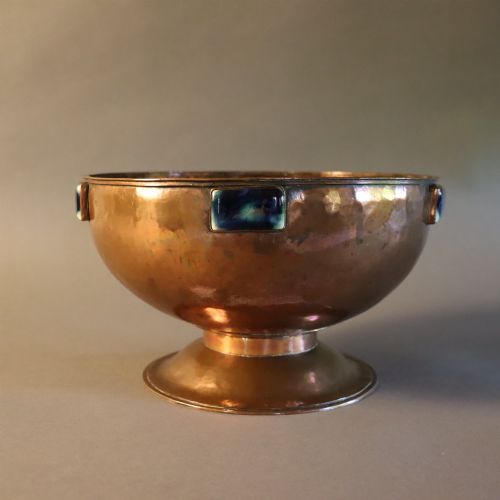
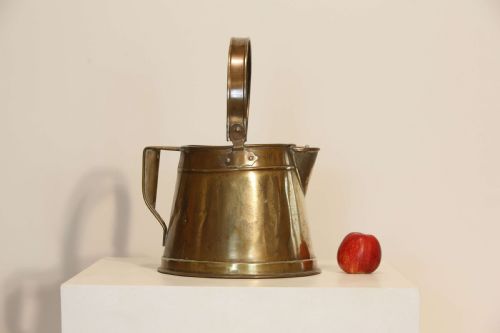
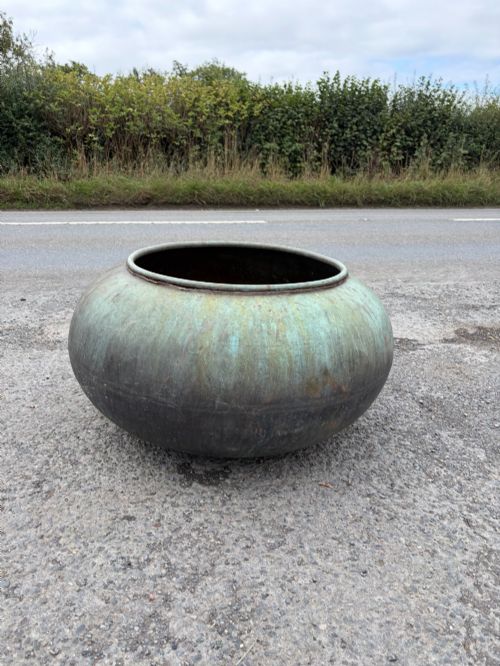
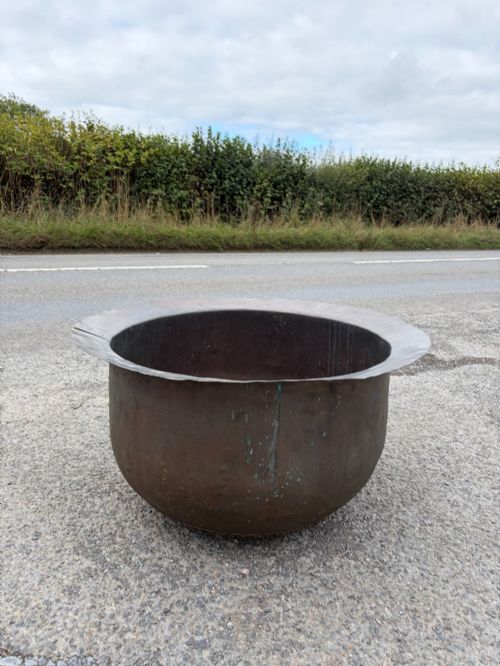
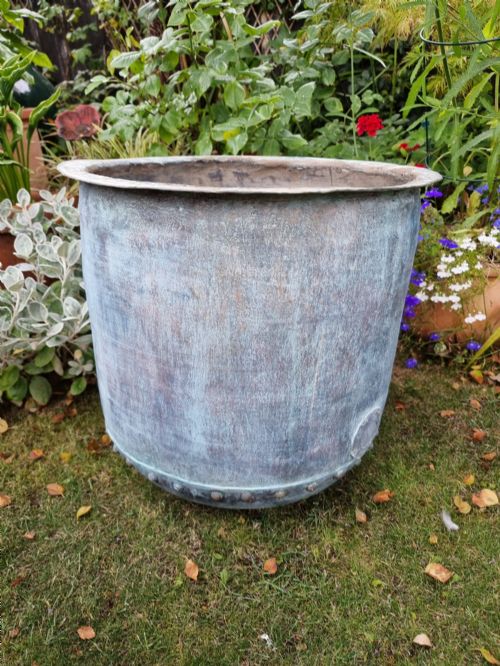
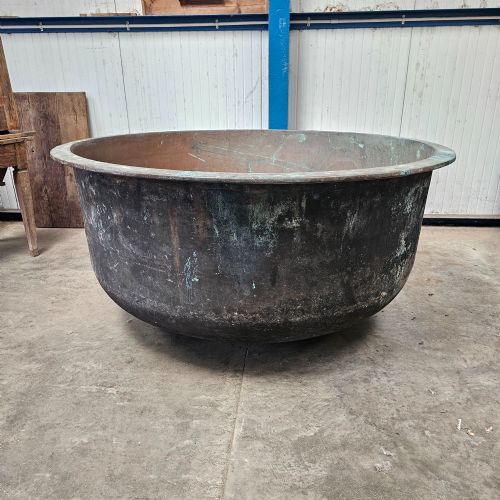
A large copper vessel encompasses a wide range of utilitarian containers designed for heavy daily tasks, from jam pans and wash tubs to coal buckets and grain measures. These objects date predominantly from the nineteenth century, including Georgian and Victorian periods, along with continental European examples such as French cheese vats and grain measures.
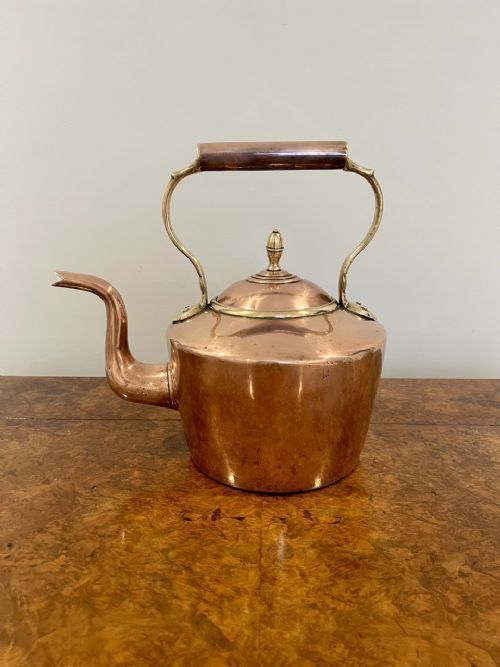
Buyers browsing this selection will most frequently encounter nineteenth-century pots, planters, log bins, and kettles shaped from sheet metal. Many of these survival pieces originate from domestic, agricultural, or industrial settings where their thermal properties and durability made them indispensable.
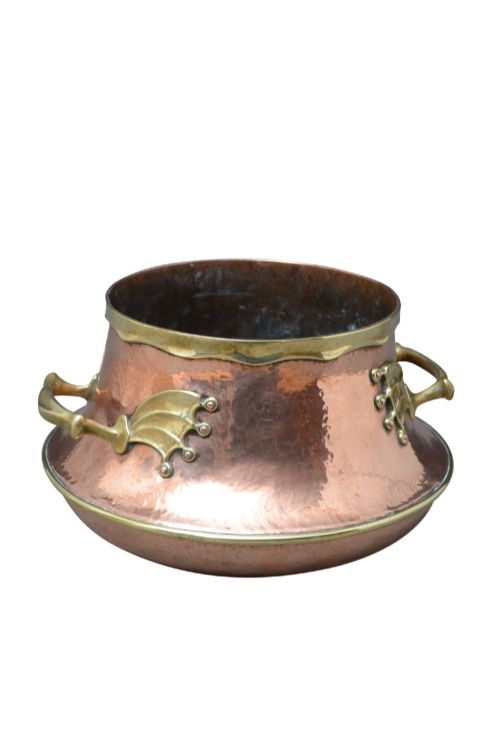
The assortment extends to specialised forms like samovars, flagons, water urns, and jardinières, sometimes featuring brass handles, iron frames, or earthenware bodies with copper effects. These diverse utilitarian items now find new life primarily as decorative focal points, planters, and fireside receptacles.
How they were made
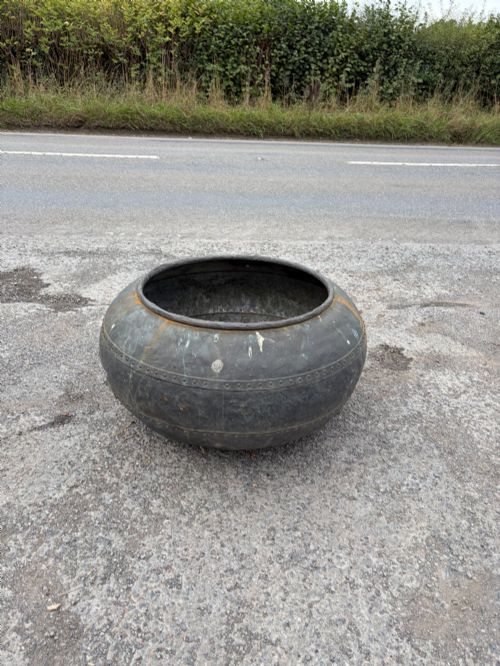
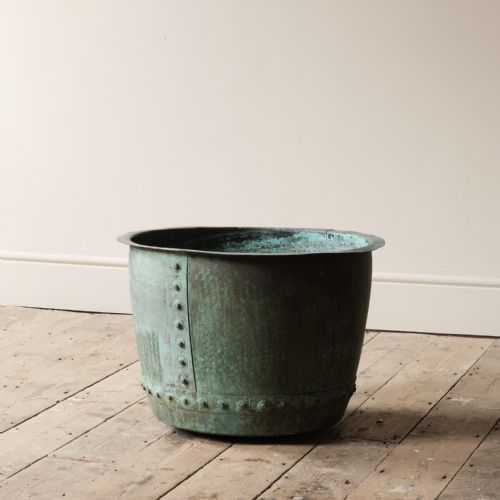
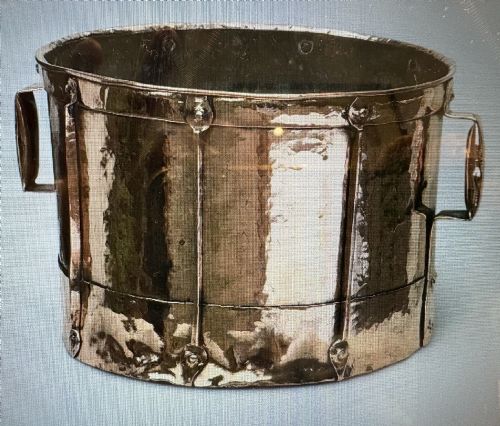
Makers constructed these items predominantly from sheet copper, often joining overlapping seams with hand-driven rivets to withstand internal pressure and heavy loads. Wrought iron and brass frequently provided structural reinforcement, forming sturdy handles, swing bails, and supporting frames.
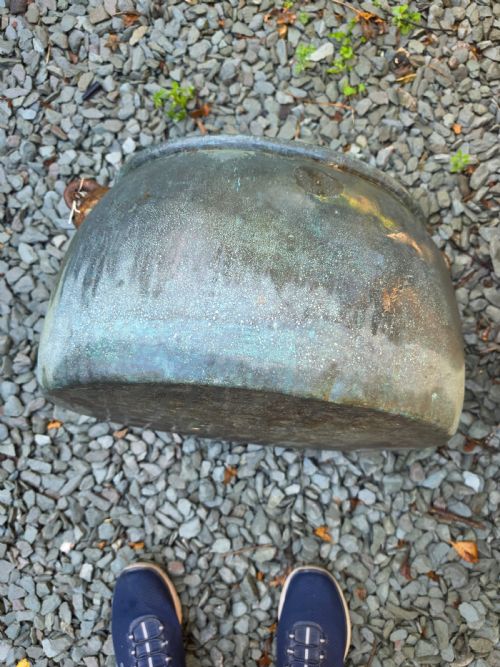
Surface treatments developed naturally through exposure or received deliberate attention, leaving behind rich patinas, verdigris finishes, and hammered textures from shaping over anvils. Artisans also utilised tin linings on culinary pans to prevent direct contact between food and the reactive copper metal.
Large Copper Vessel Retail Price Guide 2026
Typical asking prices for large copper vessel among the pieces listed under this phrase on Sellingantiques today, from the lower quarter to the upper quarter. They describe what is for sale here now, not the wider market.
Some French cheese vats crossed the channel after a working life elbow-deep in curds, now spending retirement holding logs beside English hearths.
What varies in quality
Quality rests in the weight of the metal sheet and the integrity of the construction, distinguishing robust utilitarian objects from lighter decorative items. Heavy-gauge copper and dense hand-riveting indicate a piece built for heavy work rather than display.
The character of the surface finish also determines distinction, where honest natural patinas and undisturbed verdigris outrank overly polished or stripped exteriors. Original iron furniture, intact brass handles, and maker stamps add historical weight to individual pieces.
The Large Copper Vessel Glossary
- Verdigris
- A green patina formed naturally on copper surfaces through atmospheric oxidation over long periods. This chemical layer offers protection to the underlying metal and provides visual depth.
- Riveted
- Joined together using metal pins hammered flat to secure overlapping sheets of copper. This mechanical fastening method was standard before modern welding techniques became common.
- Jardinière
- An ornamental pot or stand designed to hold growing plants or flowers. These vessels often incorporate decorative brass or copper work intended for interior display.
- Jam Pan
- A wide, shallow domestic vessel shaped for boiling fruit and sugar evenly over an open heat source. The open profile allowed rapid evaporation during preserves making.
Large Copper Vessel: Frequently Asked Questions
How were large copper vessels used originally?
These items served demanding domestic and agricultural functions, ranging from boiling laundry in wash tubs to heating water in urns and cooking preserves in jam pans.
Others held grain, milk, coal, or logs, performing heavy daily tasks where thermal conductivity and durability were essential.
Can I use an antique copper pot outdoors?
Many sturdy examples, particularly planters and garden pots, adapt well to outdoor settings where weather conditions enhance the natural verdigris surface.
Lighter culinary pans or pieces with delicate brass additions benefit from sheltered placement to preserve their structural integrity.
How do I clean a vintage copper vessel?
Gentle washing with warm soapy water removes surface dirt without disturbing the historic patina that collectors value.
Harsh chemical polishes strip away the aged character, so most owners prefer leaving the natural dark tones and green oxidation untouched.
How do I date a 19th-century copper piece?
Dating relies on observing construction details such as hand-hammered marks, handmade iron rivets, and the thickness of the rolled rim.
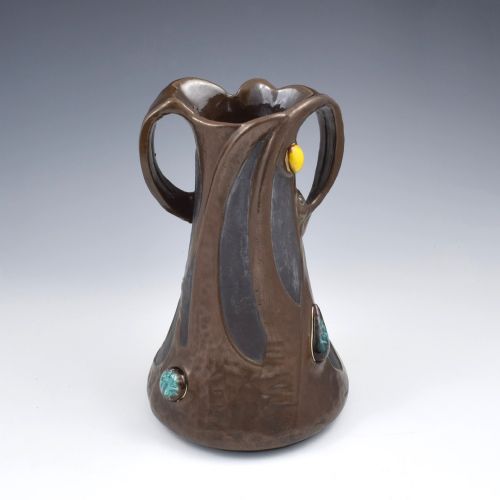
Stylistic cues like Arts and Crafts detailing or Georgian proportions also help narrow down the period of manufacture.