


Victorian Copper Planter
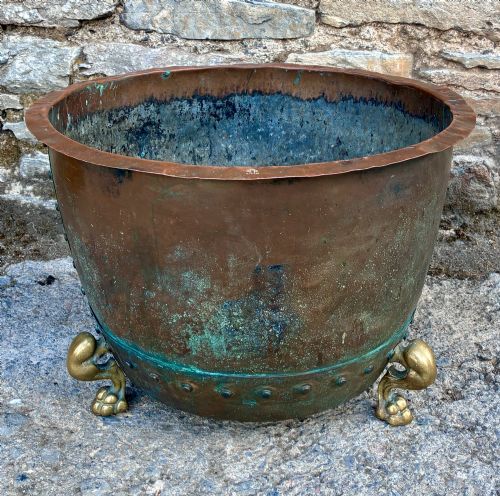
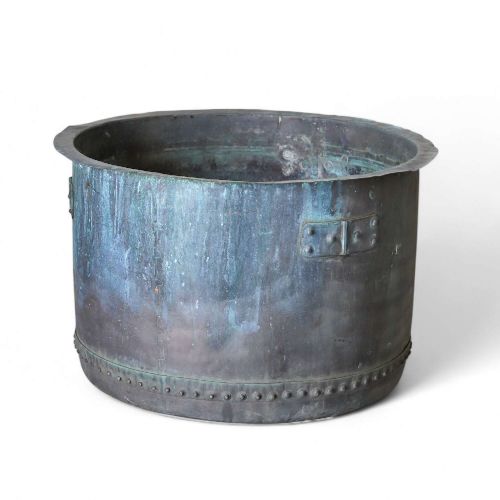
A victorian copper planter brings tactile warmth and domestic history into a room through heavy riveted metal and rich natural patina.
Victorian Copper Planter
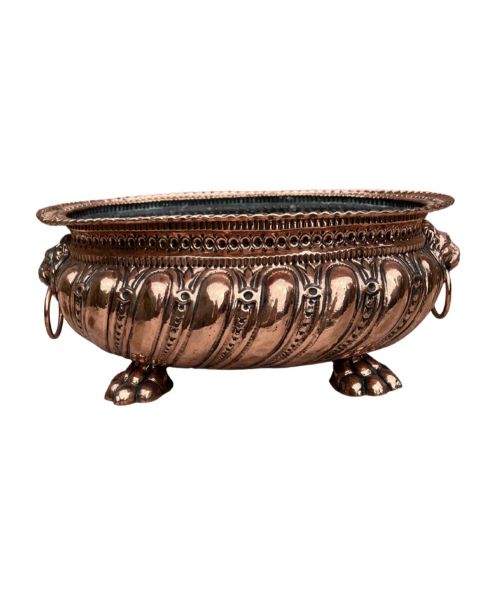
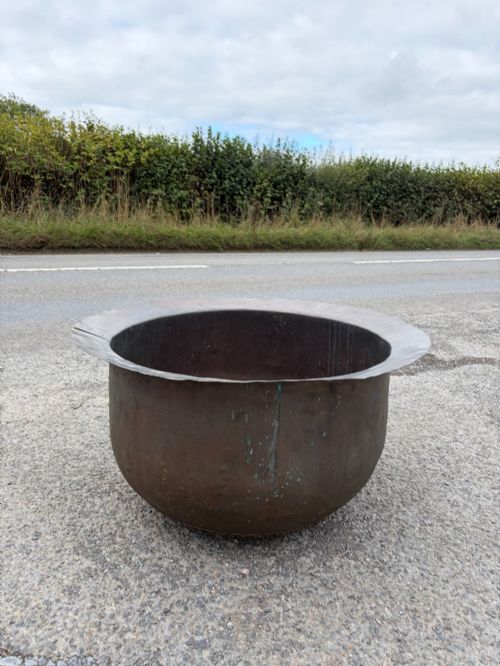
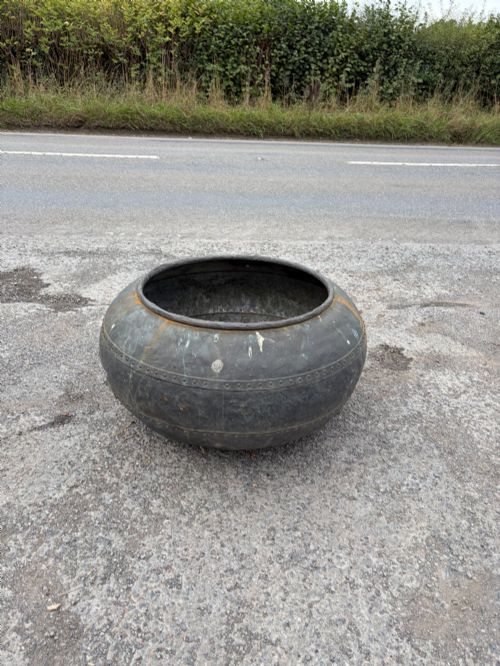
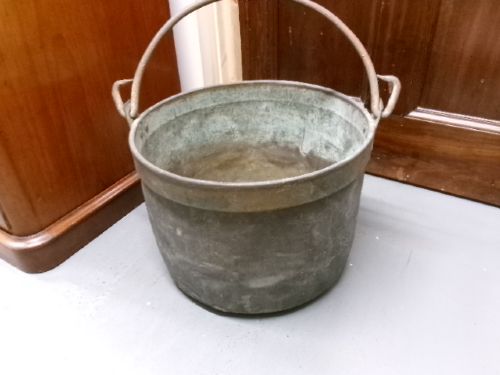
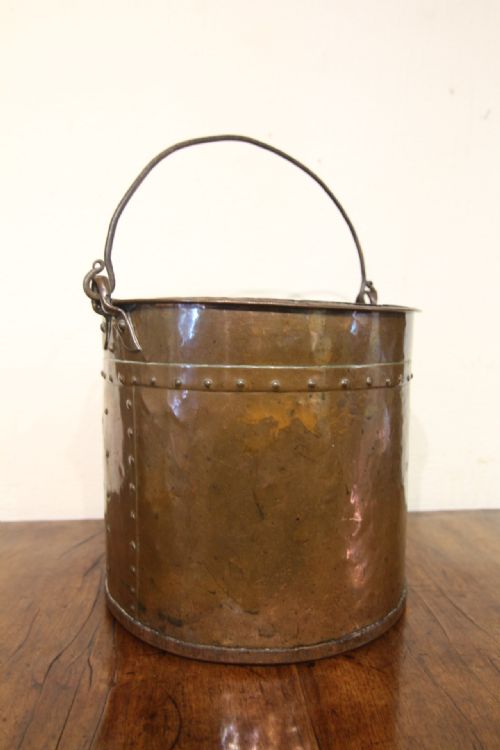
When you search for a victorian copper planter, you encounter robust vessels originally created for practical tasks such as washing, boiling, or holding coal before finding new life as decorative plant holders.
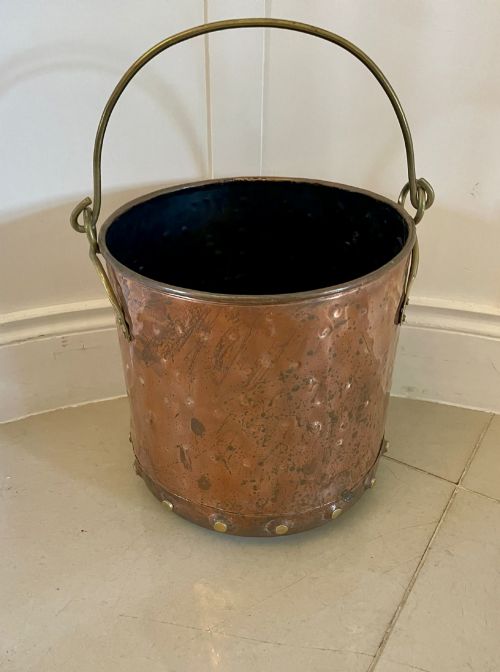
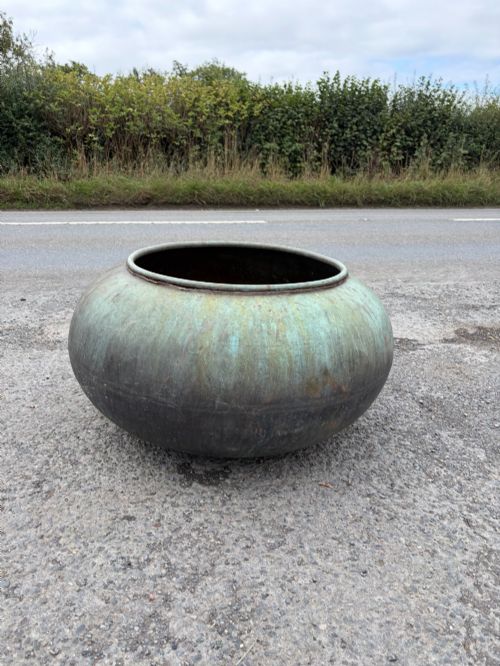
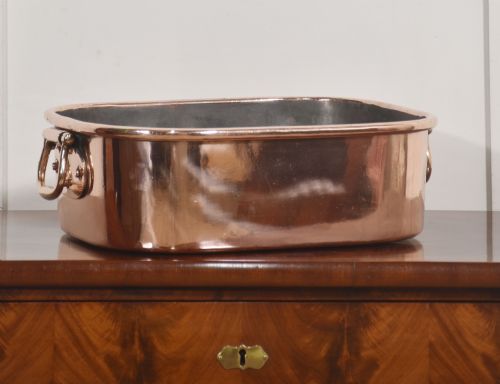
The pieces listed here span the nineteenth century and into the early twentieth century, taking the form of large pots, cauldrons, jardinières, and log buckets.
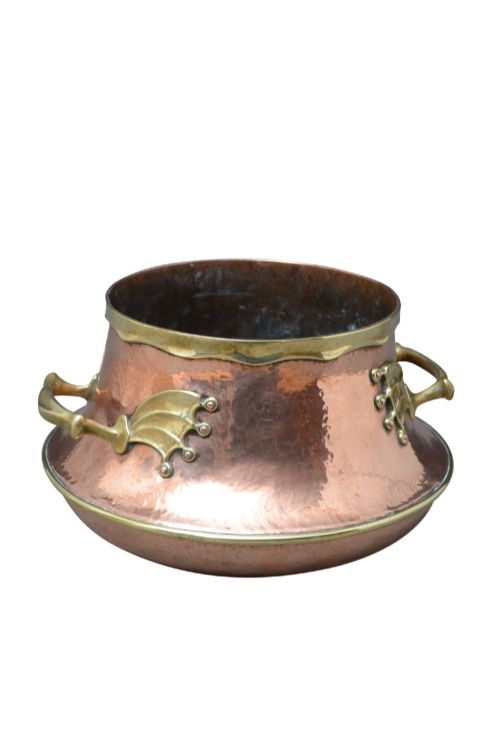
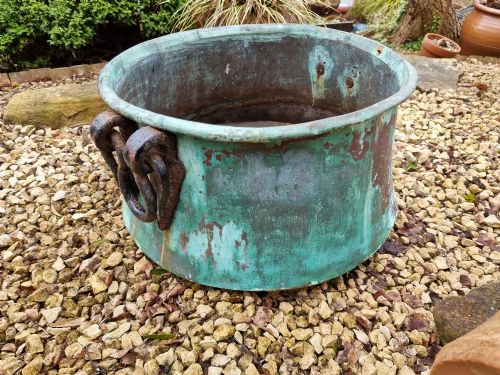
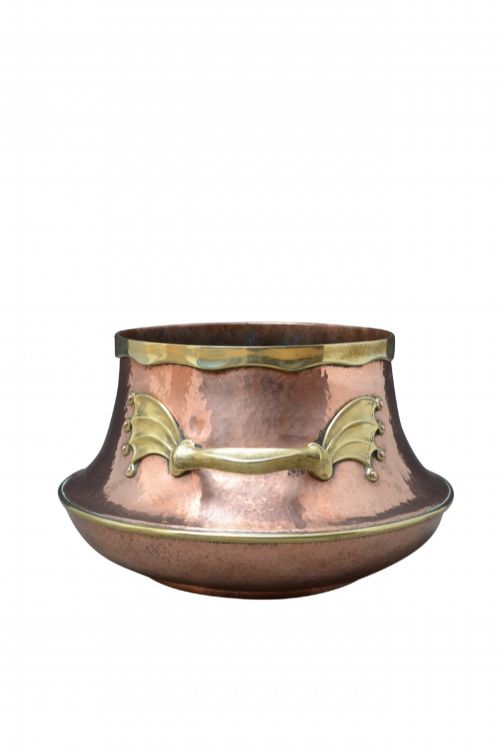
Many items combine copper bodies with contrasting brass bands, iron handles, or wrought iron supports, reflecting both utilitarian origins and the decorative tastes of the period.

Materials and Technique
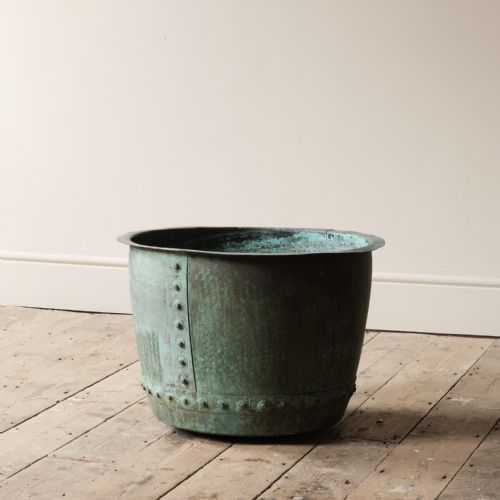
Makers constructed these heavy vessels using solid sheet copper joined with visible hand-riveting, ensuring structural strength for daily domestic service.
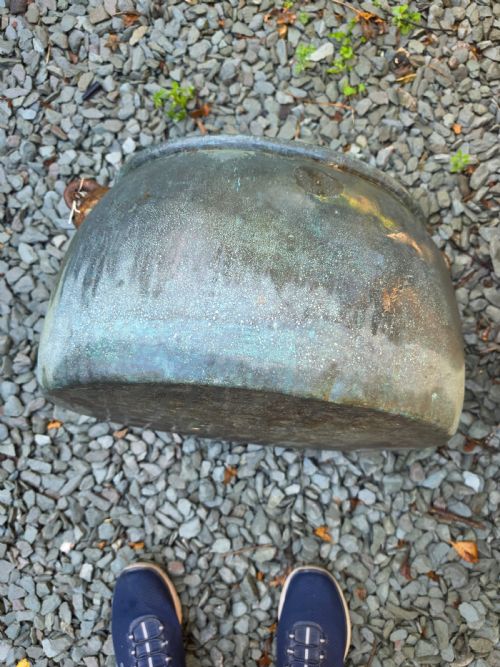
Additional decorative and functional elements incorporated brass trim, iron swing handles, and wrought iron fixings, while surface treatments often display hand-beaten textures or natural verdigris finishes.
Victorian Copper Planter Retail Price Guide 2026
Typical asking prices for victorian copper planter among the pieces listed under this phrase on Sellingantiques today, from the lower quarter to the upper quarter. They describe what is for sale here now, not the wider market.
Common forms appearing across the inventory include fish kettles, grain measures, coal scuttles, and cauldrons repurposed as planters.
Assessing Quality
The distinction between ordinary and exceptional pieces rests upon the integrity of construction, such as the regularity of hand-riveting and the thickness of the original metal sheet.
Visual appeal relies heavily on the depth of the natural patina and the presence of complementary brass or iron details rather than purely decorative modern additions.
The Victorian Copper Planter Glossary
- Patina
- The surface sheen and colour developed over decades through oxidation and handling. It forms a key indicator of age and authenticity on antique metalwork.
- Jardiniere
- An ornamental pot or stand designed to hold growing plants or flowers. These vessels often feature decorative brass mounts or hammered detailing.
- Verdigris
- A green layer or crust formed on copper through natural weathering and oxidation. This chemical change contributes an aged aesthetic highly valued by collectors.
- Cauldron
- A large round pot with a swing handle, traditionally used over an open fire. In modern interiors, these sturdy vessels frequently serve as log bins or plant holders.
Victorian Copper Planter: Frequently Asked Questions
How were these metal vessels originally used?
Many of these pieces began life as utilitarian items for carrying coal, heating water, or cooking in nineteenth-century households.
Over time, their robust construction and appealing metallic surfaces led to their adoption as decorative containers for plants and logs.
Can I use an antique copper pot outdoors?
While copper naturally withstands the elements and develops verdigris when exposed to moisture, antique vessels with historical patina are generally better suited for indoor display.
If placed outside, prolonged dampness may accelerate metal corrosion and alter the original surface finish.
What is the difference between a jardiniere and a log bin?
A jardiniere is primarily an ornamental container designed specifically to house potted plants and flowers within a domestic interior.
In contrast, a log bin or coal bucket is built with heavier gauge metal and stronger handles to withstand the physical weight of firewood.
How do I clean antique copper safely?
Most collectors prefer to preserve the aged surface and natural patina rather than polishing the metal to a bright shine.
Gentle dusting with a dry cloth is usually sufficient to maintain the appearance without removing the historical character.