



Repousse Copper Vessel
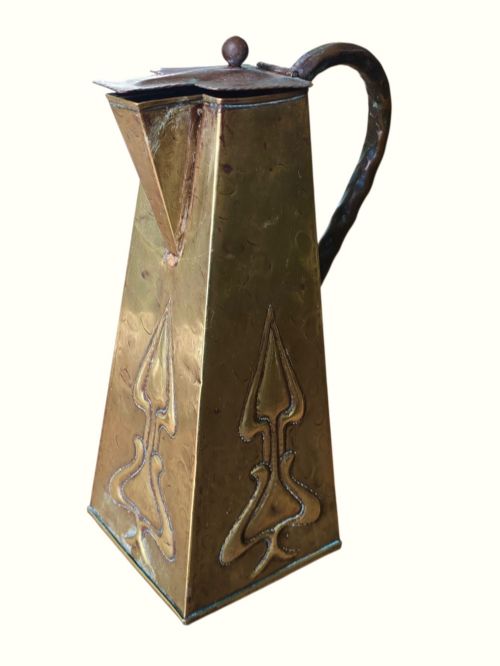
A repousse copper vessel brings tactile metalwork into a room, offering rich surface texture shaped by hand.

Repousse Copper Vessel
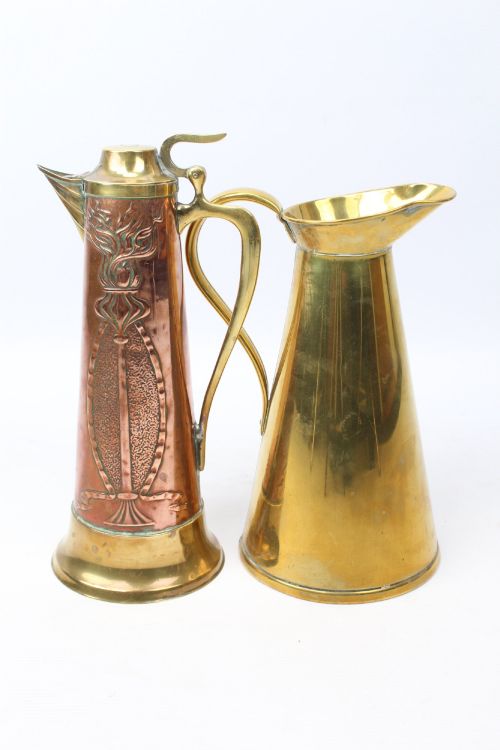
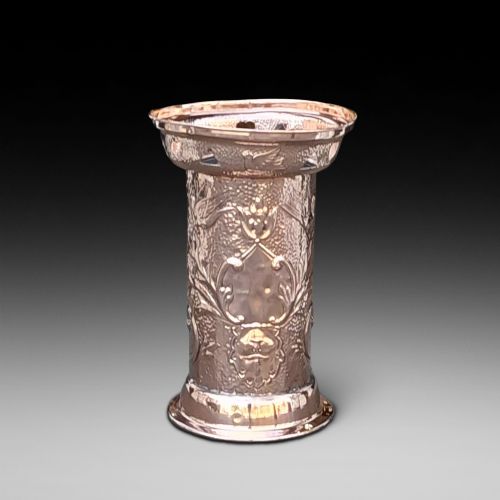
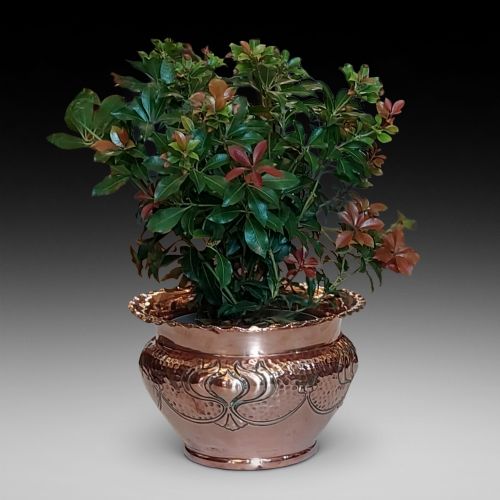
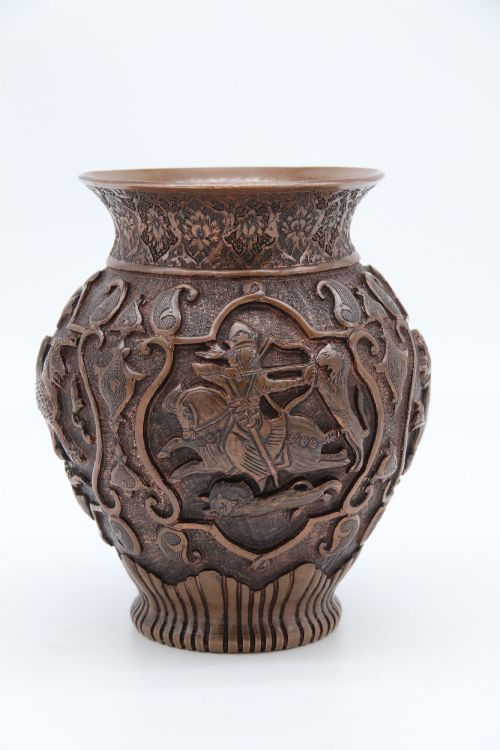
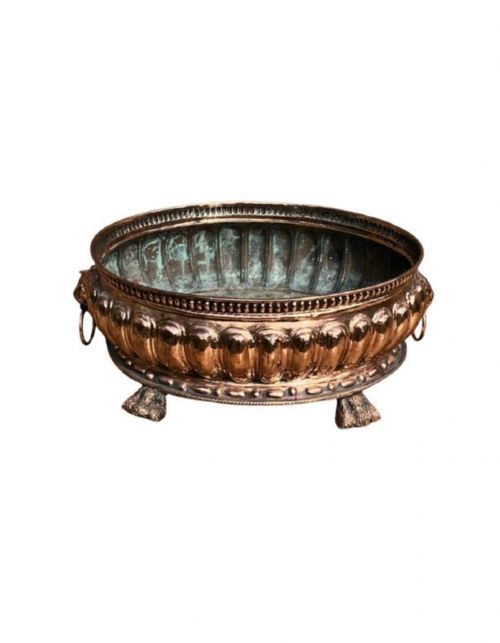
A repousse copper vessel takes the form of vases, pitchers, wine cisterns, and jardinieres. These pieces emerge from periods spanning the eighteenth century, the nineteenth century, and nineteen hundred.
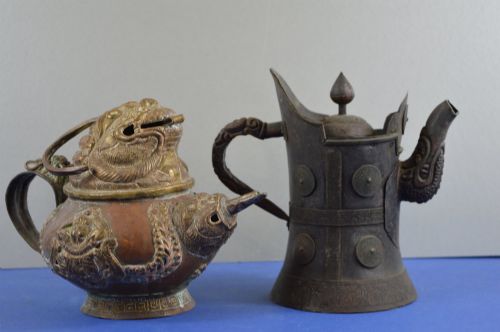
Makers working in the Arts and Crafts, Art Nouveau, Victorian, and Anglo-Indian styles produce these items. Italian eighteenth-century pieces also appear alongside British and Indian examples.
The buyer most frequently encounters jardinieres and vases on this page. These functional and decorative containers display hammered relief work across their bodies.
Materials and construction
Solid copper forms the primary material for these vessels, occasionally accompanied by brass elements. Artisans shape the metal manually to create holloware containers.
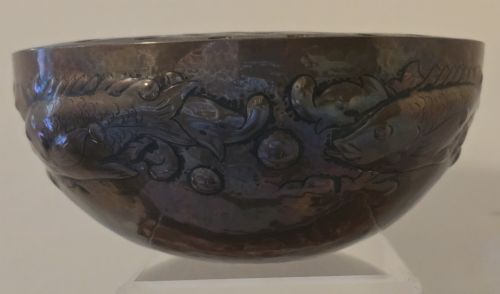
The repousse technique involves hammering the copper sheet from the reverse side to raise decorative motifs in relief. This process requires precise control over the weight and force of each strike.
Repousse Copper Vessel Retail Price Guide 2026
Typical asking prices for repousse copper vessel among the pieces listed under this phrase on Sellingantiques today, from the lower quarter to the upper quarter. They describe what is for sale here now, not the wider market.
Joseph Sankey once hammered ordinary sheet copper into three graduated jugs, proving that even kitchen metalwork harbours artistic ambition.
Assessing quality and execution
Quality rests in the depth and clarity of the hammered relief work across the copper surface. Stronger examples display crisp, intentional detailing rather than shallow or blurred indentations.
The harmony of proportion between the vessel body and its decorative motifs defines the upper tier of pieces. Proportion and confident handling distinguish skilled workshops from simpler production.
Joseph Sankey
The Repousse Copper Vessel Glossary
- Repoussé
- A metalworking technique where the artisan hammers metal from the reverse side to form a raised design on the front. This method creates tactile depth on vessels and plaques.
- Jardiniere
- An ornamental pot or stand designed to hold growing plants or flowers. These large vessels often feature decorative surface work to sit as focal points in rooms.
- Wine cistern
- A large vessel historically used for cooling wine bottles or washing glasses at the dining table. Eighteenth-century Italian examples demonstrate this formal use.
- Arts and Crafts
- A design movement valuing handcraftsmanship, traditional materials, and simple forms over mass production. Objects from this period emphasise the visible mark of the maker.
- Art Nouveau
- A style characterised by fluid, organic lines and plant motifs popular around nineteen hundred. This movement influenced the sinuous curves seen on metal jugs and vases.
Repousse Copper Vessel: Frequently Asked Questions
What is a repousse copper vessel?
A repousse copper vessel is a container made from sheet copper decorated with raised patterns hammered from the inside. These items include vases, jardinieres, pitchers, and wine cisterns.
Craftsmen across different eras utilise this technique to add texture and sculptural interest to utilitarian metal objects.
How were these vessels used historically?
These items served practical functions in domestic and formal settings as planters, liquid containers, or cooling basins. Jardinieres held indoor plants, while wine cisterns managed bottles during dining.
Over time, their decorative qualities became equally important to their utility within homes.
How do I date a copper vessel?
Dating relies on observing stylistic markers, manufacturing techniques, and material properties associated with specific periods. Eighteenth-century pieces differ significantly in form from nineteenth-century or Arts and Crafts examples.
Comparing the decorative vocabulary helps place an item within its historical context.
How should I care for antique copper?
Antique copper requires gentle dusting and protection from moisture to preserve its finish. Avoid harsh abrasive cleaners that strip away patination accumulated over centuries.
Allowing the metal to retain its natural ageing shows the true character of the material.