




Antique Copper Jardiniere
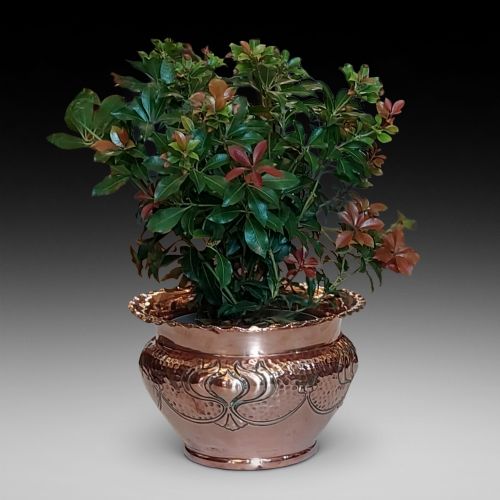
An antique copper jardiniere brings warmth and texture to a room, holding plants or standing alone as a striking decorative vessel.

Antique Copper Jardiniere
An antique copper jardiniere is a plant holder or decorative vessel designed for interior display. These pieces span several centuries and styles, including Georgian, Victorian, Arts and Crafts, and Art Nouveau periods.
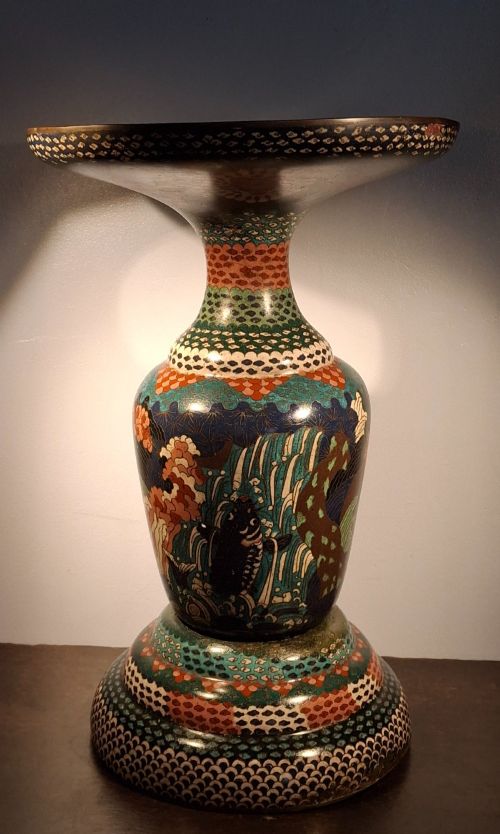
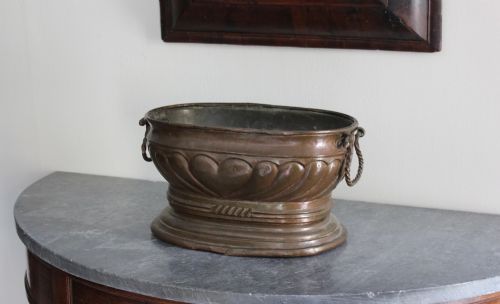
The selection includes freestanding pots, items on stands, and specialised forms such as wine coolers and log bins. Origin references encompass English, Indian, Japanese, and Persian examples.
Most pieces date from the nineteenth and twentieth centuries, alongside earlier eighteenth-century forms. Buyers encounter various shapes, from standard pots to distinctive Gladstone bag designs and windowsill planters.
Materials and construction
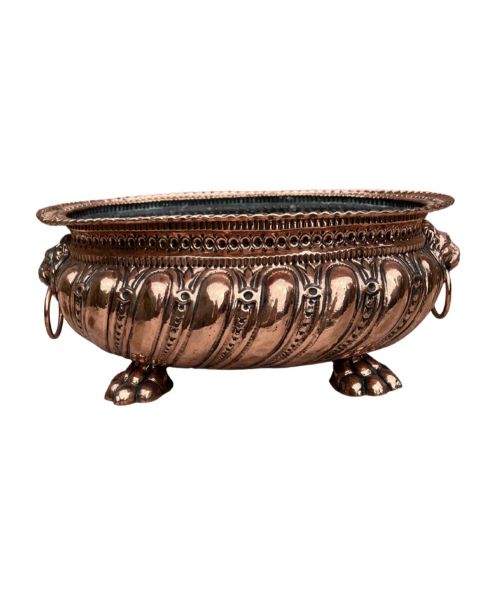
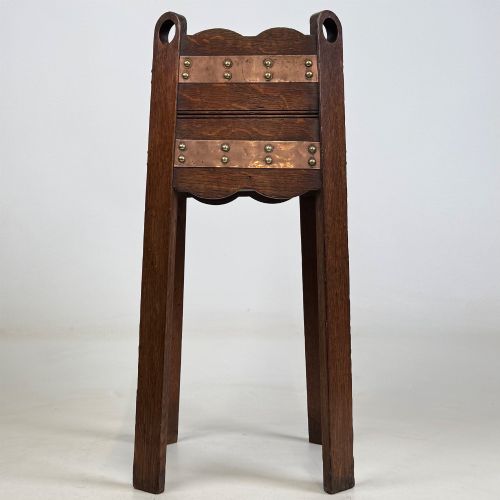
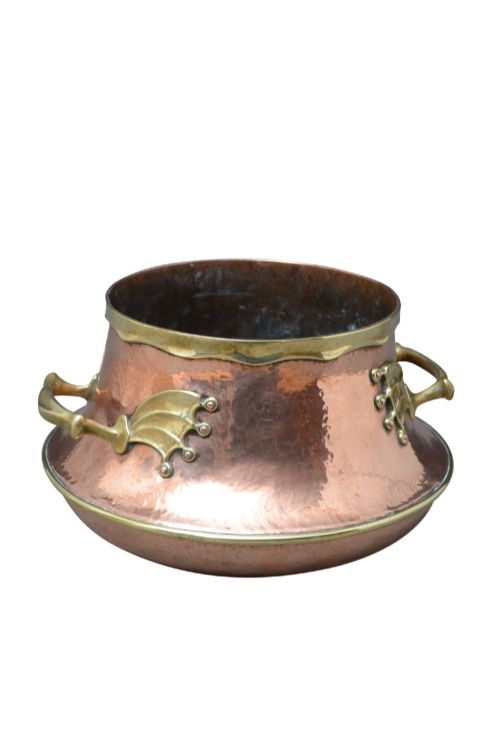
Makers shaped these vessels primarily from copper, often combining it with brass for feet, handles, or decorative banding. Other associated materials include wrought iron stands and tin linings.
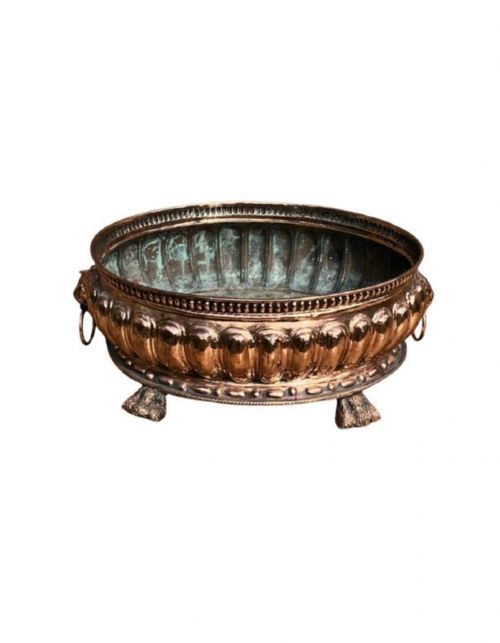
Construction techniques involve hand-beating, joining, and mounting metal components onto bases or feet. Distinctive ornamentation ranges from brass lion feet to intricate surface decoration seen in Japanese and Persian pieces.
Antique Copper Jardiniere Retail Price Guide 2026
Typical asking prices for copper jardiniere among the pieces listed under this phrase on Sellingantiques today, from the lower quarter to the upper quarter. They describe what is for sale here now, not the wider market.
The listings feature copper alongside brass, tin, and wrought iron across eighteenth, nineteenth, and twentieth-century periods.
Assessing quality
Quality rests in the weight of the metal and the integrity of the construction. Heavier gauge copper and robust secondary elements like brass feet or iron stands separate substantial vessels from lighter items.
Artistic execution dictates distinction, particularly in stylistic details characteristic of Arts and Crafts or Art Nouveau movements. The harmony between the primary copper body and applied decorative mounts determines the visual success of the piece.
Henry Loveridge
The Antique Copper Jardiniere Glossary
- Jardiniere
- An ornamental pot or stand for holding flowers or plants. These vessels sit on tables, floors, or windowsills.
- Arts and Crafts
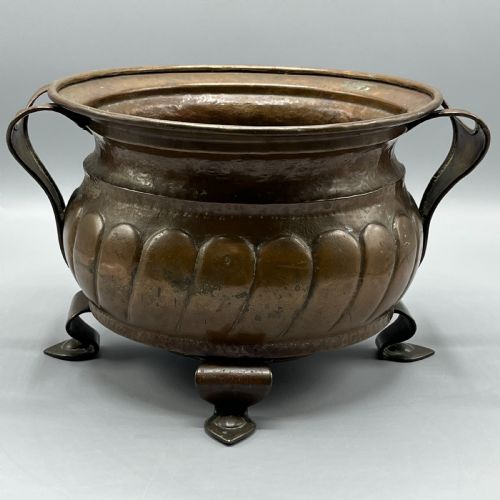
- A design movement emphasising handcraftsmanship and simple forms. Pieces from this tradition often display honest construction and hammered surfaces.
- Art Nouveau
- A style characterised by flowing, organic lines and floral motifs. Items from this period favour sinuous curves and naturalistic ornamentation.
- Wine Cooler
- A vessel designed to chill bottles, frequently adapted or overlapping in form with large planters. These pieces often feature sturdy metal construction.
Antique Copper Jardiniere: Frequently Asked Questions
What is an antique copper jardiniere?
An antique copper jardiniere is a decorative plant pot made of copper, designed for indoor display. These vessels hold potted plants or function as standalone decorative objects.
They appear in various historical styles, including Georgian, Victorian, Arts and Crafts, and Art Nouveau.
How were these planters used?
These vessels primarily held growing plants inside homes, protecting surfaces with their metal construction. Some forms also doubled as wine coolers, log bins, or decorative dishes.
Their substantial construction allowed them to sit on floors, tables, or windowsills depending on their size.
What materials are used?
The primary material is copper, often paired with brass for feet, handles, or decorative bands. Wrought iron and tin also appear in stands and internal elements.
Designers sometimes combined copper with brass in Japanese and Persian vessels.
How do I identify the period?
Period identification relies on stylistic indicators such as the flowing lines of Art Nouveau or the hand-hammered surfaces of Arts and Crafts. Earlier eighteenth-century pieces display different proportions compared to Victorian or twentieth-century examples.
Associated materials like wrought iron stands and specific maker marks also help date a piece.