




Arts and Crafts Planter
An arts and crafts planter brings hand-wrought metal and solid timber into domestic interiors to hold potted plants or logs.
Arts and Crafts Planter
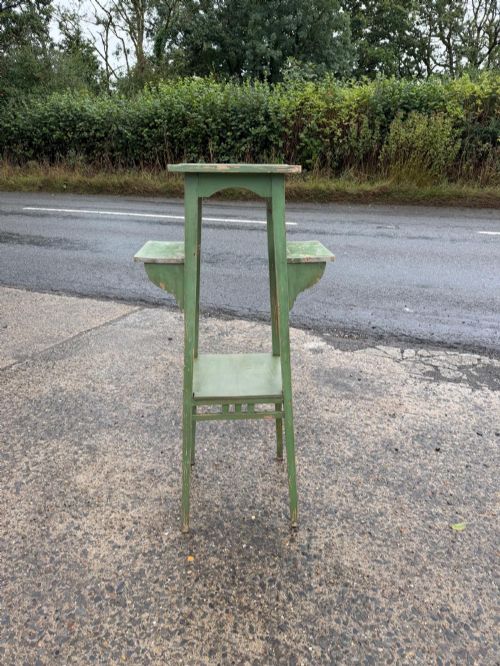
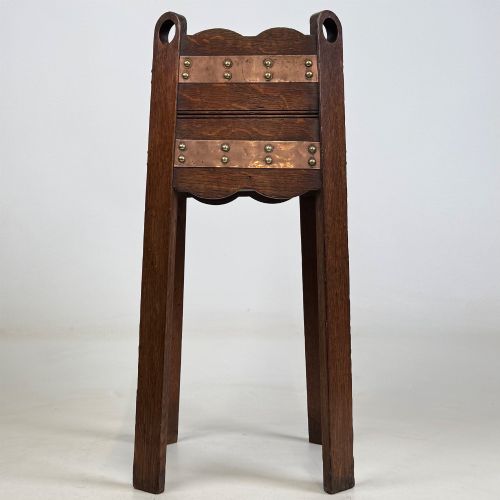
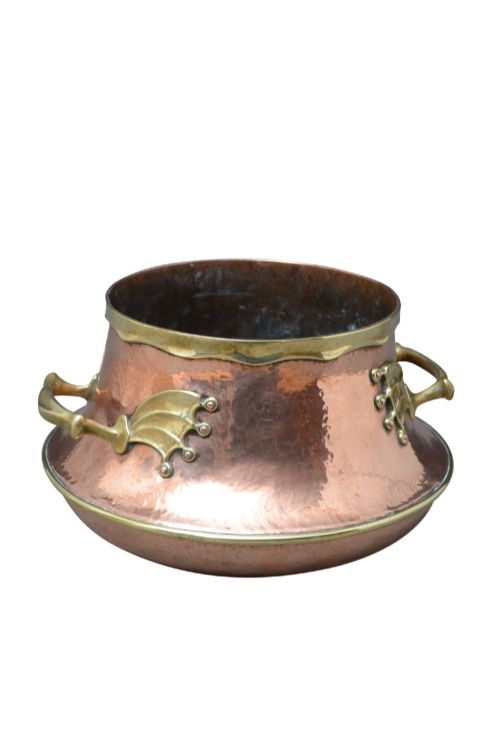
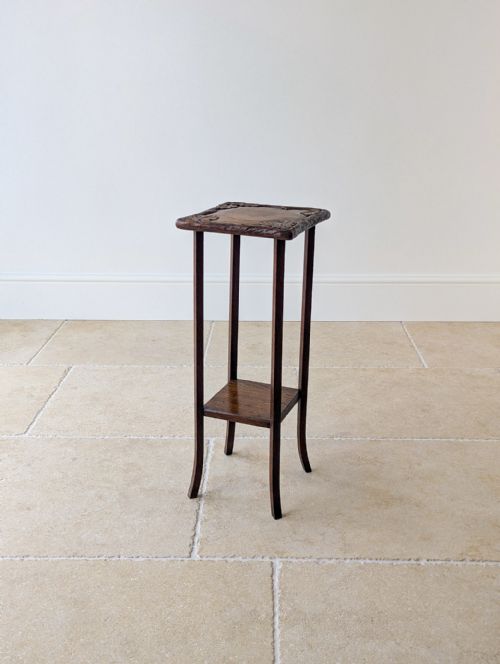
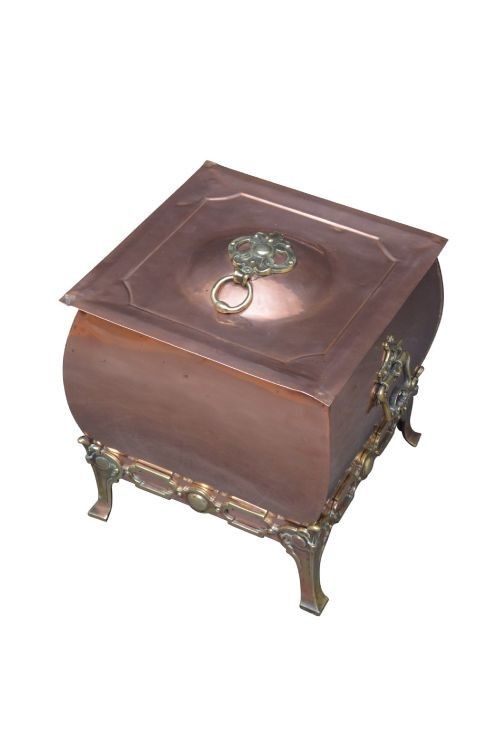
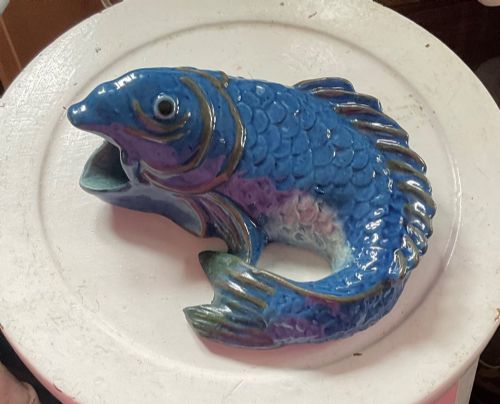
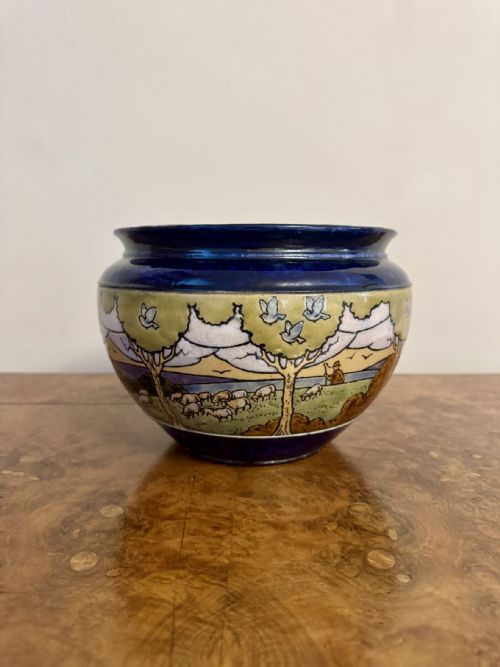
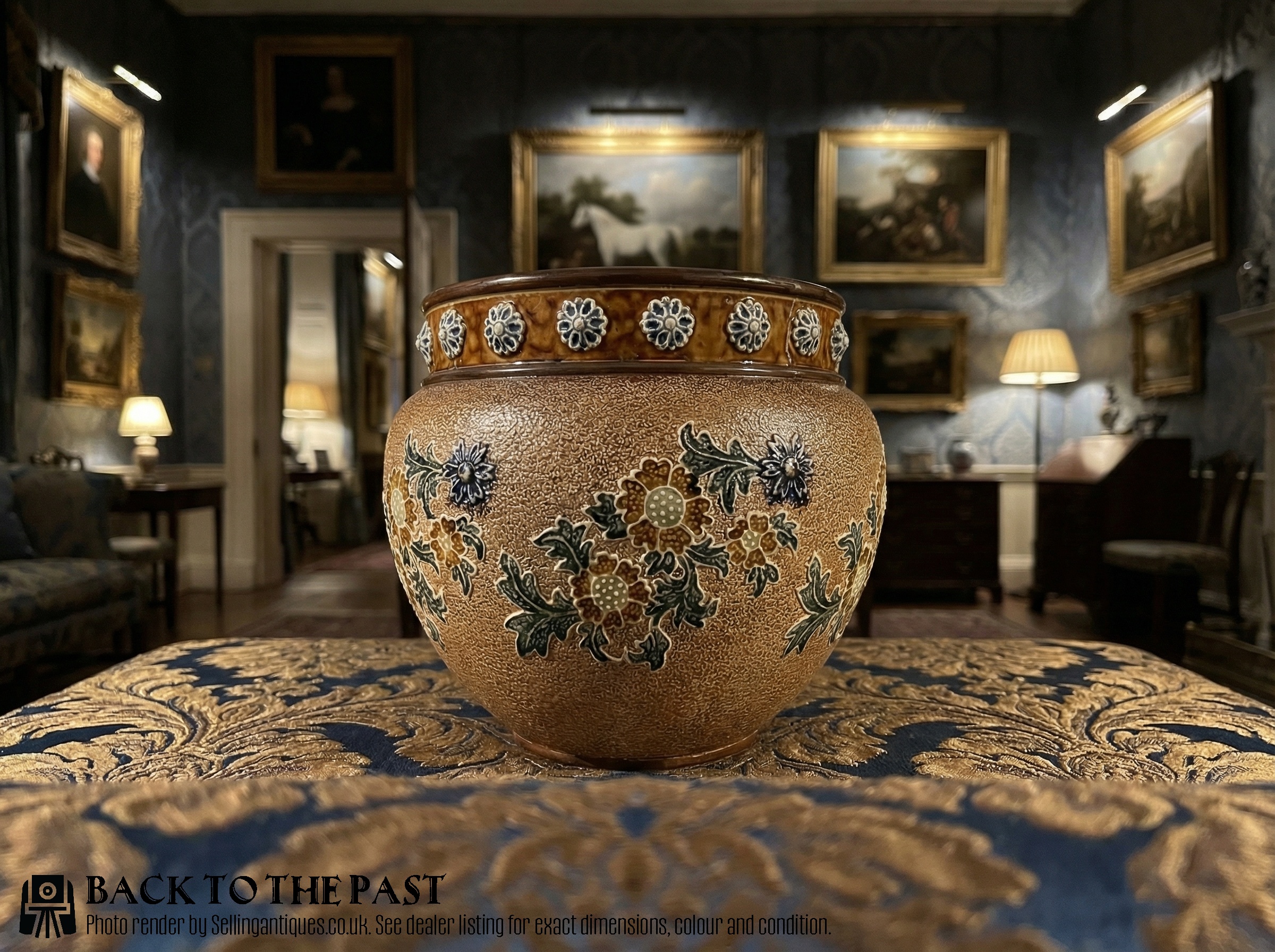
When searching for an arts and crafts planter, buyers encounter vessels primarily designed as jardiniere pots, coal bins, log buckets, and plant stands. The most common examples met here take the form of heavy copper or brass jardiniere vessels and oak plant stands dating from the late nineteenth century through to the Edwardian period.
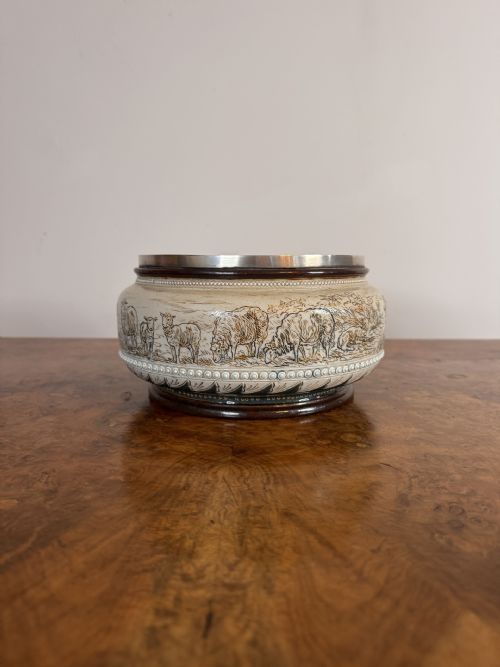
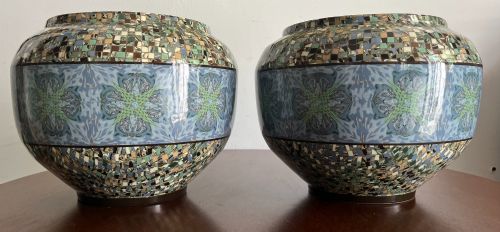
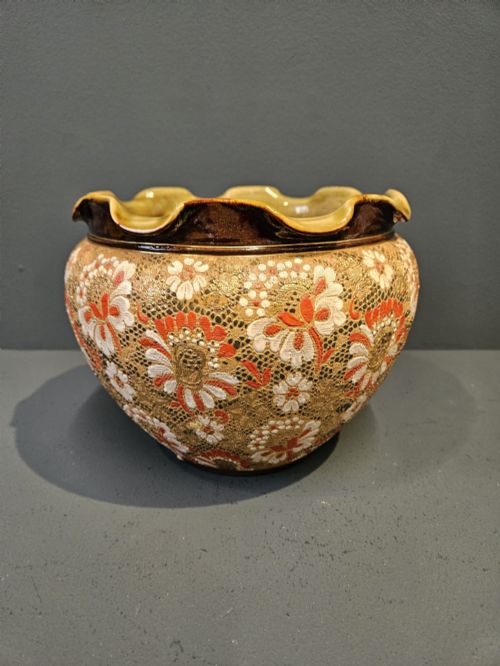
The selection encompasses pieces spanning the Victorian era to the 1930s, reflecting the movement's persistence well past its initial decade. Alongside metal vessels, the forms include ceramic and stoneware pots from notable potteries, as well as combinations of wrought iron and timber.
How They Were Made
Metal vessels rely heavily on sheet copper and brass, often shaped by hand hammering to create textured, light-catching surfaces that display individual tool marks. Artisans combined these metals with wrought iron handles, scrollwork, and occasionally inset ceramic cabochons.
Wooden forms utilise solid oak, sometimes arranged in two tiers or bound with brass bands to secure the staves. Ceramic examples employ glazed earthenware, terracotta, and stoneware bodies produced at established kilns and potteries.
Arts and Crafts Planter Retail Price Guide 2026
Typical asking prices for arts and crafts planter among the pieces listed under this phrase on Sellingantiques today, from the lower quarter to the upper quarter. They describe what is for sale here now, not the wider market.
Some versatile metal vessels spent part of their working lives holding coal by the hearth before retiring to a quiet corner as fern pots.
What Varies in Quality
Quality rests upon the weight of the metal gauge used in copper and brass bodies, alongside the crispness of the hand-beaten surface work and riveting. Superior metalwork displays deliberate control in the hammering rather than uniform machine stamping.
In ceramic and wooden versions, distinction lies in the depth of the glaze, the complexity of modelled decorative motifs such as lion mask handles, and the integrity of the joinery in plant stands and bound timber buckets.
Henry Loveridge·Doulton Lambeth·Royal Doulton·Lauder Pottery Barnstaple·Doulton Burslem·Ethel Beard·Compton Pottery·Macintyre And Co·William Moorcroft·Liberty And Co·Linthorpe Pottery·Christopher Dresser·Shapland And Petter
The Arts and Crafts Planter Glossary
- Jardiniere
- An ornamental ceramic or metal pot designed to hold a live plant indoors. It differs from a standard flowerpot by usually lacking drainage holes, requiring an internal liner.
- Cabochon
- A polished, convex gemstone or ceramic piece lacking facets, frequently set flush into metalwork as a decorative accent. These elements add focal points of colour to copper bowls and stands.
- Stoneware
- A robust, vitrified ceramic fired at high temperatures until non-porous. It provides a durable body for glazed garden and indoor vessels.
- Wrought iron
- Iron heated and hammered into shape by hand, yielding tactile scrollwork and structural supports. It provides strong contrast to polished copper and brass.
- Log bin
- A deep container used for holding firewood beside a hearth, often repurposed from heavy metal coal buckets. Their robust capacity makes them suitable for large house plants.
Arts and Crafts Planter: Frequently Asked Questions
Can I plant directly into an antique metal jardiniere?
Direct planting risks moisture retention against the base, which can accelerate corrosion or damage the interior metal surface over time. Using a separate plastic pot or saucer inside the vessel protects the antique material.
Most period metal pots were manufactured without drainage holes to protect interior surfaces. Placing a smaller potted plant inside allows for easy watering and removal.
How do I clean copper and brass planters?
Gentle dusting with a soft cloth removes everyday debris without disturbing the patination accumulated over decades. Aggressive polishes strip away the aged surface that collectors value.
Applying mild soapy water on a damp cloth addresses heavier grime before drying thoroughly. Avoid chemical agents that leave an unnatural shine on beaten metal.
What is the difference between a jardiniere and a log bin?
Jardiniere vessels generally feature decorative handles, riveted seams, and refined surface hammering intended for display in living spaces. Log bins utilise heavier gauges of metal or bound oak to withstand the weight of timber.
Many metal containers served dual purposes depending on domestic needs and seasonal changes. A heavy copper bucket functioned equally well for coal, logs, or large ferns.
How can I date an arts and crafts plant stand?
Dating relies upon examining construction methods, timber selection, and metal fittings such as hinges or bracket attachments. Pieces from the late nineteenth century often display distinct hand-tool marks and patination.
Edwardian and later iterations tend towards lighter framing and simpler geometric forms. Comparing the design characteristics to known period catalogues helps narrow the decade of production.