

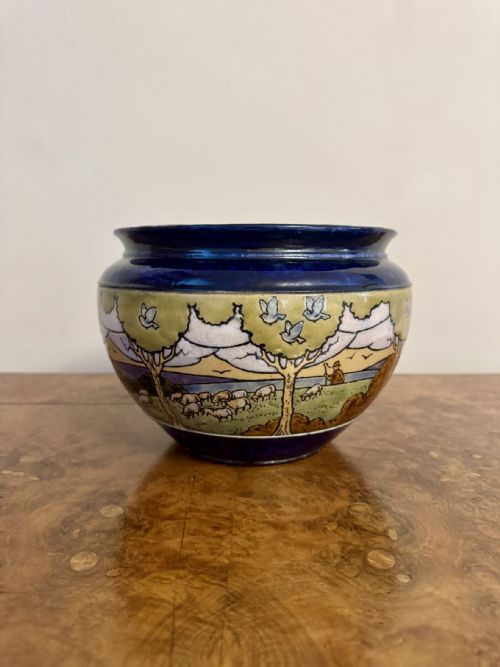


Stoneware Plant Pot
A stoneware plant pot brings dense, durable earth and rich historic glaze to any room, offering a sturdy home for greenery.
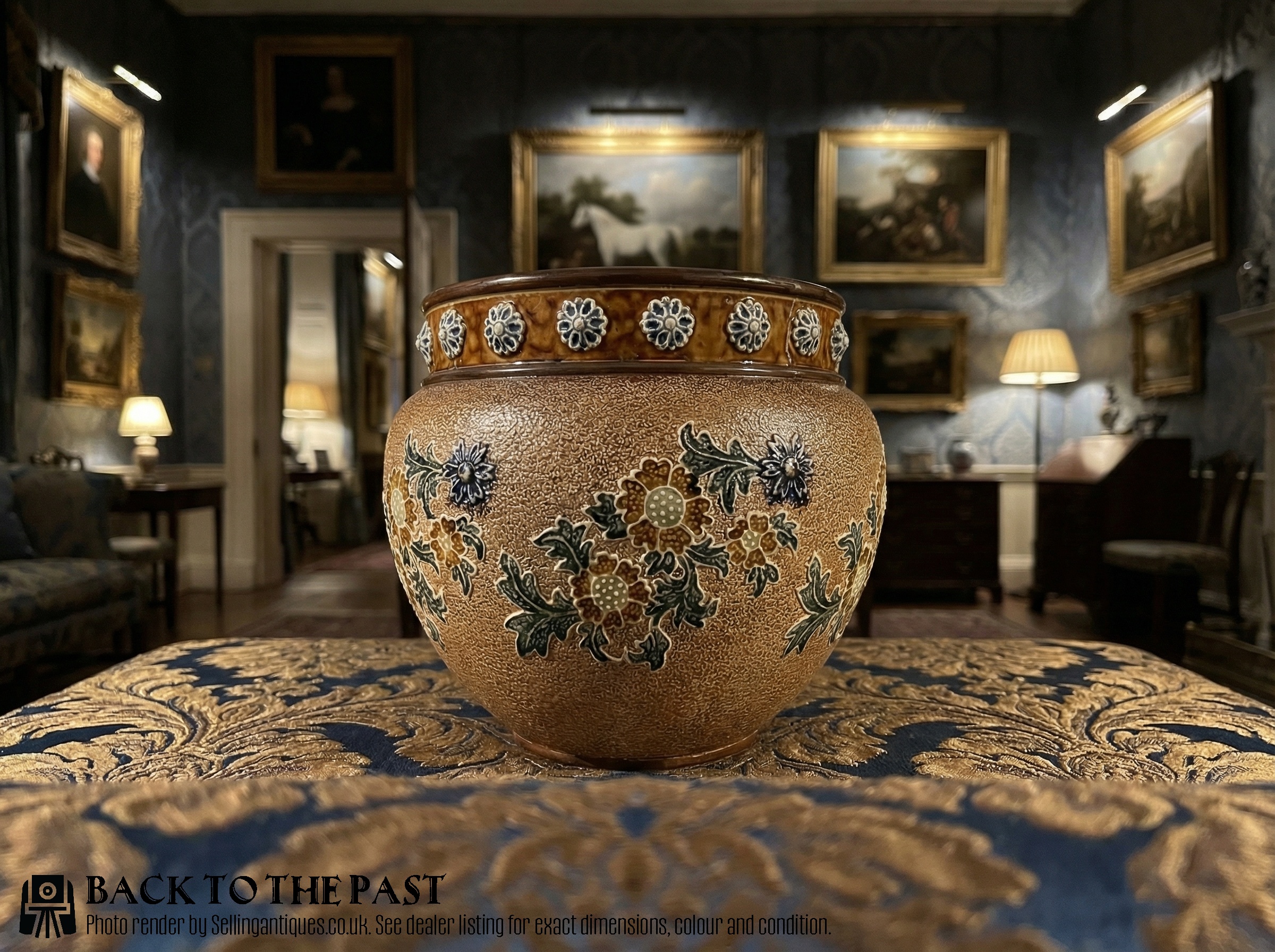
Stoneware Plant Pot
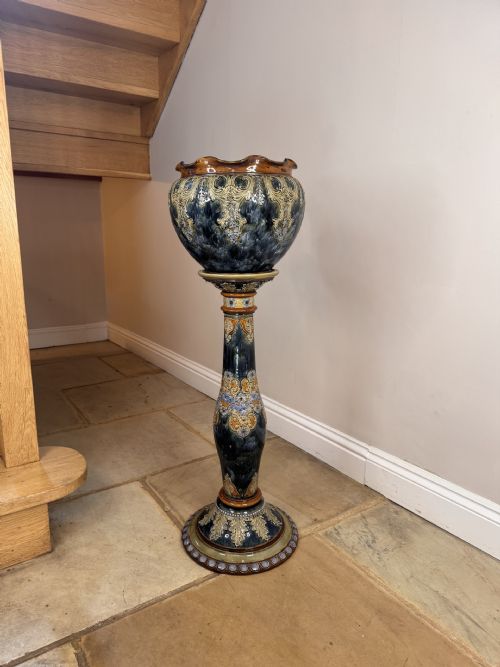
When you search for a stoneware plant pot, you uncover robust vessels designed to hold greenery, encompassing forms like jardinieres, cachepots, bonsai planters, and garden urns. These pieces span from the nineteenth century into the early twentieth century, taking shape during the Victorian, Arts and Crafts, and Meiji periods.
The most common examples you meet on this page are heavy jardinieres and cachepots originating from English potteries, alongside occasional continental and Japanese works. Makers such as Doulton Lambeth, Royal Doulton, William Adams and Sons, Enoch Wood and Sons, and Makuzu Kozan II shape the selection available to collectors.
Materials and construction
Potters shape these vessels from dense clay, firing the body at high temperatures until it vitrifies into impermeable stoneware. Many pieces receive salt glazing or enamel treatments to seal the surface and provide a glossy or textured exterior.
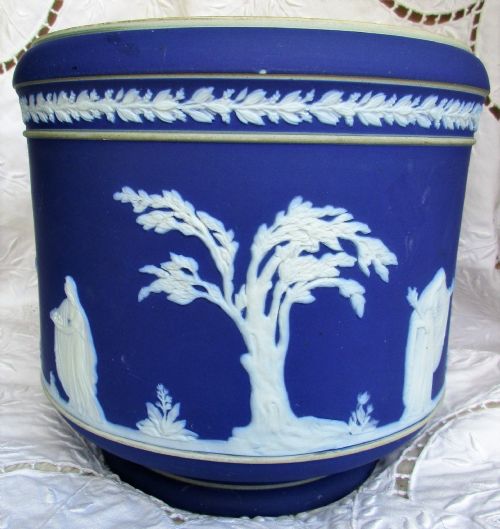
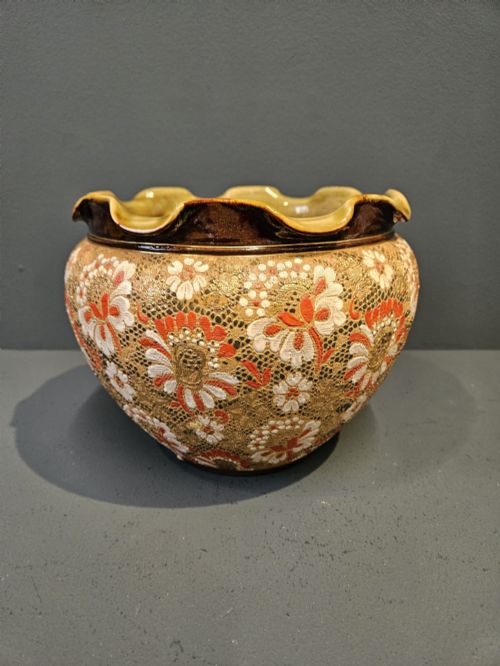
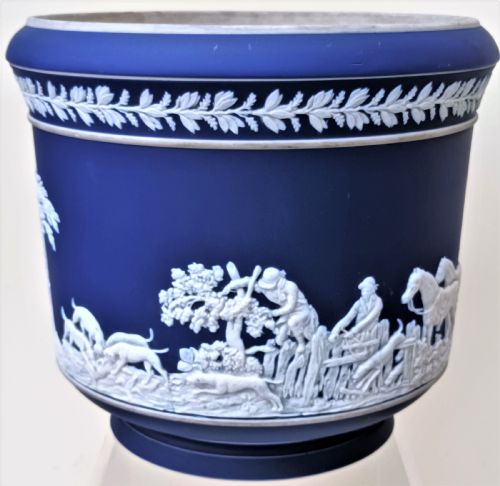
Makers decorate these pots using various techniques, including applied jasperware reliefs, intricate incised patterns characteristic of Slaterware, and hand-painted floral or geometric motifs. These methods produce robust surfaces capable of withstanding moisture and daily handling.
Stoneware Plant Pot Retail Price Guide 2026
Typical asking prices for stoneware plant pot among the pieces listed under this phrase on Sellingantiques today, from the lower quarter to the upper quarter. They describe what is for sale here now, not the wider market.
Listings feature stoneware plant pots across nineteenth and early twentieth century periods, spanning Victorian, Arts & Crafts, and Meiji styles.
Evaluating craftsmanship and detail
The distinction between standard utility vessels and superior studio works rests in the crispness of the modelling and the depth of the glaze. Pieces bearing clear maker marks and named artists demonstrate higher ambition in design and execution.
Form and decorative complexity also separate basic pots from exceptional examples, particularly where specialised styles like Arts and Crafts or Aesthetic Movement influences appear. Balance in proportion and precision in applied relief work mark the upper tier of production.
Doulton Lambeth·Royal Doulton·William Adams and Sons·Enoch Wood and Sons·Makuzu Kozan II
The Stoneware Plant Pot Glossary
- Stoneware
- A robust ceramic pottery fired at high temperatures until the clay body vitrifies and becomes impermeable to liquids. This dense material forms the durable foundation for heavy garden urns and indoor jardinieres.
- Jardiniere
- A large ornamental pot or stand designed to hold growing plants or flowers. These vessels often sit on floors or heavy tables rather than small windowsills.
- Cachepot
- A decorative flowerpot cover designed to hide a plain inner plant pot and catch drainage water. They provide a finished display without requiring planting directly into the decorative vessel.
- Jasperware
- A type of fine stoneware developed with a matte surface, typically featuring contrasting applied white relief figures against a coloured ground. William Adams and Sons famously produced notable examples in this medium.
- Slaterware
- A ceramic technique imitating the rough texture of woven lace or fabrics pressed into the damp clay body before firing. Doulton Lambeth frequently utilised this method for textured decorative plant pots.
Stoneware Plant Pot: Frequently Asked Questions
What is a jardiniere?
A jardiniere is an ornamental container designed to hold potted plants, functioning primarily as a decorative vessel for interior or garden display.
Unlike standard flowerpots with drainage holes in the base, these pieces frequently serve as cachepots to catch water or house plants directly within a protective outer shell.
How do I care for antique stoneware?
Care for antique stoneware involves gentle cleaning with mild soap and warm water, avoiding harsh chemical abrasives that might damage historic glazes or decorative reliefs.
Protect interior surfaces by using plastic liner pots inside antique cachepots to prevent moisture seepage and mineral deposits from staining the porous ceramic body over time.
Are these pots frost proof?
Many historic stoneware and salt-glazed pieces withstand cold temperatures due to their dense, vitrified clay bodies, but freezing water trapped inside unlined pots can cause cracking.
Moving delicate nineteenth-century jardinieres and garden urns indoors during severe winter weather ensures the historic ceramic material remains protected from freeze-thaw damage.
How do I date a piece?
Dating relies on identifying impressed factory marks, maker stamps, and stylistic indicators such as Victorian aesthetic motifs or Arts and Crafts movement influences.
Comparing the specific glaze chemistry, decorative techniques like Slaterware, and recorded artist signatures helps narrow the production era to a specific decade or reign.