

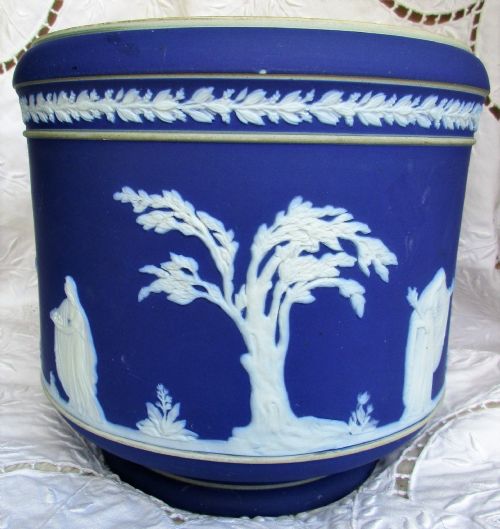
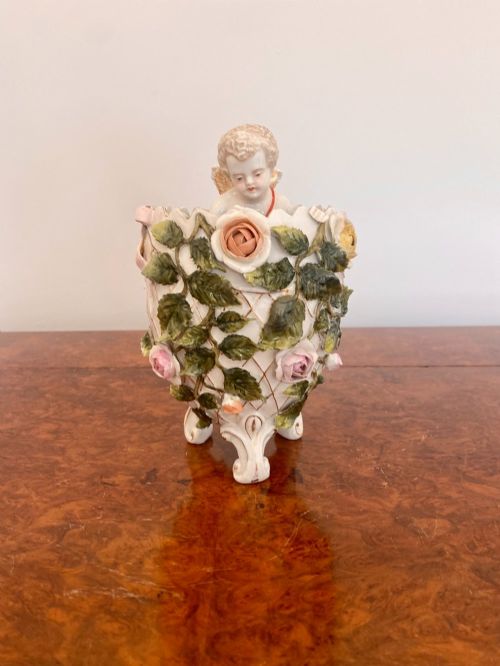
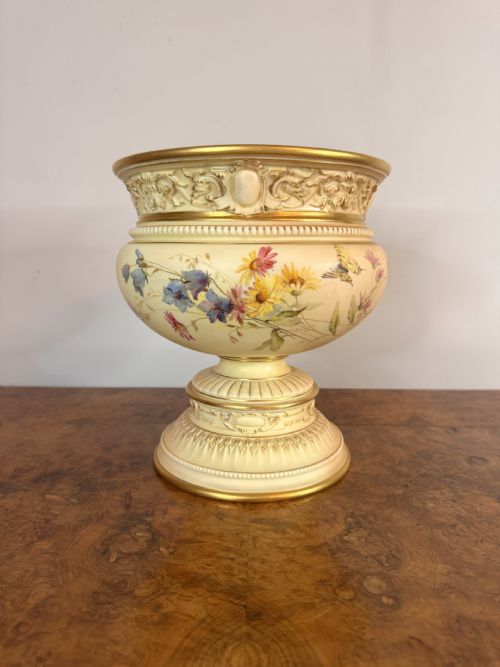

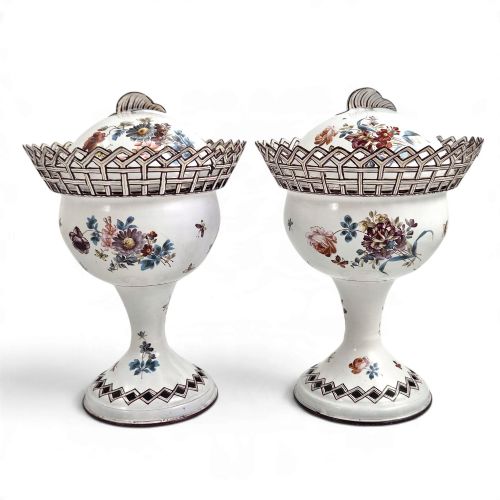
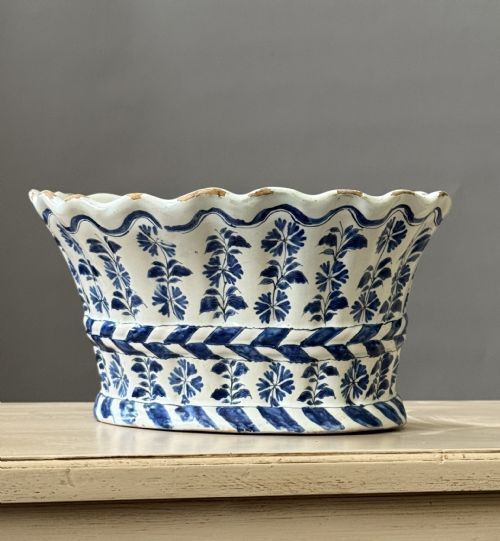
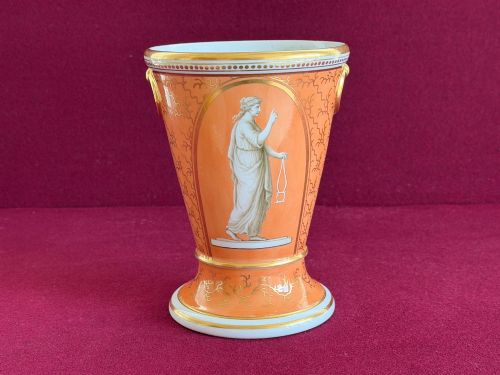
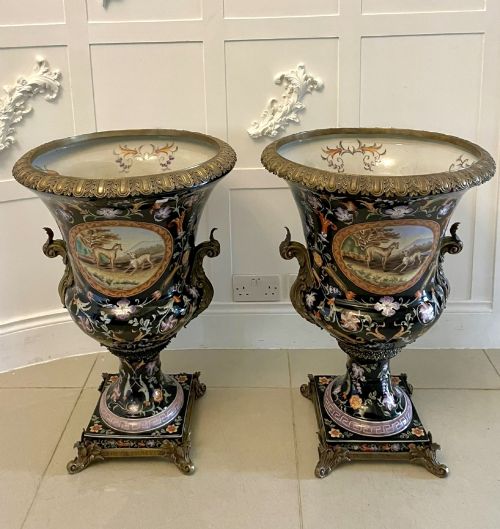
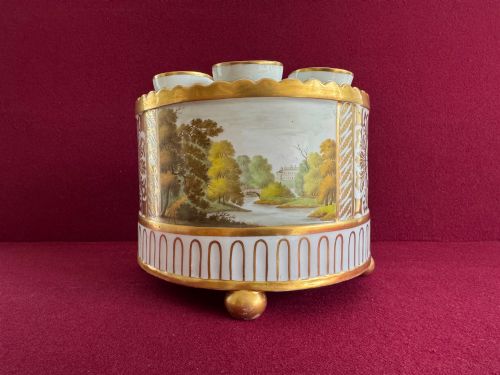



Antique Ceramic Cachepot
An antique ceramic cachepot hides a plant pot inside decorative earthenware or porcelain, bringing colour and pattern directly to a tabletop or mantelpiece.
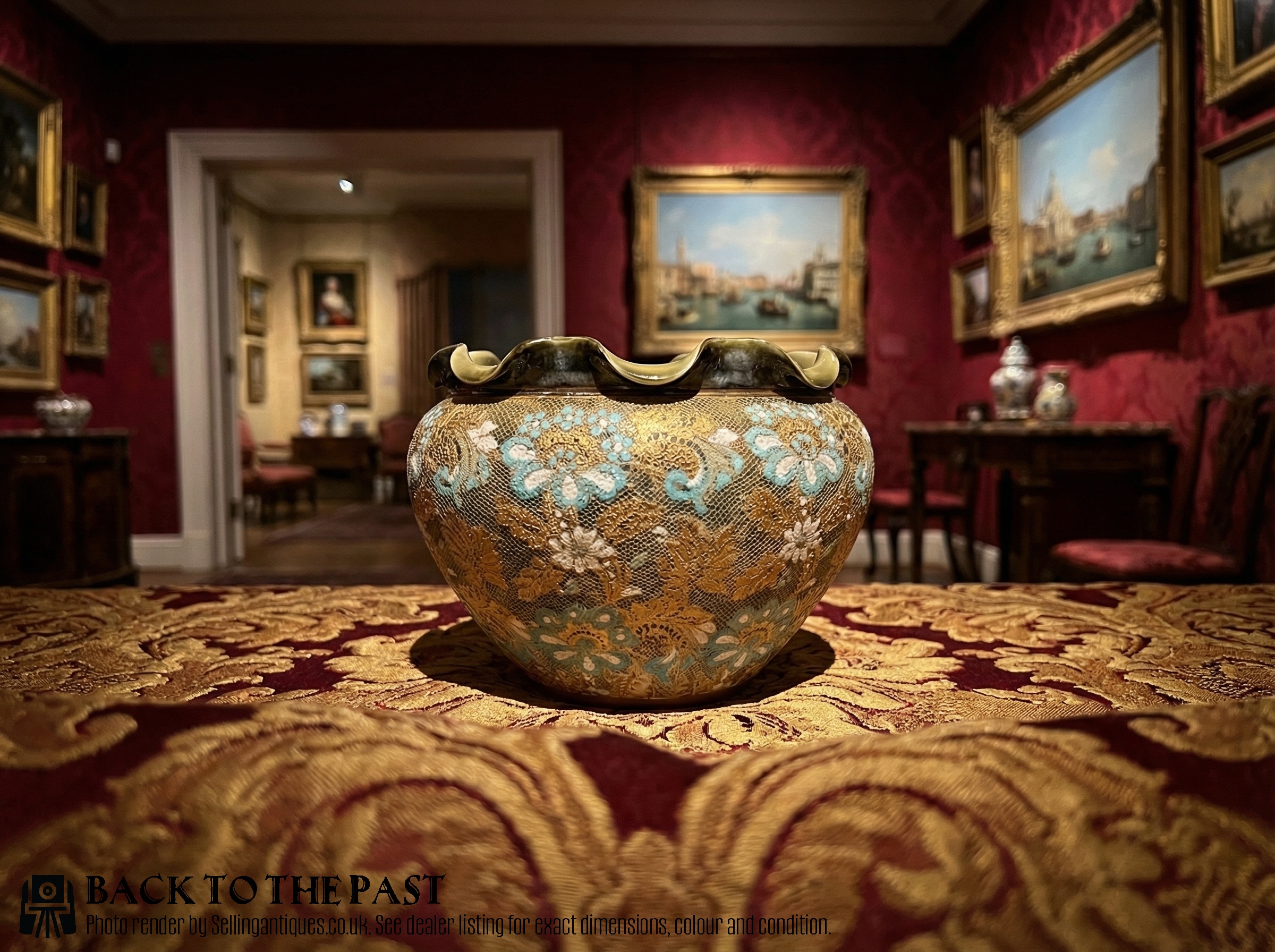
Antique Ceramic Cachepot
The antique ceramic cachepot appears on this page primarily through English, French, and Asian pieces spanning the eighteenth to the early twentieth century.
Buyers encounter versatile forms ranging from traditional bough pots and potting vessels to large jardinières and planters designed to hold growing plants or cut flowers.
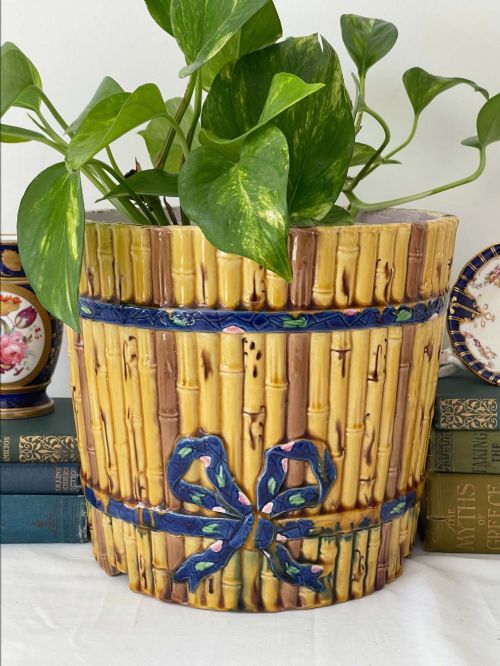
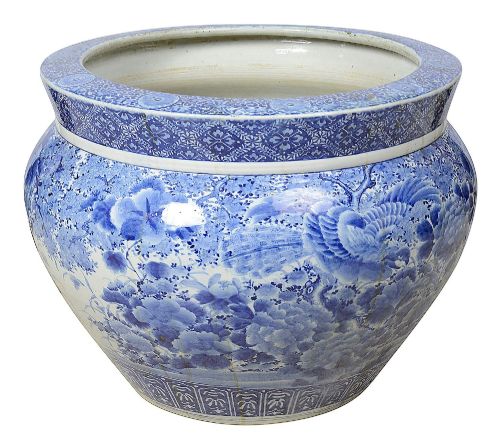
Examples cross several stylistic movements, including Georgian porcelain, Victorian majolica, and Japanese Imari wares.
Materials and construction
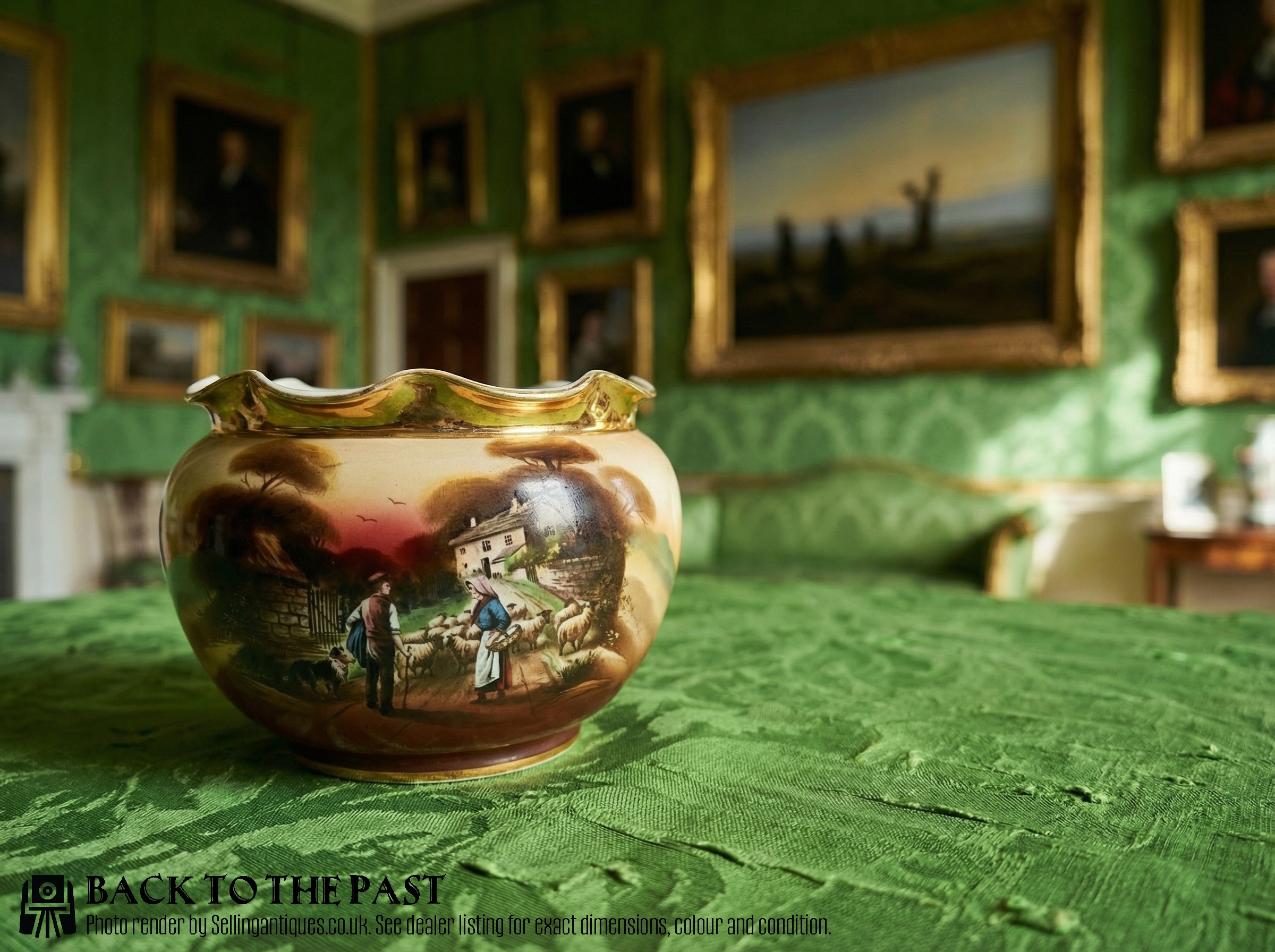
Potters shaped these vessels using porcelain, earthenware, and stoneware, often applying rich glazes and enamel painting by hand.
Makers integrated structural elements such as brass mounts, side handles, and separate matching stands to support the weight of wet soil and plants.
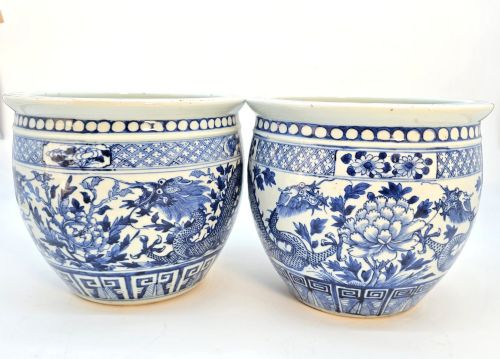
Surface decoration frequently combines blue and white underglaze painting, relief moulding, gold leaf accents, and majolica coloration.
Antique Ceramic Cachepot Retail Price Guide 2026
Typical asking prices for ceramic cachepot among the pieces listed under this phrase on Sellingantiques today, from the lower quarter to the upper quarter. They describe what is for sale here now, not the wider market.
Listings feature pieces spanning from the 18th century through to the 1920s, utilising earthenware, stoneware, and fine porcelain.
Assessing craftsmanship
Quality rests in the crispness of the moulded relief, the precision of the hand-painted details, and the depth of the glaze firing.
The finest pieces display balanced proportions, clean foot rims, and crisp definition in decorative elements like bamboo handles or floral panels.
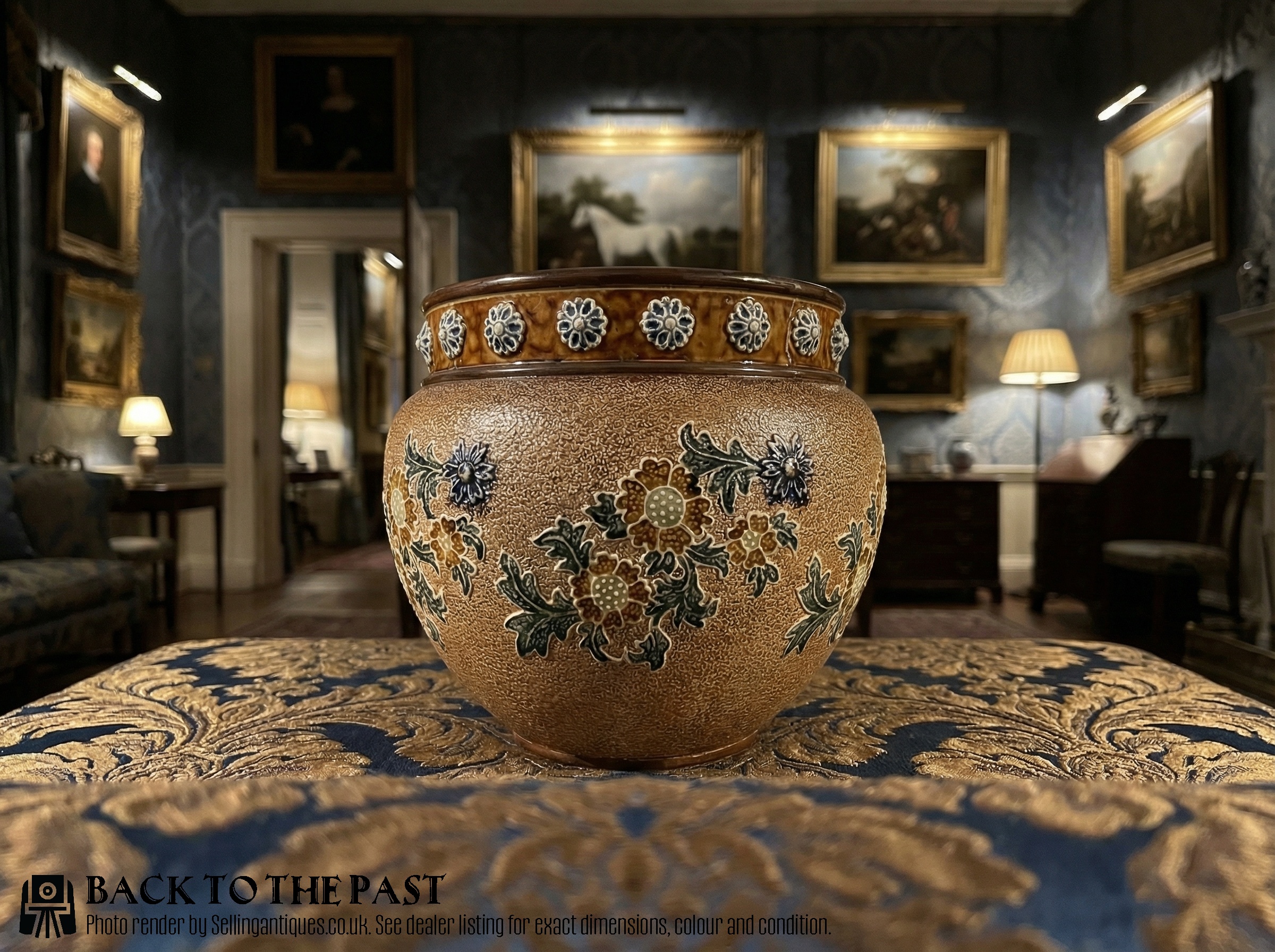
Flight and Barr·Minton·Royal Doulton·William Adams and Sons·Royal Worcester
The Antique Ceramic Cachepot Glossary
- Cachepot
- A decorative container designed to hide a plain flower pot inside. The French term translates directly as hiding pot.
- Bough pot
- An early vessel specifically intended for holding leafy tree boughs or cut flowers. These often feature pierced covers.
- Majolica
- A type of earthenware coated with an opaque tin glaze and painted with brightly coloured metallic oxides. It enjoyed immense popularity during the Victorian period.
- Imari
- A style of Japanese export porcelain decorated in underglaze blue, iron red, and gold. European factories frequently copied these distinct patterns.
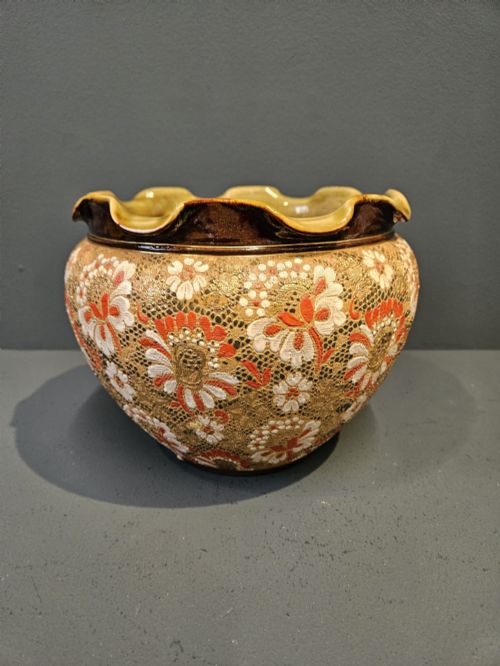
- Slaterware
- A textured ceramic technique developed by Doulton where lace or plant materials were pressed directly into the damp clay body before firing.
Antique Ceramic Cachepot: Frequently Asked Questions
What is a cachepot used for?
These vessels house ordinary plant pots to keep interiors tidy while displaying greenery in decorative style. They sit on tables, windowsills, or plant stands.
They also function as standalone decorative objects or centrepieces without holding plants at all.
How do I date an antique cachepot?
Dating relies on maker marks, factory stamps, glaze characteristics, and stylistic clues from periods like the Georgian era or Victorian times.
Base types, body weights, and hand-painted pigments also offer clear indicators of manufacture age.
Are these pots waterproof?
Most ceramic and porcelain vessels hold water, but unglazed earthenware or older pottery can sometimes seep moisture.
Using an inner plastic liner protects the antique interior surface from mineral deposits and damp damage.
What is the difference between a cachepot and a jardiniere?
A cachepot specifically conceals an existing plant pot, whereas a jardiniere often holds soil and plants directly within the vessel.
In practice, antique dealers and makers often use both terms interchangeably for decorative plant containers.