






Antique Ceramic Jardiniere
When you search for an antique ceramic jardiniere, you are looking at substantial decorative vessels made to hold potted plants indoors.
Antique Ceramic Jardiniere
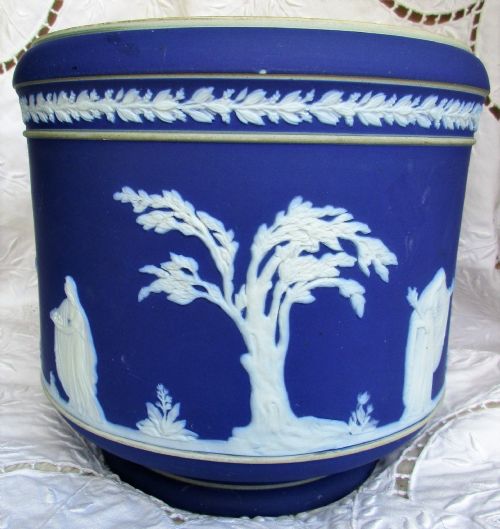
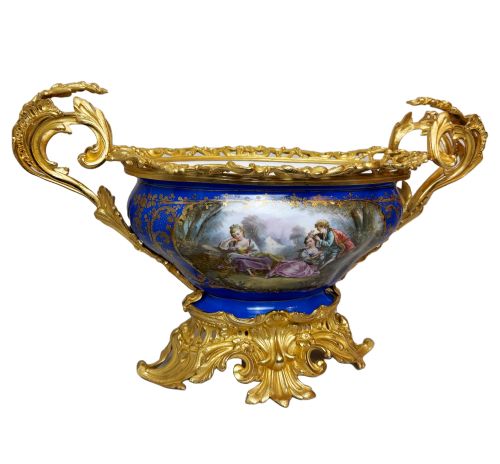
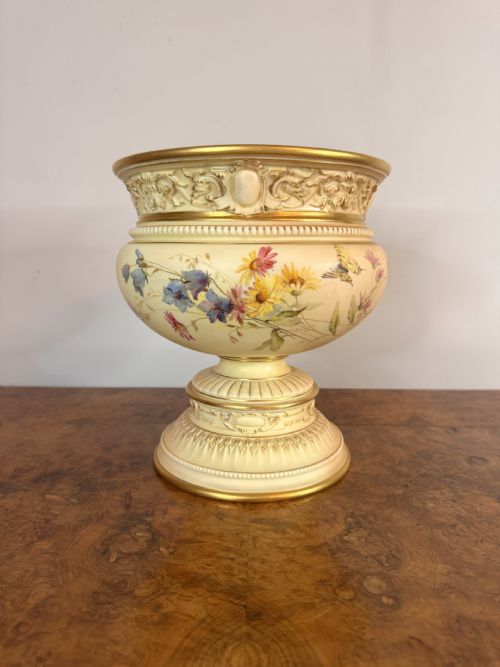
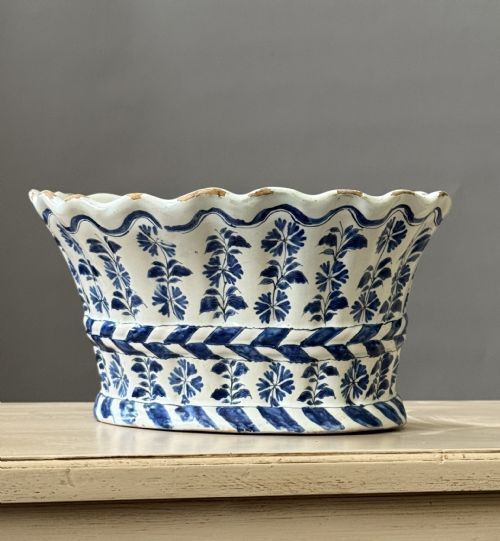
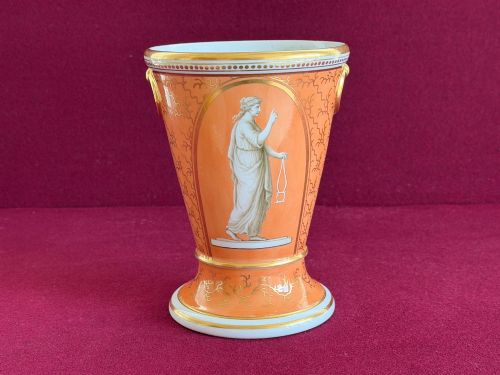
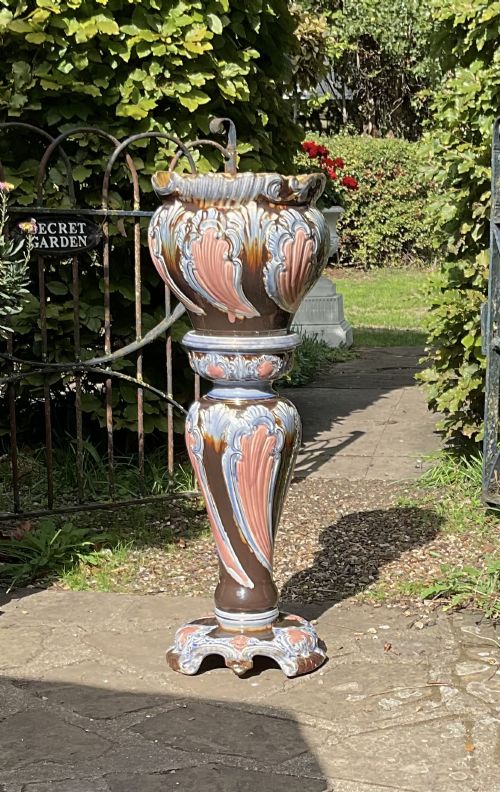
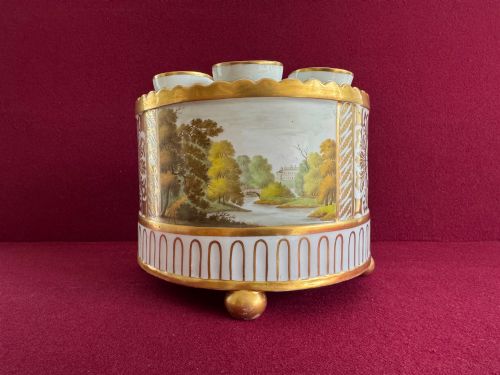
An antique ceramic jardiniere is a decorative plant container designed for interior display, often paired with a matching pedestal or stand. These pieces range from Georgian porcelain vessels to late nineteenth-century stoneware and majolica creations.
The versions you are most likely to meet on this page hail from the Victorian and Edwardian eras, produced by prominent British potteries alongside continental and Asian workshops. Forms span simple bowls and cachepots to large urns with figural bases.
Makers utilised these vessels in reception rooms, halls, and conservatories to bring greenery inside in a controlled, decorative manner. Many incorporate drainage trays or matching stands to protect interior surfaces.
How They Were Made
Potters shaped these vessels using earthenware, porcelain, stoneware, and terracotta, applying glazes such as enamel, salt glaze, and lustre to seal and decorate the surface. Majolica and art pottery wares often received colourful lead glazes over moulded reliefs.
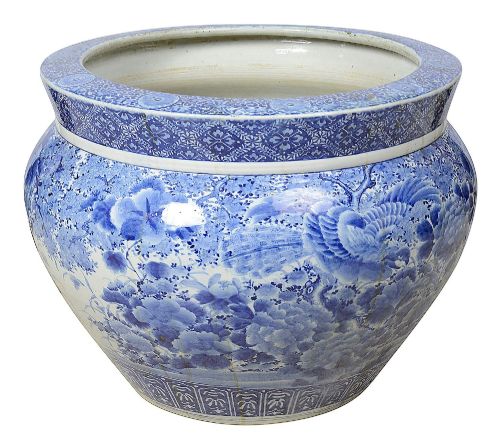
Techniques varied from slip casting and throwing to intricate hand-painting and transfer printing, sometimes enhanced with gold leaf. Japanese and Chinese pieces frequently display detailed underglaze blue and famille rose enamelling.
Many items combined ceramic bowls with metal or figural stands, requiring distinct firing and assembly processes for the upper planter and the supporting base.
Antique Ceramic Jardiniere Retail Price Guide 2026
Typical asking prices for ceramic jardiniere among the pieces listed under this phrase on Sellingantiques today, from the lower quarter to the upper quarter. They describe what is for sale here now, not the wider market.
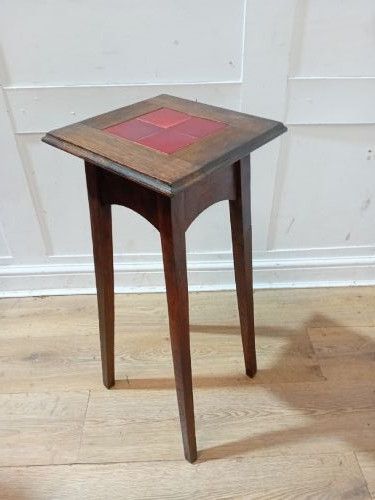
Listings feature periods from the 18th Century through to the 1930s, encompassing Georgian, Victorian, Art Nouveau, and Arts & Crafts styles.
What Varies in Quality
The distinction between ordinary and exceptional pieces lies in the crispness of the moulding and the depth of the glaze. Hand-painted details executed by known artists show greater precision and artistic expression than standard transfer prints.
Substantial weight, balanced proportions, and complete sets including original pedestals or matching stands elevate a piece. Finer examples display harmonious colour palettes and clean glaze application without excessive pooling or firing distortions.
Flight & Barr Worcester·Minton·Doulton Lambeth·William Adams & Sons·W.A. Adderley·Burmantofts·Makuzu Kozan II·Doulton Burslem·Royal Worcester·James Hadley·Enoch Wood & Sons·Clement Massier
The Antique Ceramic Jardiniere Glossary
- Jardiniere
- A large decorative pot or bowl used to hold a plant or flower arrangement indoors. It typically sits on a table or directly on the floor.
- Cachepot
- An ornamental flowerpot cover designed to hide a plain inner pot and catch draining water. These lack drainage holes in the base.
- Majolica
- earthenware pottery decorated with opaque coloured glazes over an absorbent buff body. It became popular during the nineteenth century for vibrant, naturalistic garden ornaments.
- Slaterware
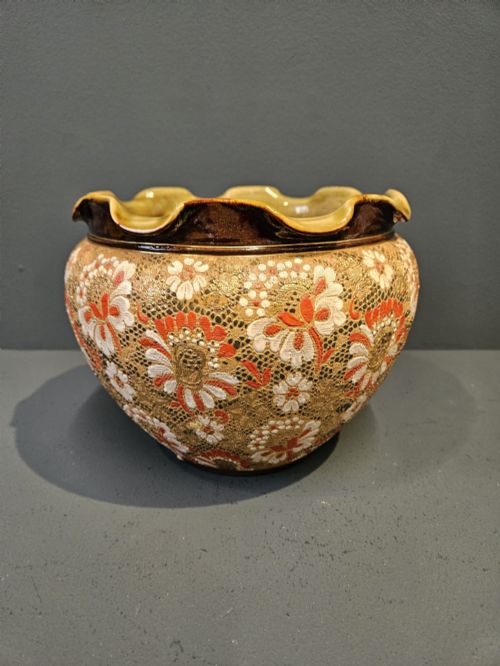
- A type of ceramic decoration developed by Doulton where lace or textured fabrics were pressed into damp clay before firing. This created a rough, patterned background resembling basketry or textiles.
- Imari
- A style of Japanese export porcelain featuring deep underglaze blue and iron red, often highlighted with gold. European potteries frequently copied these distinctive patterns.
Antique Ceramic Jardiniere: Frequently Asked Questions
What is the difference between a jardiniere and a cachepot?
A jardiniere is generally a large standalone vessel designed to hold a plant directly or house a potted arrangement within its main body. These often feature drainage considerations or accompany a matching pedestal stand.
A cachepot functions primarily as an outer decorative container. It hides a standard plant pot and catches excess water, meaning it typically lacks a hole in the bottom.
How were antique jardinieres used in period homes?
Victorians placed these vessels in entrance halls, drawing rooms, and conservatories to display ferns, palms, and flowering plants indoors. They served as prominent decorative furnishings rather than utilitarian garden tools.
Larger examples on pedestals stood in corners or framing doorways, while smaller bowls rested on tables, credenzas, and mantelpieces to bring nature into living spaces.
How do I identify a majolica jardiniere?
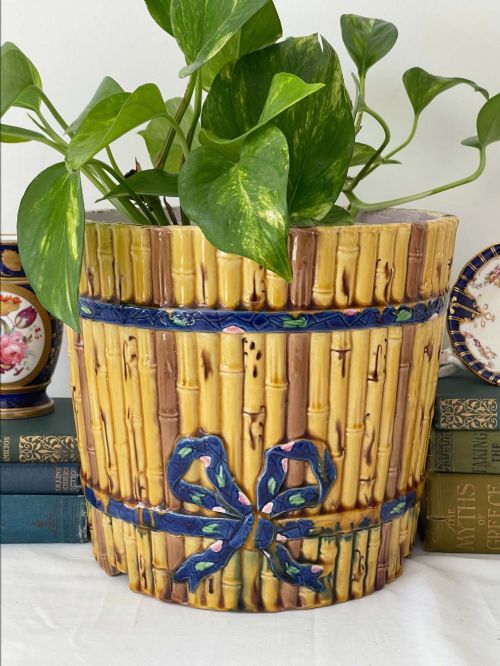
Majolica pieces are characterised by colourful lead glazes applied over moulded earthenware bodies. The designs frequently incorporate naturalistic motifs such as bamboo, leaves, and figures in high relief.
These vessels tend to feel heavy and display a glossy, opaque surface finish with rich greens, browns, blues, and yellows.
Can I use an antique jardiniere for live plants?
Many antique ceramic vessels can hold live plants, though moisture management requires care. Unglazed interiors or historical porous bodies can absorb water over time.
To protect the ceramic, place a modern plastic pot and saucer inside the antique vessel. This prevents soil and water contact while preserving the piece.