

Antique Jardiniere Pot
An antique jardiniere pot elevates indoor horticulture by turning a simple plant holder into a decorative centrepiece of metal or ceramic.
Antique Jardiniere Pot
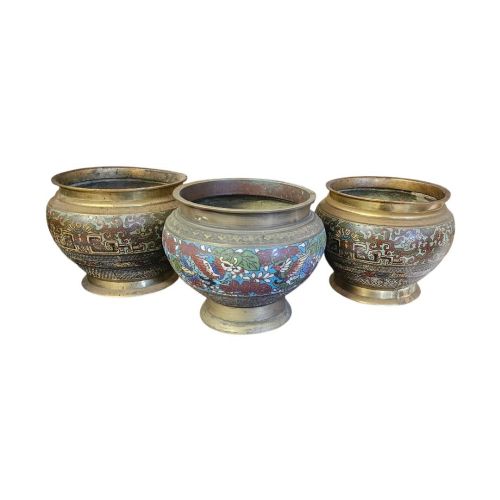
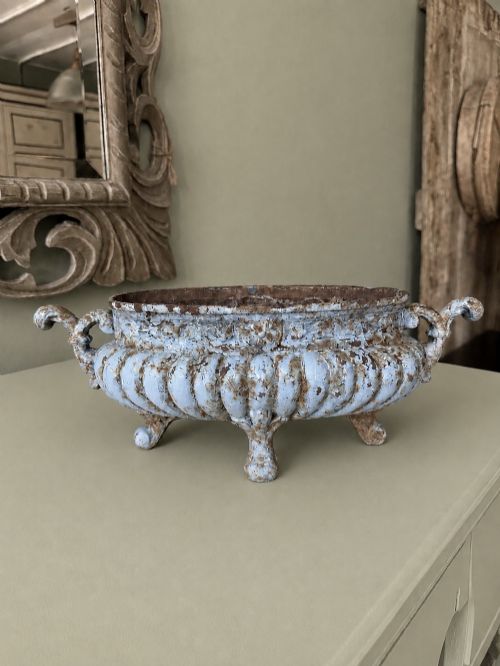
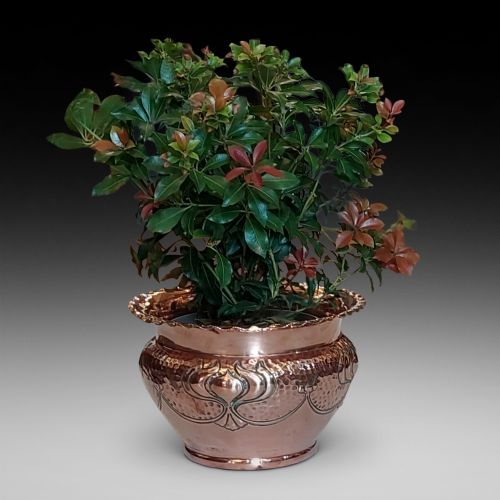
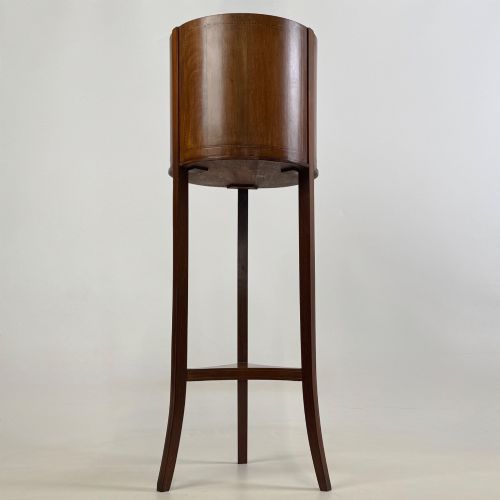
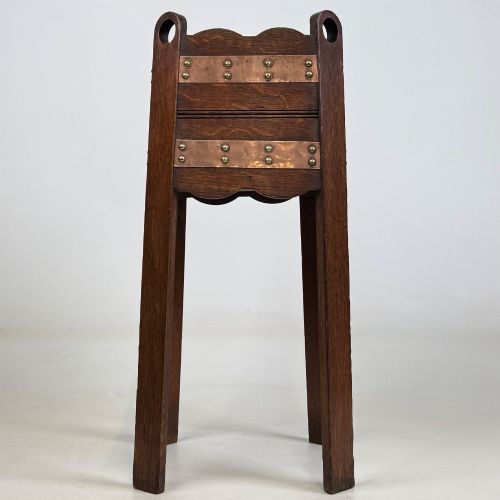
When searching for an antique jardiniere pot, buyers encounter decorative vessels designed to hold potted plants indoors, frequently accompanied by matching plant stands. The forms range from heavy metal vessels to glazed ceramic bowls intended to sit on tables or directly on the floor.
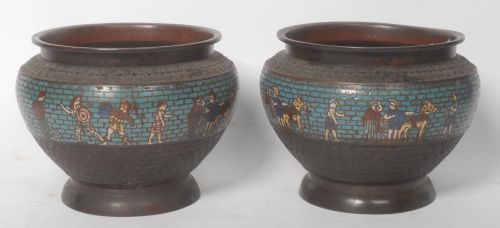
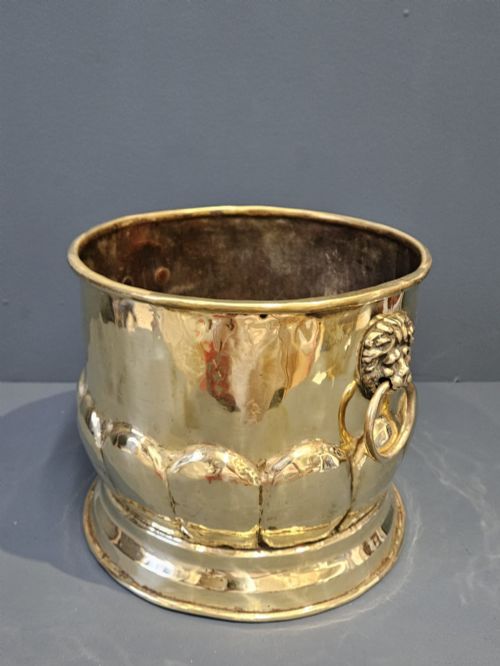
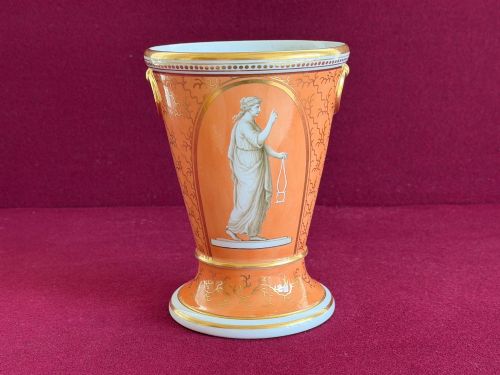
The pieces appearing on this page span several centuries, with a strong representation of Victorian and Edwardian examples. Brass and copper planters sit alongside porcelain, stoneware and cast iron versions originating from British, European and Asian workshops.
Materials and construction
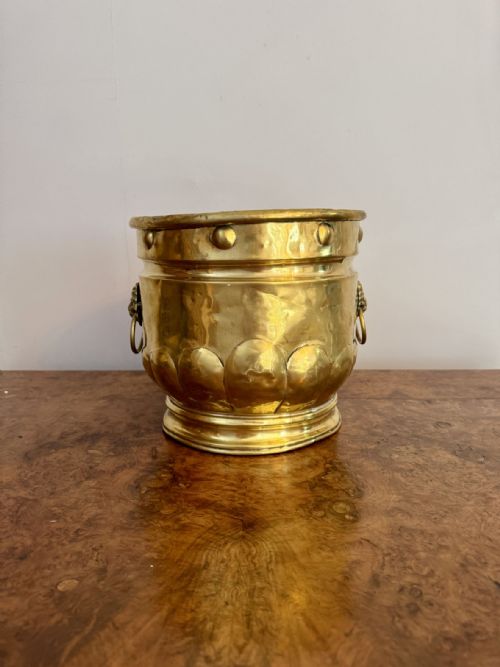
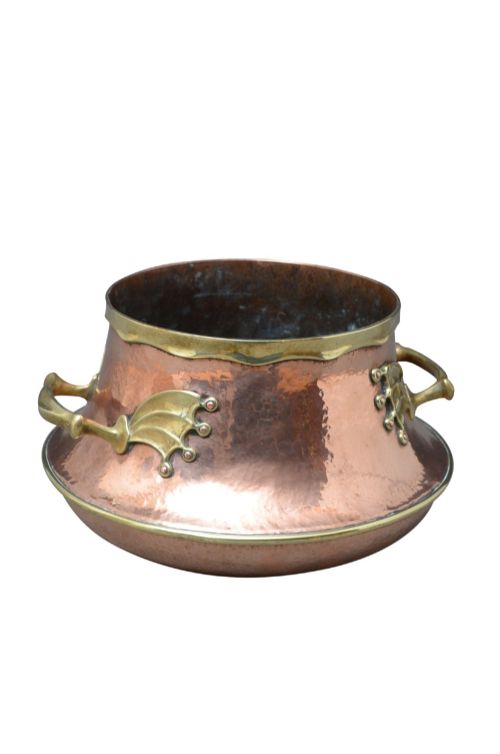
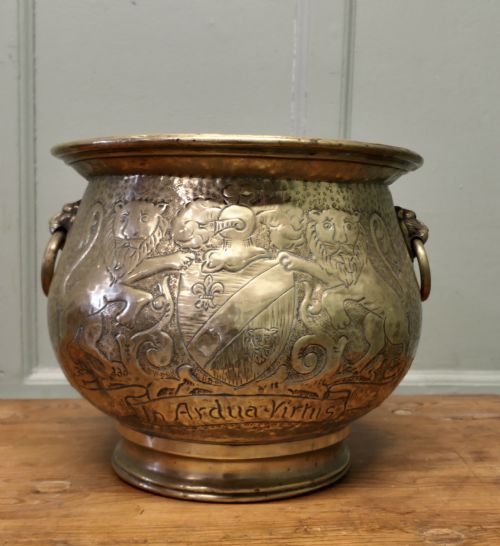
Metal vessels utilise sheet brass and copper, often hammered by hand or joined with rivets, while others employ cast iron for robust garden and conservatory use. These metal pieces frequently feature chased decoration, repoussé shields, or applied crests.
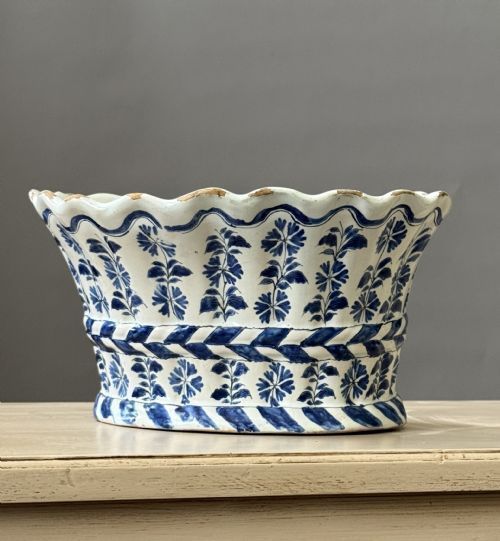
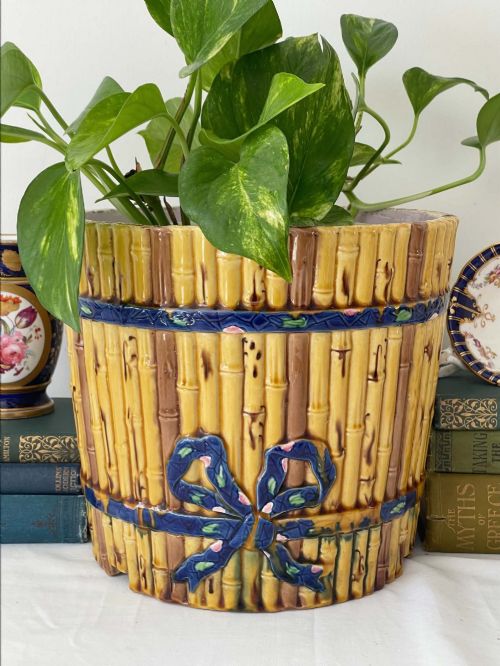
Ceramic examples rely on glazed stoneware, porcelain, and majolica techniques. Potters shaped clay on wheels or in moulds before applying rich coloured glazes, transfer printing, or hand-painted motifs.
The documented styles range from Georgian and Regency through Victorian, Arts & Crafts, Art Nouveau, and Japanese Meiji periods.
What separates the grades
Quality rests upon the crispness of the casting or the depth of the hand-hammering in metalwork, where thick gauge brass and copper hold their structural integrity. Finer ceramic examples display precise glaze control and well-defined moulding rather than sluggish detail.
Provenance and artistic ambition elevate certain pieces, particularly those bearing factory marks from notable potteries or featuring deliberate stylistic movements like Art Nouveau and Arts & Crafts. Simpler utilitarian vessels rely entirely on honest wear and solid materials.
Flight & Barr Worcester·Barr Flight & Barr·Minton·Doulton Lambeth·Royal Doulton·William Adams & Sons·W.A. Adderley·Liberty of London·Bretby·Henry Loveridge
The Antique Jardiniere Pot Glossary
- Jardiniere
- A large decorative pot or receptacle for holding flowers or plants, typically ceramic or metal. It functions as an ornamental container rather than a direct growing pot.
- Cachepot
- A decorative flowerpot cover designed to conceal a plain inner plant pot and catch drainage water. This French term translates literally as hide-pot.
- Majolica
- A type of earthenware coated with an opaque tin-glaze and painted with bright metal oxide colours. It achieved immense popularity during the Victorian era for ornamental wares.
- Repoussé
- A metalworking technique where the artisan hammers a design from the reverse side to form a raised pattern in relief. It appears frequently on brass and copper planters.
- Stoneware
- A robust, vitrified ceramic fired at high temperatures until non-porous. It provides durability for heavy planting vessels.
Antique Jardiniere Pot: Frequently Asked Questions
What is the difference between a jardiniere and a cachepot?
A jardiniere typically holds soil and plants directly or acts as the primary display vessel, whilst a cachepot is specifically designed to hide a plain plastic nursery pot placed inside it.
Both serve an ornamental purpose in interior decoration, but cachepots specifically manage the water drainage from the inner pot.
Can antique planters be used for real plants?
Many metal and ceramic planters accommodate live plants, though moisture and soil can accelerate corrosion in antique brass and iron if used without an inner liner.
Using a modern plastic container inside the antique vessel protects the historic material from water damage and mineral staining.
How do I identify a Victorian brass jardiniere?
Victorian brass pieces often feature heavy gauge metal, riveted seams, and decorative elements such as paw feet, lions' heads, or embossed crests.
Stylistic cues range from ornate Gothic revival motifs to hand-hammered Arts & Crafts surfaces produced towards the end of the nineteenth century.
What are plant stands used for?
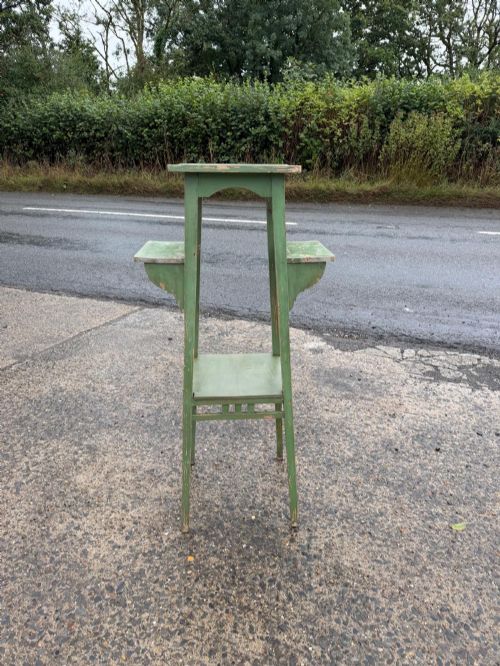
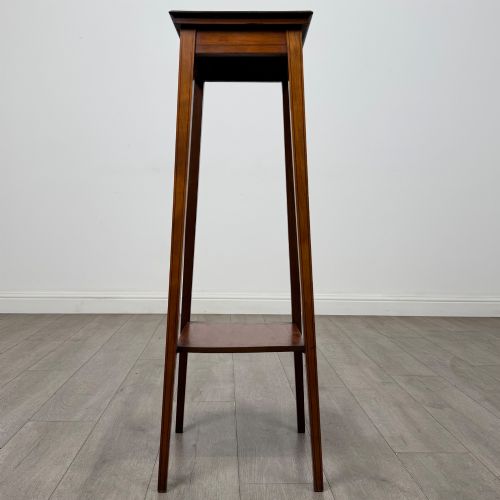
Plant stands elevate jardiniere pots to improve light exposure and create varying vertical heights within a room's interior layout.
They appear in materials like mahogany, satinwood, oak, and bamboo, often matching the aesthetic of the pot placed upon them.