


Victorian Ceramic Planter
These Victorian ceramic planter pieces bring rich nineteenth-century planting vessels straight to your interior.
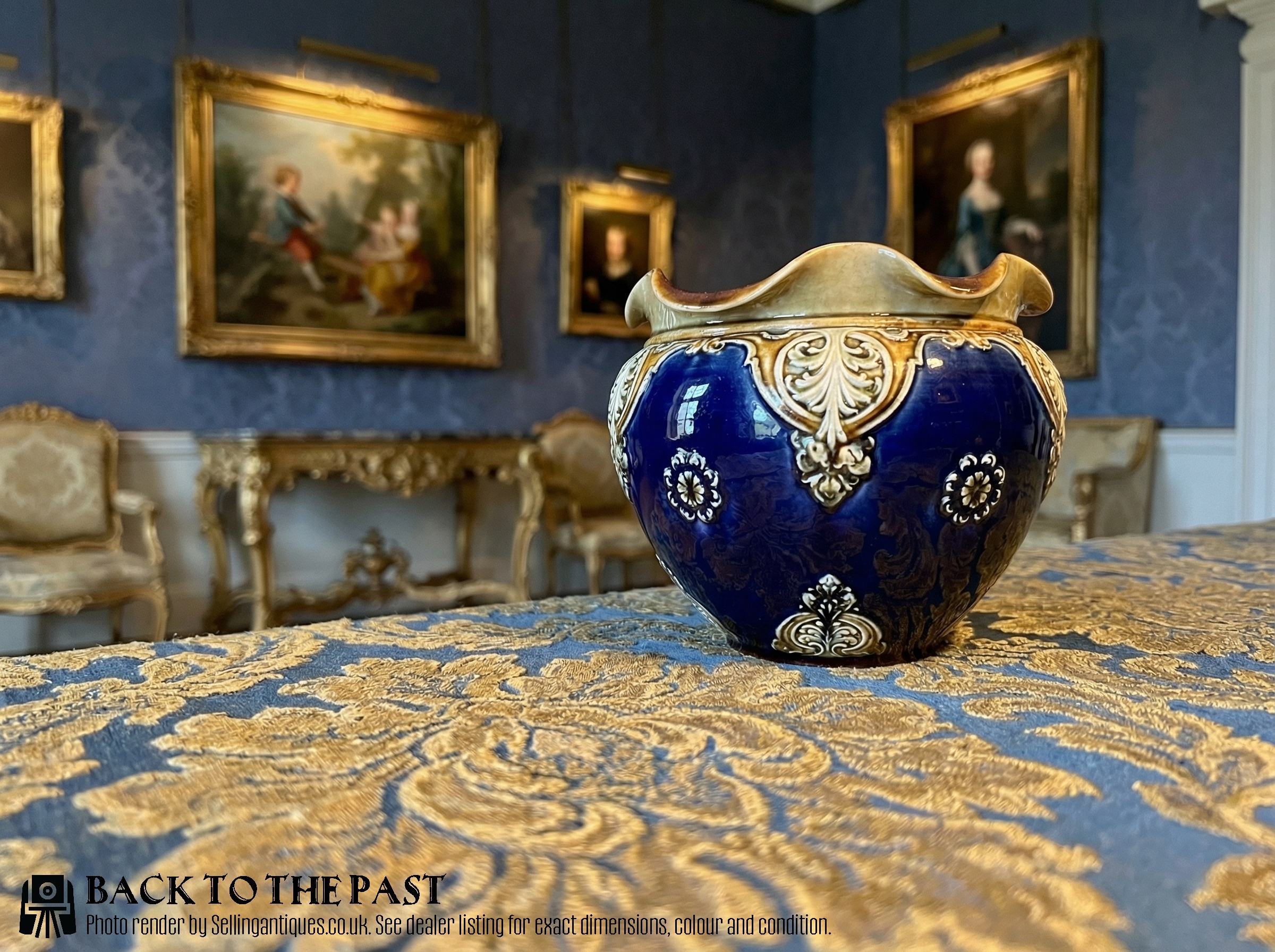
What a Victorian ceramic planter is
A Victorian ceramic planter, often called a jardiniere, serves as a decorative vessel designed to hold potted plants within domestic interiors. These items emerge from the nineteenth century, displaying the varied stylistic movements of the period.
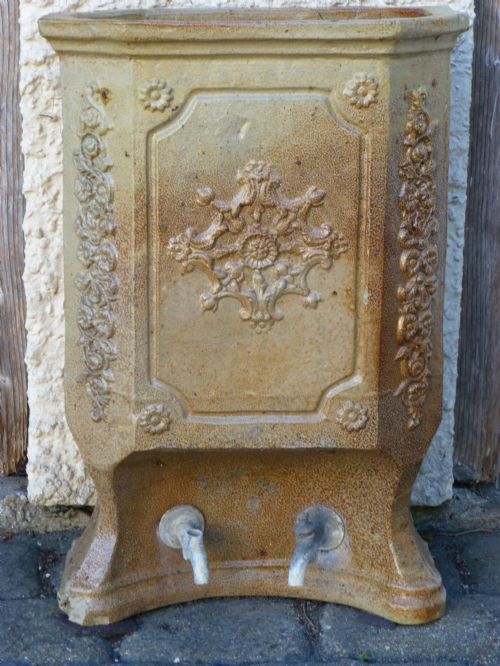
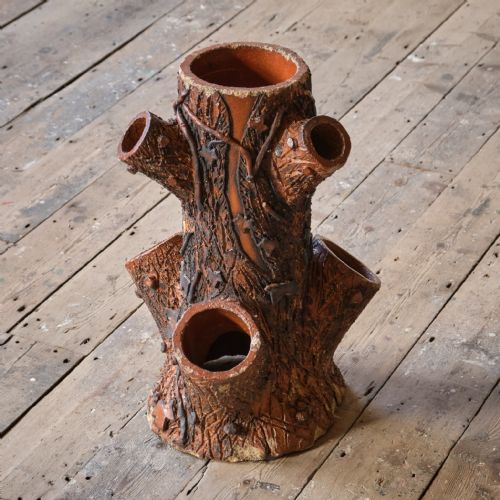
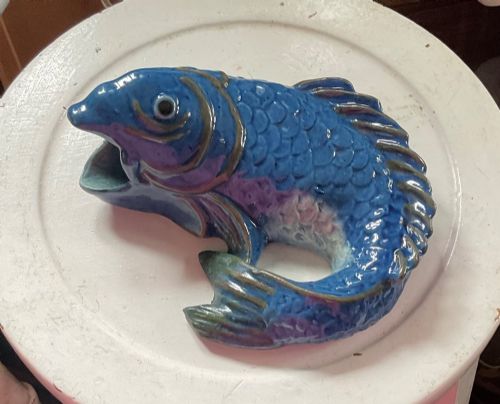
The selections available here span the Victorian era, including pieces from eighteen seventy and eighteen eighty, alongside general nineteenth-century examples. Forms range from traditional bowl shapes to specific animal designs like the swan jardiniere.
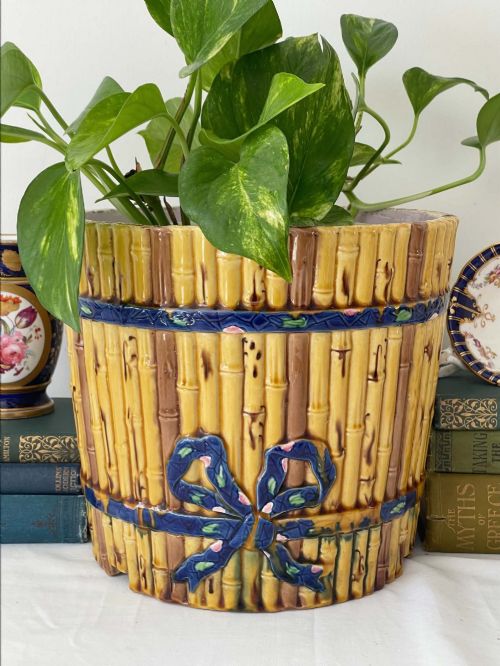
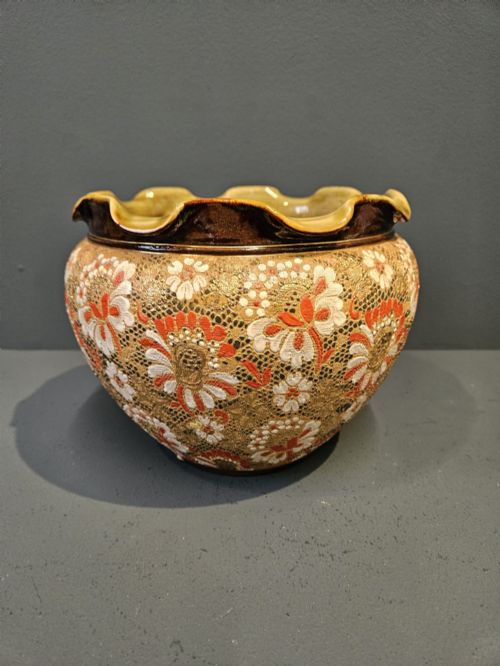
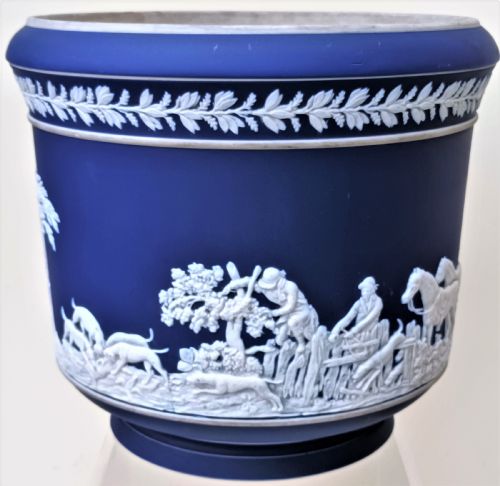
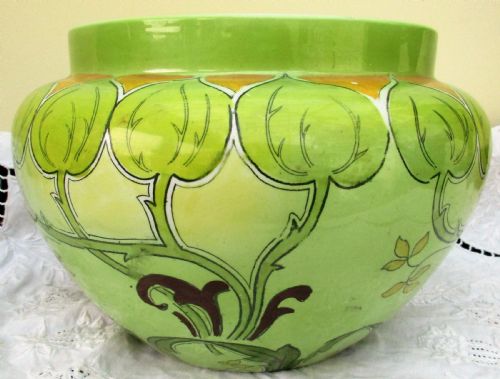
Makers and stylistic schools represented in this grouping include Doulton Lambeth, George Jones Majolica, William Adams and Sons, alongside Art Nouveau and Arts and Crafts expressions. Buyers encounter earthenware, stoneware, and jasperware bodies carrying rich glazes and gilding.
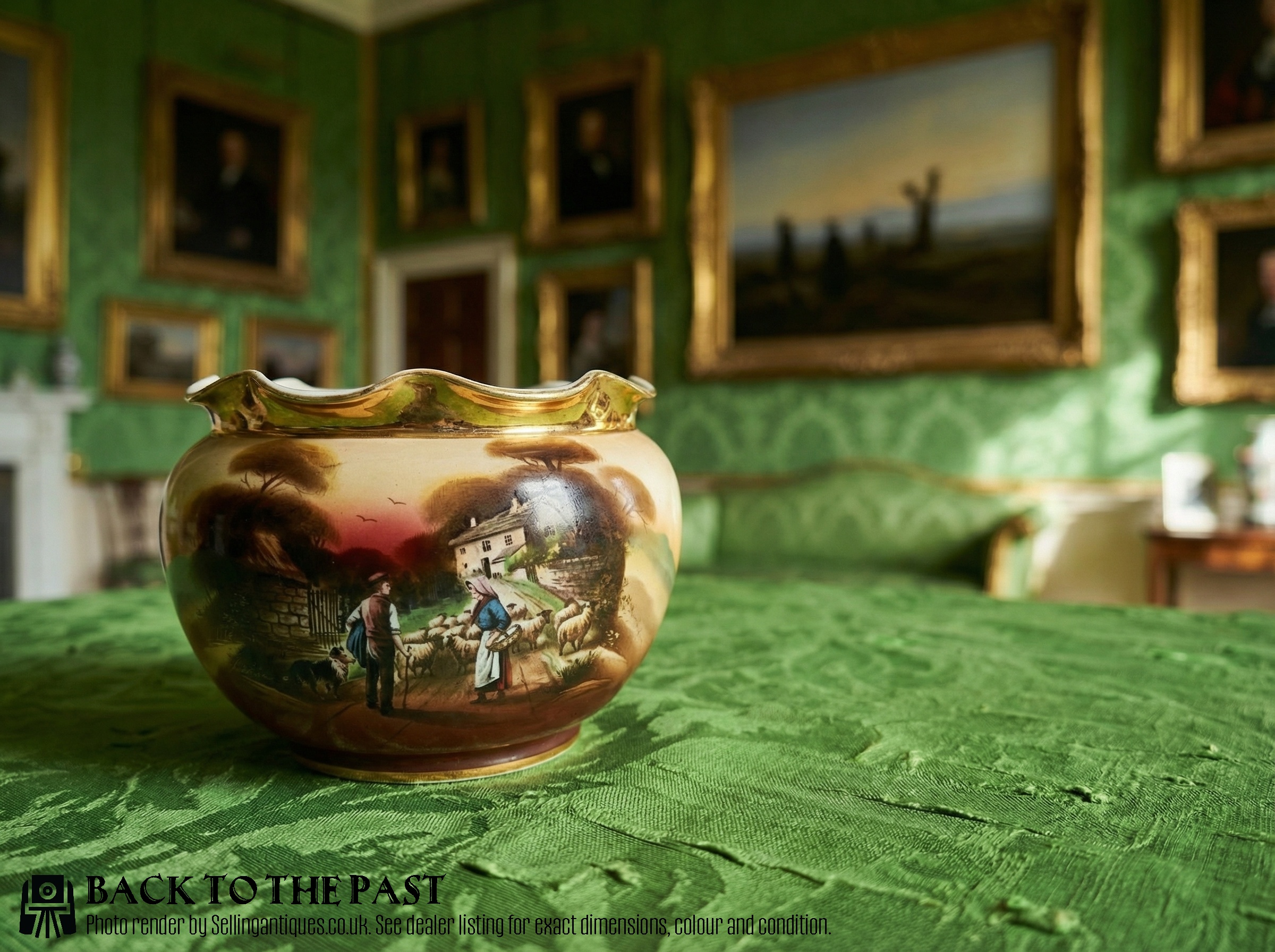
Materials and manufacture
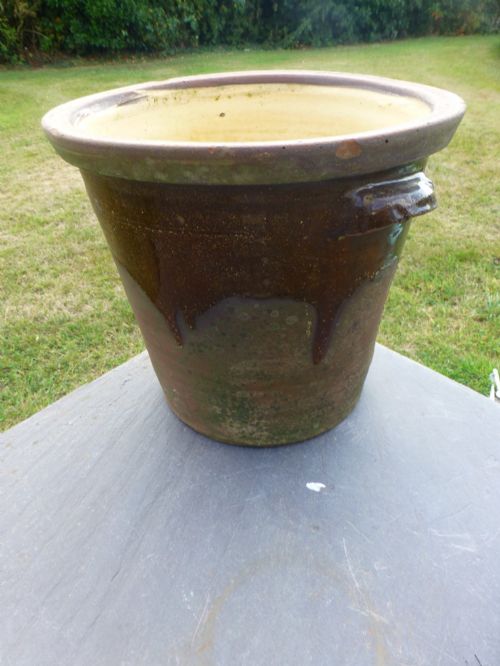
Potters built these vessels using earthenware and stoneware bodies, shaping them into substantial bowls and jardiniere forms. The structural clay provides a heavy, durable foundation designed to hold damp soil and heavy foliage.
Surfaces receive specialised treatment through coloured glazes, applied slip, and detailed moulded relief work as seen in jasperware. Some pieces incorporate delicate gilding to accentuate raised motifs and rim details.
Retail Price Guide 2026
Typical UK retail prices for victorian ceramic planter, calculated from the Sellingantiques database of over a million retail prices indexed since 2003. This retail price guide relies exclusively on Sellingantiques data; no external sources or auction records are used, so the figures do not describe the wider market.
A lovely nineteenth-century ceramic swan takes on the duties of a planter.
Judging quality in these planters
Quality reveals itself in the crispness of moulded details and the depth of the glaze application across the ceramic body. Pieces from established potteries display superior control in their fired finishes and decorative richness.
The distinction between standard production items and finer examples rests on artistic ambition, such as the sculptural execution of animal forms or the complexity of Art Nouveau and Neoclassical motifs.
Doulton Lambeth·George Jones Majolica·William Adams and Sons
The Victorian Ceramic Planter Glossary
- Jardiniere
- A large ornamental pot or stand for holding plants or flowers. This term is frequently used interchangeably with planter in nineteenth-century contexts.
- Jasperware
- A type of pottery developed by Josiah Wedgwood characterised by its unglazed matte finish and contrasting applied white reliefs. It appears in English Victorian pieces such as those by William Adams and Sons.
- Majolica
- A type of earthenware coated with an opaque tin-glaze and painted with metallic oxide colours, known for its vibrant and glossy appearance. George Jones produced notable examples in this style.
- Stoneware
- A sturdy, vitrified pottery fired at high temperatures to produce a dense, impermeable material. It forms the robust body of many nineteenth-century jardiniere vessels.
Frequently Asked Questions
How were these planters used?
These vessels housed potted ferns and flowering plants inside nineteenth-century homes, protecting furniture from water and soil.
They stood on tables, pedestals, or hearths as central decorative statements within Victorian interior design schemes.
What styles do these planters feature?
The pieces display a broad range of nineteenth-century aesthetics, including Neoclassical, Arts and Crafts, and Art Nouveau.
Makers utilised distinctive regional techniques and glazes, creating everything from majolica surfaces to classic blue jasperware.
How do I identify a Doulton Lambeth piece?
Doulton Lambeth items from this era typically feature distinct stoneware bodies with specialised glazes and incised or moulded decoration.
Their work from eighteen eighty represents the technical proficiency and artistic ambition of the famous London pottery.